How Your Tattoos Might Be Messing With Your Sweat Glands

Tattoos are very common today. Back in the day, only fun ladies and military dudes (or I suppose convicts) really sported ink on a regular basis, but since the nineties, they’ve continued to trend as a common, if permanent, accessory.

Perhaps that’s why scientists are really just beginning to wonder whether or not there could be any long- or short-term effects of having ink deposited right beneath your skin – and this recent study seems to conclude that one of those effects could be a poor ability to sweat.

Image Credit: Pixabay

The paper was published in the Journal of Applied Physiology, and featured a pretty small sample size of 10 participants. The subjects wore tube-lined suits containing warm water, which induced them to sweat – though skin covered by a tattoo or tattoos produced 15% less sweat than skin left unmarked.

This research joins more like it, like another small 2017 study that used an electric current to produce sweat, and found that inked skin produced 50% less perspiration, but is belied by at least one study that found no difference in sweating ability between inked and non-inked skin.
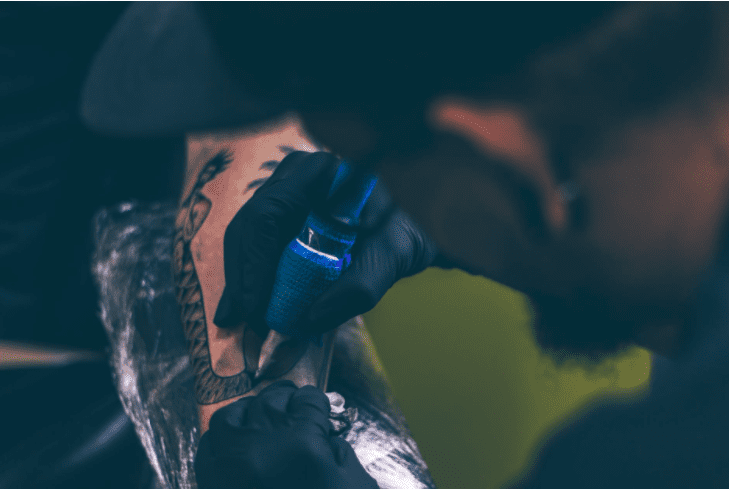
Image Credit: Pexels

There doesn’t seem to be conclusive evidence, nor does the study make any comment on why or how a tattoo could affect one’s ability to sweat.

For now, it seems like you’re safe to continue amassing as much ink as you like, though if this does eventually prove to be an issue, the more tattoos you have, the more trouble you might have cooling off on a hot day.

Image Credit: Pexels

Then again, people with full body tattoos have been staying cool with no trouble since forever, so you’re probably fine either way.

You do you, my friend, and leave the scientists to their business.

The post How Your Tattoos Might Be Messing With Your Sweat Glands appeared first on UberFacts.

A New Study Busts the Myth That Vikings Weren’t Genetically Diverse

Most people have an idea that Vikings were all giants with blond hair, blue eyes, and a thirst for raiding and pillaging foreign lands before returning how to bask in the icy, Nordic cold.

And while the latter may still turn out to be true, a new study is pretty much proving the homogenous physical description in our minds incorrect.

The study, published in Nature, indicates the Viking Empire arched over genetically distinct groups that emerged from different Scandinavian regions – some of which contained Southern European and Asian genes.

Image Credit: Oxford Archaeology

It took the study authors six years to sequence the genomes of 442 Viking-age skeletons that dated from 2400 BCE to 1600 CE. When they were done, they had data that revealed how different factions within the Viking world had trickled throughout Northern Europe.

Author Martin Sikora delved deeper into their research in a statement.

“We found that Vikings weren’t just Scandinavians in their genetic ancestry, as we analyzed genetic influences in their DNA from Southern Europe and Asia, which has never been contemplated before.

Many Vikings have high levels of non-Scandinavian ancestry, both within and outside Scandinavia, which suggest ongoing gene flow across Europe.”

Norwegian Vikings mainly traveled to Ireland, Scotland, Iceland, and Greenland, while Swedish Vikings preferred the Baltic countries.

Image Credit: iStock

Danish Vikings headed off to England.

The genetic consequences of those specific raiding tendencies can be seen today, with around 6% of British people bearing Viking genes.

The study also revealed that Vikings likely traveled in family units as they pillaged foreign lands – one of the earliest raise involved 41 men from Sweden traveling to Estonia in the mid-8th century.

Image Credit: iStock

They all perished, and genetic analysis revealed the group included 4 brothers and a bunch of other closely related men.

They also found Vikings with no Scandinavian ancestry at all, so theories arise that certain Northern European cultures were likely assimilated into the Viking world without ever mixing genetically with their overlords.

Image Credit: iStock

So, researcher Eske Willerslev says we need to come to grips with the idea that the Vikings did not all look alike – and they wouldn’t have all passed Hitler’s muster, either.

“Our research debunks the modern image of Vikings with blonde hair as many had brown hair and were influenced by genetic influx from the outside of Scandinavia.”

There you have it, folks – history is not always what we believe, and if you ask me, that’s one of the best things about it.

The post A New Study Busts the Myth That Vikings Weren’t Genetically Diverse appeared first on UberFacts.

Check Out the Smallest Ocean in the World. It’s Also the Most Shallow.

Hi there!

There are times when you need to know something for reasons, and sometimes the knowing is enough – but also, being able to kick your friends and family’s butts at Trivial Pursuit has never felt bad, has it?

If the question on the table is “what’s the world’s smallest ocean,” and you find yourself hesitating, don’t worry.

We’ve got your back.

Image Credit: iStock

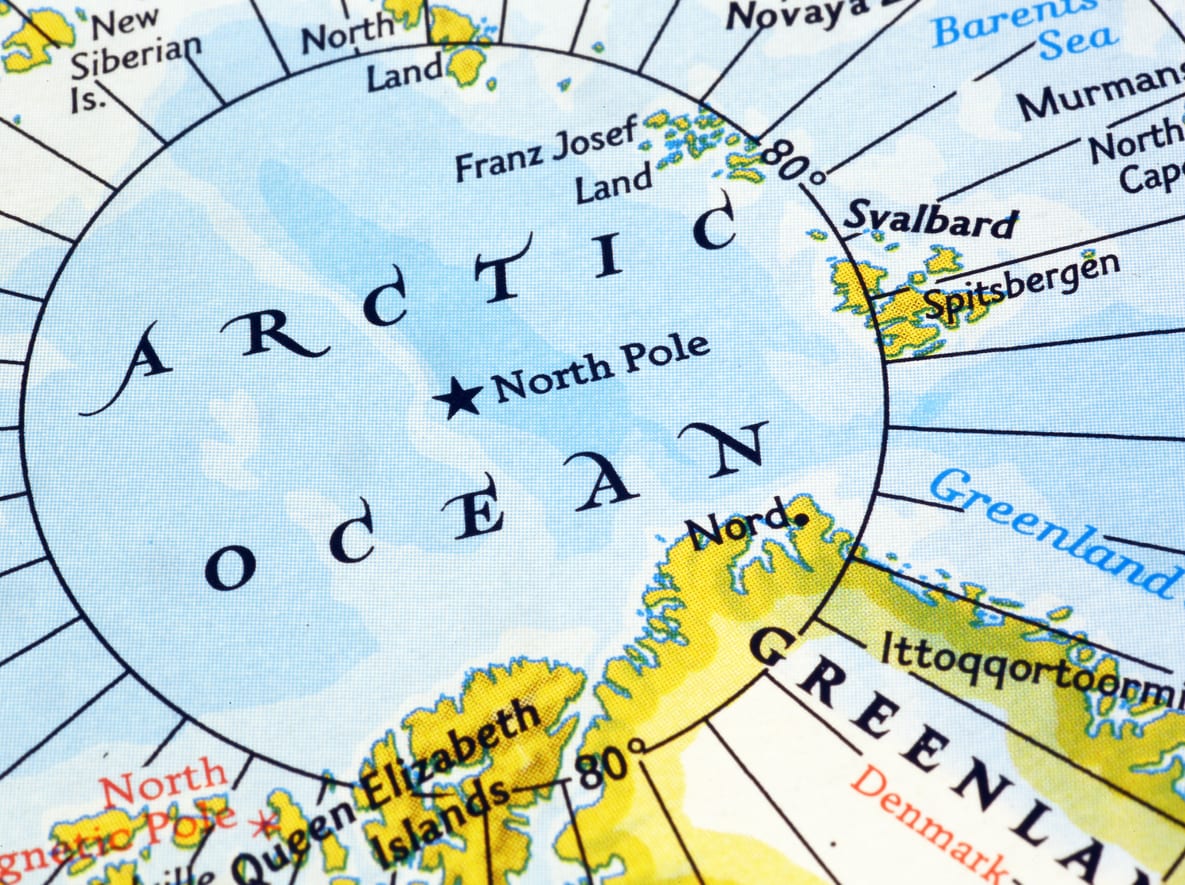
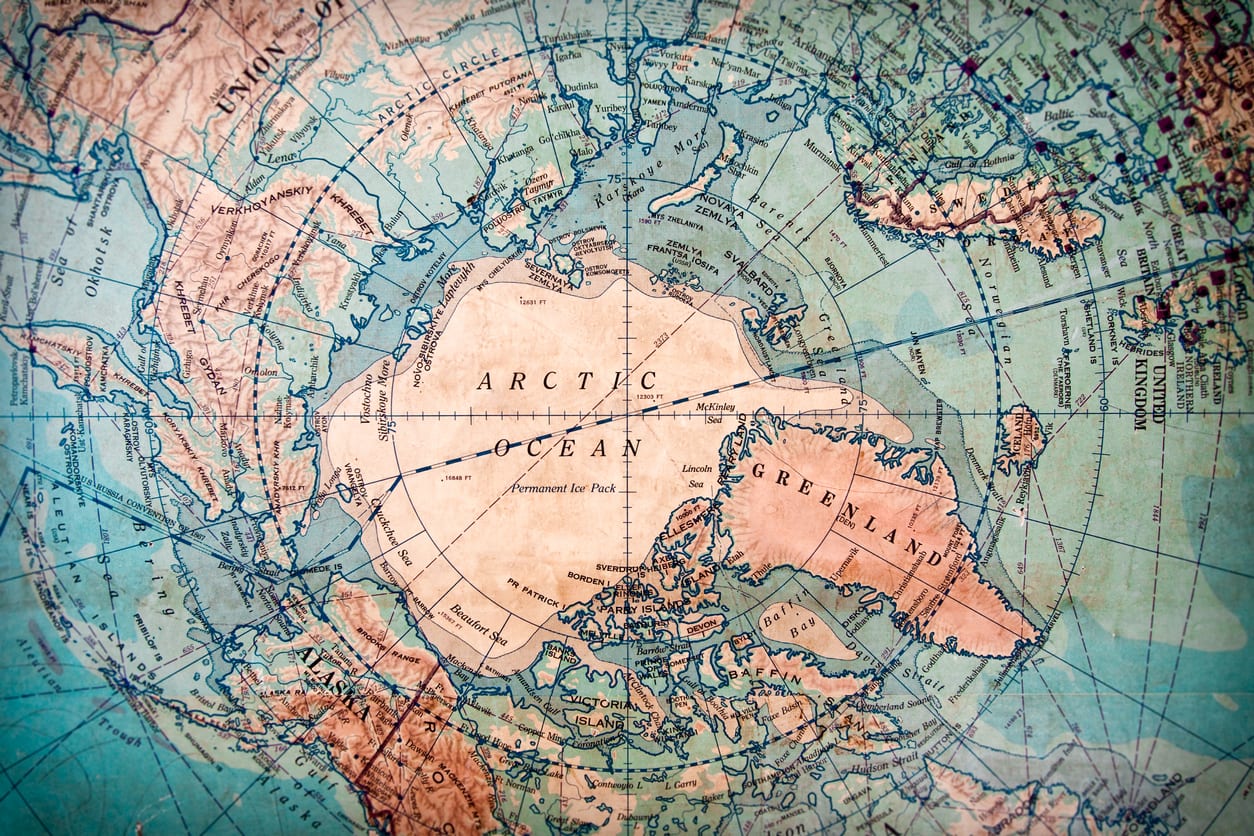
Oceans cover 71% of the Earth’s surface, and geographers take this space and divide into smaller regions of ocean – the smallest of which is the Arctic Ocean.

Small is, of course, relative – it still covers around 5.4 million square miles (around 150% larger than North America).

Image Credit: iStock

It’s located at the polar region of the Northern Hemisphere and is almost completely surrounded by Europe, Asia, and North America.

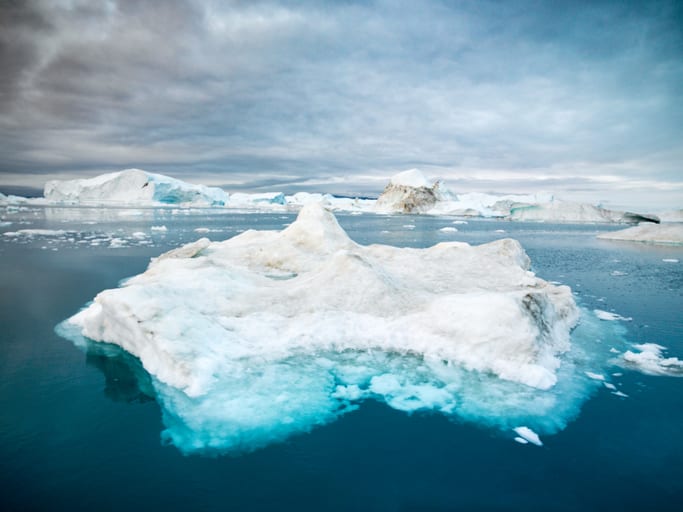
For most of the year it is covered in ice, though as you may have heard, rising temperatures are melting it at alarming rates.

Image Credit: iStock

The Arctic ocean is 10x smaller than the Pacific Ocean, and it’s also the shallowest of the world’s oceans, with an average depth of around .65 miles (1.04 kilometers, 3407 feet).

For comparison, the average depth of the world’s oceans as a whole is 2.3 miles (3.7 kilometers, 12,100 feet), and the deepest ranges of the Pacific measure around 6.85 miles (11 kilometers, 36,200 feet) deep.

Image Credit: iStock

The gaps in size and depth have led some scientists to suggest reclassifying it as a sea, or simply including it as part of the Atlantic Ocean, but for now, it remains the Arctic Ocean.

It’s the sort of thing scientists love arguing over, as is evidenced by the continued debate in including the so-called Southern Ocean (or Antarctic Ocean) as the world’s fifth ocean.

Image Credit: iStock

Not all members of the International Hydrographic Organization (IHO) have officially accepted the parameters of that “new” ocean, but listen…it’s all one ocean.

*hums We are the World*

The post Check Out the Smallest Ocean in the World. It’s Also the Most Shallow. appeared first on UberFacts.

Interesting Science Experiments That Happened Totally by Accident

Ever since Breaking Bad made science cool again, the internet can’t get enough homegrown science experiments.

What’s even more thrilling is when science happens irl without any real reason, rhyme, or planning.

Especially when they’re less volatile than Coke and Mentos volcanoes.

Here are 14 mildly interesting science experiments that happened in real life completely by accident.

1. At-home jewelry

I’m going to start buying marbles in bulk instead of browsing Tiffany & Co.

This is what happens when you heat an ordinary marble over a flame then immediately drop it into cold water from mildlyinteresting

2. This perfectly polished coconut

Ever seen something so orb-like before?

This is what happens when you polish a coconut from mildlyinteresting

3. Primary colors!

Ugh, it’s just so pretty.

What happens when you put M&Ms in a dish of water. Diffusion force barriers from mildlyinteresting

4. When lightning strikes

That’s a seriously sick pattern.

This Is What Happens When Lightning Strikes A Flag On A Golf Course from interestingasfuck

5. Editing inception

Taking a negative of a negative feels like you’re diving into some crazy alternate universe.

This is what happens if you take a negative picture of a negative screen. from mildlyinteresting

6. Extreme cooking

Cooking under bitingly cold conditions certainly presents its challenges.

This is what happens to food in Antartica at -94°F/-70°C from interestingasfuck

7. Now that’s what I call optics

Look at how the light bends!

Apparently this is what happens when light passes through the blinds and hits my trash can… from mildlyinteresting

8. So inky

This is real art.

What happens when wood is burnt with high voltage from mildlyinteresting

9. Well, this one makes sense

Gummy bears melt – who knew?

this is what happens when you leave a pack of gummy bears in an 105 degree car. from mildlyinteresting

10. I’m scared

They’re going to come after us. With the amount of french fries we’ve all eaten, no one is safe.

What happens when you leave potatoes in the cellar for 6 months from mildlyinteresting

11. A perfect beat

This queen did a real good job.

A friend of mine is a drag queen. This is what happened last night when he took off his makeup. from mildlyinteresting

12. This new kind of ice art

Who needs a swan sculpture when you could have this?

What happens when water freezes on a spinning wheel. from mildlyinteresting

13. Goth McDonalds

I’m so ready for this gothic upgrade. Make this my next order. Even if it tastes bad.

This is what happens when you microwave McDonalds fries for 30 minutes (instead of 30 seconds). from mildlyinteresting

14. A vintage tomato

This is probably what food is supposed to look like.

Modern tomato vs one grown from 150yo seeds from mildlyinteresting

Well, that was kind of cool! Looks like science is happening all around us – all the time.

What’s your favorite accidental science experiment? Share with us in the comments below!

The post Interesting Science Experiments That Happened Totally by Accident appeared first on UberFacts.

A Veterinarian Weighs in on What Items to Avoid at Pet Stores

If you’ve ever had a pet, you know there are an overwhelming amount of choices when you walk through a pet store. Toys, supplies, supplements, training, leashes, food…the list goes on and on, and honestly, most of it can feel superfluous.

I mean, people had dogs and cats and birds centuries ago, and I doubt they had this many options.

So, if you’re wondering what exactly your pet needs – and not only that, what items could actually be harmful to your pet once they’re in your home, this veterinarian has a few thoughts.

Image Credit: TikTok

The main points of advice from Dr. Hunter Finn’s first video were mostly treats and chews to avoid.

First up, rawhides with double layered ends – apparently they are choking hazards.

Image Credit: TikTok

I definitely am guilty of buying these!

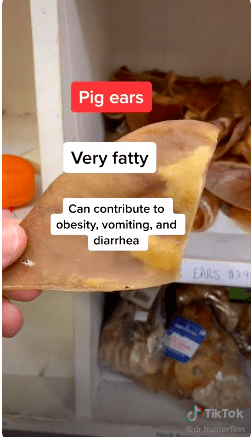
Next, he says to avoid fatty treats like pig’s ears, because they can upset doggie tums, and in rare but serious cases, can cause pancreatitis.

Image Credit: TikTok

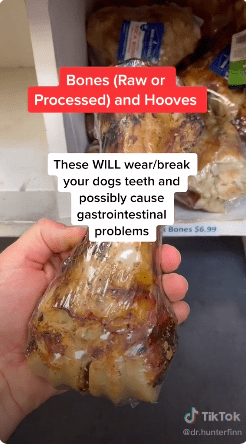
Dr. Finn also says that both raw and cooked bones can break teeth and cause intestinal issues, as well, so it’s best to avoid them.

Image Credit: TikTok

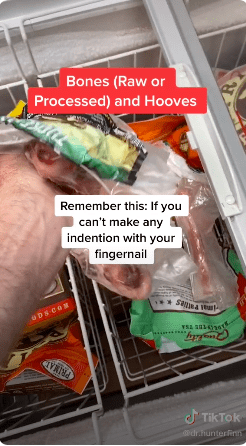
His advice is that if you can’t easily make an indent with a fingernail, it’s too hard.

Image Credit: TikTok

Jerky treats, especially those that originate outside of the US, can also contribute to renal disease in pets.

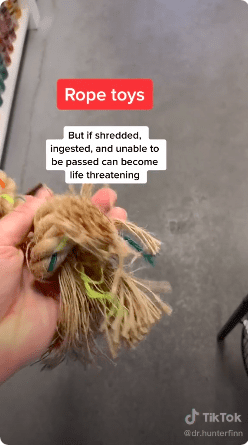
When it comes to cats, Dr. Finn says to avoid giving them stringy toys when you’re not able to supervise, since they can get lodged and tangled in cats’ digestive tracts easily.

Image Credit: TikTok

If you’re wondering what dental treats would have the best shot at actually combatting your dog’s (or cat’s) terrible breath, Dr. Finn says to check the packaging for the VOHC (Veterinary Oral Health Council) stamp, and buy accordingly.

@dr.hunterfinn

#petsoftiktok #veterinarian #vettech #veterinarylife I’m on vacation, but promise to make more videos if y’all like these. Cats next.

♬ Send Me on My Way – Guy Meets Girl

Our pets are family, after all, so you can’t be too careful.

Make sure you’re following Dr. Hunter Finn on TikTok for more tips and tricks for the future!

The post A Veterinarian Weighs in on What Items to Avoid at Pet Stores appeared first on UberFacts.

15 Times Men Got Female Biology Very, Very Wrong

I have some excellent AND terrible news for you.

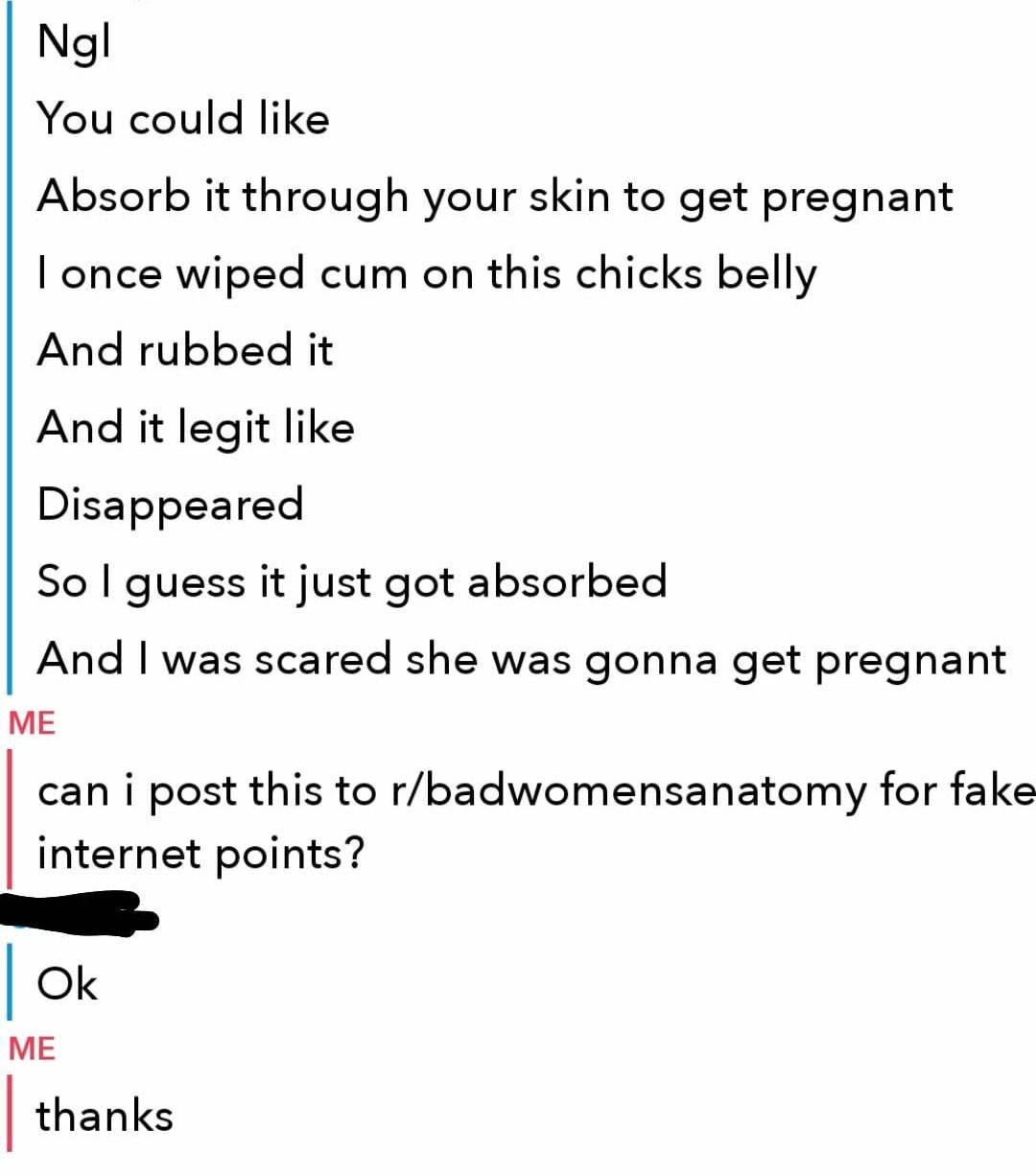
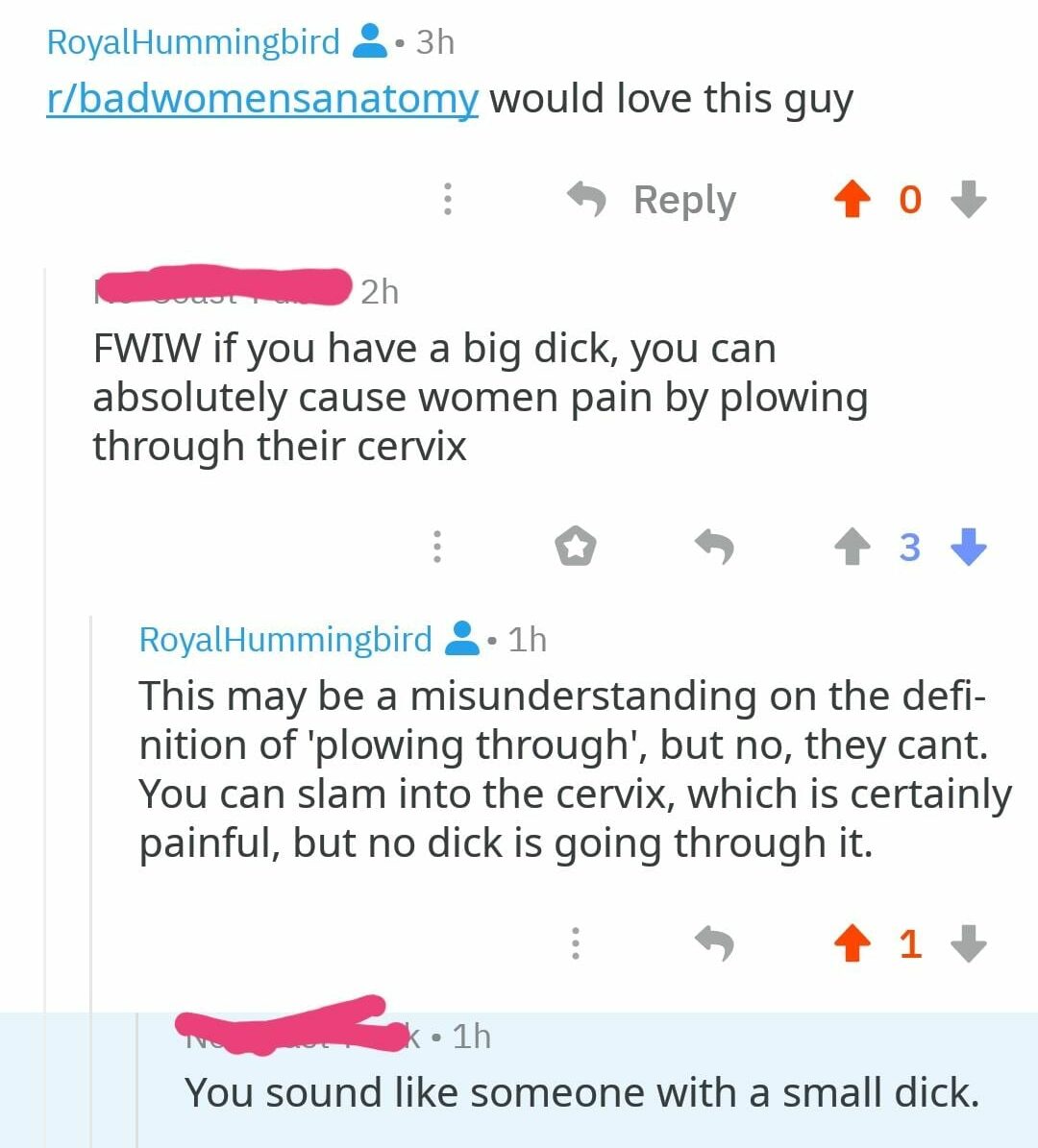
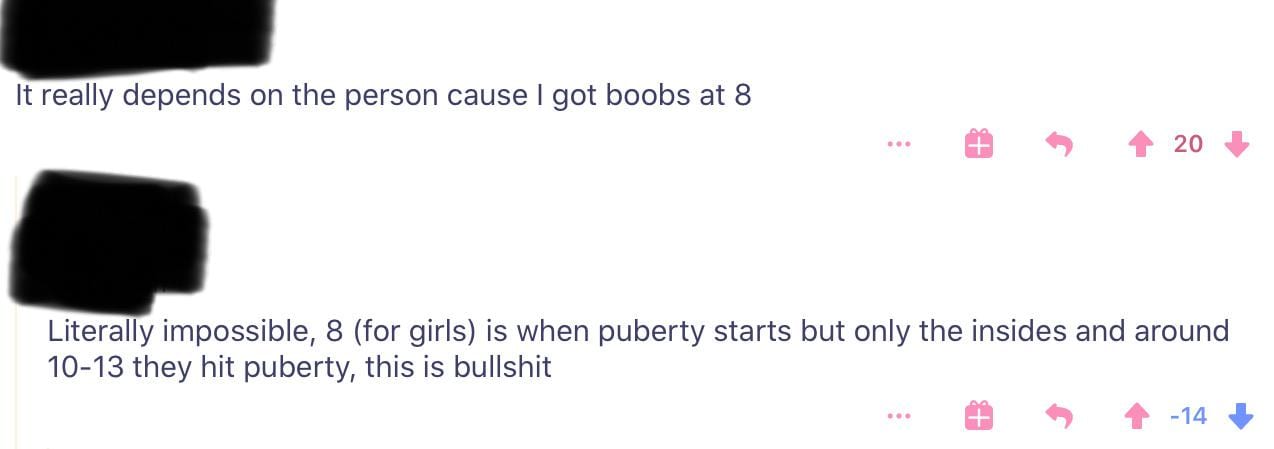
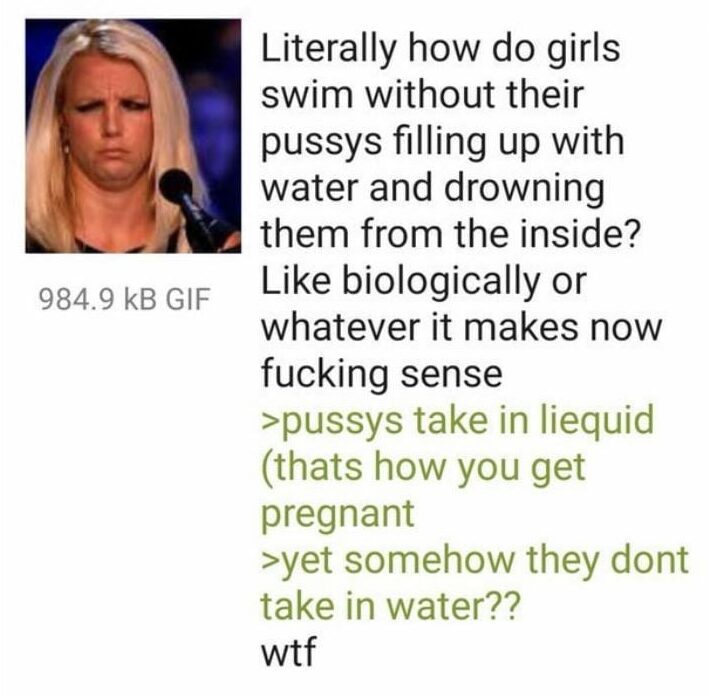
There is a full subreddit dedicated to men (and occasionally others) just being horrifyingly wrong about how female anatomy and biology works. It’s amazing. It’s horrifying. It’s something you won’t be able to look away from.

Here are just a few examples.

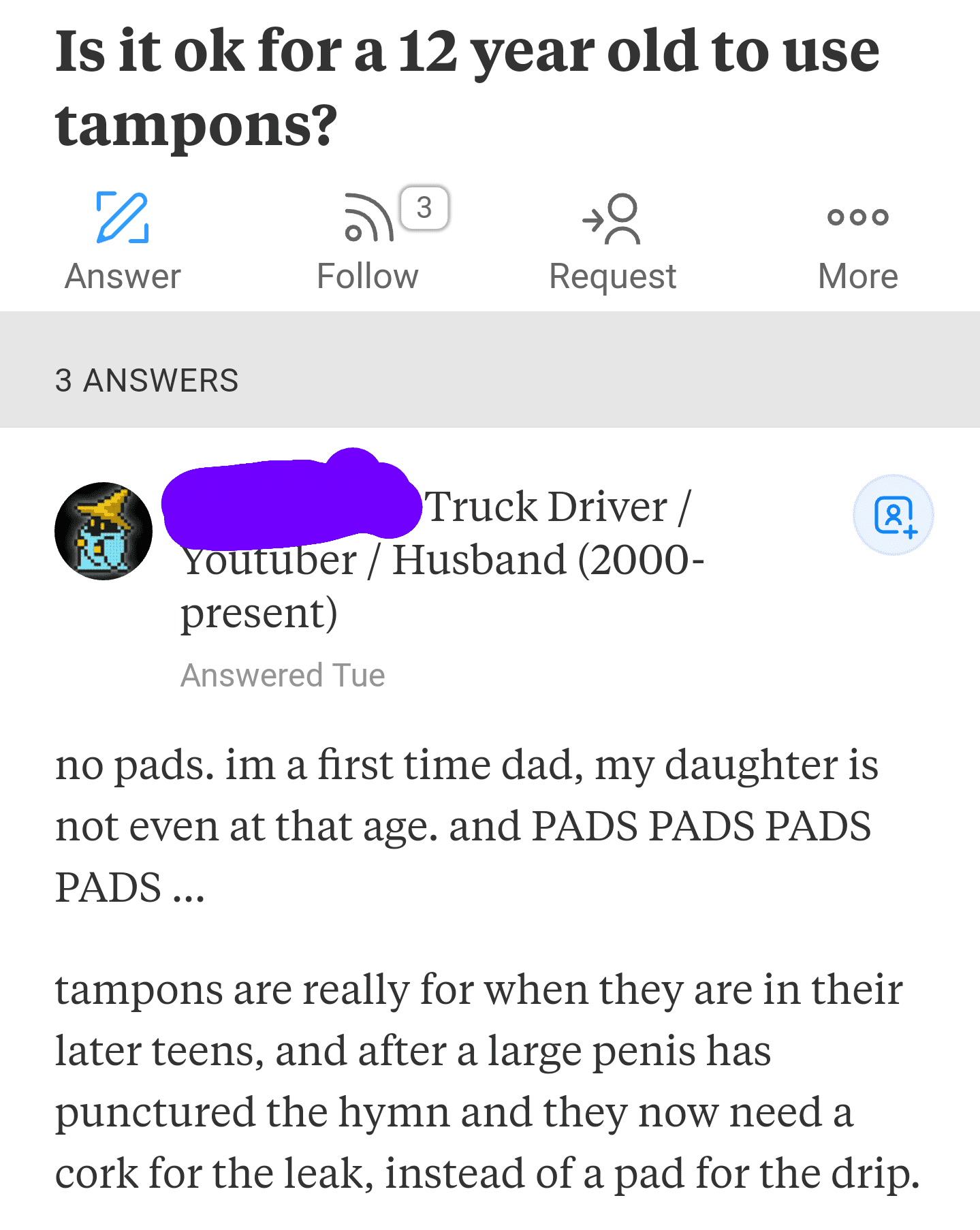
15. Padding the question

I…refuse to comment on this one.

14. Common knowledge

Only women have genitals, men have penises, you should know this by now.

13. Full stop

Not sure that’s how it works.

12. Spilling ink

I hope you thought this when you were like 3, otherwise I’m concerned.

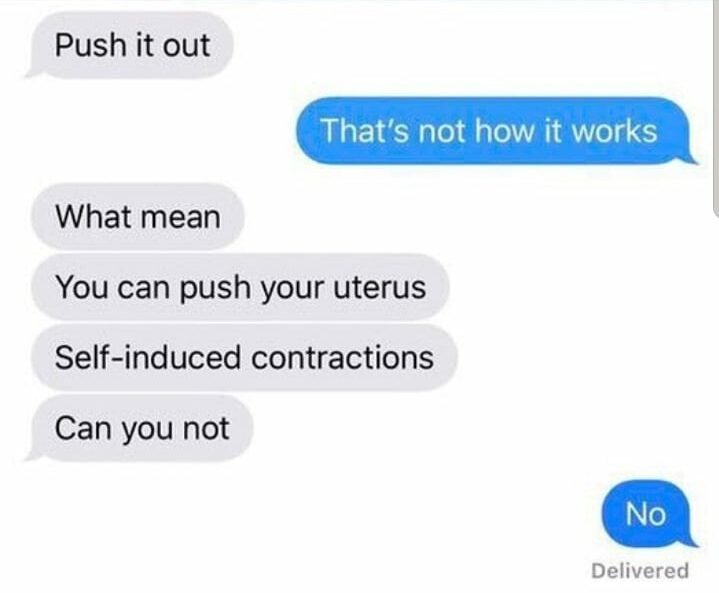
11. Push it to the limit

“Can you not?”

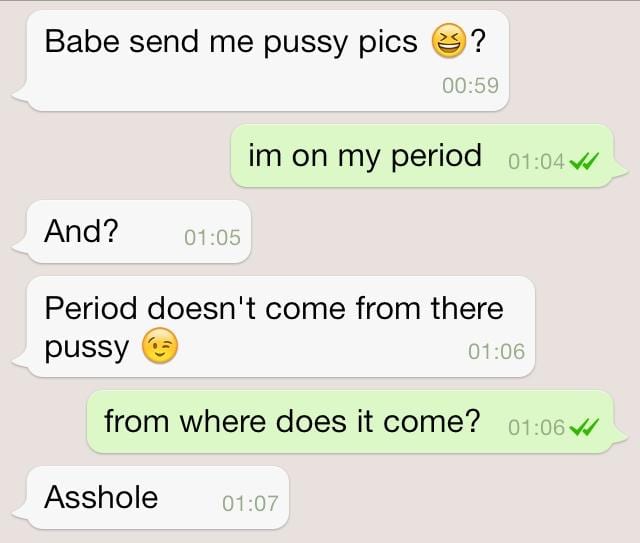
10. Know where I’m coming from?

When the stupidity meets the audacity.

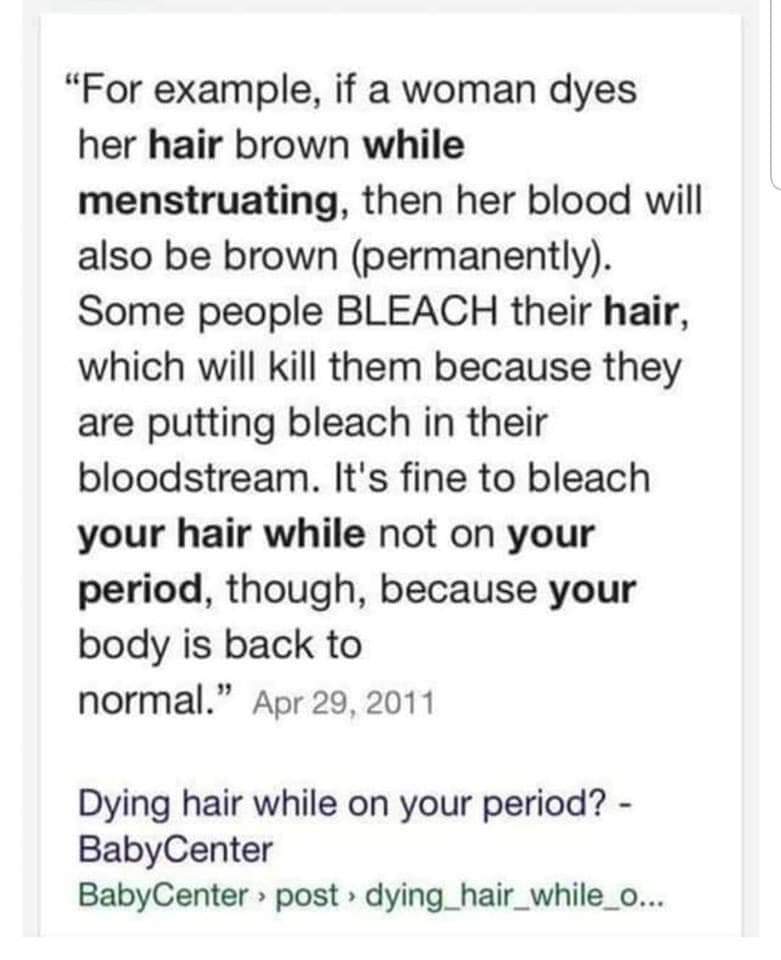
9. Trickle down effects

Was this written by a 12th century monk?

8. Rub one out

I once rubbed some water with a towel and it like…disappeared into the floor.

7. BDE

The very smallest, in fact.

6. Only the insides

Trust me, I’m a doctor probably.

5. My number one problem

It’s amazing when they get corrected and still insist they know more about a body they don’t have than people who have it.

4. Water you talking about?

Your mouth takes in liquid and it’s still alive, for some reason.

3. Stop being gross

Sounds like you’ve got some deeper issues to work through, my dude.

2. F*** the system

Um, isn’t she sleeping with you, man?

1. All in time

I had to fully stop and walk away from the computer for a minute.

I don’t know what to conclude from any of that except that our sex ed system is CLEARLY in desperate need of repair.

Has anyone said this kind of thing to you before?

Tell us in the comments.

The post 15 Times Men Got Female Biology Very, Very Wrong appeared first on UberFacts.

Real Things That Totally Look Like Glitches in the Universe

Sometimes, you see something that just doesn’t make sense. Instead of trying to rationalize the irrational, it’s often better to just accept things as they are and roll with them.

There are abnormalities in our realities that we cannot even begin to understand – like UFOs and people who still wear Ed Hardy t-shirts.

Here are 14 things in real life that seem like glitches in the universe.

1. You’ve heard of upside down cakes, now here’s…

An upside down house. At least I can finally fulfill my Alice in Wonderland fantasy.

This upside-down house. from mildlyinteresting

2. A real biological phenomenon

Take a look at this super rare albino sea turtle. Animals really are out of this world.

An albino turlte I saw on my vacation in Sri Lanka from mildlyinteresting

3. From a bygone era

Here’s a grocery store that used to be a theatre – for those of us who love sad, dystopian nostalgia.

Supermarket in Venice used to be a theatre from mildlyinteresting

4. Well, I guess everybody does it

Feel like an actual alien in this London restaurant’s space-themed bathroom, complete with a flying saucer and toilet pods.

These “toilet pods” are the restroom at a London restaurant from mildlyinteresting

5. In all shapes and sizes

This little door in the woods is perfect for any talking dormice looking for prime real estate.

This tree has a tiny door built into it. from mildlyinteresting

6. That’s a lot of power

I guess a giant outlet must be useful for something.

This power company has a giant plug and socket on it from mildlyinteresting

7. A true hybrid

Which recycling bin are you supposed to put this in?

This sparkling water is in a plastic bottle with an aluminum top from mildlyinteresting

8. I think I’ll pass

Nature, you’re beautiful – but you’re also seriously terrifying. This looks like my candy-coated nightmare.

Beautiful Elephant Hawk Moth found in my garden, UK from mildlyinteresting

9. They’re real!

Only 0.0000005% of lobsters are blue. This jewel-toned crustacean was caught in Nova Scotia and promptly put back into the ocean.

Blue lobster caught in St. George’s Bay, Nova Scotia from mildlyinteresting

10. In a world where the 50’s never ended

This looks like something out of the Bioshock universe.

Buffalo wing soda. from mildlyinteresting

11. A multi-purpose business

If only the car wash this drive-thru is in was still functioning – then we could really knock out two birds with one stone.

This fast food drive thru used to be a car wash. from mildlyinteresting

12. Could you say that again?

These signs are in a Coast Salish language, native to the indigenous folks of the Pacific Northwest.

Stop sign on the Musqueam reserve in Vancouver, BC from mildlyinteresting

13. Speed racing in Antarctica

This tunnel in Norway makes you feel like you’re driving through giant glacier.

This roundabout in the middle of a long tunnel in Norway. from mildlyinteresting

14. It’s a pretty patty!

Don’t get it twisted – this burger’s designer.

This blue hamburger from mildlyinteresting

If that last one is blue raspberry flavored, I’m totally down. Still not totally sold on the buffalo wing-flavored soda.

What do you think of these real life glitches in the universe? Are they amazing or totally off-putting?

Share with us in the comments below!

The post Real Things That Totally Look Like Glitches in the Universe appeared first on UberFacts.
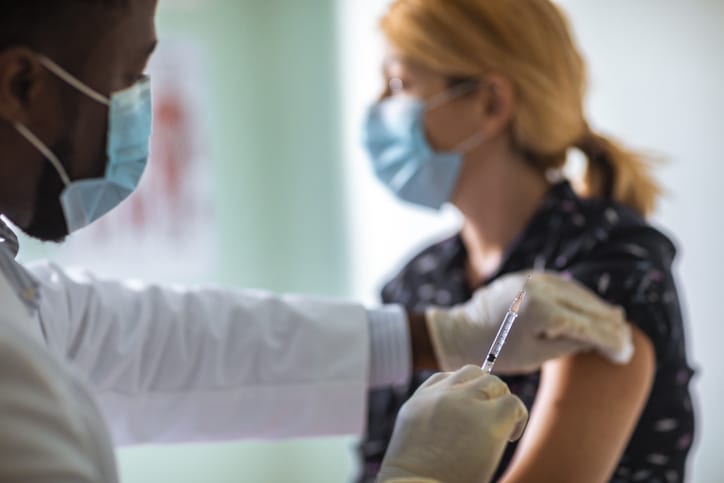
This is Why the Flu Shot Makes Your Arm Hurt

It’s almost time to get your flu shot!

Shots aren’t a fun thing for anyone, and convincing your kids to go with you and sit willingly to be stabbed is even less fun than undergoing the stick yourself.

To add insult to injury, it’s not over and done with in a few seconds, as promised, either – for many of us, the injection site can be tender and achy for a few days afterward.

Image Credit: iStock

According to experts, though, the pain is a good thing – a sign that the vaccination is working – but what makes it hurt?

The vaccine works by injecting an antigen – in this case a dead, deactivated virus that’s similar to the flu – into your body. It “primes” your immune system cells so that they will activate if and when they encounter that foreign substance again.

You can’t get sick from the dead virus; it’s only goal is to sensitize your immune system to potential threats in the future.

Image Credit: iStock

Whenever a foreign “threat” shows up, your immune system also releases mediators like histamine, which can cause inflammation around an area of concern. The inflammation helps your body fight invaders and repairs damaged tissue, but as anyone who has ever gotten a bad bug bite or had an allergic reaction like hives knows, histamine responses can also cause soreness.

If your body responds to the shot with histamine, the site of the shot – usually your upper arm – could be sore for a couple of days.

Immunologist Richard Zimmerman told Popular Science that about 1 in 5 people have a painful reaction, and if it happens to you, some ibuprofen before the shot, and an ice pack afterward, should alleviate the discomfort.

It could also help to move your arm around after you get the shot, to diffuse the vaccine, and also to ask for the shot to be given in your non-dominant arm.

Image Credit: iStock

Definitely don’t let the pain stop you, though, because if you’ve ever gotten the flu, you know for sure you don’t want to do that again.

You’ll help contribute to herd immunity, too, which helps protect higher-risk population, so that makes you a low-key superhero, really.

Worth a few days of soreness, if you ask me!

The post This is Why the Flu Shot Makes Your Arm Hurt appeared first on UberFacts.
Research Shows That Microplastics Exist in All of Our Organs

You’ve probably heard about microplastics being present in the atmosphere, in the ocean, in our food, and even in the rain that splatters us on a cooler autumn day. It’s disturbing, and proof of how much of an effect our lifestyle has on our world, even if scientists don’t really know bad it could be for humans in the long run.

Recently, though, a study of cadavers has revealed that the tiny, microscopic plastics can also be found embedded in every last one of our organs.

Image Credit: iStock

The question of how dangerous these things could be, then, becomes even more relevant.

The study was conducted by two University of Arizona PhD students. In it, they examined 47 organ samples, including ones from lungs, livers, spleens, and kidneys that were obtained from a tissue bank that studies neurodegenerative disease.

The samples were put through a mass spectrometer, and every last one of them contained microplastics.

Dozens of different types of plastic were detected, with the most worrying types being polycarbonate (PC), polyethylene terephthalate (PET), polyethylene (PE), and Bisphenol A (BPA).

A 2011 study published by NCBI found that all plastic materials contain harmful chemicals, though, and can lead to poor health outcomes like cancer, birth defects, reproductive issues, and the like across the board.

Image Credit: iStock

47 organs is a small sample size, but given that every single organ contained the microplastics, and it’s the first study to provide evidence that they can build up in our bodies, it’s still important.

A 2019 WWF study found that the average human potentially eats arou

nd 2,000 microplastics every single week, and another recent study found about 1,000 tons of them rain down on national parks annually, so it’s not a surprise that they’re floating around inside our bodies.

That said, proof that they’re building up in our organs remains concerning.

Charles Rolsky, a co-author on the new study, made this statement.

“You can find plastics contaminating the environment at virtually every location on the globe, and in a few short decades, we’ve gone from seeing plastic as a wonderful benefit to considering it a threat.

There’s evidence that plastic is making its way into our bodies, but very few studies have looked for it there.

And at this point, we don’t know whether this plastic is just a nuisance or whether it represents a human health hazard.”

The truth is, we have much to learn about these plastics, and how they might affect our bodies going forward.

Image Credit: iStock

The team behind this current study has plans to continue researching potential long term health effects.

Varun Kelkar, another co-author, continued his statement:

“We never want to be alarmist, but it is concerning that these non-biodegradable materials that are present everywhere can enter and accumulate in human tissues, and we don’t know the possible health effects.

Once we get a better idea of what’s in the tissues, we can conduct epidemiological studies to assess human health outcomes. That way, we can start to understand the potential health risks, if any.”

Which is all to say, don’t panic yet, because we don’t have all of the facts.

But also, there’s nothing you can do about it anyway.

The post Research Shows That Microplastics Exist in All of Our Organs appeared first on UberFacts.
This is What Happens When You Drink Saltwater (Pssst: Don’t!)

We’re taught not to drink the water in the ocean. It’s not the same as other water, though our parents rarely explain why beyond telling us “it will make you sick.”

We read horrifying stories about disasters at sea, where men and women are stuck without food or water, and eventually succumb to the lure of seawater, only to make things worse.

Why is drinking it so bad for us, though, and what happens to our bodies when we do?

Image Credit: iStock

You might think it’s counterintuitive, this avoiding of saltwater, since our bodies contain – and depend on – both salt and water to function.

Water is a universal solvent and is essential in helping us metabolize food, use our muscles, pump blood, and even for brain function. Salt is necessary for those same chemical reactions to take place.

That said, you likely already know that consuming too much salt is not so great for our bodies. It can lead to issues like high cholesterol levels, and our bodies need to stay under a salinity of 9 in order to function properly – that means for every 1000 grams of fluid we consume, we need 9 grams of salt.
Saltwater is a hypertonic fluid, which means it contains more salt than our blood, with a salinity of 35 – and it throws our body’s coping mechanisms completely out of whack.

Image Credit: iStock

Our cells have membranes that prevent salt from wandering into them unwanted, and although our bodies can use built-in mechanisms like these to an extent, they struggle with extremely high concentrations of salt.

When those concentrations are higher on the outsides of our cells than on the inside, water movies outside, too, trying to correct the imbalance. That leaves your cells devoid of water on the inside, and that’s never a good thing.

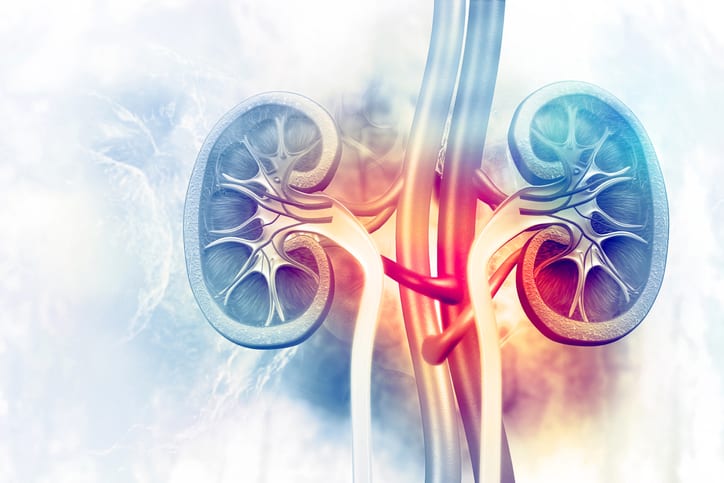
This process, called osmosis, can be disastrous in the case of consuming seawater. Our cells will shrink, and to correct that problem, our kidneys start to excrete the excess sodium in our urine.

The kidneys can only produce urine slightly less salty than saltwater, though, so they start making us pee more and more in order to keep up, dehydrating us in the process.

Image Credit: iStock

Basically, you’re peeing out more water than you’re taking in, which means you’ll only get more thirsty, not less, if you give into the temptation of drinking saltwater.

Not only that, but the body compensates for fluid loss in other ways, too – increasing your heart rate, constricting blood vessels in an attempt to maintain pressure and flow, nausea, weakness, and delirium that can lead to more bad decisions.

If you’re not able to consume fresh water in a short amount of time, the result will be organ failure and ultimately, death.

So, if you find yourself marooned or adrift at sea, resist the temptation and wait for rain.

Please.

The post This is What Happens When You Drink Saltwater (Pssst: Don’t!) appeared first on UberFacts.