Remember the “Dad Wagon?” It’s Making a Trendy Comeback

Fashion/trendiness is whatever looks great today, will look ridiculous in 10 years, and become “vintage cool” in 20 years.

It’s a tale as old as time. Whether it’s clothes, music, or cars, it seems that what is old will always become new again given enough time.

Take the Buick Roadmaster Estate Wagon, for example. Popularly dubbed the “Dad Wagon,” it was the subject of a lot of ridicule when it first came out… and for many, many years after.

Well, these babies are back on the road – thanks largely to millennials who are quite obviously digging them in a major way.

Hagerty Insurance reported an almost 50% increase in quotes for the vintage Buicks from 2017 to 2018, meaning that the Roadmaster Estate Wagon was the most requested car by 14 percentage points.

What??

The Roadmaster Estate Wagons were produced by Buick from 1991 until 1996, and they just scream 1990s style, don’t they? The Roadmaster Wagons are a whopping 18 feet long, can seat 8 people, and feature a sunroof, which we all need in our lives. But there’s another reason why these vehicles are appealing: under the hood is a 5.7-liter LT1 V8 engine that has 260 horsepower. That engine, by the way, is the same kind used in Corvettes, Camaros, and Firebird Trans-AMs.

The price tag is nice as well. The average listing price for a Roadmaster Wagon in the Kelley Blue Book is $2,990. Not bad, not bad at all.

Jonathan Klinger, a spokesperson for Hagerty, said, “It’s a fun way to stand out for not a whole lot of money. It’s like driving a couch down the road: Big comfy seats that lack any sort of real driver-oriented support, but they’re just cushy and comfortable. And with the V-8 engine, it’s got a little bit of sleeper status to it.”

What do you think? Are you going to run out and get your hands on one of these vintage beauties?

The post Remember the “Dad Wagon?” It’s Making a Trendy Comeback appeared first on UberFacts.

Amsterdam Enacts a Ban on All Gas and Diesel Vehicles

Pollution is the global issue of our time, and around the world more and more cities are trying to take measures to reduce their carbon impact.

Most recently, the city of Amsterdam has taken a MAJOR step towards cleaner air: the Dutch city has announced that it is planning to phase out all gas and diesel vehicles by 2030.

Amsterdam’s traffic councillor recently said, “Pollution often is a silent killer and is one of the greatest health hazards in Amsterdam.” You might be surprised that such a world-renowned bike-friendly city (30% of Dutch commuters travel by bike) has such an awful pollution problem, but air pollution in the Netherlands is worse than European rules permit. This is mainly due to the heavy traffic in Amsterdam and Rotterdam.

The city’s plan is to replace all gas and diesel engines with electric or hydrogen cars, or other emission-free alternatives, by 2030. The plan will begin next year when diesel engines built before 2005 will be banned from Amsterdam. The plan then calls for gradual banning of more vehicles from city streets.

The current levels of nitrogen dioxide and particle matter in Amsterdam’s air can cause respiratory illnesses and shorten life expectancy by more than a year. The city plans to get rid of public buses that run on gas by 2022, to increase the number of electrical charging stations to 23,000 by 2025, and to offer subsidies and special parking permits to encourage residents to make the switch to electric and hydrogen cars sooner than later. We all know how crucial a nice parking spot can be, right?

Hopefully, other cities around the globe will take note – and in fact Brussels, Belgium, is already looking to follow Amsterdam’s lead.

The post Amsterdam Enacts a Ban on All Gas and Diesel Vehicles appeared first on UberFacts.

The largest non-commercial…

The largest non-commercial rocket launch in European history was done for an episode of Top Gear where they tried to send a Reliant Robin into space.

Boston Elementary School Tries Out New, 3D Crosswalk

Young students in Medford, Massachusetts, have come up with a brand new innovation for the area: 3D crosswalks. Not only do they look way cooler than regular ol’ 2D crosswalks, but they also make the intersection safer.

The 3D crosswalk is at the intersection of a parking lot and Allston Street at Brooks Elementary School, and it was two students at the school who came up with the idea. Fourth-grader Isa and fifth-grader Eric worked with their teacher and the Brooks Center for Citizenship and Social Responsibility to make it happen.

Painters added additional shaded shapes around the normal white stripes of the crosswalk, creating an optical illusion for drivers approaching the intersection. Instead of obviously lying flat on the ground, the white lines appear to be blocks on the street, which prompts drivers to slow down and pay more attention.

“It’s been really well received and there’s a lot of excitement about it,” teacher Michael Coates told The Boston Globe.

Posted by Vegamálun GÍH on Monday, September 25, 2017

Boston artist Nate Swain, well-known for his photo murals around the city, designed the crosswalk. Medford plans to install three more of the same crosswalks in the near future, also outside elementary schools.

3D crosswalks are a first for Medford, and for the Boston area in general, but they’re not a brand new concept. They’re also known as “Iceland crosswalks,” as that country started the trend. They also exist in other cities around the world, including Chicago.

The post Boston Elementary School Tries Out New, 3D Crosswalk appeared first on UberFacts.

1981 Cadillac Eldorados were…

1981 Cadillac Eldorados were fitted with a metal plate under the driver’s seat to fix a balancing problem. This saved mob associate Frank Rosenthal‘s life when the plate shielded him from the force of a car bomb exploding under his Eldorado.

Here’s Why You Should Reconsider Heating up Your Car in Cold Weather

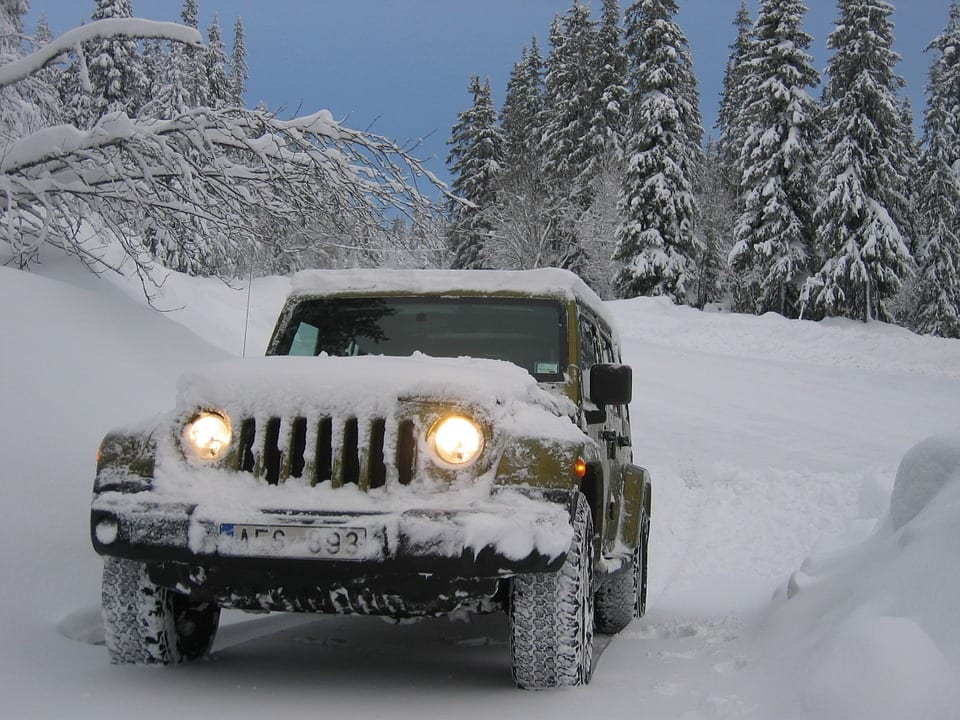
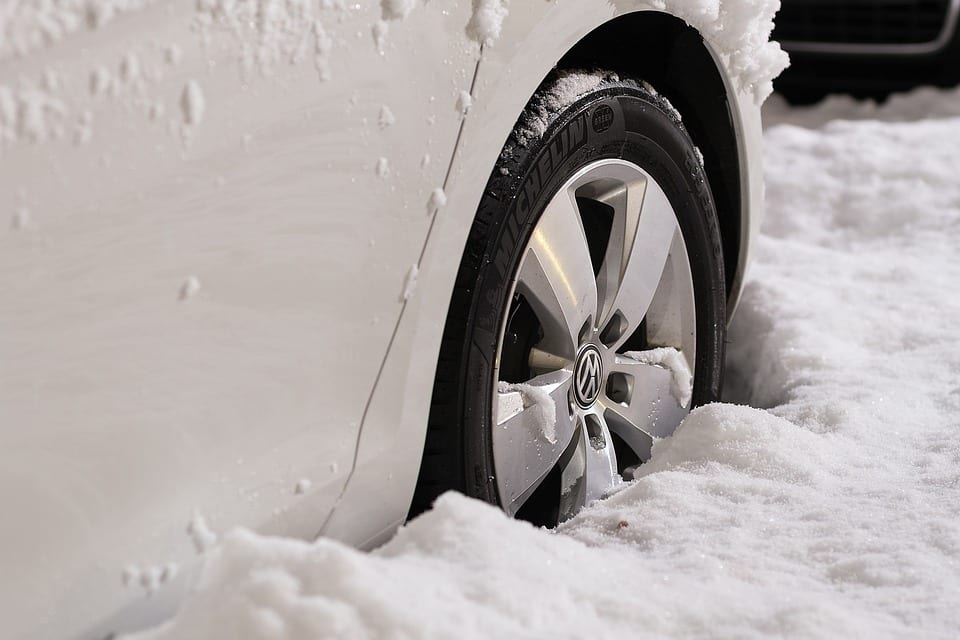
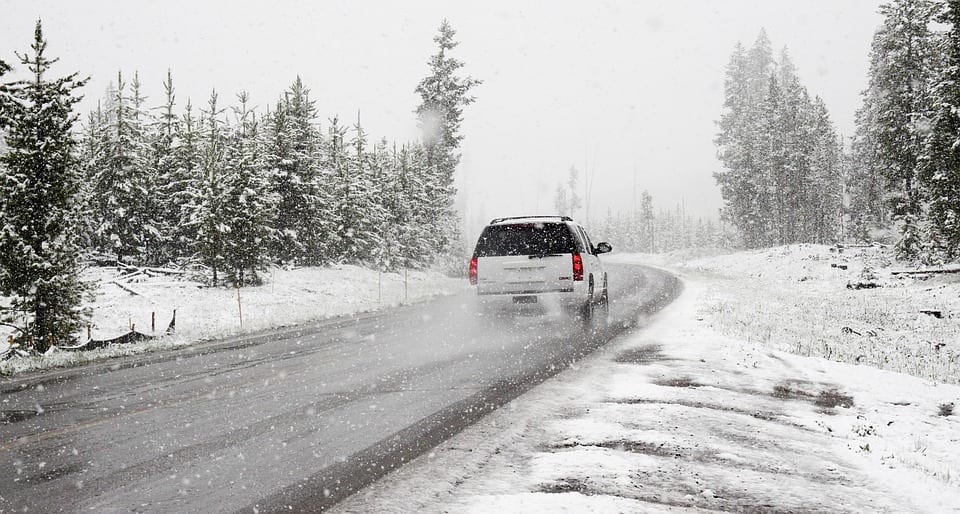
For those of us in the United States, this year has been a particularly cold, wet winter. As I write this, there’s a major snowstorm blanketing the East Coast, and seasoned natives of these cold parts know that warming up your car is an important step for keeping your car running smoothly throughout the winter. A 2009 study showed that most Americans believe that, when temperatures drop to below freezing, you should let your car idle for at least 4 minutes before driving off.

Unfortunately, it turns out there are several reasons why starting your car up and letting it run isn’t the best idea. Read on to find out why you shouldn’t make it a habit.

Photo Credit: Pixabay

According to Stephen Ciatti (whose credentials include drag racing and a PhD in mechanical engineering), newer model cars don’t need to idle to “warm up,” and the practice can actually lead to a shorter lifespan for your engine.

Older car models relied on carburetors, and frigid weather did pose a threat to their performance because the cold temperatures made the gasoline less likely to evaporate. That could lead to carburetors failing to get the right mixture of air and fuel to the engine, which could cause cars to stall out.

Photo Credit: Pixabay

Since the 1980s, however, most cars have been made with electronic fuel injection. That means your car is aware of the colder temperatures and can adjust automatically by introducing more gasoline to compensate. So if you let your newer engine idle, you’re subjecting your engine to more gasoline-rich fuel than necessary. That could lead to trouble, says Ciatti.

“Gasoline is an outstanding solvent and it can actually wash oil off the combustion chamber’s walls if you run it in the cold idle conditions for an extended period of time and can have a detrimental effect on the lubrication and life of things like piston rings and cylinder liners.”

Photo Credit: Pixabay

Once your engine reaches a temperature of around 40 degrees, the car switches back to its usual fuel mixture, but “warming it up” doesn’t help it reach that point any faster. The fastest way to heat up your engine is to just drive.

Bundle up, though, because it will take your engine between 5 and 15 minutes to climb to a normal temperature from the time you hit the gas.

Spring is coming though, y’all. The groundhog says so.

The post Here’s Why You Should Reconsider Heating up Your Car in Cold Weather appeared first on UberFacts.

About 1/3 of new cars no longer…

About 1/3 of new cars no longer come with a spare tire. While some have run-flat tires, having no spare tires decreases weight and increases fuel economy and also quietly saves car companies millions of dollars a year. 00