It’s coming up on pothole-fixing season, friends. I suppose this is superior to pothole-making season (winter and early spring) but honestly, all of our lives and cars and pocketbooks would be better off if there were no potholes at all.
Maybe the key to preventing potholes is knowing how they get there in the first place (it’s worth a shot, right?) but even if it’s not, knowledge is never a bad thing.
So, without further ado, here’s what makes those annoying, broken spots in the road over the winter.
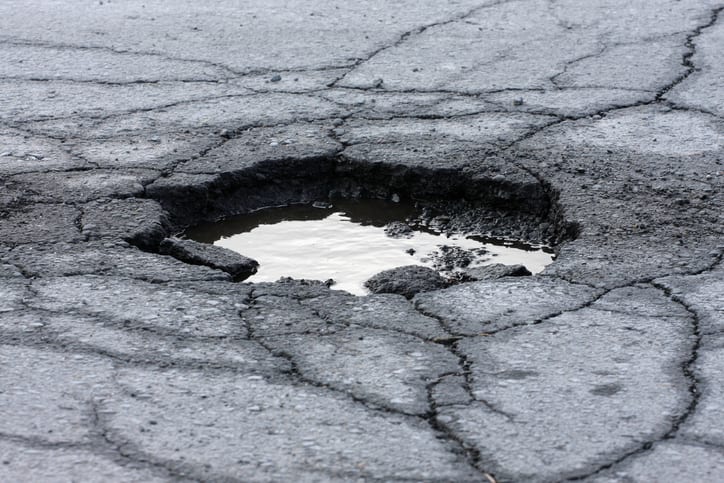
Potholes happen when water seeps into the rock, gravel, and soil that sits underneath the asphalt on the road and then freezes, which is why they’re most common in the winter and early spring.
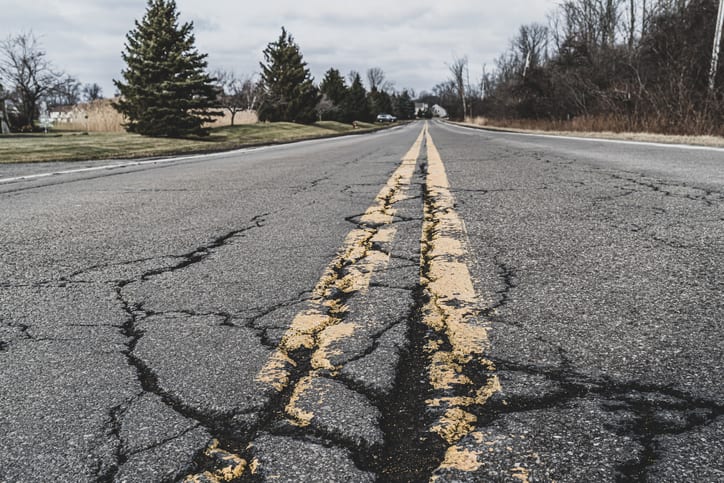
Once frozen the water expands, pushing up against the pavement, weakening the asphalt until the pressure finally cracks it, allowing the water to seep toward the surface. Along the way it will freeze and then thaw several more times, leaving gaps and voids and more cracking.
This weakening is further exacerbated by the constant traffic putting pressure on the pavement from the top, which pushes asphalt back into the gaps created by a melting cycle in the ice.
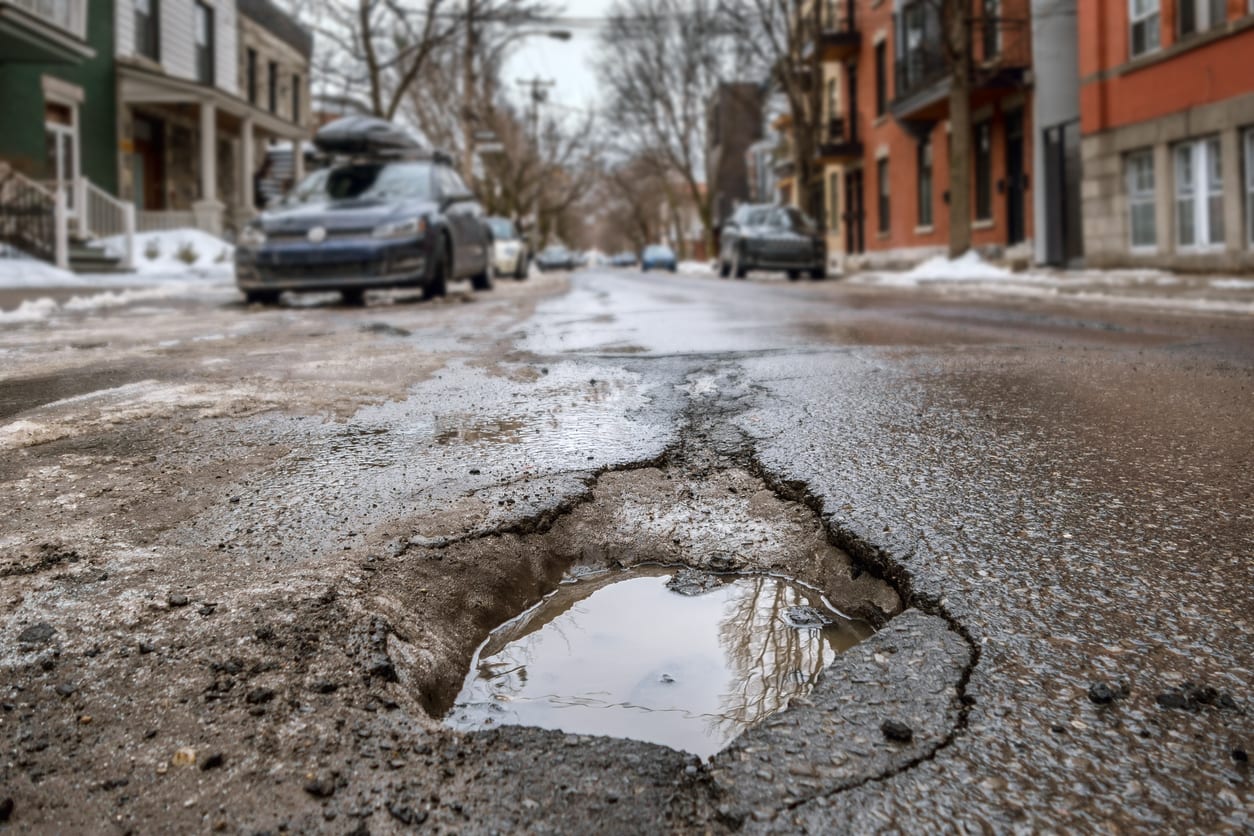
The result is a hole, sometimes the size of a crater, always willing to make you spill your coffee on the way to the office in the morning.
Potholes cause damage to car tires by puncturing them or bending the rims, and can also knock your alignment out of whack fairly quickly. Make sure you’re paying attention, that you keep space between you and the car in front of you, and slowing down if you can’t avoid running through one.
In a world where everyone is looking for the next best source of renewable energy, I doubt most of us considered that we might be staring at a decent one in the mirror every day.
That’s exactly what scientists are saying is possible though – that we might be able to power things like pacemakers, insulin pumps, etc. using the body heat we’re already generating on a daily basis.
They think that a small gadget, the same size and shape as a typical smartwatch or even a ring, could turn your body’s electricity into a battery.
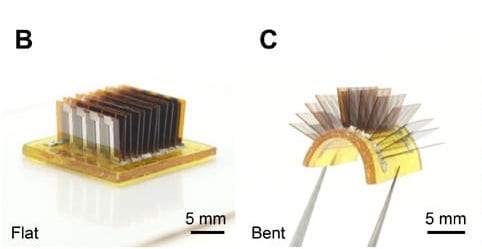
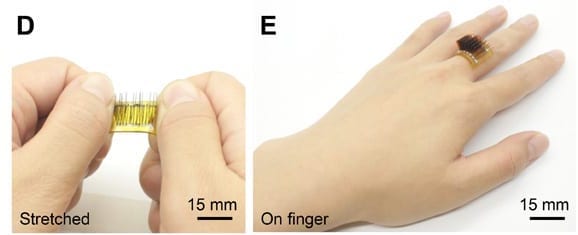
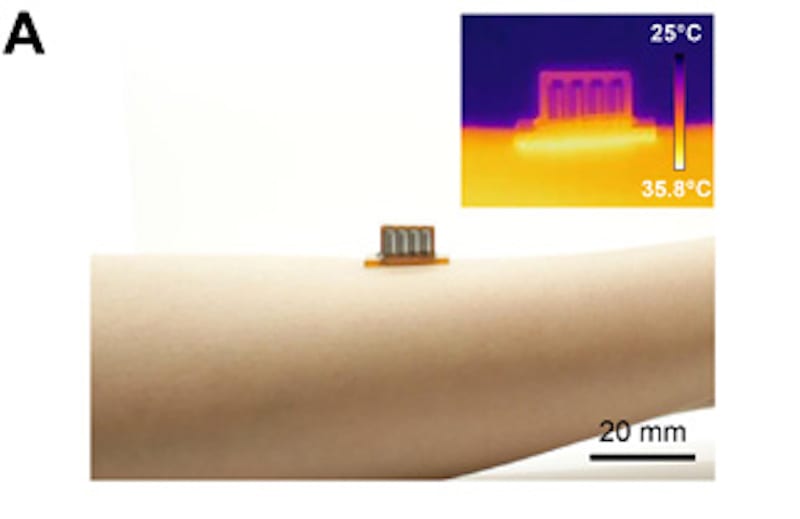
They’re calling it a thermoelectric generator (TEG), and the scientists at the University of Colorado Boulder think it could be as small as a ring, but as large as a sleeve, if a person needed or wanted to generate more power.
Here’s what it would look like as a ring. First, the making of the flexible sheets that would produce the electricity.
The ring, watch, or sleeve must come into contact with your skin, where the malleable circuitry inside the device converts your body heat into electricity, and then a special material inside the gadget reconfigures itself to keep from breaking as you move.
The TEG resembles your skin, which means you should be able to wear it all the time, in almost every situation, without ruining or harming it at all.
In the published study, found in Science Advances, the researchers say that not only does the TEG use the warmth of your skin to create energy, the side that faces outward will also soak up and convert solar energy, when possible.
Jianliang Xiao, an associate professor of mechanical engineering at CU Boulder, released a prepared statement.
“In the future, we want to be able to power your wearable electronics without having to include a battery.
Whenever you use a battery, you’re depleting that battery and will, eventually, need to replace it.
The nice thing about our thermoelectric device is that you can wear it, and it provides you with constant power.”
The technology uses your body’s natural conduction process, which maintains a constant temperature of 98.6 degrees F by walking a tightrope of heat gain and heat loss – but at a cost.
We lose around 75% of the energy we produce in the form of heat.
The TEGs use that difference in the temperature of our bodies versus the surrounding air, to turn energy into power. They capture, in essence, the heat that’s coming off your skin before it disappears.
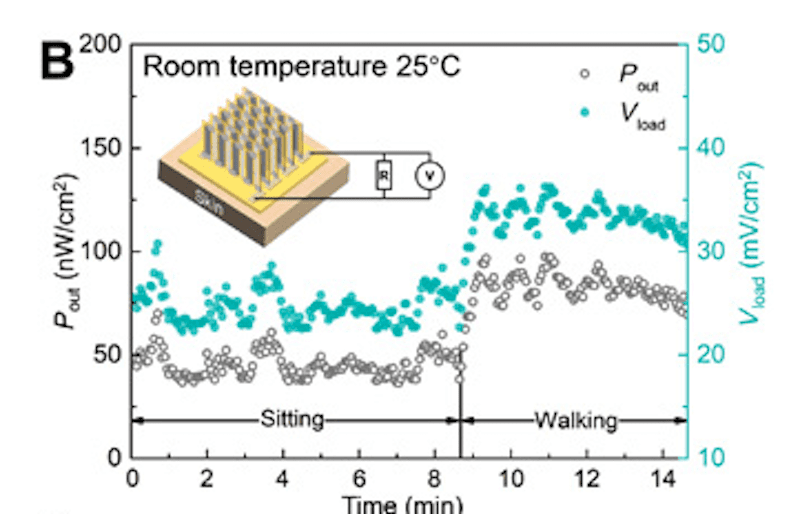
They can generate around one volt of energy for every square centimeter of skin space, which is less than a typical battery. That said, the larger the device, the more power, and researchers believe we would be able to do away with traditional batteries in our smartwatches, phones, fitness trackers, insulin pumps, pacemakers, you name it.
This is exciting not only for the medical and convenience benefits, but also in the fact that it’s cleaner, doesn’t use rare Earth metals, and doesn’t require corrosive materials – and it might not be that long until they’re available everywhere, according to Xiao.
“We’re trying to make our devices as cheap and reliable as possible, while also having as close to zero impact on the environment as possible.”
Five to ten years, y’all, and we’ll be using our own body’s energy to power our many devices. Wild, right?
I’m a huge Star Trek fan. It didn’t happen until I was in my very late 20’s, but I finally sat down and checked out The Next Generation and I was hooked.
Partially because of the engaging stories, partially for the imaginative sci-fi, and partially, and maybe most importantly for, the absolute sense of optimism and progress the series excluded.
Trek says that in the future of humanity, we’ll have done away with just about all that ails us. And I want to believe that. Which is why questions like this are so fascinating.
So, what are the next steps? What will we be discarding on the road to progress? Let’s ask Reddit.
1. Chemo
Using chemo therapy to treat cancer.
– CheetosnSalsa
2. Organ Transplants
Hopefully organ transplants.
Currently we take organs out of dead people to keep nearly dead people alive. Or living people who share an organ with someone nearly dead.
That’s why I’m here, my awesome aunt shared her liver with me.
– greffedufois
3. Toilet Paper
Wiping our *sses with toilet paper.
I am really looking forward to finding out what those 3 seashells do.
– ELPwork
4. Modern Psychology
Our field of psychology is actually woefully subjective and theoretical. We don’t even know for sure if some illnesses even really exist, or if they are a symptom of other illnesses or the result of multiple disorders occurring at once. We often have no idea if the medications which we prescribe for said possibly non-existent or misinterpreted illnesses will work. When Said medications do work, we often don’t why or how. We don’t even know what causes common well researched illnesses and disorders.
I believe that future generations will very much view our present grasp of psychology much like how we view alchemy in relation to chemistry. They knew there were natural processes between certain things that could produce an interesting, or even useful result, and they did use these results for practical purposes. They just really didn’t have any clue why or how any of it worked, and a TON of the stuff they held as “proven fact” we now realize was totally wrong.
– Vict0r117
5. Modern Gynecology
Gynecological practices that amount to “suck it up” and treat pain as an unimportant symptom.
– Shebolleth
6. Smoking
I was really surprised when I went to Europe how many people smoked. I met one co-worker who vaped, and he told me it was just catching on over there.
So many people smoked compared to the US. This was several years ago, but I imagine it will continue to go downhill.
– jajohns9
7. Antibiotics
Antibiotics. We basically use a WMD on our bodies to eliminate the single type of bacteria we’re targeting.
– Icedcoffeeee
8. Driving
Driving the cars ourselves. At the rate that self driving technology is going it’s probably gonna be about another 50 years before every car has it.
It will be the other 50 where it becomes the norm.
– Dumbdude22
9. The War on Drugs
Arrest and punish people for using drugs. The War On Drugs will be seen as huge Human Rights violation in 100 years.
– squarehipflask
10. The AR-15
The AR-15. In 100 years the phased plasma rifle in the 40-watt range will be a much more elegant weapon for a more civilized age.
– ShadowDV
11. Weed Laws
Cannabis being illegal.
– TrooperJohn
12. Overworking
50+ hour work weeks
– pierso37
13. The Controversy Around Marriage Equality
Politically divisive social issues such as same-sex marriage will be something most people will likely take for granted.
People will look back on the controversy much how we look back on the suffragette movement.
– DarkReviewer2013
14. Everything
It is fair to assume that almost everything we do now will be considered barbaric in the future, and what is “normal” in the future would be considered horrifying by our standards.
– Ameisen
15. It’ll Just Get Worse?
Bold of you to assume that we won’t be primitive and backwards in 100 years.
– pourquoi-moi
Well that’s a cheery note to end on. Save us, Star Trek Universe!
Did you know that the surface of Neptune was once all water?
I didn’t either, because it’s not true. I just made it up. But if I slapped that on a meme it might just spread around enough that a handful of people carried it around with them as though it were fact.
That’s why it’s important to check up on things before you spread ’em. Otherwise you end up with these:
1. You have to wait 24 hours to file a missing persons report
There’s no law governing how long you have to wait before notifying the police of a missing person. It’s nonsense. File a report as soon as you suspect the person is missing or in danger.
Do you know how many wellness checks officers go on in a day? Call it in man…
– grammar_oligarch
2. We only use 10% of our brains
You actually use 100% of your brain.
Each section is responsible for controlling different functions of your body. For example, the Prefrontal Cortex controls, thoughts, memory and behavior.
The Parietal Lobe controls language and touch.
The Occipital Lobe controls, visual processing and the brain stem controls basic functions such as breathing and maintaining your heart rate.
– CrotchWolf
3. Shaving makes hair grow back thicker
When I was learning how to shave, I remember this one being debunked in a teen magazine.
What they said made sense. A new hair grows with a kind of pointed tip. When you shave, you cut off that part. So what is now growing is middle of the hair which is thicker.
I would also add, I started shaving before my hair was fully grown in (moving from per-adolescence to adulthood) and hair continues to come in thicker over time. So it has more to do with when females often start shaving compared to having reached full maturity.
– OctobersAutumn
4. Your hair and fingernails grow after you die
It’s mainly an optical illusion.
Your skin decays and shrinks, causing hair and fingernails to look like they’ve grown.
– CasinoKitten
5. The War of the Worlds radio broadcast caused mass panic
We all know the story: Orson Welles broadcast War of The Worlds over the Columbia Broadcasting System (CBS). But people only tuned in part way through, and heard the radio announcing that machines were landing in the country and were advancing and attacking. People panicked in the streets and thought aliens really were invading. There was hysteria on the streets, people were looting and traffic jams banked up as people tried to escape.
But it turns out, that isn’t really true. It turns out barely anyone actually listened to the broadcast, and the few that were listening knew it was Orson Welles and knew it was just a broadcasting of War of the Worlds. If there was anyone that did tune in and mishear it and panicked, it was nowhere near the hundreds and thousands that have been reported in this myth.
– LittlestSlipper55
6. Lightning never strikes in the same place twice
Yeah, that would basically invalidate lightning rods.
And I think that park ranger who’s been struck by lightning 6+ times would tend to disagree with that notion.
– MrLuxarina
7. NASA spent millions on space pens when they could have just used pencils
Before the Space Pen was developed, NASA used pencils in space (expensive custom-made mechanical pencils starting with the Gemini missions) and the Soviet space program used a mix of regular pencils and grease pencils […].
Both programs were aware of the potential problems with graphite dust, and both were dissatisfied with the writing quality (pencil smears a lot more easily than ballpoint ink, and grease pencil smears if you look at it funny), but they took their chances with the least-bad available options.
And once the space pen was developed by a private company, both space programs bought a bunch of them.
– Gyrgir
8. You swallow 8 spiders a year in your sleep
It was made up to prove how misinformation can spread so quickly over the internet.
– Dr_McKay
9. Vaccines are linked to autism
Debunked decades ago. The sole proponent lost his medical license over it.
Yet every anti-vaxx mom apparently knows someone whose friend’s cousin has a child who turned autistic after the measles vaccine and somehow not a single one has met this alleged autistic child but the story is of course 100 percent true and vaccines are terrible.
– whereismyporcupine
10. Everyone in the Middle Ages was literate
The study that influenced the idea determined literacy by the prevalence of books written in Latin, which only the upper class knew.
Most peasants could actually read and write in their own language.
– luke56slasher
11. We only recently learned the Earth was round
By around 500 B.C., most ancient Greeks believed that Earth was round, not flat. But they had no idea how big the planet is until about 240 B.C. when Eratosthenes devised a clever method of estimating its circumference.
He realized that if he knew the distance from Alexandria to Syene, he could easily calculate the circumference of Earth. But in those days it was extremely difficult to determine distance with any accuracy. Some distances between cities were measured by the time it took a camel caravan to travel from one city to the other. But camels have a tendency to wander and to walk at varying speeds. So Eratosthenes hired bematists, professional surveyors trained to walk with equal length steps. They found that Syene lies about 5000 stadia from Alexandria.
Eratosthenes then used this to calculate the circumference of the Earth to be about 250,000 stadia. Modern scholars disagree about the length of the stadium used by Eratosthenes. Values between 500 and about 600 feet have been suggested, putting Eratosthenes’ calculated circumference between about 24,000 miles and about 29,000 miles. The Earth is now known to measure about 24,900 miles around the equator, slightly less around the poles.
– JohnDax
12. 95% of the ocean is unexplored
It depends how you define ‘explored’.
People throw this figure around like 95% of the Earth’s ocean surface is just a huge blank spot on the map, or like there’s plenty of space for a surviving population of plesiosaurs to live where we just haven’t checked.
Neither of those things is remotely accurate.
– green_meklar
13. Fad diets are the most effective weight loss method
No, calorie deficit is the one responsible for weight loss no matter the diet.
But I definitely think it’s a little bit silly and hugely egotistical to assume that in the whole vast cosmos, our planet is the only one to sustain intelligent life.
It turns out, the U.S. government has seen enough unexplained evidence that they think so too.
The U.S. government doesn’t refer to them as UFO’s anymore.
Maybe that’s considered a little too hokey and little-green-manish now, so they instead describe them as UAP or Unidentified Aerial Phenomena, which can take in a broader range of encounters.
Just last year, after videos filmed by Navy pilots was leaked to the public, the Department of Defense established a new task force for investigating these phenomena, or UAPTF.
When Trump signed the coronavirus relief and government funding bill into law in December 2020, it contained the IAA for Fiscal Year 2021, which means the UAPTF must report its findings to Congress by June 25.
That’s June 25 of this year.
The Director of National Intelligence who served under President Trump at the time went on Fox News recently to talk about the project, and it sounds like he’s a believer too, stating that the reports will cover:
[UAP that make] “movements that are hard to replicate that we don’t have the technology for, or traveling at speeds that exceed the sound barrier without a sonic boom. In short, things that we are observing that are difficult to explain.”
The note about the sound barrier is particularly relevant.
When an aircraft increases its speed, pressure waves build up on it and eventually coalesce into a single shockwave. When the plane outruns that shockwave and travels faster than the speed of sound in air, it causes a sudden change in pressure, which in turn creates the sonic boom. There’s no publicly available scientific data to suggest any aircraft can break the sound barrier without producing a sonic boom; while engineers can take steps to try to reduce sonic booms, physics says it’s impossible to outright eliminate it.
Which means that if the government has proof of aircraft that defy physics, then they have proof of civilizations more advanced than our own.
And so, although a watchdog group will be evaluating how the Pentagon handled UAP reports:
The Department of Defense's watchdog is set to examine how the Pentagon has handled reports of UFOs, which the department refers to as Unidentified Aerial Phenomena https://t.co/N2f3F385ME
the Pentagon itself will be busy this month reviewing all the data they have been collecting under the UAPTF project ahead of that June deadline to release the information.
DOD/OIG Announces Unidentified Aerial Phenomena (UAP) Evaluation for May 2021: Background The following memorandum was published by the Department of Defense, Office of the Inspector General, on May 3, 2021. It announces the… https://t.co/HJp99voxyb#FOIA#UFO#Conspiracypic.twitter.com/tks6v8jqLq
Whether you’re a cat lover or not, there’s no denying that cats make the word go ’round – or at least, they make the internet the place everyone wants to be.
Cats, cat videos, funny videos of people giving thoughts to their cats…whatever it is, if there’s a cat in it, people are down.
For all of the people in the world who love cats, though, do we really know everything there is to know about living with (and catering to) our feline friends?
If you’re looking to know more, we’ve got 50 facts that run the gamut from basic to totally interesting, so snuggle up your kitty and take a gander!
50. People have been showing cats since at least 1871.
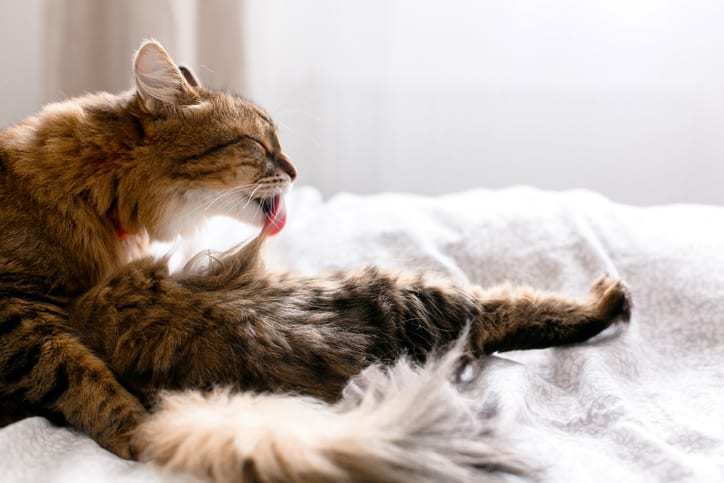
Cats groom themselves for several reasons, such as toning down their scent to avoid predators, cooling off, promoting blood flow, and distributing oils naturally through their coats.
Shared grooming sessions also serve as a sign of affection between cats, and experts also believe their saliva could contain enzymes that serve as a natural antibiotic.
However, they also purr when they’re sick, stressed, hurt, or even while giving birth.
Basically, don’t assume the sound means they’re happy.
46. Cute cat videos predate the internet.
This clip all but proves cat videos have been making the world go ’round long before they took up permanent residence on the top of the YouTube charts.
Thomas Edison (totally on brand) filmed two cats “boxing” inside a small ring in 1894.
45. Purring could help improve their bone density.
Experts, like associate veterinary school professor Leslie A. Lyons, aren’t sure why cats purr, but one hypothesis is that the sound frequency of a purr – between 25 and 150 Hertz – can “improve bone density and promote healing.”
She wrote in an article for Scientific American, “because cats have adapted to conserve energy via long periods of rest and sleep, it is possible that purring is a low energy mechanism that stimulates muscles and bones without a lot of energy.”
44. There was a video game based on Socks, President Clinton’s cat.
Socks, a black-and-white tuxedo cat, lived in the Oval Office during Bill Clinton’s tenure as President.
During the early 1990s. Super Nintendo Entertainment System created a game called Socks the Cat, which featured the First Feline in Chief.
It was never officially released and was even thought for a long time to have been lost, but recently collector Tom Curtin bought the only copy in existence.
He also purchased the rights and partnered with game publisher Second Dimension to bringSocks the Cat Rocks The Hill out in 2018.
The herb catnip contains several chemical compounds, including one called nepetalactone.
Cats can detect that particular chemical compound with special receptors in their noses and mouths, which triggers those odd behaviors we associate with “kitty weed.”
That’s why you might see your beloved cat sniffing, shaking or rubbing their head, and rolling around on the ground.
In the 1960s, a man named Henry Helb lived in the Dutch Embassy in Moscow with two Siamese cats.
He noticed his pets were arching their backs and clawing at one of the walls, and Helb, convinced the cats could hear something he didn’t, went looking behind them.
He found 30 tiny microphones, and instead of busting the spies, he and his staff used them to pass wrong or irrelevant information onto whoever was listening.
If you’re a female cat, copulation isn’t the funnest time, and it could be part of the reason why they tend to be loners.
Male shafts are barbed in order to stimulate the female’s privates, which inspires an ovulation – and also keeps her from running away before he’s done.
If you’ve ever heard cats yowling in the night (probably because a female is being forced into mating), you’re probably not surprised to learn they really don’t consider what humans listen to pleasant music.
At least they have people like composer David Teie on their side; in 2015 he partnered with animal scientists to make an album calledMusic for Cats.
According to his website, the songs are “based on feline vocal communication and environmental sounds that pique the interest of cats.”
Hmmm. I wonder if it’s on Amazon Prime Music…
36. College graduates are more likely to be cat owners.
According to 2010 research collected by the University of Bristol, people who have graduated from college are about 1.36 times more likely to own a cat than other people who own pets.
After studying the more than 3,000 survey responses about the person’s pets, geography, and academic history, researchers believe they can chalk up the slightly higher chance of cat ownership to the fact that they’re typically more low-maintenance than a dog, and therefore better suited to people with thriving careers.
A group of kittens all born to the same mama at the same time is called a “kindle,” and I have to believe that Amazon knew that when they chose the name for their e-reading – cats and books just go together, right?
If you’re curious, a group of adult cats roaming the street isn’t a pack – it’s a “clowder.”
Abraham Lincoln could vie for the craziest cat man in history, though – once, when his wife Mary Todd asked about Abe’s hobbies, he reportedly replied “cats!”
It should be noted that Lincoln also owned and loved dogs, which proves he was just an all-around good guy in my book.
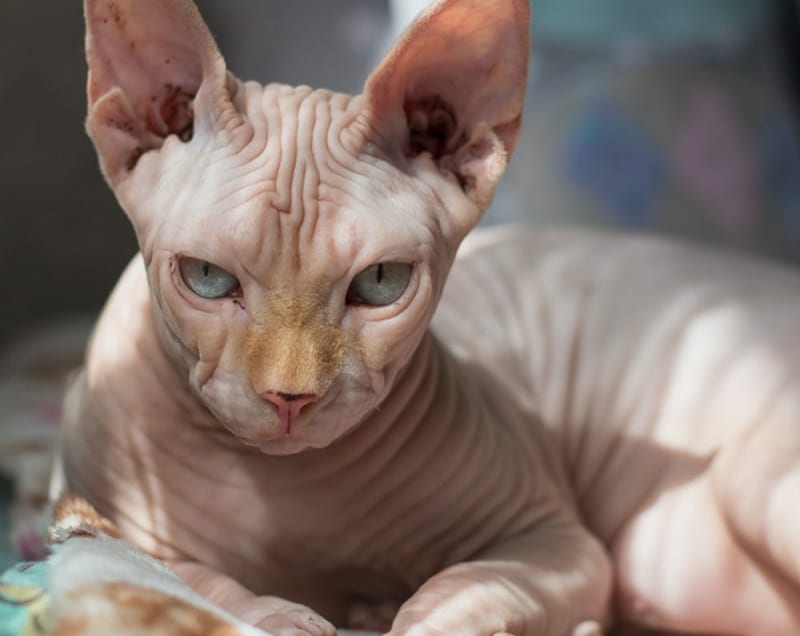
Specifically, Sphinx cats are hairless, or furless, but still manage to maintain an average body temperature around four degrees warming than a typical cat.
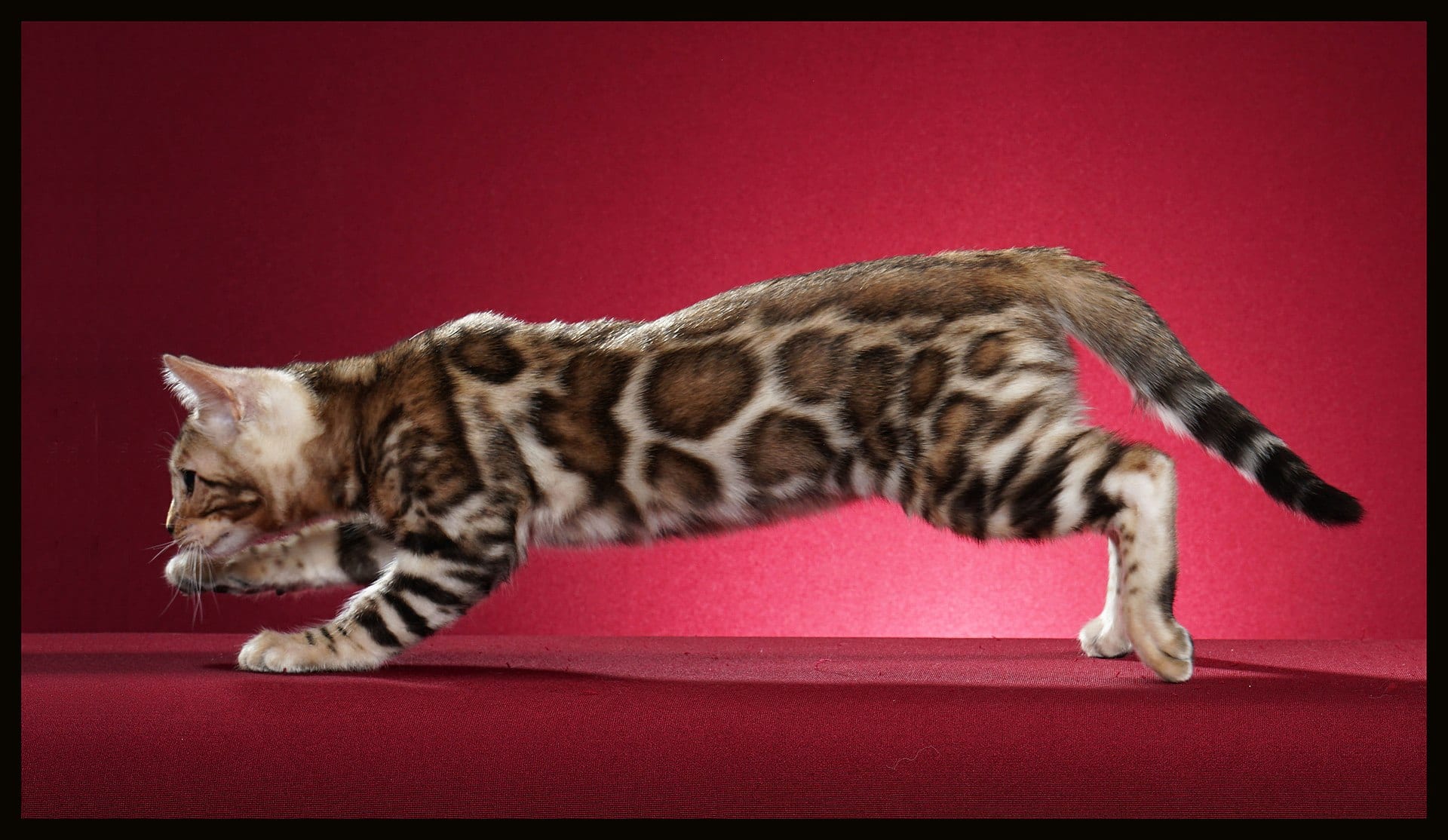
Some cats doenjoy the occasional dip, though, including the Turkish Van, Maine Coons, and Bengals – no matter the species, there always have to be a few who go against the grain!
26. The world’s oldest living cat is a thirtysomething.
The average lifespan of a cat is between 12-18 years, and while most of us have known a cat who made it to – or a bit beyond – that upper threshold, I doubt they’ve lived to be 35.
The current oldest living cat just passed his 35th birthday – he’s a tabby living in Britain, and his name is Henry.
25. But there’s no Guinness World Record for the fattest cat.
There used to be records for the fattest animals, but Guinness found that people are terrible (not news) and would intentionally overfeed their pets in an attempt to get into the record books.
If there were a record attained somewhat naturally it would be Katy, a Siamese cat who lived in Asbest, Russia.
She was given hormones to stop her from mating and the treatment had a surprising side effect: it made her ravenous.
So ravenous, in fact, that at one point she weighed more than 50 pounds.
The phrase “if it fits, I sits” means cats will squeeze themselves into very small spaces whenever possible, and animal experts think that’s because it makes them feel more protected, secure, and important – sort of like being back in the womb.
Shelter workers have known this for some time, as any time they’re given boxes to snuggle in the adjust more quickly and are less stressed than cats left alone in their cages.
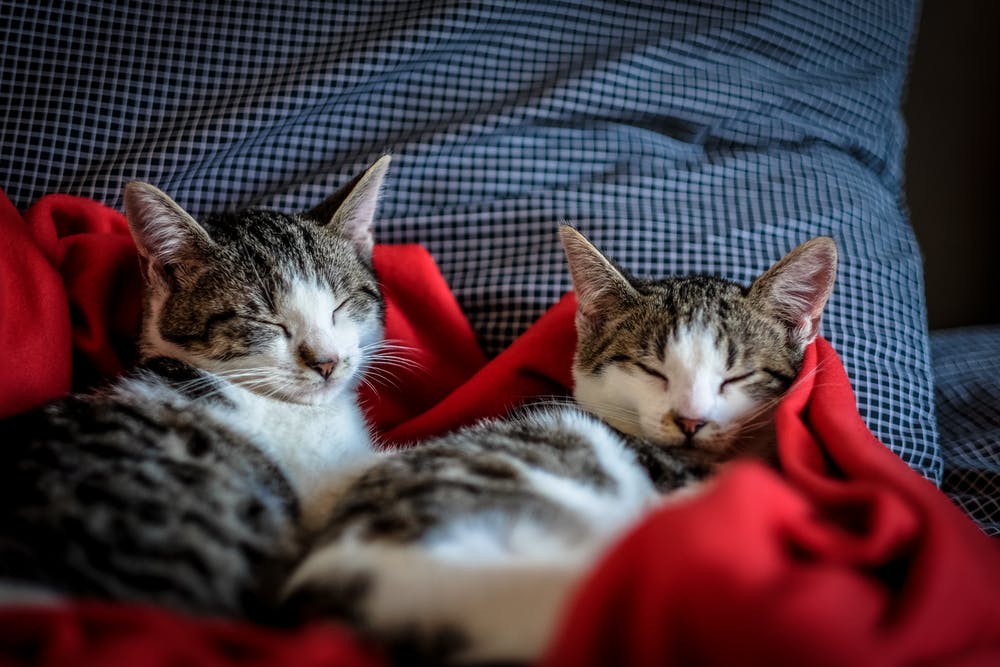
Sleeping in a smaller space also helps cats retain more body heat, and so they can stay relaxed and get more rest, too.
23. A massage from a cat is more than a kind gesture.
You might find it sweet when your cat kneads your leg or your belly (as long as their claws stay retracted), but experts believe your cat is actually marking you as part of their territory through the process.
Cats have scent glands in their paws, which is part of why kittens knead their mama’s belly while nursing – it stimulates milk production.
So it makes sense that if the behavior carries over to adulthood, those glands would still be useful for something.
Cat experts do know why kittens meow – it’s to get their mother’s attention – but as to why full-grown cats might do the same, they’re not totally sure.
They think the behavior grew out of their connection to humans, since cats don’t meow when interacting with other cats.
Instead, they use those noises they made as kittens to convey their emotions and needs to their human “parents” in the same way.
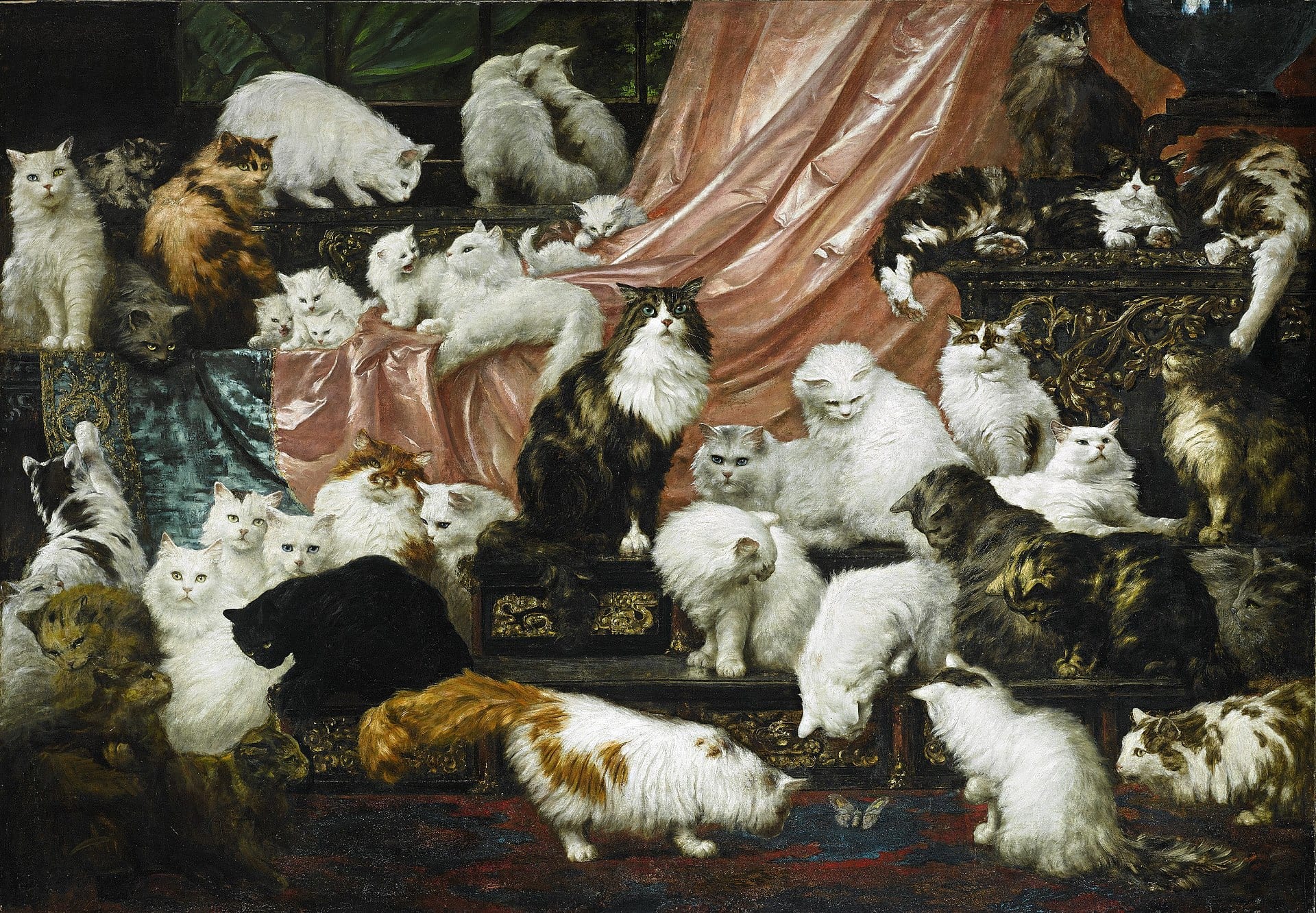
21. At least one cat painting is worth nearly $1m.
More often than not, cats do land with all four paws solidly on the ground.
Cats have a great sense of balance, even when they’re falling, and can use their flexible backbone to adjust their bodies in the air.
The can also spread their legs out to “parachute” down, and since they’re small and light-boned, that often means falls won’t be as hard as they would be for another creature.
That said, people shouldn’t go around testing this theory, because the cat could get hurt – it’s not a 100% of the time thing.
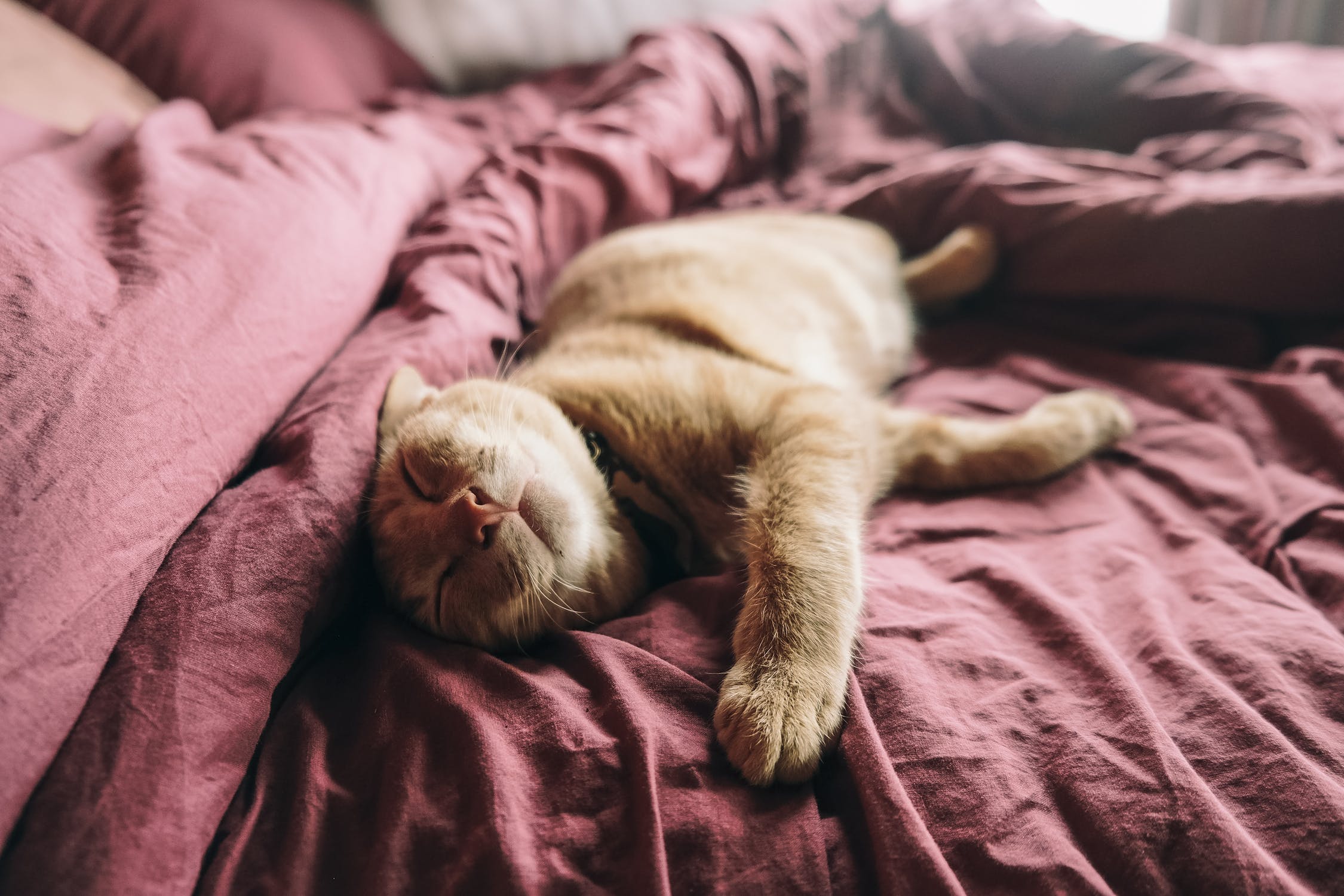
18. They spend the majority of their lives asleep.
A 2018 survey found that the most popular cat breed in America was the Exotic – a flat-faced cat that’s basically a short-haired version of a Persian cat.
The second most popular was the Ragdoll, with the British Shorthair coming in 3rd.
Personally, my favorite is “the cat who showed up on my porch and wouldn’t leave.”
Bodegas are known for keeping a resident feline, and the Algonquin Hotel, which has graced midtown Manhattan for a century, also has kept a lobby cat since the early 1920s.
The current resident is known as Hamlet. He assumed his post after the passing of Matilda III, who “moved on” in October of 2017.
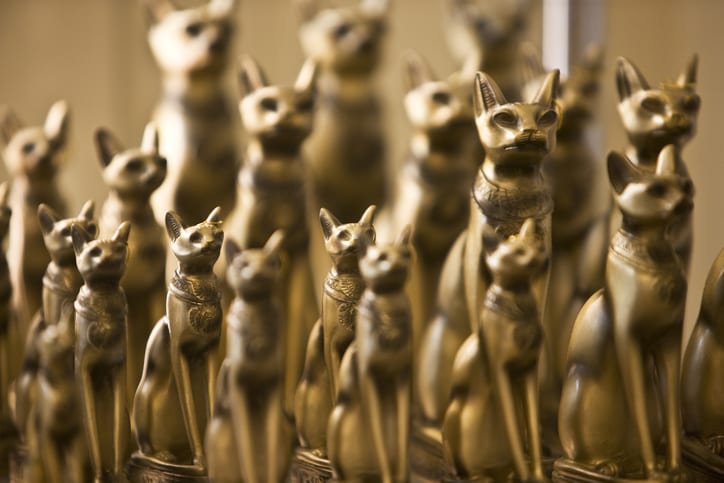
15. T.S. Eliot thought cats were downright poetic.
We know because in the 1870s, the city of Liege, Belgium, tried giving them the job.
Their attempt to train 37 cats to deliver letters in waterproof bags tied to their necks didn’t go all that well – the letters were late when they got to the correct address at all.
Anyone who has ever tried to train a cat is not surprised.
Dogs, horses, and other breeds might come to mind first when you’re thinking about fast animals, but the fact is that your house cat could probably give some of them a run for their money.
The average running kitty can clock around 30mph, after all, so don’t bother giving chase if one darts away from you.
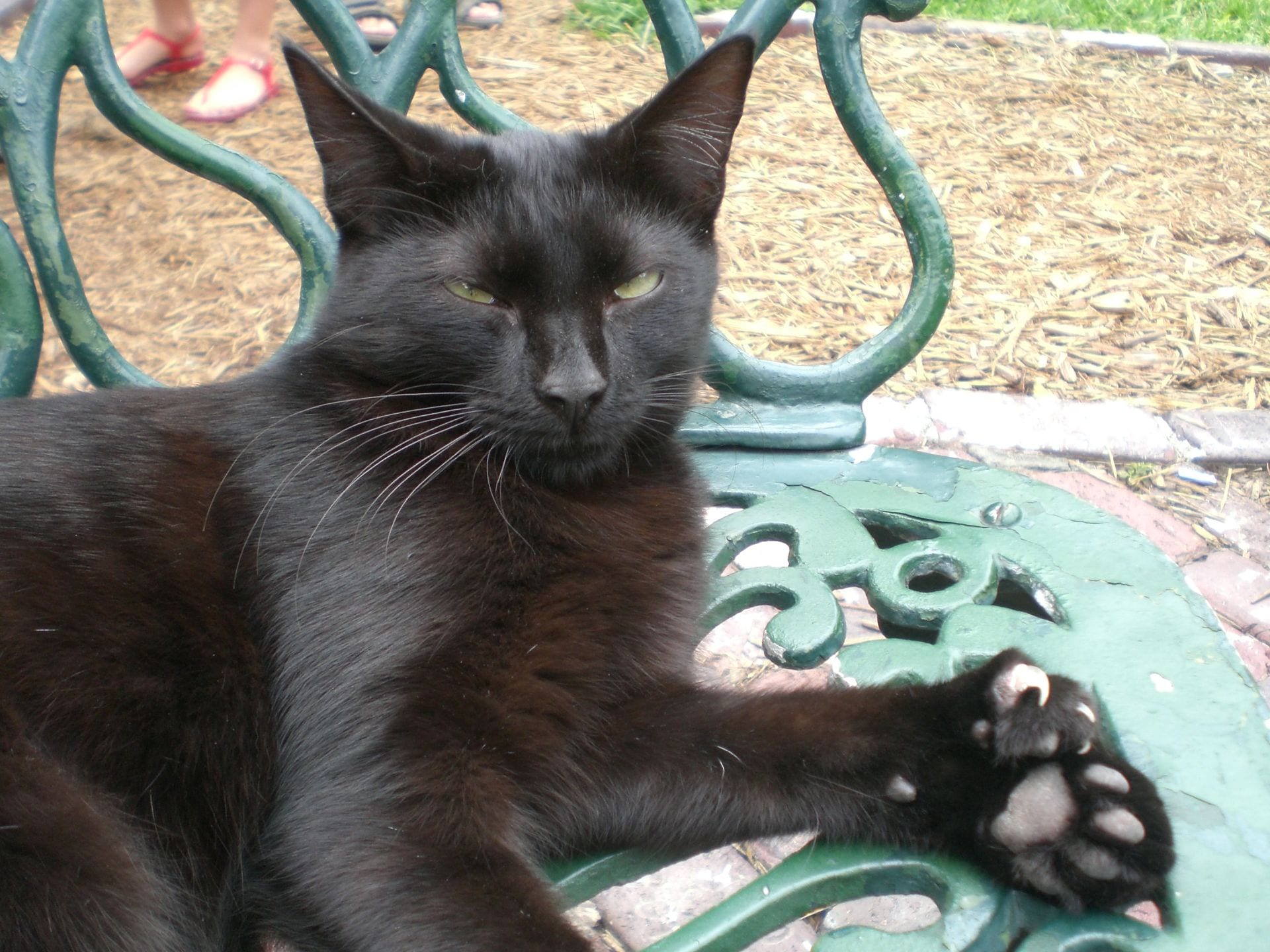
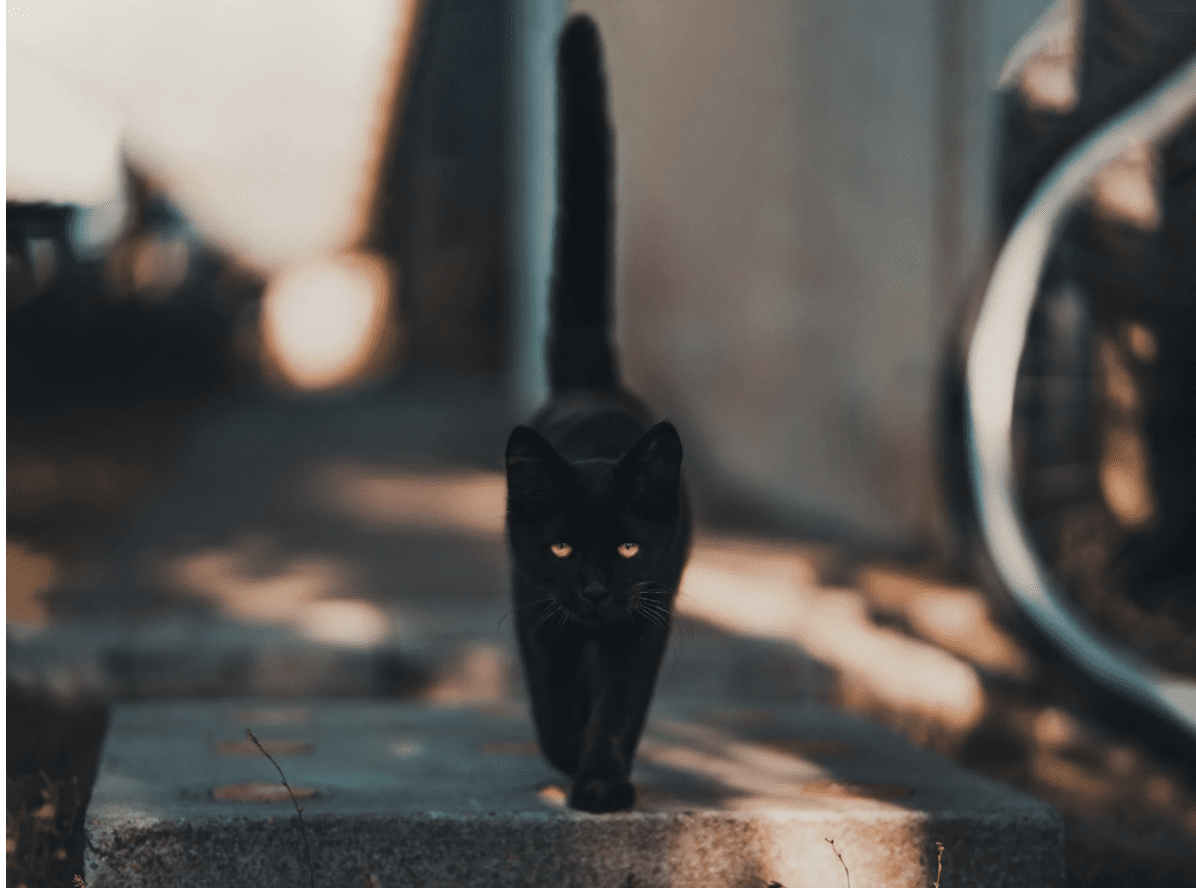
All across Western civilization, you’ll find the myth that black cats are a bad omen, but no one really knows how it began.
As early as the Middle Ages, superstitions arose surrounding black cats being the reason for the plague pandemic.
Little did anyone know that by expiring cats, they were also getting rid of the best chance they had to get rid of infected rats, who actually carried the disease.
They eventually became associated with witches, because older, single women often adopted alley cats as companions.
4. In some countries, black cats are considered good luck.
In the United Kingdom and Japan, however, a black cat is a symbol of fortune.
New brides are given black cats to bless their marriages in England, and in Japan, they’re considered particularly lucky for single women.
The Germans throw their beliefs way back to Ancient Rome, when anything that came from the left was ominous – so a black cat crossing from left to right was a bad sign, but if it crossed from right to left, the omen was good.
There have been many advancements in the past several decades that have changed and improved the way we live our lives every single day, and GPS definitely fits into that category.
Whether it’s helping us get where we’re going anywhere in the world or helping police find missing persons, to a hundred other uses in between (it’s helped me find my dog more than once), there’s no question our society is better for it.
There are two people responsible for turning the idea into a reality – one you’ve probably heard of and one you probably haven’t – and I think it’s about time they got a bit more recognition and credit, don’t you?
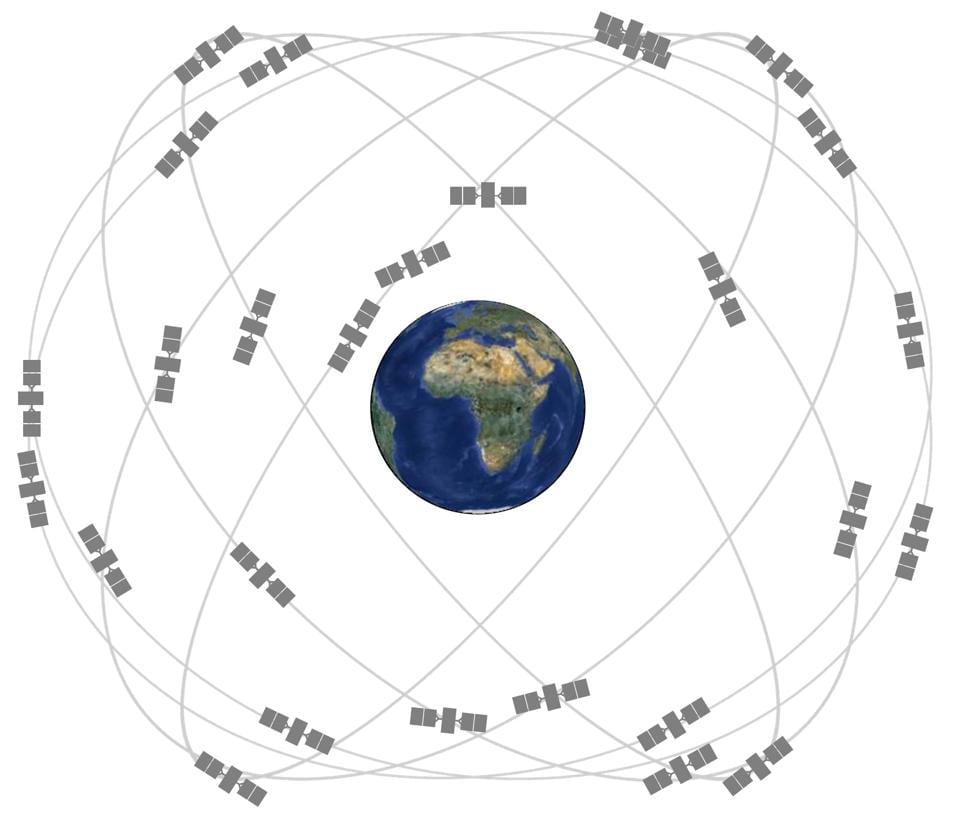
GPS is short for Global Positioning System, and it means that from anywhere in the world, signals can be transmitted by a network of satellites to pinpoint your location within 3 feet. It’s right more than 95%of the time, with the most accurate of devices spotting your position within 12 inches.
The first person responsible for this scientific magic is none other than Albert Einstein, whose theories of special and general relativity play an important role in the process.
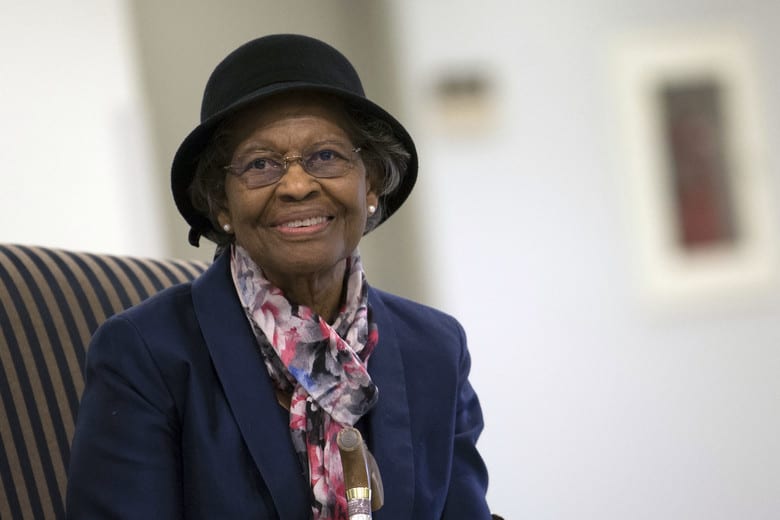
The second is a fairly obscure Black female scientists named Gladys West, whose work allows us to understand geodesy and the shape of the Earth well enough to put those physics into action.
Basically, you have to know three things in order to interpret signals received from the the 31 operational satellites:
Motion: this includes the motion of both the satellites through space and the motion of the person they’re trying to pinpoint, the motion of the receiver on earth, all of which relate to the laws of Special Relativity.
Curved Space: The gravitational blueshifting and gravitational time dilation of light as it moves between the curvature in space to the curvature on Earth’s surface, following the laws of General Relativity.
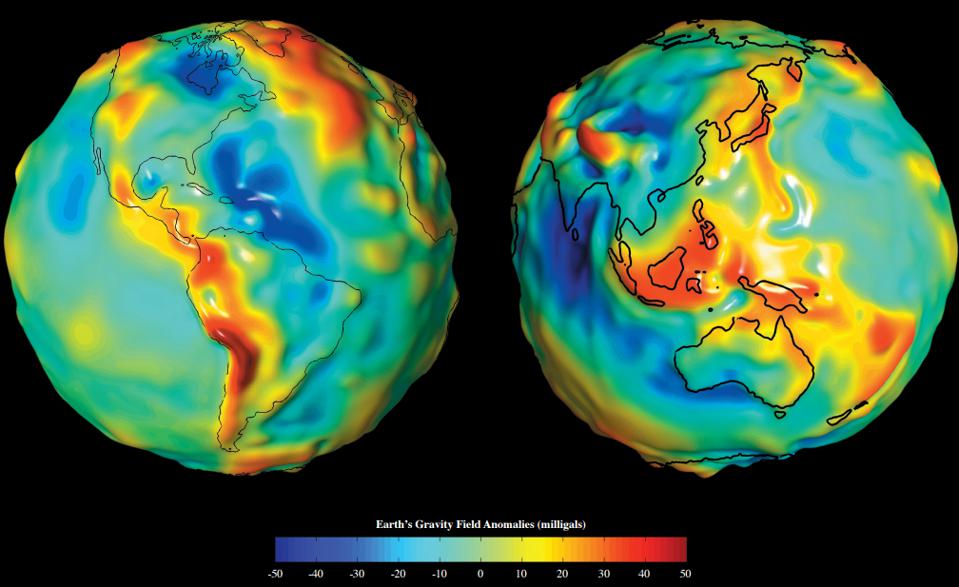
Earth’s Gravity: It’s effects may vary by small but still substantial amounts due to mountains and valleys, the thickness of Earth’s crust, and the water present at a given location.
The rules of relativity, put forth by Einstein in the early 20th century, address all of these effects and help us mitigate them neatly.
Gladys West comes in with the next piece of the equation, which compensates for the fact that the Earth is not a uniform, perfect sphere with the exact same gravitational properties everywhere.
All told, the actual acceleration on Earth can be as little as 9.764 m/s² and as great as 9.834 m/s²: a difference of 0.7%.
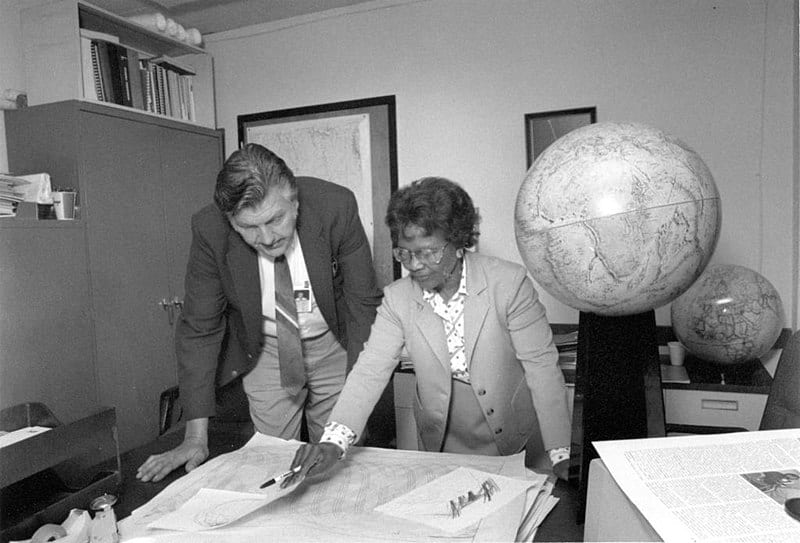
Gladys, the second Black woman ever hired as a computer programmer at the Naval Proving Ground in Virginia, specialized in large-scale computer systems and data-processing systems for the analysis of information obtained from satellites.
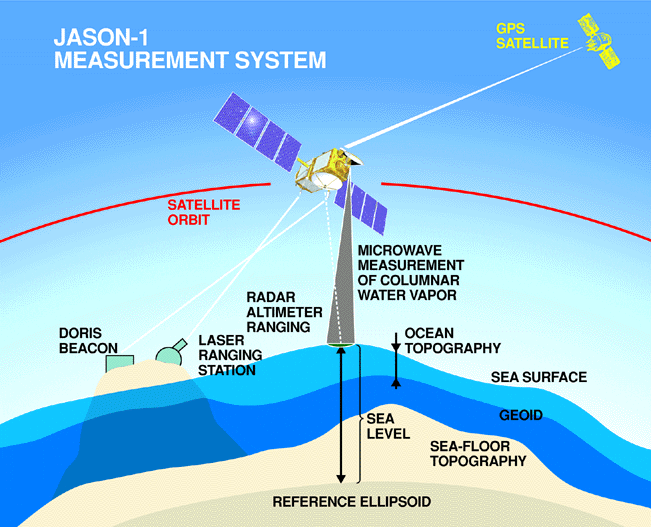
From there, she put together altimeter models of Earth’s shape in the 1960s, and served as the project manager for Seasat, the first satellite to perform remote sensing of Earth’s oceans.
Through her work, she cut the processing time for these remote sensing applications in half.
Her most revolutionary work, though, was when she programmed the computer that calculated Earth’s geoid to the kind of sufficient precisions that enabled the existence of GPS. To accomplish this, she had to account for every variation in all the forces and effects that can distort the shape of the Earth.
She wrote a guide on radar altimeter satellites, which taught others how to increase the precision of satellite geodesy with her improved technology.
Gladys was inducted into the Air Force Hall of Fame for her efforts, and is universally recognized as one of the Hidden Figures whose work with vital computations allowed the U.S. Military and NASA to complete successful missions before the advent of computing that could take over the tasks.
Her commanding officer, Captain Godfrey Weekes, had this to say about his famous employee:
“She rose through the ranks, worked on the satellite geodesy, and contributed to the accuracy of GPS and the measurement of satellite data. As Gladys West started her career as a mathematician at Dahlgren in 1956, she likely had no idea that her work would impact the world for decades to come.”
For West’s part, she still uses a paper map when she travels.
Better safe than sorry, I suppose.
The rest of us, though, say thank you – especially the generations who have never seen a paper map in their lives.
There have been many advancements in the past several decades that have changed and improved the way we live our lives every single day, and GPS definitely fits into that category.
Whether it’s helping us get where we’re going anywhere in the world or helping police find missing persons, to a hundred other uses in between (it’s helped me find my dog more than once), there’s no question our society is better for it.
There are two people responsible for turning the idea into a reality – one you’ve probably heard of and one you probably haven’t – and I think it’s about time they got a bit more recognition and credit, don’t you?
GPS is short for Global Positioning System, and it means that from anywhere in the world, signals can be transmitted by a network of satellites to pinpoint your location within 3 feet. It’s right more than 95%of the time, with the most accurate of devices spotting your position within 12 inches.
The first person responsible for this scientific magic is none other than Albert Einstein, whose theories of special and general relativity play an important role in the process.
The second is a fairly obscure Black female scientists named Gladys West, whose work allows us to understand geodesy and the shape of the Earth well enough to put those physics into action.
Basically, you have to know three things in order to interpret signals received from the the 31 operational satellites:
Motion: this includes the motion of both the satellites through space and the motion of the person they’re trying to pinpoint, the motion of the receiver on earth, all of which relate to the laws of Special Relativity.
Curved Space: The gravitational blueshifting and gravitational time dilation of light as it moves between the curvature in space to the curvature on Earth’s surface, following the laws of General Relativity.
Earth’s Gravity: It’s effects may vary by small but still substantial amounts due to mountains and valleys, the thickness of Earth’s crust, and the water present at a given location.
The rules of relativity, put forth by Einstein in the early 20th century, address all of these effects and help us mitigate them neatly.
Gladys West comes in with the next piece of the equation, which compensates for the fact that the Earth is not a uniform, perfect sphere with the exact same gravitational properties everywhere.
All told, the actual acceleration on Earth can be as little as 9.764 m/s² and as great as 9.834 m/s²: a difference of 0.7%.
Gladys, the second Black woman ever hired as a computer programmer at the Naval Proving Ground in Virginia, specialized in large-scale computer systems and data-processing systems for the analysis of information obtained from satellites.
From there, she put together altimeter models of Earth’s shape in the 1960s, and served as the project manager for Seasat, the first satellite to perform remote sensing of Earth’s oceans.
Through her work, she cut the processing time for these remote sensing applications in half.
Her most revolutionary work, though, was when she programmed the computer that calculated Earth’s geoid to the kind of sufficient precisions that enabled the existence of GPS. To accomplish this, she had to account for every variation in all the forces and effects that can distort the shape of the Earth.
She wrote a guide on radar altimeter satellites, which taught others how to increase the precision of satellite geodesy with her improved technology.
Gladys was inducted into the Air Force Hall of Fame for her efforts, and is universally recognized as one of the Hidden Figures whose work with vital computations allowed the U.S. Military and NASA to complete successful missions before the advent of computing that could take over the tasks.
Her commanding officer, Captain Godfrey Weekes, had this to say about his famous employee:
“She rose through the ranks, worked on the satellite geodesy, and contributed to the accuracy of GPS and the measurement of satellite data. As Gladys West started her career as a mathematician at Dahlgren in 1956, she likely had no idea that her work would impact the world for decades to come.”
For West’s part, she still uses a paper map when she travels.
Better safe than sorry, I suppose.
The rest of us, though, say thank you – especially the generations who have never seen a paper map in their lives.
We don’t hear much on the news or in our daily lives about quantum computing per se, but the majority of the technological advances that have changed our lives over the past several decades are thanks to increased computer power.
Now, physicists have confirmed the existence of a particle they’re calling an anyon, and it could be the key to unlocking many more computing possibilities in the future, says Discover.
“These particle-like objects only arise in realms confined to two dimensions, and then only under certain circumstances – like at temperatures near absolute zero and in the presence of a strong magnetic field.”
Physicists have theorized that these anyons exist since the 1980s, but their nature has made them hard to pin down.
Those same qualities would make them very valuable to quantum research and computers, though, so scientists haven’t stopped trying to prove they exist.
Purdue University talked about their many potential uses in a recent press release.
“Anyons have characteristics not seen in other subatomic particles, including exhibiting fractional charge and fractional statistics that maintain a ‘memory’ of their interactions with other quasiparticles by inducing quantum mechanical phase changes.
Nobel Prize-winning theoretical physicist Frank Wilczek, professor of physics at MIT, gave these quasiparticles the tongue-in-cheek name ‘anyon’” due to their strange behavior because unlike other types of particles, they can adopt ‘any’ quantum phase when their positions are exchanged.”
Researchers were able to train a miniature particle accelerator to “sort” particles and notice anyons, then came up with a maze that would phase out all of the other particles in order to end up with only the mysterious particles they were searching for at the start.
What they found was that it worked so well because, like electrons and photons, anyons “braid” – and this is good news for quantum computing, says researcher Mikael Rechtsman.
“Braiding is a topological phenomenon that has been traditionally associated with electronic devices.
We hope to show that a whole class of topological phenomena can be useful not only for electronic devices, but also photonic devices, such as lasers, medical imaging, telecommunications, and others.
We also expect that this new type of topological physics could be applied to quantum information systems, particularly those based on photons.”
With more particles in their toolkit, physicists are sure advances are to come – and we have the anyons to thank.