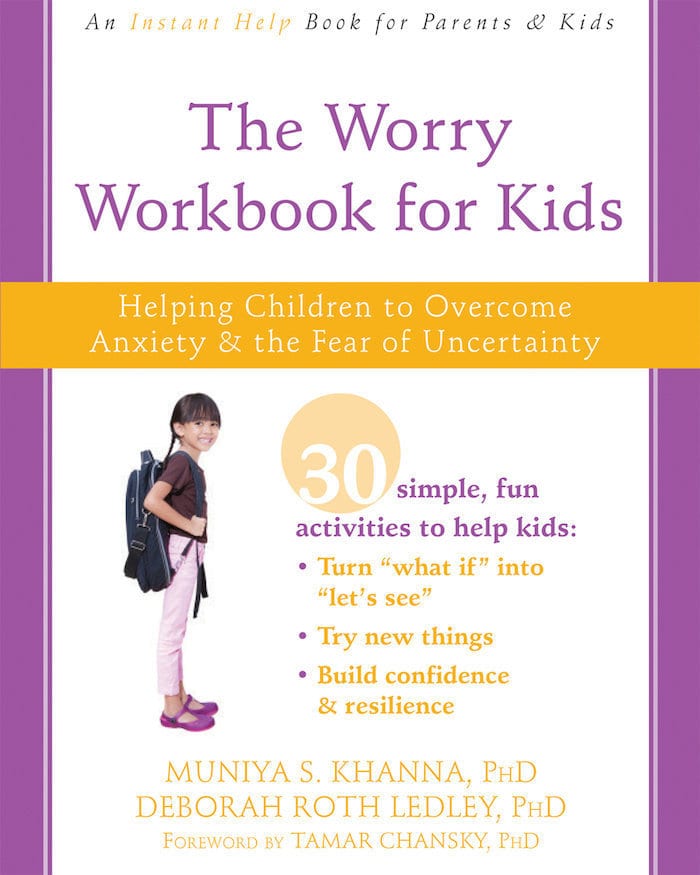
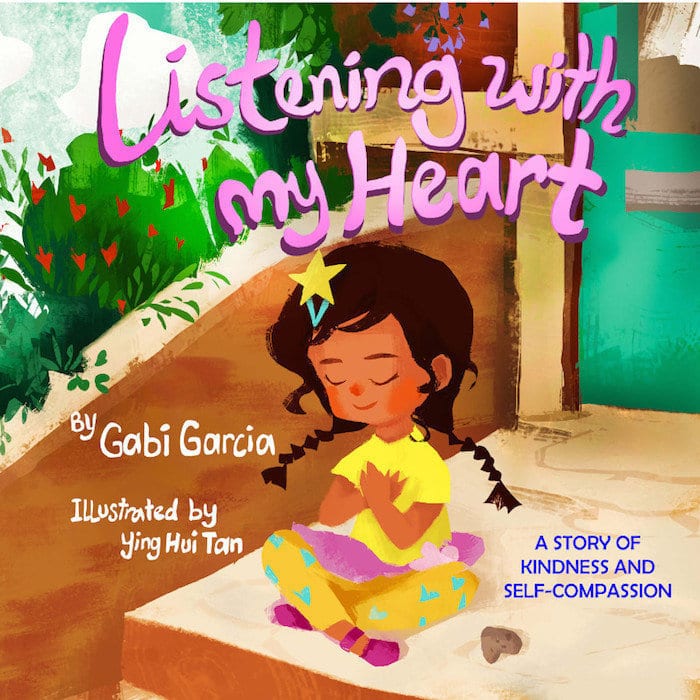
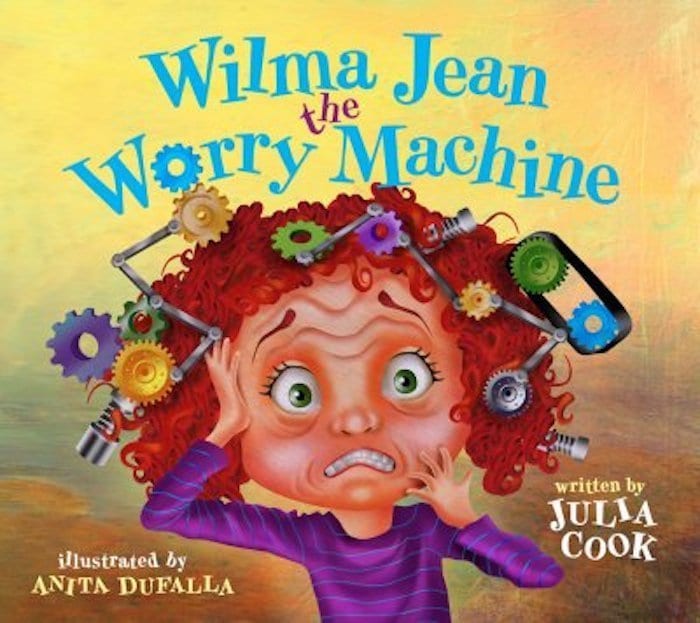
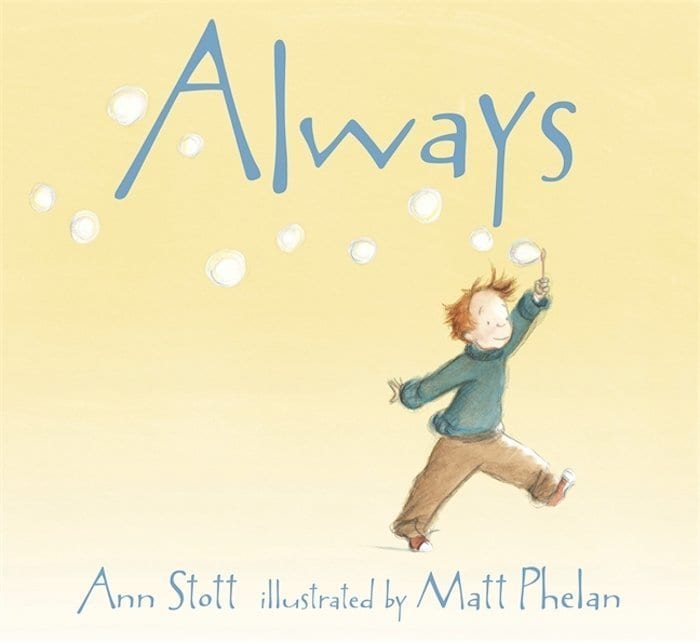
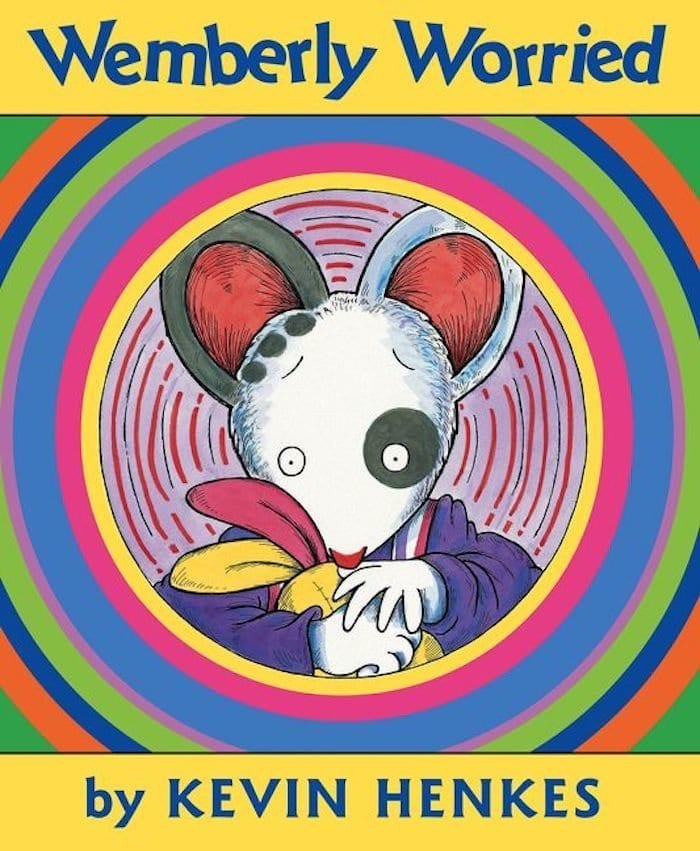
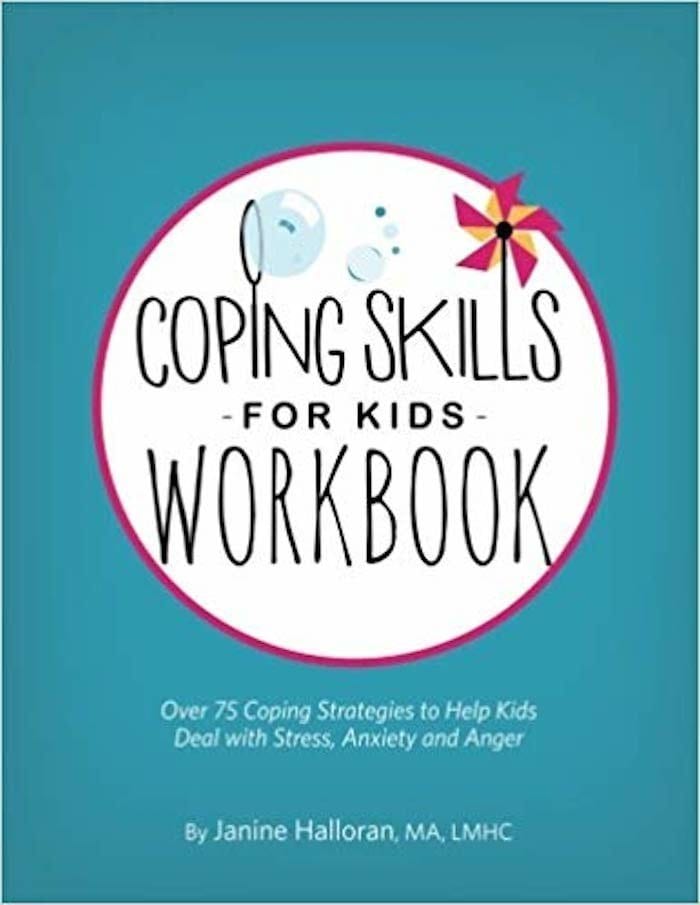
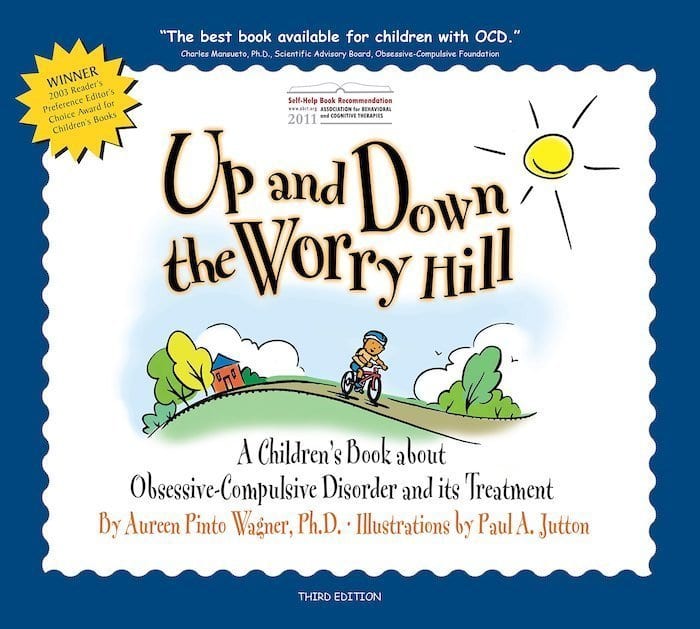
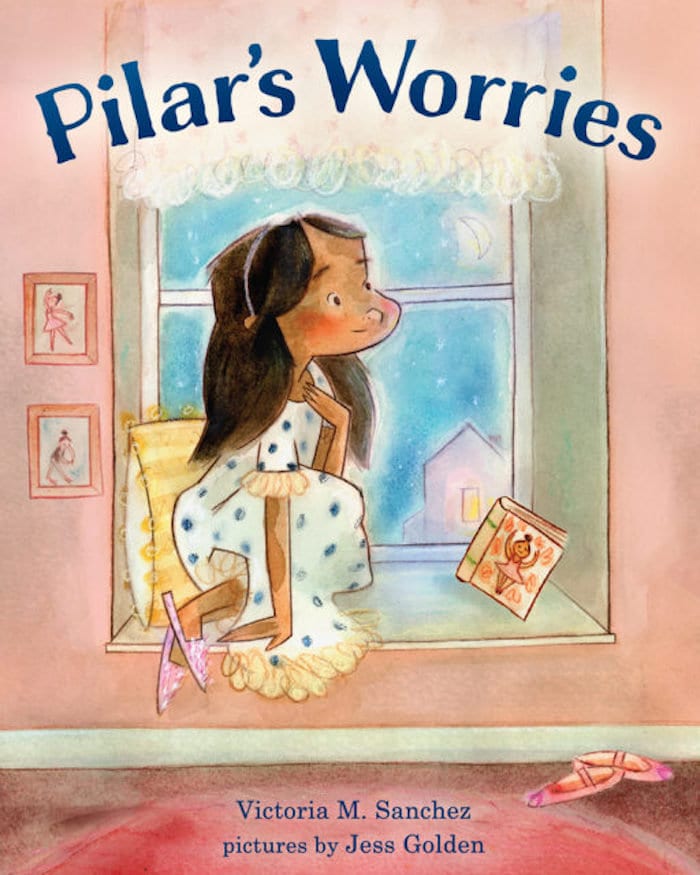
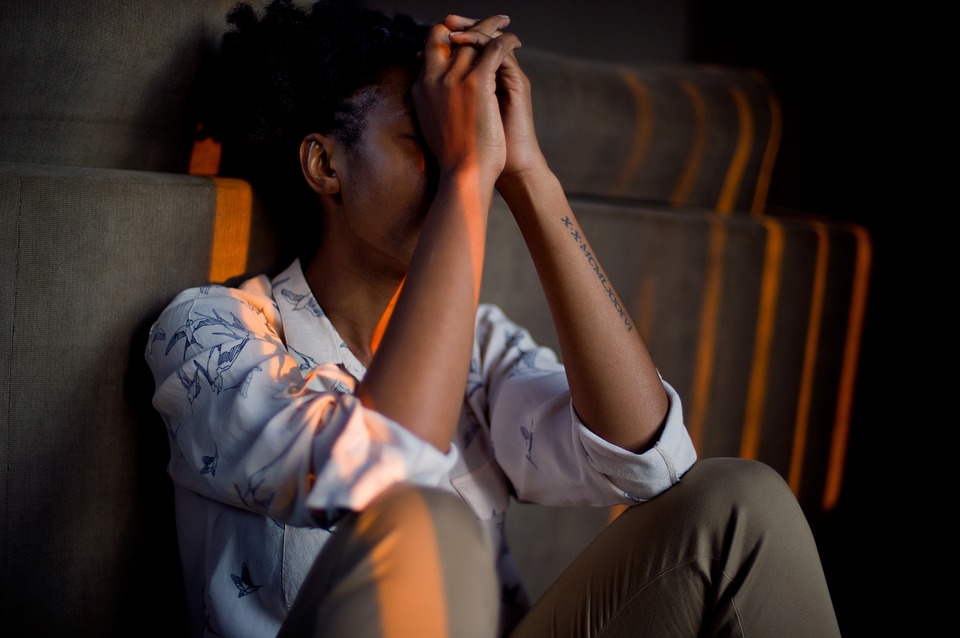
We tend to think that things like anxiety or depression wouldn’t affect children, but that’s actually not true. As a matter of fact, these can often be tougher for kids because they tend to go unaddressed, or thought of as just being a “phase.”
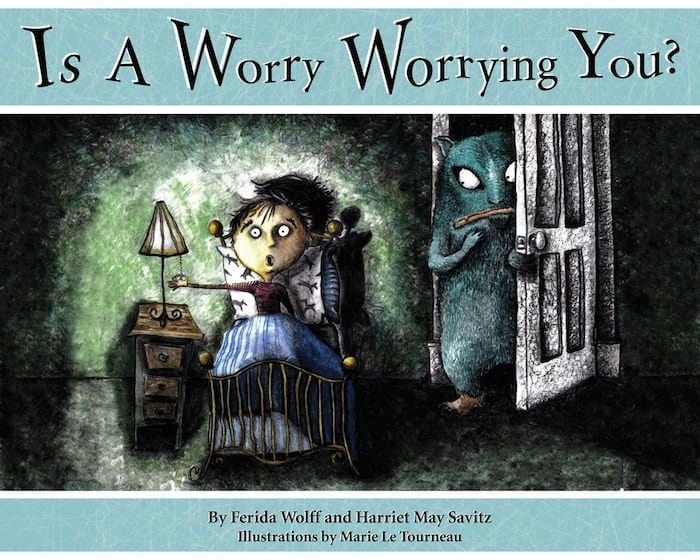
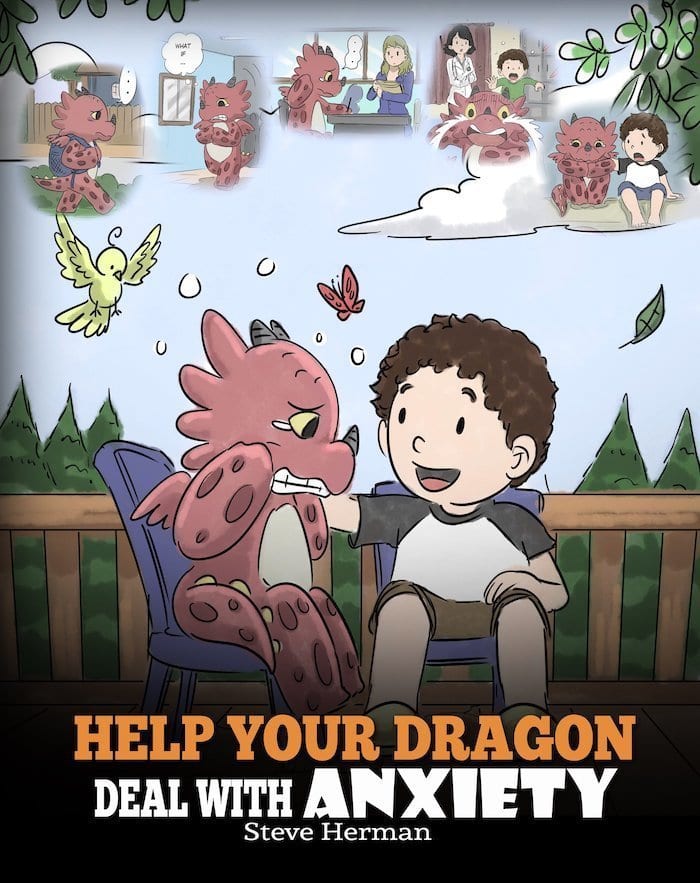
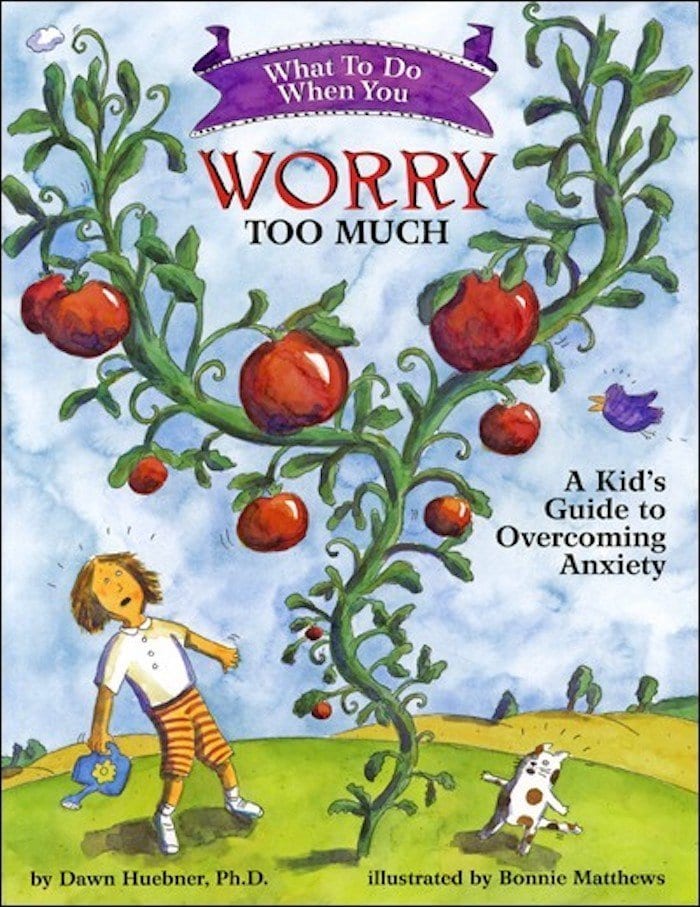
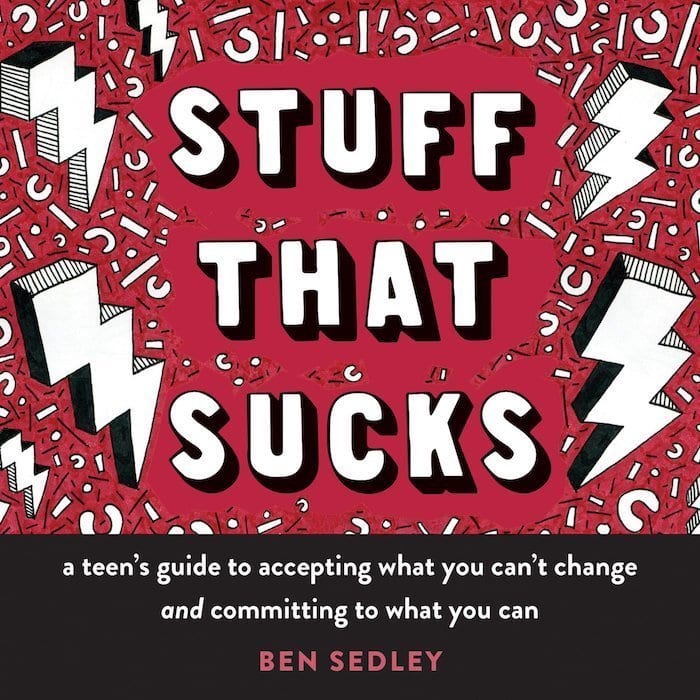
These 15 books were written to help parents approach the subject of anxiety and other negative feelings. They range from illustrated children’s stories to workbooks that actually help kids cope with anxiety.
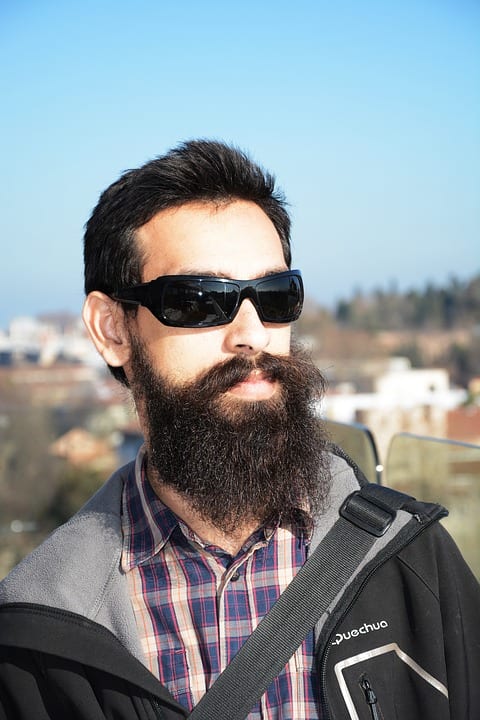
I mean, as a bearded fella myself, I might be a little biased about this but I, for one, couldn’t be happier about this news.
A study from the University of Southern Queensland, Australia, found that men who have thick, rugged beards receive benefits that make them healthier and more handsome.
In what must have been a very strange sight, the researchers left mannequins in the harsh Australian outback and studied the results. Some of the mannequins had beards and some were bare-faced. The study found that the beards blocked 90 to 95% of harmful ultraviolet rays on the mannequins from the blazing sun. This help beards reduce the risk of skin cancer in the skin they cover.
“Facial hair has an Ultraviolet Protection Factor (UPF) of anywhere from 2 to 21. The percentage of UV blocked to the skin depends on the thickness and angle of the sun…Provided the beard is of reasonable thickness, I do not think there is a need to slather sunscreen over the beard due to the protection it provides. It has to be a thick bushy beard and not just stubble.”
If you’re trying to eat healthy, or maybe lose a few pounds, one of the most common things people will tell you is to stop snacking after a certain time – usually after dinner. That means those late night munchies are a strict no-no. But is it really true that we can never give in to those midnight cravings?
First of all, let’s dispel the myth that food eaten after a certain hour always turns into fat, like the your stomach knows how to read a clock. You gain weight when more calories go in your body than go out, full stop. And yet, the participants in multiple experiments have proven that people who tend to eat late at night do tend to gain more weight and keep it on.
Well, a recent group of studies out of Northwestern University seems to indicate that being a night owl has more to do with nighttime eating and its negative effects – night owls are just more likely to eat late. It’s like this: the people for whom the halfway mark of a normal night’s sleep was between 1am and 5:30am (ie. people with earlier bedtimes) tended to have only a meal after work and nothing before bed, while the people for whom the halfway point of their normal night’s sleep was after 5:30 (ie. night owls) were more likely to have another snack before crawling under the sheets. The second group also often got less sleep than the first.
The studies also noted that people tend to make poorer choices when they’re tired or interested in a television series at the end of the day – we reach for easy things like takeout, chips, or pizzas instead of making the trip or stop at the grocery for proteins and vegetables.
That said, if you are someone who has the luxury of staying up late and sleeping in, there’s no reason you can’t eat if you’re hungry, even after dinner.
Here are some simple tips to keep yourself satisfied, sleeping well, and at your desired weight.
Try keeping a log of the calories you eat all day long, and if it’s not too many, it’s fine to have a snack – just try to choose something on the healthier side, and do your best to eat 2 or 3 hours before you plan to go to bed. Otherwise, your digestion could disrupt your sleep and lead to more issues the following day.
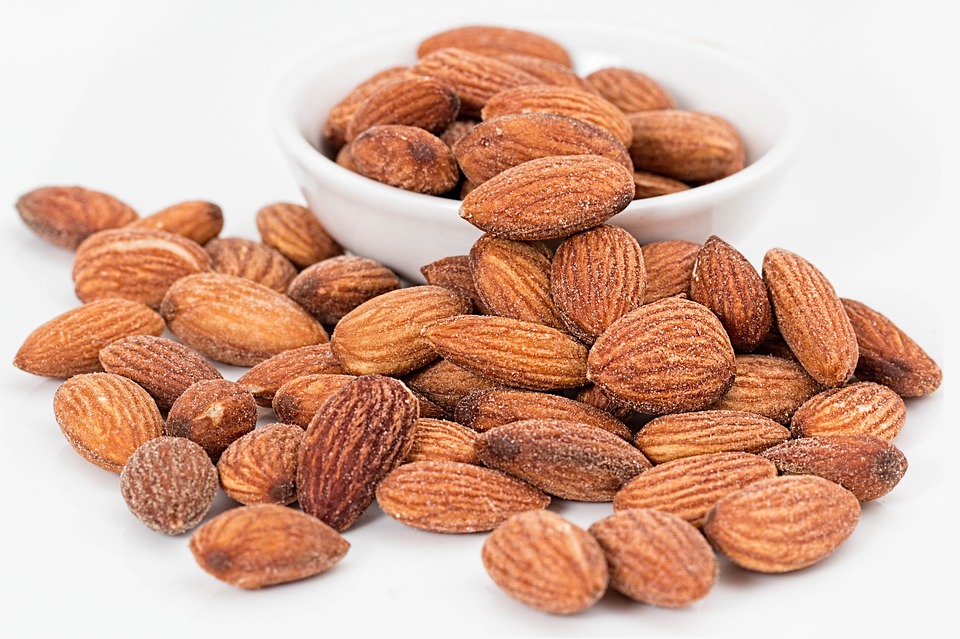
Not only is it important to choose something low in calories if your day is almost done, but choosing something that can help promote sleep – dairy, fish, turkey, bananas, kiwi, cherries, almonds, and honey are all options that offer melatonin and serotonin that can help you snooze through the night.
If you do find yourself wanting to indulge late at night more often than not, you might be looking at some kind of compulsion – overeating can be linked to emotional issues. Check on yourself, and determine whether your desire to eat at night could be feelings-related.
So, it’s not a bad thing to give into your hunger later at night, especially if you’re a night owl. You just need to remember that what we eat and when does affect our ability to get good sleep and keep ourselves on an even keel. Don’t force yourself to go hungry, just be conscious of the choices you’re making and do you!
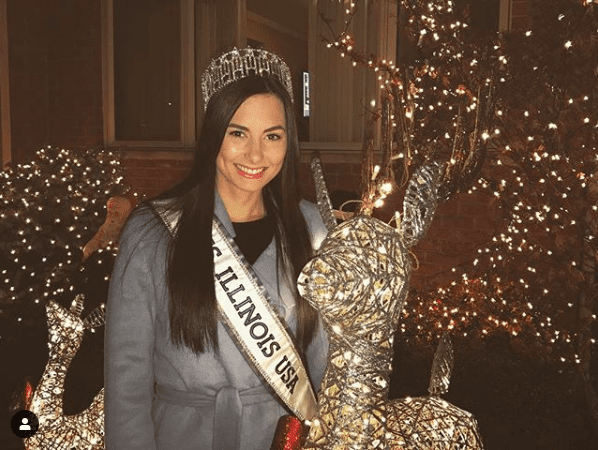
When she was only 18, future Miss Illinois Karolina Jasko found out she had melanoma. It’s likely that she’d never have noticed it on her own, and was only alerted to it when her nail technician spotted a vertical black line on her right thumbnail
Karolina had gotten her nails done regularly since she was a freshman in high school, and even though Karolina’s doctors say the cause of her melanoma was most likely genetic, they do agree that the consistent UV rays from her gel manicures could have sped up the onset of the disease.
“I experienced a lot of different feelings when I got my diagnosis,” she told Buzzfeed. “I was scared, but also confused. I didn’t think that this could happen to me, so I was in a little bit of shock.”
The high school senior was suddenly faced with a cancer diagnosis, surgery, and the possibility that she might be living the rest of her life with only one thumb.
“Luckily, they were able to just remove my whole nail matrix. I don’t have a nail on that thumb and never will, due to them removing the matrix.”
Like any girl her age staring down a life-altering illness, she felt self-conscious about always looking different from her peers – she was left with scars on her groin, chest, back, and arm (in addition to her thumb).
“I was embarrassed because I thought people noticed them, and it was something to be ashamed of, especially the thumb. I wore a band-aid every time I was in public for the first year after it healed because of how scared I was of someone asking me or being grossed out by it.”
Stepping into her role as Miss Illinois changed all of that, giving her more self-confidence and validating that she’s still beautiful and has important things to say.
“Once I started to feel more comfortable in my role as Miss Illinois, and from speaking to my directors and everyone involved in my life, I realized I was granted an incredible opportunity.”
She’s using her platform to spread awareness about the dangers of UV rays and melanoma. Karolina also doesn’t want other girls to struggle the way she did, regardless of what they look like.
“I also wanted to show girls that they need to be confident in their own skin and with their imperfections. I was able to become Miss Illinois and compete on the Miss USA stage with mine.”
She wants girls to know that they’re perfect the way they are – and also that they should regularly see a dermatologist. Just in case.
In today’s edition of adorable but also disgusting news, scientists have determined that smelling your partner’s… gaseous emissions (aka farts)… may just help you live longer.
A study in the journal Medicinal Chemistry Communications showed that exposure to hydrogen sulfide, the same gas you that pass, can help ward off mitochondrial damage that causes various health problems.
Researcher Dr. Mark Wood said, “Although hydrogen sulfide is well known as a pungent, foul-smelling gas in rotten eggs and flatulence, it is naturally produced in the body and could in fact be a healthcare hero.”
The study showed that exposure to hydrogen sulfide in small amounts can help reduce the risk of strokes, heart attacks, and cancer. Another researcher spoke about how the team created a new compound called AP39 that they believe will help the body produce the right amount of hydrogen sulfide and that the compound can be delivered to certain cells. Matt Whiteman said:
“When cells become stressed by disease, they draw in enzymes to generate minute quantities of hydrogen sulfide. This keeps the mitochondria ticking over and allows cells to live. If this doesn’t happen, the cells die and lose the ability to regulate survival and control inflammation.
We have exploited this natural process by making a compound, called AP39, which slowly delivers very small amounts of this gas specifically to the mitochondria. Our results indicate that if stressed cells are treated with AP39, mitochondria are protected and cells stay alive.”
Now that you’re armed with this information, you know what you have to do…
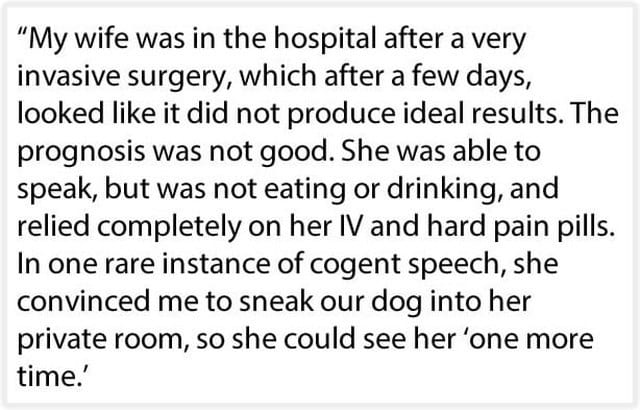
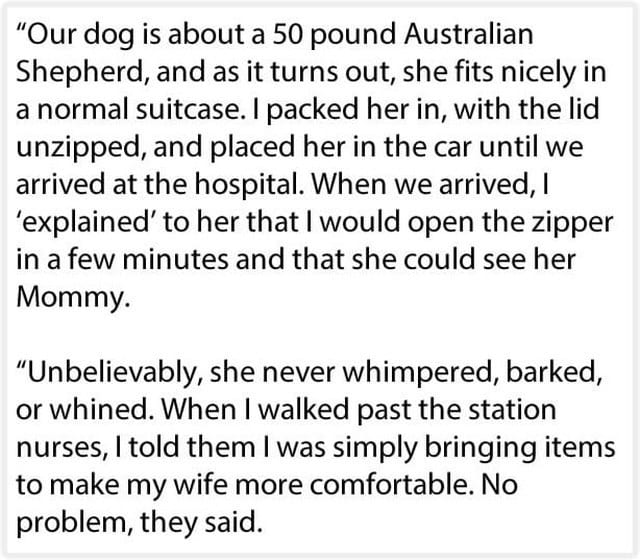
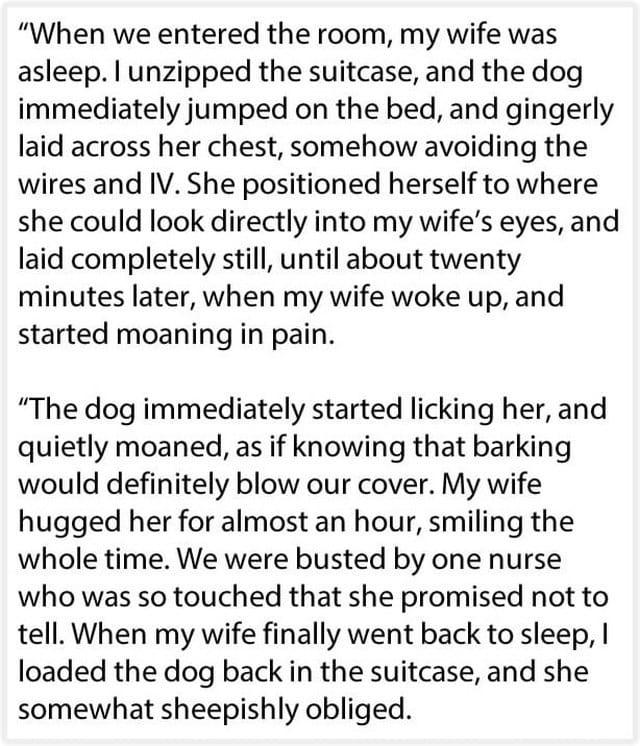
There’s a reason this story has been going viral on Reddit and other social media sites: it’s absolutely heartbreaking, yet incredibly sweet at the same time. It also goes to show just how incredible the bond us mere humans can be lucky enough to have with our precious dogs.
The Reddit user shared his personal story about his wife and dog, Bella.
When it comes to natural medicines and therapies, I’ve always been a bit wary. While I’ve had a few instances where a natural remedy might have helped me feel better, I’m certainly not about to throw good ol’ science-based medicine out the window!
The news isn’t great for natural remedies these days. While mainstream medicine (and the health care system in the U.S.) has a LONG way to go, it’s still the best way to get treated – and that’s backed up by research. A study in the Journal of the National Cancer Institute states that cancer patients are twice as likely to die from their cancer if they choose natural remedies over regular medicine. And if you have breast or colorectal cancer, you’re FIVE TIMES more likely to die if you choose alternative medicine.
To be clear, these statistics do not reflect people who use alternative medicine along with traditional treatment.
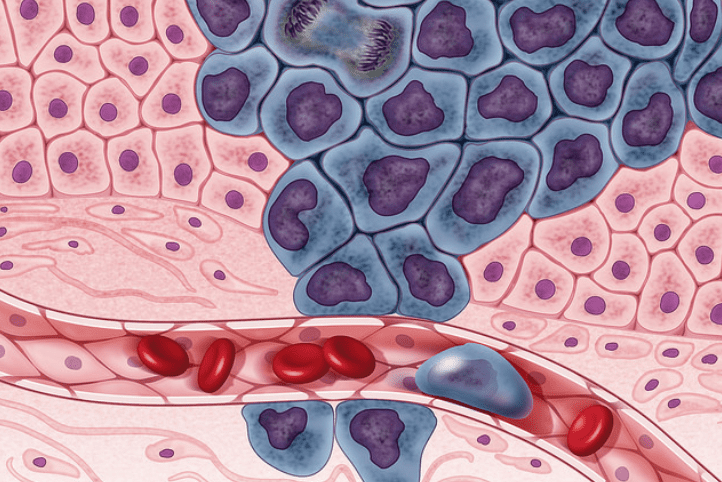
The research shows that natural treatments do not address the actual problem when it comes to cancer. Your body likely won’t recognize the problem when cancer cells are growing because the cancer isn’t trying to kill, the cells are trying to multiply.
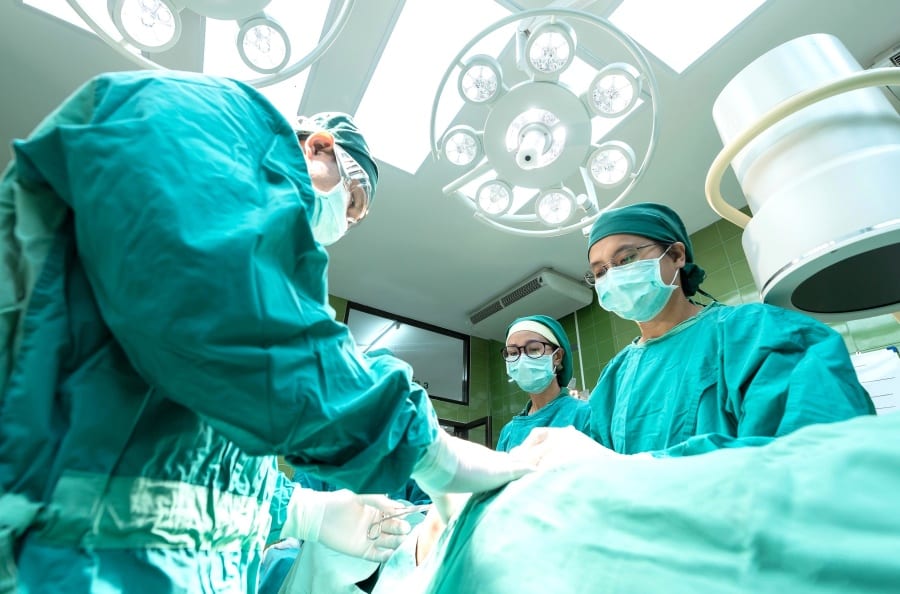
Bottom line: modern medicine isn’t perfect, but it is your best bet. Cancer treatments are harsh and invasive, but your chances of living longer are greatly improved if you take advantage of them. And more people are living with cancer today than ever before.
Cancer is a grim subject, but there is absolutely room for hope!
Everybody always has that one friend – you know, the one who can take down a whole pizza and some beer all by themselves, then turn around and ask for dessert… all while maintaining their seemingly impossibly svelte physique. Oh, and they don’t work out either. Nope, they just go around eating whatever they like with no consequences at all. No pounds piling on, no ours of atonement at the gym. Must be nice.
Well, you’ll be interested in the results of this study, which claims to have the answers…though they’re probably not going to make you feel any better.
Basically, your body type depends on the genes you were born with far more than on any diet or exercise routine you employ as an adult.
The new research aimed to pinpoint the genetic architecture of skinniness and severe obesity, and their findings, published in PLOS Genetics, could help explain why some people find staying thin easy while others have the opposite experience.
That is not to say that environmental factors like high-calorie diets or sedentary lifestyles don’t play any role, but obesity, as many people have realized, is more complex than eating too much fast food.
The study leader, Professor Sadaf Farooqi, issued this statement:
“This research shows for the first time that healthy thin people are generally thin because they have a lower burden of genes that increase a person’s chances of being overweight and not because they are morally superior, as some people like to suggest. It’s easy to rush to judgement and criticize people for their weight, but the science shows that things are far more complex. We have far less control over our weight than we might wish to think.”
No one tell the billion-dollar diet industry that they’re bunk.
Or wait. Maybe we should.
This study included the DNA of around 14,000 people – 1622 thin people, 1985 obese people, and 10433 people with average body mass, and identified the genes linked to slimmer people. Adds researcher Dr. Ines Barroso,
“As anticipated, we found that obese people had a higher genetic risk score than normal weight people, which contributes to their risk of being overweight. The genetic dice are loaded against them.”
The research supports previous studies, which have suggested that though a number of variables dictate weight gain (or loss), your natural metabolism has a lot to do with how you look.
With obesity posing a huge health risk, particularly in Western countries like the US and the UK, these researchers hope their findings will help doctors and laypeople alike gain a more attenuated understanding of what causes it – and how we can adjust our weight-loss strategies accordingly.
The study might also lead to different approaches in the future, as our science continues to advance. Professor Farooqi suggests,
“If we can find the genes that prevent them from putting on weight, we may be able to target those genes to find new weight loss strategies and help people who do not have this advantage.”
Which is to say, you might be able to find a diet and exercise routine that compliment your genetic makeup, therefore not applying unrealistic standards and goals in each specific case.
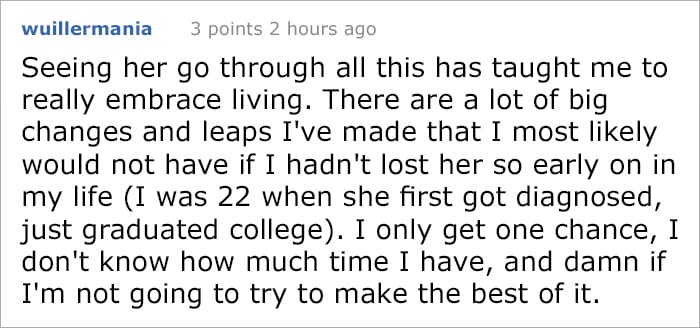
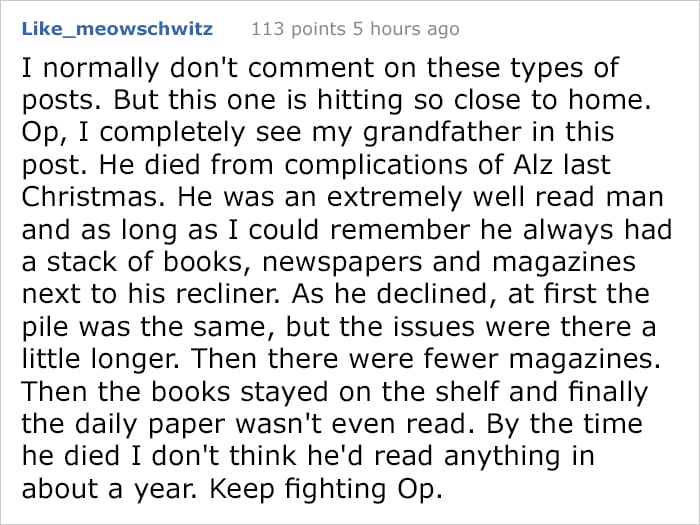
Degenerative diseases like Alzheimer’s are absolutely devastating. They affect not just the person suffering, but also all the loved ones who can only watch helplessly as someone they love so much gradually fades away. Alzheimer’s steals a person’s mind and memories. What’s worse, as the Reddit post below illustrates with heartbreaking accuracy, it also robs them of what makes them unique.
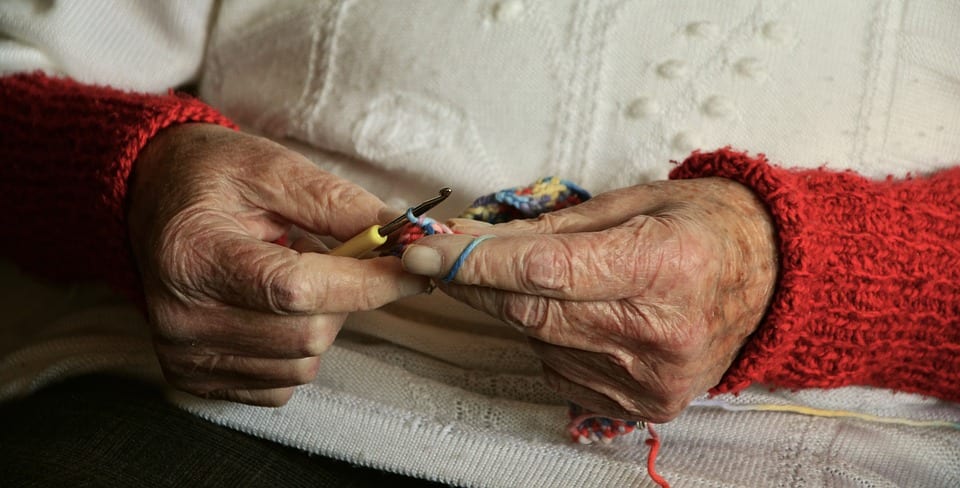
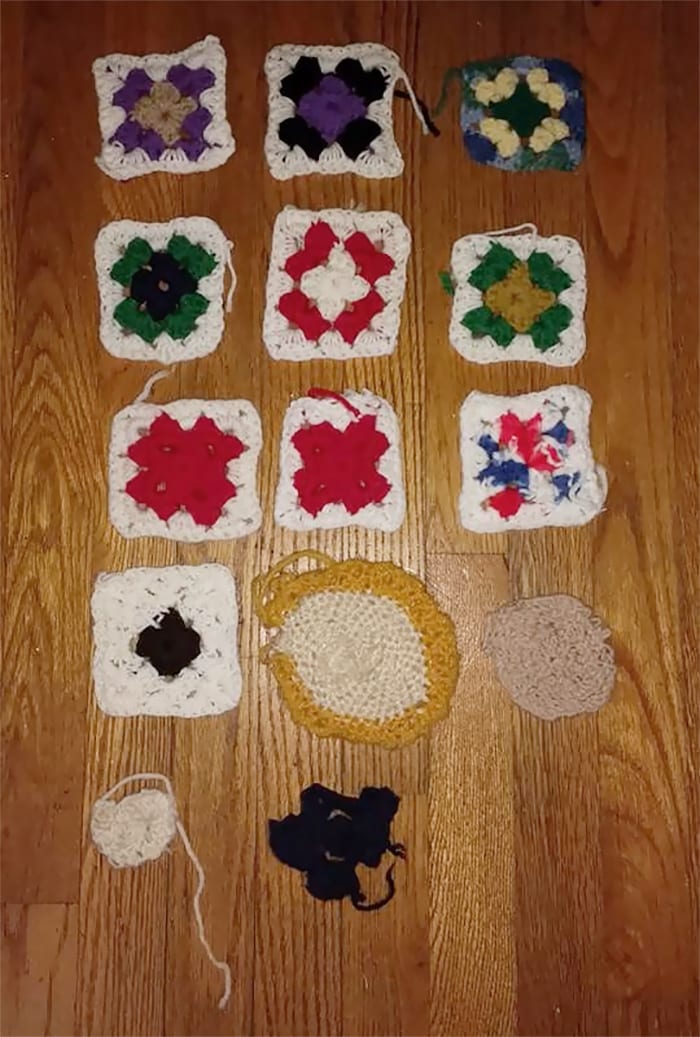
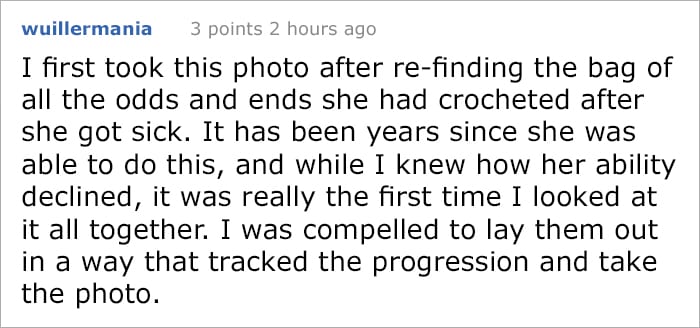
A 34-year-old Redditor from Camden, NJ, posted a photo that captures exactly what Alzheimer’s took from her mother — her ability to crochet, along with so much else.
The photograph shows 14 crocheted pieces that the woman knitted during the 2 years after her diagnosis, and the progression is breathtaking in the worst way possible.
You can clearly see her abilities fade along with her mind as she goes from knitting squares to circles to nothing at all.
“She made squares for a while, then the circles, then the little pieces of crochet, until she got to the point where she just carried around the needles and yarn in her purse,” the woman’s daughter wrote. “It has been a few years since she was able to speak and several since she was able to identify who I am.”
Her mother is just 66, and has already lived 12 years with her diagnosis, though it’s surely hard to say whether that is a blessing or a curse.
Others on Reddit responded with commiseration, stories of their own experience with the disease, and simple messages of encouragement to remind the woman she’s far from alone.
If you’re worried someone you love might be showing signs of Alzheimer’s or dementia, or if someone you love is suffering and you’re struggling to cope, please call the Alzheimer’s Association Helpline at 1-800-272-3900.
The company Vaev claims to be selling tissues that have already been sneezed into. For about $80 it seems that you get a box containing one infected tissue. The idea apparently is that you can infect yourself with a cold, and this will somehow strengthen your immune system, thereby protecting you from further colds or […]