This Doc’s Decision to Write His Name on His Scrub Cap is Making Hospitals Everywhere Safer

Most of us only have experience in hospitals and operating rooms as the patient, and between the whirlwind of prep and our own nerves it’s all but impossible to remember the names of the dozen or so people littering the room, never mind why they’re there in the first place.

It turns out that the surgeons, nurses, anesthetists, et al have similar issues with remembering each others names and roles, as well, which can slow them down and even cost patients their lives in extreme situations.

The World Health Organization surgical safety checklist requires all staff to introduce themselves before surgery, but Dr. Hackett noticed that the section of the checklist was ticked without being completed – and even when it was, names and duties would go in one ear and out the other.

“When it’s done properly,” he says, “there are a few giggles from people, which tells me it’s not done regularly.”

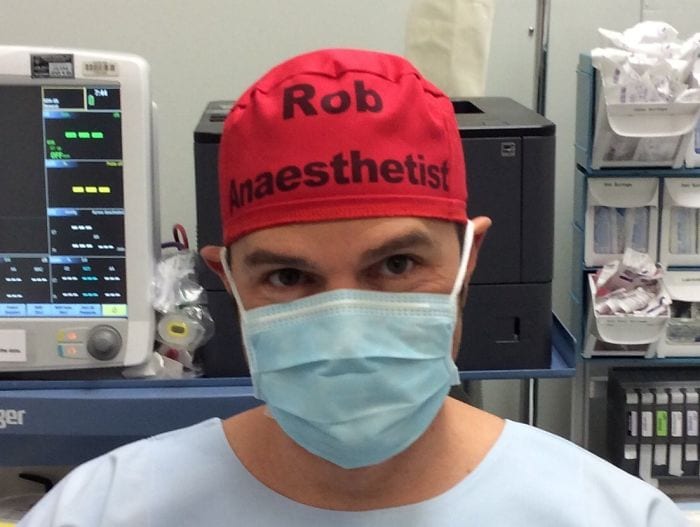
This is why Australian anesthetist Dr. Rob Hackett started wearing a scrub cap that said “Rob Anaesthetist” on it when entering an operating theatre. He challenged others to do the same through #TheatreCapChallenge, an initiative from the PatientSafe Network in response to concerns over how avoidable mistakes and poor communication can contribute to poor outcomes for patients.

Image Credit: Twitter

Dr. Hackett says he’s faced pushback from some doctors but hopes that in the future a wider range of professionals will jump on board.

“There were some snide remarks, like ‘can’t you remember your name?’ …While there’s been support for name & role caps from anaesthetic and obstetric societies, it’s interesting to observe that we’re yet to receive any active support from a surgical college. Here’s a golden opportunity for them to face up to the bullying nature they’ve been tarred with.”

Even though the movement has room to grow, medical professionals from across the globe are showing their support by making their own caps and tweeting selfies using his hashtag #TheatreCapChallenge. Others agree with Dr. Hackett that knowing everyone’s name can save vital, life-and-death seconds in an operating room.

While it may sound crazy to think just having to repeat something or ask someone’s name, when seconds literally count, no positive change is too small.

“I went to a cardiac arrest in a theatre where there were about 20 people in the room,” Dr. Hackett recalls. “I struggled to even ask to be passed some gloves because the person I was pointing to thought I was pointing to the person behind them. It’s so much easier to coordinate when you know everyone’s names. It’s great for camaraderie and it’s great for patients as well.”

His movement is picking up steam and the data suggests there are benefits that reach beyond his original intent.

“UK studies have shown increased name recall amongst staff from 42 to 85%, increased name and role introductions during the surgical safety checklist from 38 to 90%. Simulation studies at Stanford University in the US demonstrated greatly increased communication and theatre efficiency.”

Women who have c-sections and are generally awake in an operating theatre also benefit from being able to address the people around them and have an awareness of why they’re there, as well.

An unintended benefit of writing on a scrub cap could also be people choosing to purchase re-usable caps as opposed to single-use ones – as of now, a 20-theatre hospital discards over 100,000 of them every year and spends about $10k of its annual budget on disposable caps. The material they’re made from is harmful to the environment and takes forever to break down, so there’s an environmental and financial upside to switching.

Hackett believes that being forced to admit that they’ve been hurting – even killing – patients for years can be one reason people struggle with accepting his simple fix for the problem.

“Cognitive dissonance is one of the challenges that #TheatreCapChallenge has faced. It’s most likely to affect those who feel defined by their decisions, often those further up the chain of command – in accepting change they’ll need to accept that what was happening previously, on their watch as it were, was not as good.”

Here’s hoping our healthcare providers – all of them – can check their egos at the door in order to forge a better, safer future for everyone who finds their lives in a hospital’s hands.

The post This Doc’s Decision to Write His Name on His Scrub Cap is Making Hospitals Everywhere Safer appeared first on UberFacts.

It Turns Out Kids Who Are Obsessed with Dinosaurs Are Actually Smarter

Do you know a kid who absolutely LOVES dinosaurs? My nephew is obsessed with them, and I was the kind of kid who could describe a paleontologist’s job in great detail back in second grade.

If that describes your kids, that’s great news since a recent study found that kids who are obsessed with dinosaurs are smarter than kids who aren’t.

In the psychology world, this phenomenon is called “intense interests.” Roughly one-third of kids develop an intense interest in their lives but for most the obsession usually fades after the age of six.

Photo Credit: Flickr,Mike Mozart

A study from the University of Indiana and the University of Wisconsin found that an intense interest can “enhance perseverance, improve attention and enhance skills of complex thinking as the processing of information”, especially when the interest demands a conceptual domain.

Intense interests have also been shown to improve linguistic skills and are a good indicator of higher understanding. It’s also been shown that the way children study dinosaurs helps them develop strategies to tackle problems throughout their lives.

Interestingly, kids’ intense interest in dinosaurs develops in the first year of life without encouragement from their parents. As mentioned earlier, most of these obsessions pass and only 20% of kids still have the intense interest when they enter school.

Researchers believe that once kids start school and have to devote time to learning new things, they lose their free time to explore their interests. It is suggested that in order to keep your child’s interest alive as they grow up, parents should teach their kids facts about the subject as opposed to letting them have “pretend adventures.”

Make sure those kids keep learning on their own after they start school, and remember, if your child is obsessed with T-Rex, that’s a good thing!

The post It Turns Out Kids Who Are Obsessed with Dinosaurs Are Actually Smarter appeared first on UberFacts.

Sorry, Parents: Your Sleep-Deprivation is Here to Stay At Least Until Your Youngest Hits Kindergarten

Everyone knows that part of being a parent is not getting nearly enough sleep. When you bring a baby into your home you can kiss your regular 8 hours of beauty rest a night goodbye.

While some may think they’ll catch up on sleep eventually like once the baby starts sleeping all night, the science is in and…that’s just not true.

In fact, the science says it will take six whole years before parents get a decent night’s sleep after having a baby.

Image Credit: Pixabay

It seems hard to believe – sure, night feedings end fairly quickly (in retrospect), but kids are sick and they have nightmares and they wake up for no apparent reason and need a drink or to come sleep in your bed. Parenting is 24/7, and we know that, but researchers were still caught a bit off guard.

Study co-author Sakari Lemola, a psychology professor at the University of Warwick, commented in The Guardian:

“We didn’t expect to find that, but we believe that there are certainly many changes in the responsibilities you have.”

Previous research estimated that parents lose about 44 days of sleep during their child’s first year of life, with mothers being hit harder than fathers. That said, more and more fathers are accepting larger parenting roles and, as they often go back to work sooner, have fewer opportunities to nap during the day.

Image Credit: Pixabay

This study tracked the sleep of 2541 moms and 2118 dads over the course of six years. They parents reported births of children, as well as how well they slept on weeknights versus weekends. Women experienced the most lost sleep during baby’s first year, reporting a 1.7 point decline in sleep quality after their first children and another 1 point decline after the birth of each subsequent child. On average, moms lost about 40 minutes of sleep per night in that first year, and in the first three months they lost over an hour. Comparatively, dads lost only 13 minutes of sleep per night during their first year of parenthood.

Image Credit: Pixabay

Regardless of the differences, it took up to 6 years for both men and women to return to their normal sleep schedule after having a child. The results were also similar regardless of income, whether or not both parents worked, and single parenting.

There is a reason that sleep-deprivation is used as a torture device, and more than a few health reasons parents should be concerned – and take care to minimize the effects of a poor night’s sleep on their life and body.

Insufficient sleep is associated with car accidents, poor concentration and performance at work, increased illness, weight gain, and a higher risk of diabetes and cardiovascular disease.

Image Credit: Pixabay

Unfortunately, there’s not a whole lot you can do about it when you’ve got small children; if your little one needs you in the middle of the night you can’t really tell them to go piss up a rope and roll over.

But researchers did make a few suggestions.

“For parents, lifestyle management strategies might include stress management, exercise, enlisting help from family and friends and seeking the guidance of professionals such as therapists or physicians when needed.”

“Families benefit from prioritizing healthy sleep – this can be accomplished through limited caffeine intake, having a consistent and calming evening routine, keeping the bedroom dark, and reducing exposure to bright screens such as cell phones, tablets, and TVs close to bedtime.”

And take heart, mamas and daddies – six years will go by in a flash.

The post Sorry, Parents: Your Sleep-Deprivation is Here to Stay At Least Until Your Youngest Hits Kindergarten appeared first on UberFacts.
U.S. flight attendants have higher…

U.S. flight attendants have higher rates of breast cancer, uterine cancer, gastrointestinal cancer, thyroid cancer, and cervical cancer, when compared with the general public, likely due to regular exposure to cosmic ionizing radiation.

The U.K. is Seeing a Sudden Resurgence of Ancient Diseases

As we here in America battle with the comeback of diseases like measles, the United Kingdom is also struggling with the reemergence of old-school, Dickensian diseases gout and scarlet fever.

Data from the UK National Health Service shows a 52% increase in four key “Victorian diseases” since 2010/2011 – many of which were assumed to have disappeared along with chamber pots. The rise of sanitation, vaccinations, and modern science seemed to have these diseases on the run, but the recent data shows that they’re not going down without a fight.

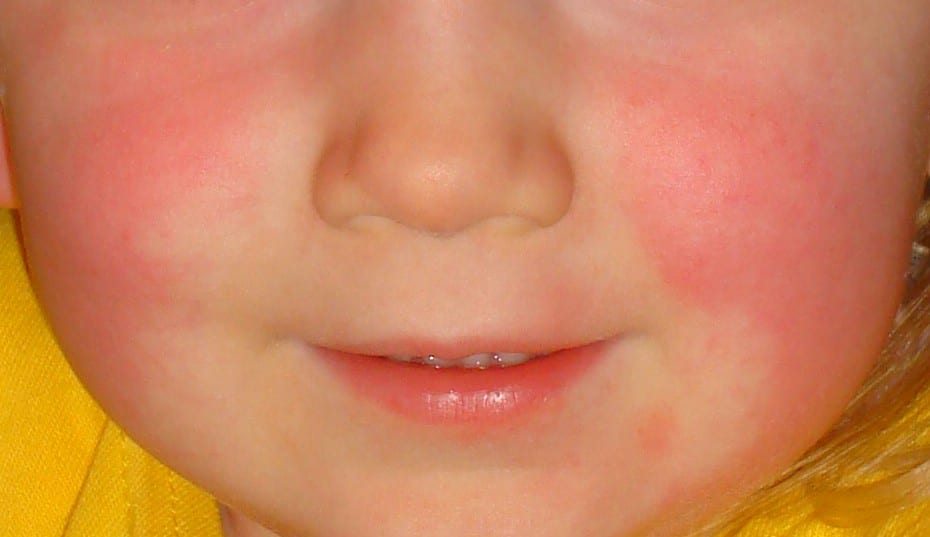
Cases of scarlet fever have increased by 208% in the past decade, going from 429 cases in 2010/11 to 1321 cases in 2017/2018. The disease was the leading cause of death in children in the early 20th century and presents with a sore throat, fever, headache, swollen lymph nodes, and a pink-red rash.

Scarlet fever rash
Image Credit: Wikipedia

A vaccine nearly wiped out whooping cough in the 1950s but hospital admissions are up 59%, and the instances of people experiencing gout are up 38% – almost 2000 more cases in 2017/2018 than there were 10 years before. Gout is associated with a poor diet, heavy drinking, an a general lack of concern over one’s health.

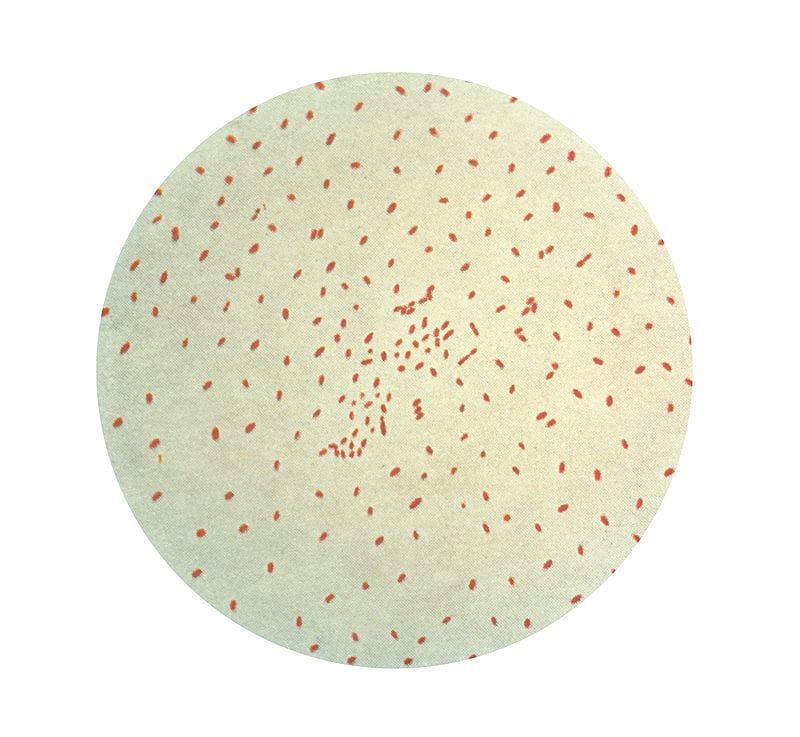
Whooping cough bacteria
Image Credit: Wikipedia

Life expectancy is stalling in the UK, too, and hospital admissions due to malnutrition are up 54%. Infant mortality rates are also on the rise, and as with everything else, the poorer people are suffering the most.

The culprit? Well, the data suggests large cuts to healthcare, social services, and other public services could be to blame. That said, the study was commissioned by a political party that is against the austerity programs, which should be taken into consideration.

The data is solid and from independent sources, however, so the truth can’t be denied – people in the UK are sicker than ever, dying younger than they were ten years ago, and generally struggling to stay well as people in Western Europe face none of the same challenges (in general).

I don’t know about you, but I hope to avoid all of these diseases in the modern world. All I’ve got is a vaccination and a prayer.

The post The U.K. is Seeing a Sudden Resurgence of Ancient Diseases appeared first on UberFacts.

This Man’s ER Experience in Taiwan Shows How Truly Messed up American Health Care Really Is

No matter what side of the political aisle you belong to, chances are most of you would agree that America’s healthcare system, as it currently stands, is pretty broken. Even if we can’t all agree about what the right solution may be, we definitely agree that it could certainly be better.

The fact is that, when it comes to healthcare, America actually lags behind the rest of the civilized world. We spend more exponentially more money to get significantly less coverage.

Most other first world countries offer government-funded universal healthcare – and that is also true in Taiwan, where one Kevin Bozeat has been living as an ex-pat. But unfortunately, he didn’t qualify for their healthcare and had no American health insurance, either, when he found himself super sick and in need of a trip to the emergency room.

He sucked it up and let his roommate call him a taxi, figuring he’d work out the payment when it came due (the way most of us regular people do here in the States).

Here’s what happened.

Image Credit: Facebook

tl;dr: His experience was awesome and even with no insurance, it cost him $80.

Of course, since this is the internet in America, people had to try to find every which way to prove that his experience was singular, or reasons why it wouldn’t work in the States, or to insinuate that Taiwan is somehow a poor, third world country (it’s not; their GDP is higher than Denmark’s).

So, Kevin did some legwork for us in the form of arguments against all of the “good points” people made about his original post.

Image Credit: Facebook

To sum up:

  1. The cost of living in Taiwan is about 50% of the cost of living in the U.S. Good luck going to any emergency room here for any reason and getting out of there for less than $160.
  2. Doctors do make less, but they’re still solidly middle class (and there are plenty of people willing to go into the field).
  3. The taxes in Taiwan do pay for healthcare but they’re not high – if you have their national healthcare it works out to about $70.53/month for a person who makes $60k/year.

He acknowledges that no system is perfect, but quotes the Ministry of Health in saying that “…the Taiwanese government believes that healthcare is a right for all of its citizens, rather than a privilege for those who can afford it.”

Everyone in Taiwan is covered (along with foreign permanent resident) is entitled to coverage regardless of employment status, and no citizen goes bankrupt due to medical bills.

It sounds like a utopia, but it’s not – most of the world has figured out how to make it happen. And according to Kevin, it’s time for his home country to stop making excuses.

The post This Man’s ER Experience in Taiwan Shows How Truly Messed up American Health Care Really Is appeared first on UberFacts.
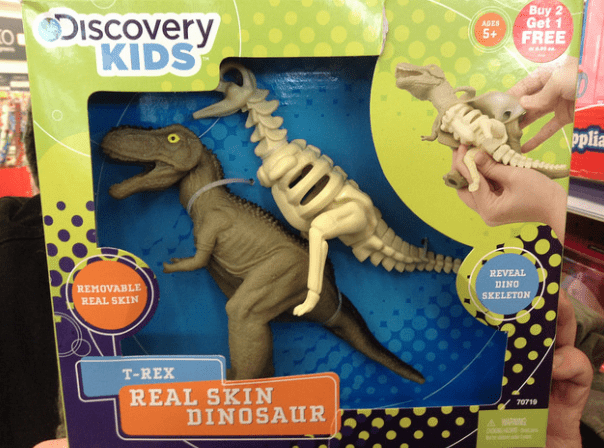
This Poor Gentleman’s Ginormous Poop Nearly Killed Him (Seriously)

You might be proud of your ability to “hold it” until you get home, until after the kids go to bed, until a more convenient time, but take heed, people – holding in your poo for too long can literally kill you.

Proof? This 53-year-old Australian man went to the emergency room with severe abdominal pain, swelling, nausea, and a sudden inability to feel or move his right leg. Doctors confirmed the leg was paralyzed – it also had no palpable pulse and was cold to the touch.

At first, physicians were stumped. The man had no history of drug abuse, no risk of vascular disease, and really no significant or out-of-the-ordinary medical history at all.

What he did have was a really, really big poo.

Image Credit: BMJ Case Report

Holy sh*t.

A rectal examination and abdominal scans revealed massive fecal compaction that was putting life-threatening pressure on his abdominal organs. There was so much of it that it had distended his large intestine and put pressure on his right iliac artery, which is what caused the pain and paralysis in his leg.

The case was serious – he was showing signs of renal impairment and metabolic acidosis – the man required surgery to remove the backlog of poo and relieve the building pressure. The team wrote a case report, which expanded on their findings.

“Significant faecal disimpaction was performed manually under general anaesthesia with approximately 2 liters of feces removed.”

Image Credit: BMJ Case Report

2 liters, y’all. How long had it been since he’d gone?!

He was given constipation relief during recovery and left the hospital after four days. He finally walked again after 13 days.

Doctors are unsure what caused the massive build-up, but there’s no doubt that not being able to (or choosing not to) poop for a long period of time is incredibly dangerous. A teenage girl with a toilet phobia actually died in 2015 after holding it for 8 weeks, and this guy would have suffered the same fate had he not visited the doctors when he did.

Like my grandfather always said, better out than in. Never go against your body when death is on the line, my friends. You’ll come out on the losing end.

The post This Poor Gentleman’s Ginormous Poop Nearly Killed Him (Seriously) appeared first on UberFacts.
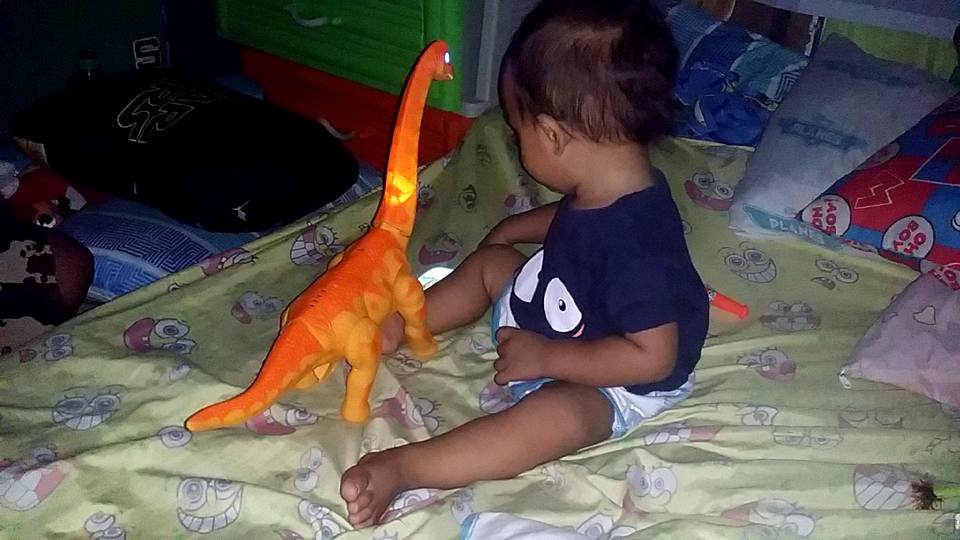
Calming Down is Easy with This Military-Approved Breathing Technique

Between work, your spouse, your kids/pets, politics, or the general state of the world, life is pretty stressful.

That’s why it’s essential to have great good coping mechanisms that you can bust out when necessary. This particular one is actually used by the military – arguably one of the most stressful jobs ever. Known as combat breathing, four-count breathing, or diaphragmatic breathing, it can really help bring you back to center.

Image Credit: YouTube

The tactic lowers your heart rate and helps you regain control of your breathing, explains clinical psychologist Belisa Vranich. She’s also the author of 2016’s Breathe: The Simple, Revolutionary 14-Day Program To Improve Your Mental and Physical Health.

Image Credit: YouTube

“It’s one you can use when things are blowing up around you – both literally and figuratively – and you need to be able to stay calm.”

Image Credit: YouTube

She demonstrates the tactic in the Business Insider video below – practice with her until you feel cool enough to tackle the rest of your day.

Of course, a cup of coffee never hurt, either.

The post Calming Down is Easy with This Military-Approved Breathing Technique appeared first on UberFacts.

Sorry, Night Owls: Your Brain Chemistry Could be Sabotaging Your 9-5 Schedule

I believe humanity can be divided into two basic categories: the morning people who are just bright-eyed and bushy-tailed the minute the sun comes up, and the night owls who hit their stride when the sun goes down.

While there’s nothing wrong with being one or the other, day people definitely have an advantage, since the world tends to operate on a 9-5 schedule.

“A huge number of people struggle to deliver their best performance during work or school hours they are not naturally suited to,” said lead researcher Dr. Elise Facer-Childs. “There is a critical need to increase our understanding of these issues in order to minimise health risks in society, as well as maximise productivity.”

Roughly 50% of people identify as a night owl, which for the purpose of the study meant going to bed “late” and rising after 8:20am.

Image Credit: Pixabay

If that’s the half of the world you fall into, this new study published in the journal Sleep proves it’s not just something you can up and change – your brain is physically and chemically different from those who leap out of bed in the morning.

The international team of scientists, led by the University of Birmingham in the UK, found that night owls have lower connectivity in the areas of the brain linked to consciousness. That means that during “normal” working hours, night people are affected by sleepiness, a lack of attention, and slower reaction times.

“This mismatch between a person’s biological time and social time – which most of us have experienced in the form of jet lag – is a common issue for night owls trying to follow a normal working day. Our study is the first to show a potential intrinsic neuronal mechanism behind why ‘night owls’ may face cognitive disadvantages when being forced to fit into these constraints,” explains Facer-Childs.

Image Credit: Pixabay

38 volunteers completed questionnaires and underwent MRI scans at various points of the day, all the while reporting how sleepy they felt.

Research concluded that morning people were less sleepy and had faster reaction times in the early morning working hours, while night owls hit their stride around 8 in the evening and struggled after rolling out of bed. Night owls did not, however, perform significantly better than morning people at 8pm, which could mean that society’s business hours could have a detrimental effect on those whose natural body rhythms encourage them to wake up later.

Facer-Childs explains how this can be applied to the real world:

“To manage this, we need to get better at taking an individual’s personal body clock into account – particularly in the world of work. A typical day might last from 9am-5pm, but for a night owl, this could result in diminished performance during the morning, lower brain connectivity in regions linked to consciousness and increased daytime sleepiness. If, as a society, we could be more flexible about how we manage time we could go a long way toward maximising productivity and minimising health risks.”

Which is to say, you just might have an argument if you want to lobby your boss for flexible work hours.

The post Sorry, Night Owls: Your Brain Chemistry Could be Sabotaging Your 9-5 Schedule appeared first on UberFacts.
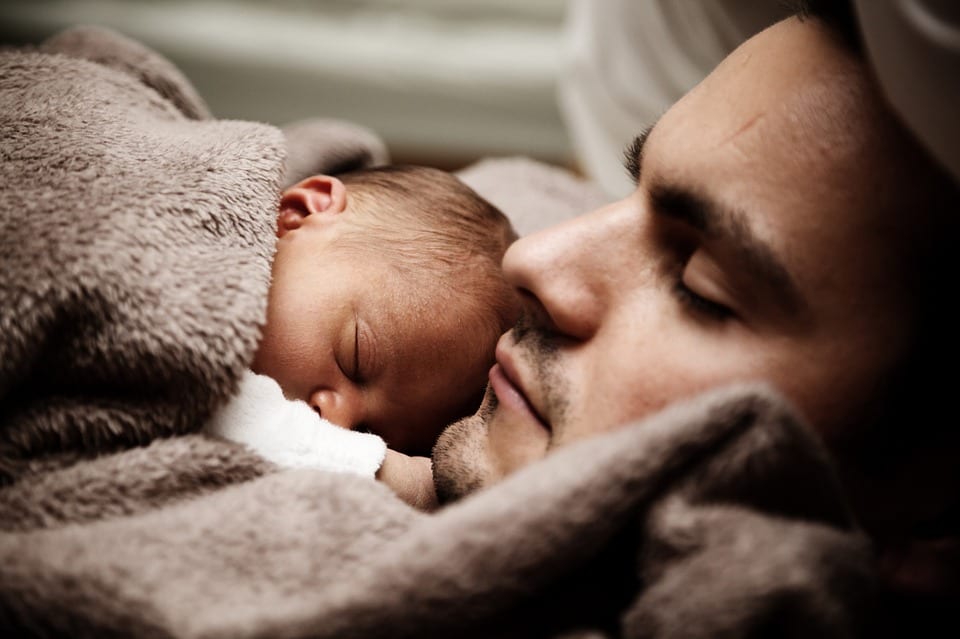
New Research Reveals Sleep Deprivation Can Actually Damage Your DNA

Tough news for anyone who’s having trouble getting enough sleep (so, basically all of us): a recent study published in Anaesthesia confirms that lack of sleep is so bad for your health, it can actually f*** up your DNA. This, in turn, can cause serious health problems down the road. It’s the first study to “quantify DNA damage directly in young adults who are required to work overnight shifts.”

The research team was out of Hong Kong and studied 49 healthy doctors. 24 of them worked overnight shifts between 5 and 6 times a month. The participants gave blood when they were rested and also after they pulled all-nighters, and gave other health information as well in order to rule out factors that could influence the study.

Image Credit: Pixabay

What they found was that even when the doctors who regularly went without sleep were well-rested, their DNA had lower gene expression, more DNA breaks, and generally appeared more damaged than those doctors who never stayed up all night.

Why does it matter? Well, DNA damage has been linked to a host of health issues, like heart attacks, diabetes, and certain types of cancer – a meta-analysis of 2 million people found a link between working night shifts and the incidence of breast tumors.

Dr. Siu-Wai Choi of Hong Kong University and senior author of the study, said in a statement:

“Although this work is very preliminary, it is clear from the results that even a single night of sleep deprivation can trigger events that may contribute to the development of chronic disease.”

This is, of course, just one single study, and more research is needed to determine the significance of the relationship between the DNA damage and the sleep deprivation. The sample doctors who were often pulling overnighters tended to be younger than the other group and all of the participants were of Chinese descent. A much wider study would need to be conducted to confirm findings.

Image Credit: Pixabay

“This study is important in that it will allow future researchers to study the impact of changing the way we work and other interventions by evaluation DNA breaks in the same way as the authors of this groundbreaking study have done.”

There are other factors that could come into play, like shift workers having a greater predisposition to suffering from chronic illness, changes to activity and eating patterns, and disruptions to circadian rhythms and sex hormone balances.

Even though the findings need to be confirmed, it seems safe to say that if you take care to do everything you can to stay healthy in the future, don’t skimp on the sleep – it’s as important as anything else you do with your body.

The post New Research Reveals Sleep Deprivation Can Actually Damage Your DNA appeared first on UberFacts.