Kitkat Will Start Using Paper Packaging That You Can Turn into Origami

We produce WAY too much waste and garbage, and that’s why this is some very welcome news.

Lately, we’ve been seeing a wave of huge companies try to ditch plastic in one way or another, and now KitKat is getting in on the action as well. Nestlé owns the iconic candy brand, and it recently started distributing KitKat Mini bars in Japan packaged in paper instead of plastic.

The best part? The new paper packaging comes with instructions on how to make an origami crane, which is a traditional Japanese symbol of thoughts and wishes.

Nestlé announced in January that it wants to have all of its products packaged in fully recyclable material by 2025. To give you an idea of how massive Nestlé’s empire is, the company’s beverage products alone made more than $20 billion last year. That’s a lot of drinks, no?

Japan is the biggest market in the world for KitKats (4 million are sold each day) and the company expects to cut down on about 380 tons of plastic each year with this groundbreaking decision.

Nestlé in Japan plans to debut paper packaging for the regular-sized KitKat multi-packs in September 2020, and for regular-sized individual KitKats in 2021. If that’s not progress, then I don’t know what is, friends.

Nice work, Nestlé. Let’s hope a whole lot of other huge corporations follow your lead sooner than later. Now all we need to do is think of some good instructions we could put in products for Americans…

Any ideas? Share them in the comments below!

The post Kitkat Will Start Using Paper Packaging That You Can Turn into Origami appeared first on UberFacts.

These Photos Show How Polluted America Was Before the EPA Cleaned It up

It’s difficult to imagine that there was a time when the Environmental Protection Agency (EPA) didn’t exist in the United States, but it actually wasn’t until 1970 that President Richard Nixon signed the order to create the agency.

From 1971 until 1977, the EPA hired freelance photographers to document just how bad the environmental problem was in the U.S. at the time.

These old photographs show just how polluted America’s air and waterways were before the EPA stepped in and cleaned them up. You can view more from the series here on Flickr.

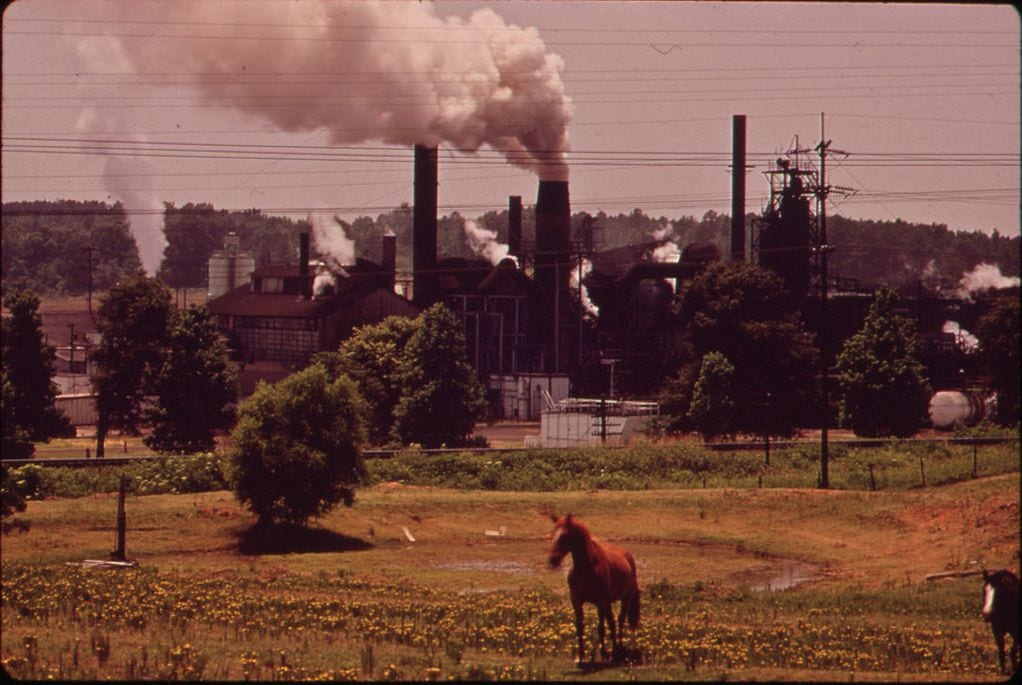
1. “The Atlas Chemical Company Belches Smoke across Pasture Land in Foreground”

Photo Credit: US National Archives

2. “Smog Hangs Over Louisville And Ohio River, September 1972”

Photo Credit: US National Archives

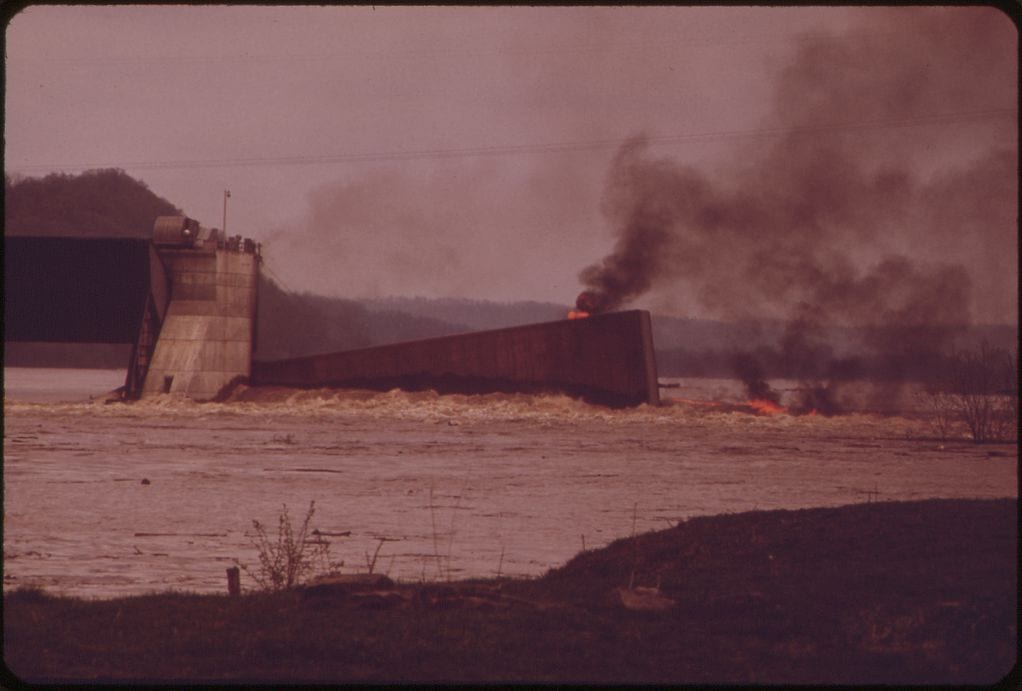
3. “Burning Barge On The Ohio River”

Photo Credit: US National Archives

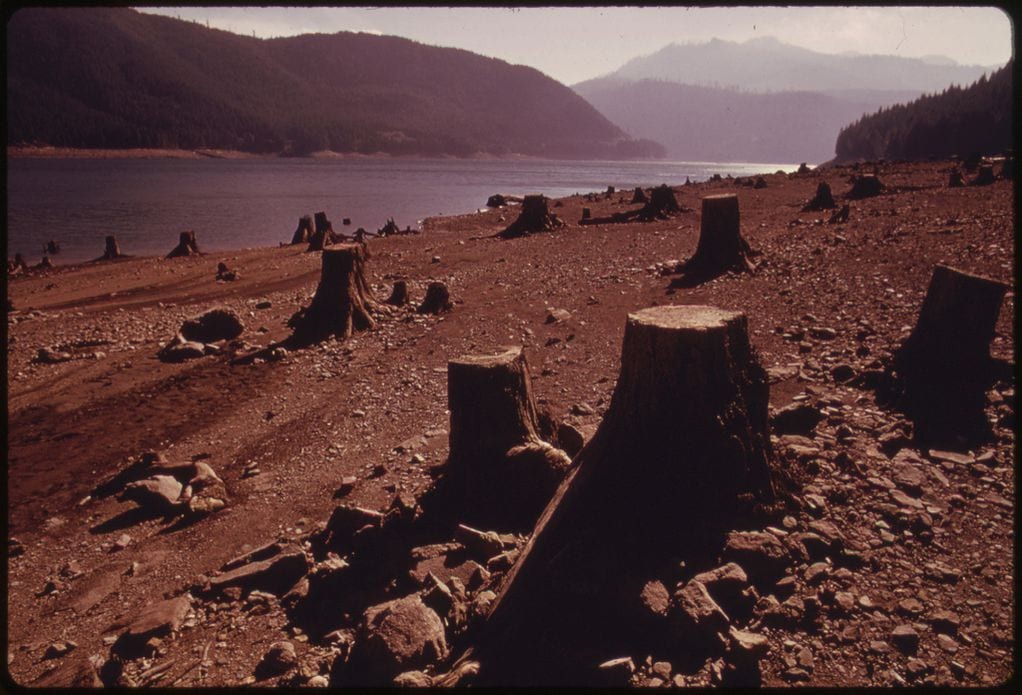
4. “Detroit Lake the Dam”

Photo Credit: US National Archives

5. “Paddlewheel Steamboats Seen From Banks Of Ohio River”

Photo Credit: US National Archives

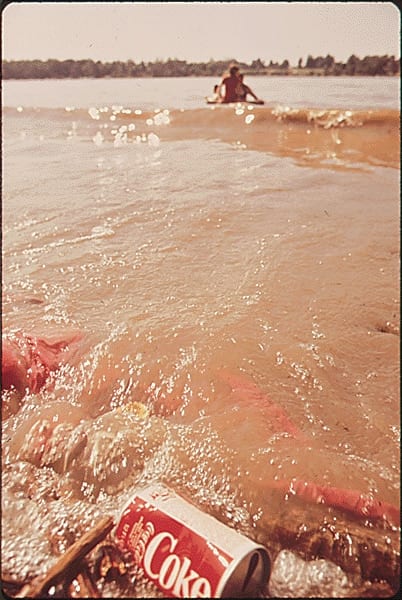
6. “Litter Left In The Ohio River”

Photo Credit: US National Archives

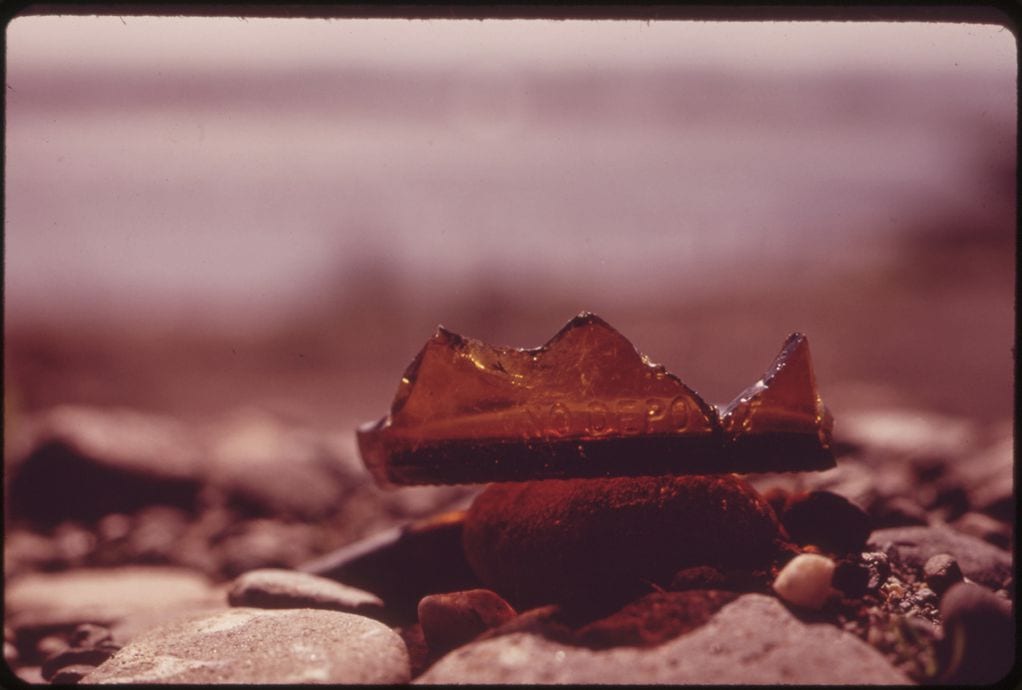
7. “Broken Glass From “No-Deposit, Non-Returnable” Bottles Along the Washington Shore of the Columbia River in a Public Picnic Area”

Photo Credit: US National Archives

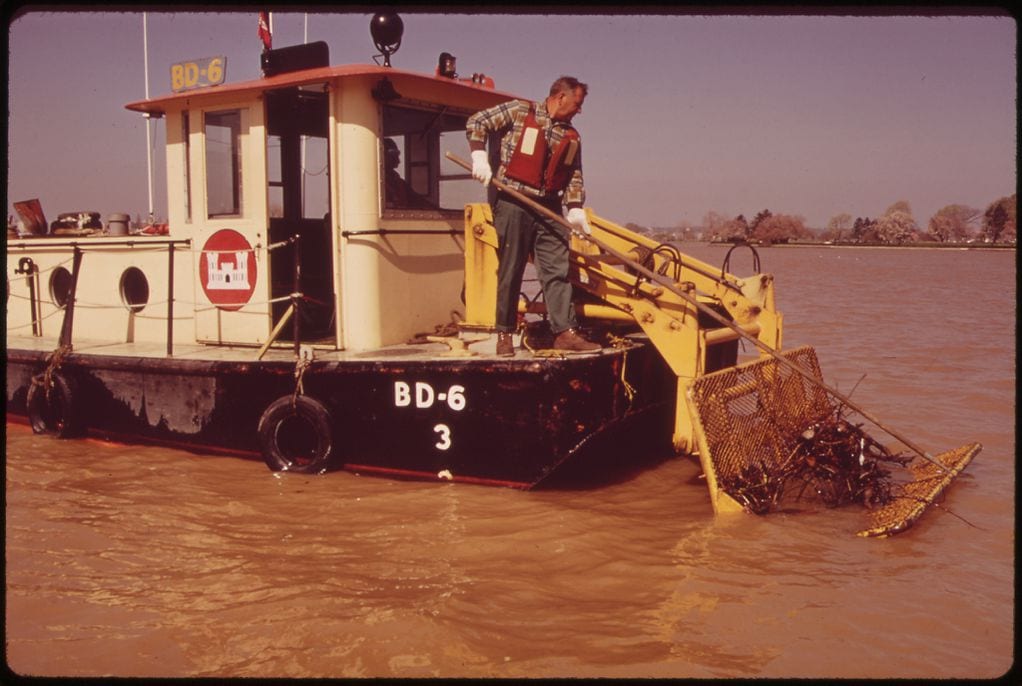
8. “The Job Of Clearing Drift From The Potomac And Anacostia Rivers Is Done By The Army Corps Of Engineers”

Photo Credit: US National Archives

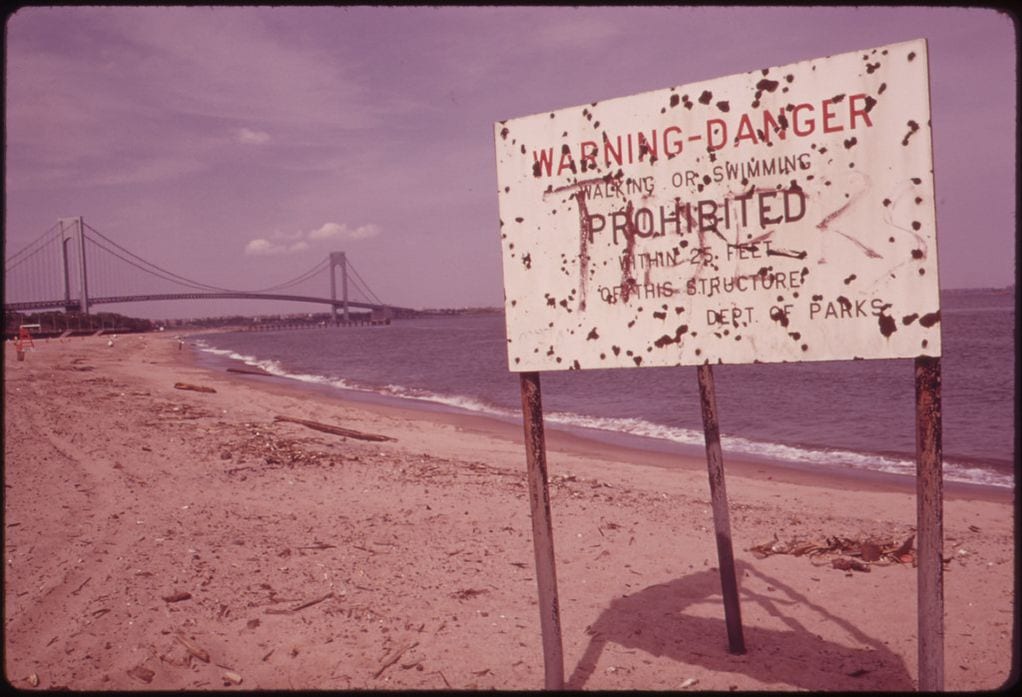
9. “Warning of Polluted Water at Staten Island Beach Verrazano-Narrows Bridge in Background”

Photo Credit: US National Archives

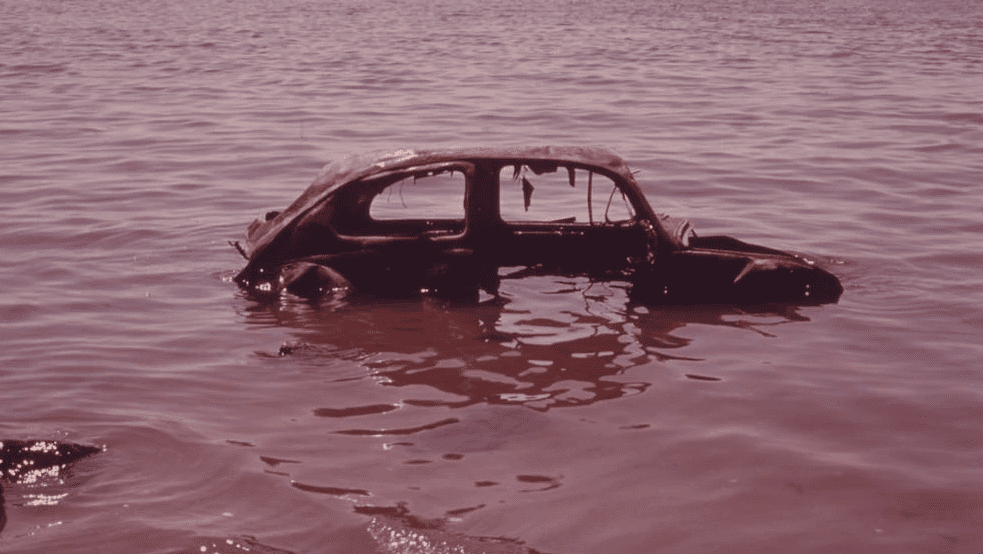
10. “Abandoned Car in Jamaica Bay”

Photo Credit: US National Archives

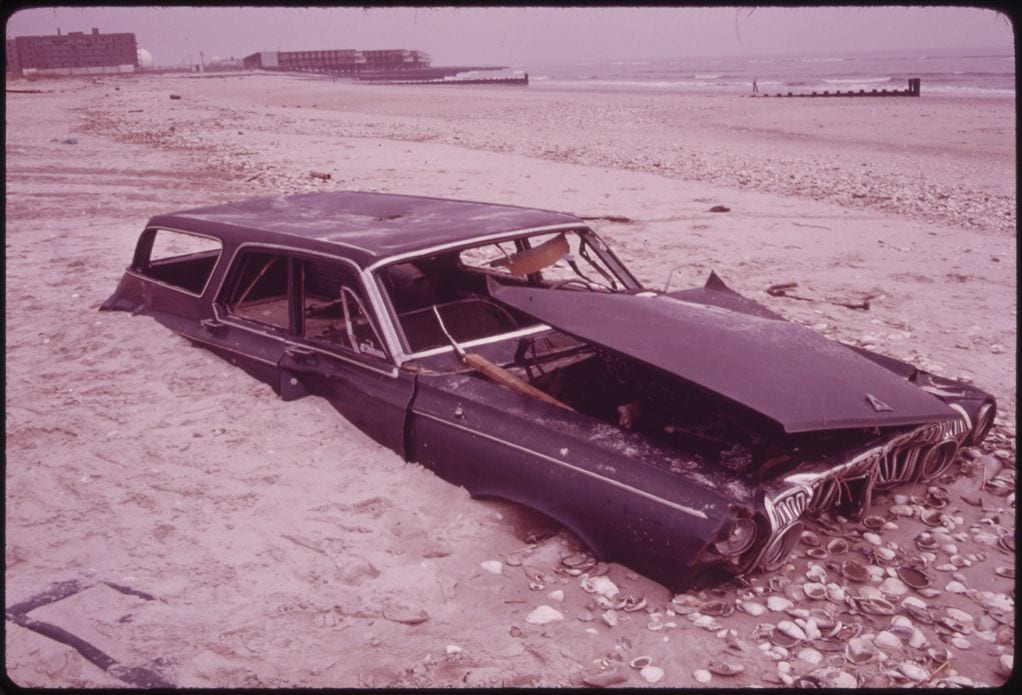
11. “Sand Covers Abandoned Car on Beach at Breezy Point South of Jamaica Bay”

Photo Credit: US National Archives

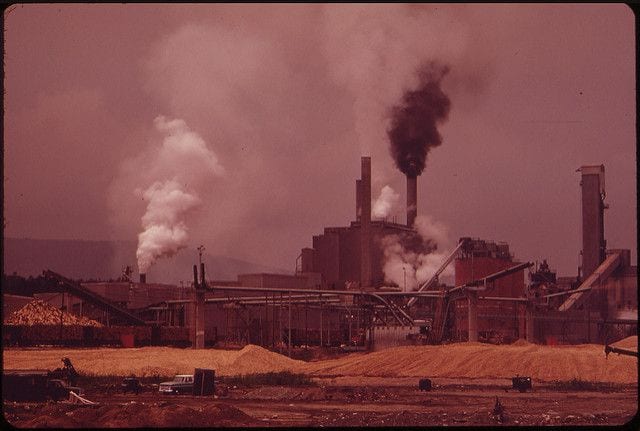
12. “Outflow Pipe 6 of the Oxford Paper Company Will at Rumford on the Androscoggin River”

Photo Credit: US National Archives

13. “Mary Workman Holds A Jar of Undrinkable Water That Comes from Her Well, and Has Filed A Damage Suit Against the Hanna Coal Company”

Photo Credit: US National Archives

14. “International Paper Company Mill at Jay on the Androscoggin River”

Photo Credit: US National Archives

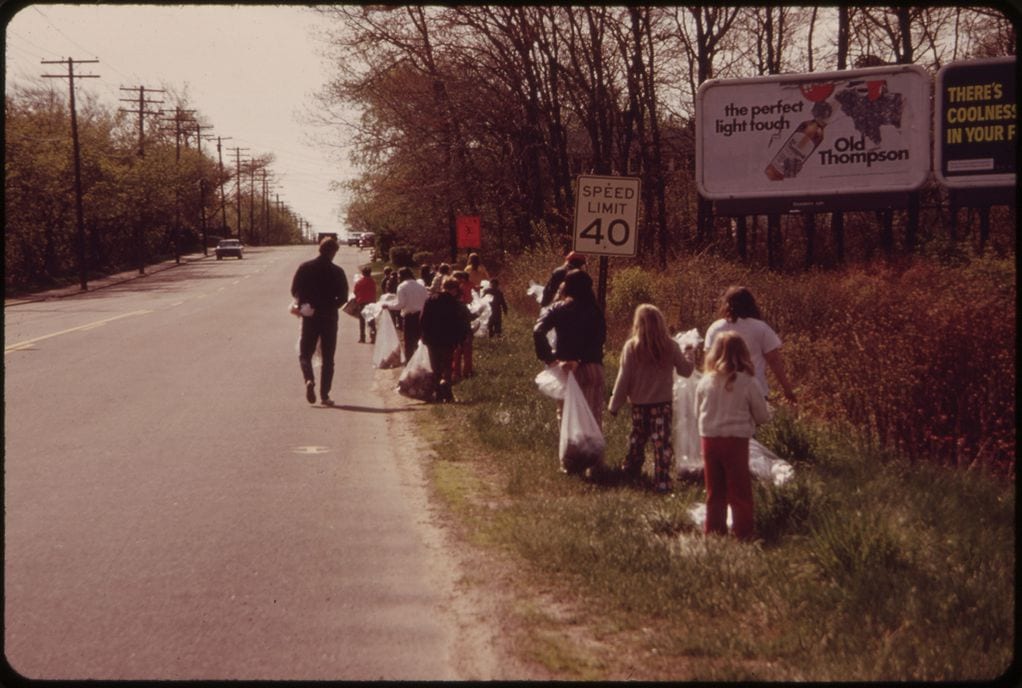
15. “Cleaning Up the Roadside in Onset”

Photo Credit: US National Archives

Powerful photos, that’s for sure.

The post These Photos Show How Polluted America Was Before the EPA Cleaned It up appeared first on UberFacts.

500 Million Brazilian Bees Died in Only Three Months

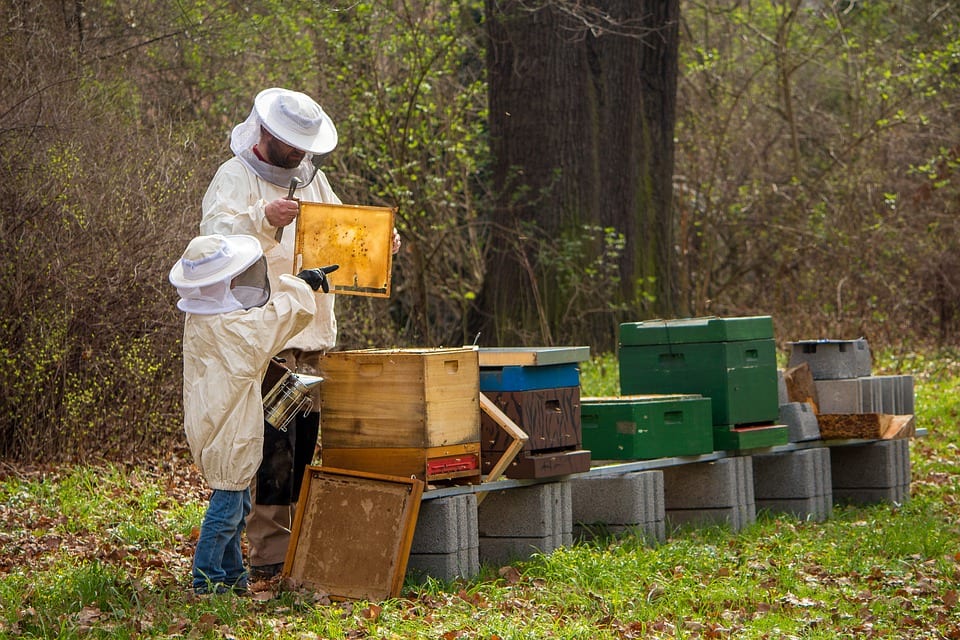
You’ve probably heard by now that the world’s ability to produce food is connected to the availability of a thriving bee population. Bees are nature’s most integral pollinators, responsible for pollinating 75% of the world’s crops.

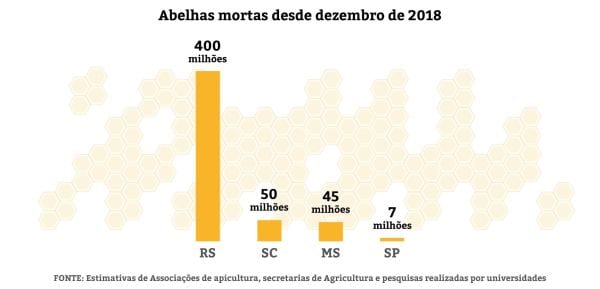
And they’re dying at a rate that’s almost impossible to comprehend – to the tune of 500 million bees in Brazil alone in just three month’s time.

Image Credit: Pixabay

Between December 2018 and February 2019, 400 million bees in Rio Grande do Sul, 7 million in Santa Catarina, and 45 million in Mato Grosso do Sul lost their lives, and Aldo Machado, the vice president of Brazil’s Rio Grande do Sul’s beekeeping association, is concerned.

Image Credit: scrural.gov

“As soon as the healthy bees began clearing the dying bees out of the hives, they became contaminated. They started dying en masse.”

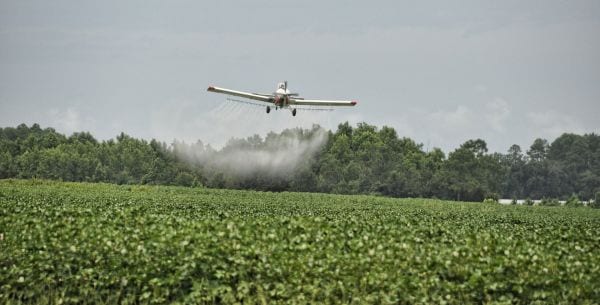
Researchers are blaming Brazil’s decision to allow the use of 300 new pesticides on crops in 2019; many of the dead bees contained traces of fipronil, an insecticide commonly used to rid dogs and cats of fleas and ticks.. The U.S. EPA classifies it as a possible human carcinogen, but if you’ve got a dog, you may have some in your house.

Image Credit: scrural.gov

Alberto Bastos, the president of the Apiculturist Association of Brazil’s Federal District, told Bloomberg that the “death of all these bees is a sign that we’re being poisoned.”

Not to mention that bees provide billions of dollars worth of agricultural benefits that will disappear along with them if they go.

Image Credit: Pixabay

Will people listen? Will it be too late by the time food shortages begin to make their way into developed corners of the world?

Only time will tell, but the people who are hearing what the bees have to tell us are already beating the drum.

The post 500 Million Brazilian Bees Died in Only Three Months appeared first on UberFacts.

This Isn’t Good…Microplastics Are Falling from the Arctic Sky

Do you know about microplastics?

Microplastics are defined as any plastic fragment less than 5 millimeters in length, and at this point they have been found in every corner of the globe. They come from any number of sources – from rubber tires to paint and cosmetics to toothpaste tubes and synthetic clothing – and the ubiquitous nature of them in the environment has scientists worried about harm.

In fact, they are so ubiquitous at this point, that they’ve been documented falling with snow in the Arctic…even though there’s practically no people there.

A new report in Science Advances documents tiny plastic fibers found across two dozen Northern Hemisphere locations, from the remote Arctic ice to the Swiss Alps. Perhaps most concerning was finding that the “pristine” Arctic snow contained up to 14,400 microplastic particles per liter (snow in parts of rural Bavaria, in southern Germany, contained up to 154,000 ppl).

Because they’ve been found falling from the sky, there’s now a question of whether people might be breathing microplastics. Though scientists are currently uncertain what, if any, impact inhaling (inhaling!) them could have on humans and other wildlife, there have been plenty of documented cases of marine life ingesting larger plastic pieces to extreme detriment, and that might definitely lead one to worry, says Dr. Melanie Bergmann.

View this post on Instagram

Clearly there is no place on Earth that micro-plastic can not reach – having been repeatedly found in seawater, drinking water and all species of animals. But these minute particles are also transported by the atmosphere and subsequently washed out of the air – especially by snow – in remote regions of the Planet – such as the Arctic and the Alps. This was demonstrated in a study conducted by experts at the Alfred Wegener Institute which recently published their finding in the journal Science Advances. It would be interesting to discover how much micro-plastic is ingested by humans and the amount retained in our bodies during ones lifespan. #microplastics #environment #planetearth #awarenessbuilding #alfredwegenerinstitut

A post shared by Pharah Foundation (@pharah_foundation) on

“To date, there are virtually no studies investigating the extent to which human beings are subject to microplastic contamination. But once we’ve determined that large quantities of microplastic can also be transported by the air, it naturally raises the question as to whether and how much plastic we’re inhaling.”

Now that microplastics have fallen with the snow in the most remote Arctic locations, there can be no doubt that our addiction to plastics out of control. And if that’s not disturbing enough, we’re almost definitely breathing in small fibers every single day.

The pieces of plastic found in the study ranged from 11 micrometers to 5 millimeters and consisted of rubber, varnishes, and other forms of plastic.

Like plant pollen, the tiny fibers are swept up into the air where they tumble along in currents that flow from one end of the earth to the other, only to fall down with the rain or snow wherever it washes onto the earth.

Which is to say, we can’t escape the problem we’ve created.

The only question left is, how much is it hurting us?

The post This Isn’t Good…Microplastics Are Falling from the Arctic Sky appeared first on UberFacts.

Women in Africa Are Recycling Plastic into Bricks for a Schoolhouse

Tthe world produces over 300 million tons of plastic every year, much of which quickly goes into the trash where it takes centuries to decompose. In Abidjan, Ivory Coast, women are putting plastic garbage to good use by turning it into bricks to build schools, New York Times reports.

Many women in Abidjan make a living by gathering plastic waste from city streets and selling it to recycling centers. Those same women are now working with a Colombian company to convert the waste into bricks to build schools.

The project will result in hundreds of classrooms to serve about 26,400 students — plus, it’s an opportunity for the women to make a better living.

Many schools in the area are built out of traditional mud-bricks and wood. These buildings require a lot of upkeep, as they easily erode in the sun and rain.

The buildings made out of recycled plastic, on the other hand, will last practically forever. In this context, plastic’s slow decomposition is a benefit.

Also, the country’s classrooms are severely overcrowded, with up to 90 students in each class. Additional classrooms are desperately needed.

Since Abidjan produces about 300 tons of plastic waste a day, there’s plenty of plastic to use. Each classroom takes about five tons of plastic waste.

The company converting the waste, Conceptos Plásticos, initially produced the bricks at a factory in Colombia, but they are now building a factory in Abidjan, which will make the classrooms much cheaper to produce.

Several classrooms are already up and running, and the project plans to deliver 528 total, each of which will fit 50 students.

The post Women in Africa Are Recycling Plastic into Bricks for a Schoolhouse appeared first on UberFacts.

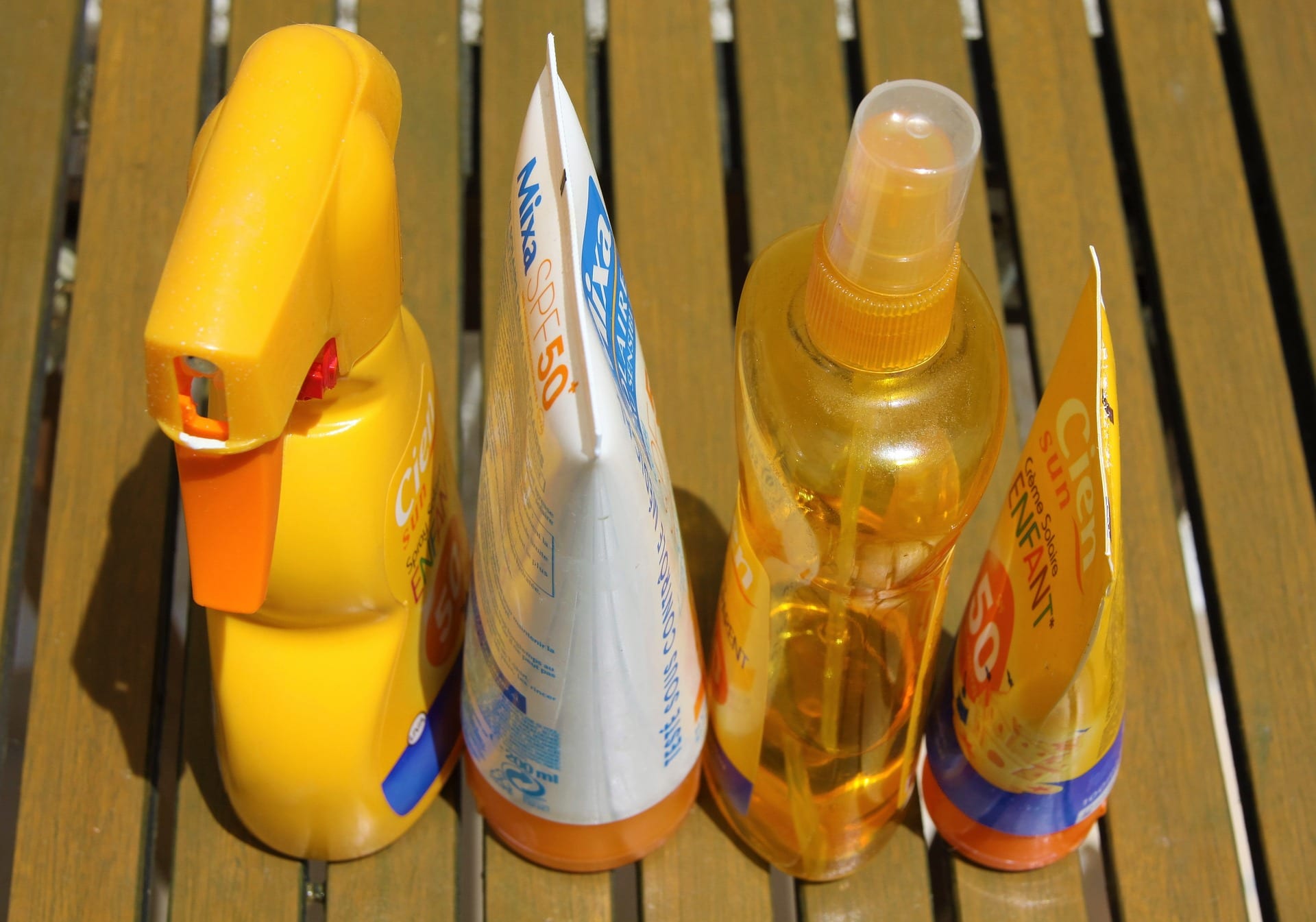
The Sunscreen You Wear May Be Harming the Environment

There are a lot of sunscreens that are claiming to be “reef friendly” these days.

Photo Credit: Public Domain Pictures

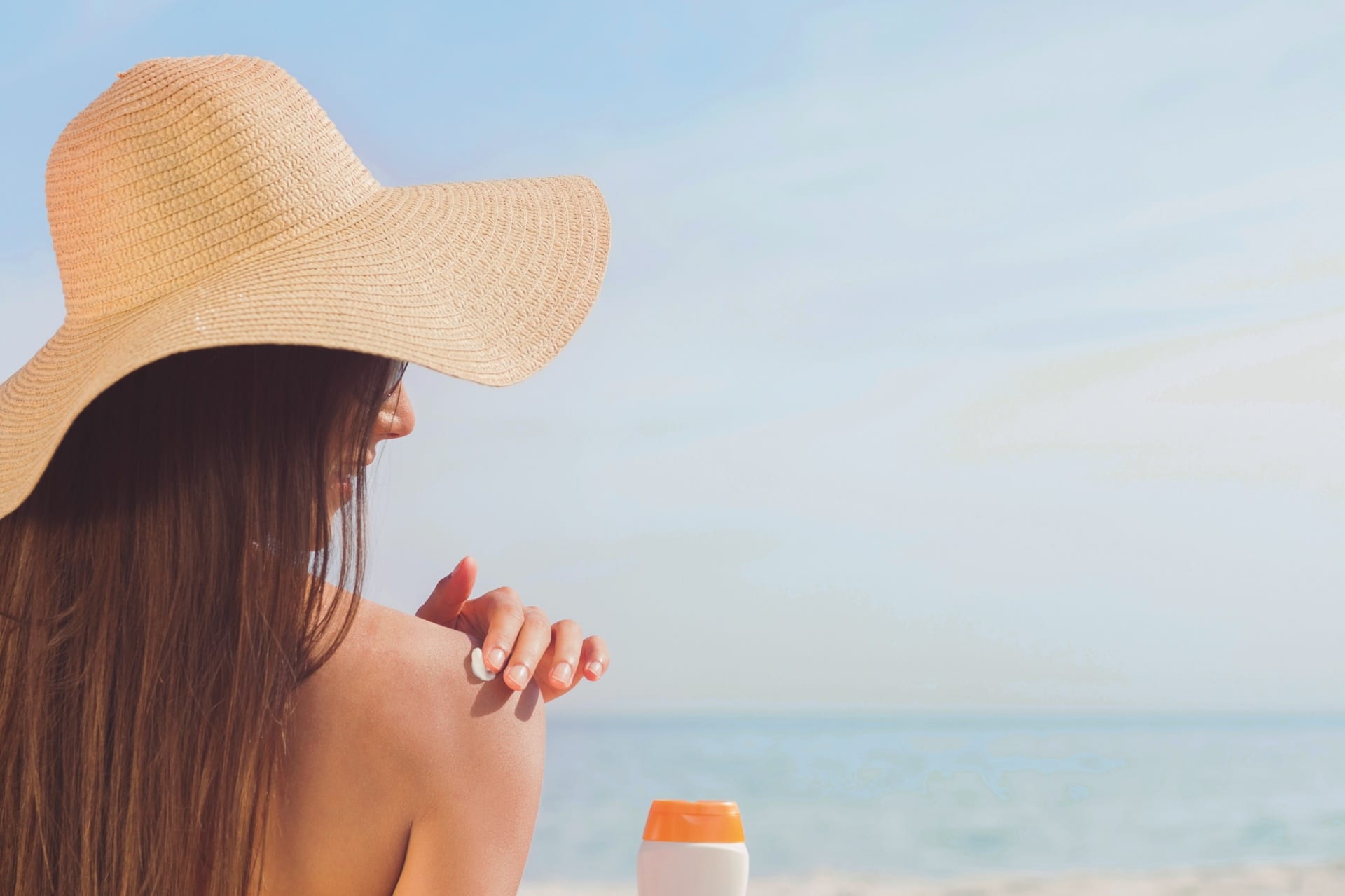
A new label on sunscreens allows consumers to see at a glance how safe the product is for ocean life. If you see the words “reef friendly” printed next to an image of a coral, then the sunscreen should be lacking damaging chemicals. Should be…

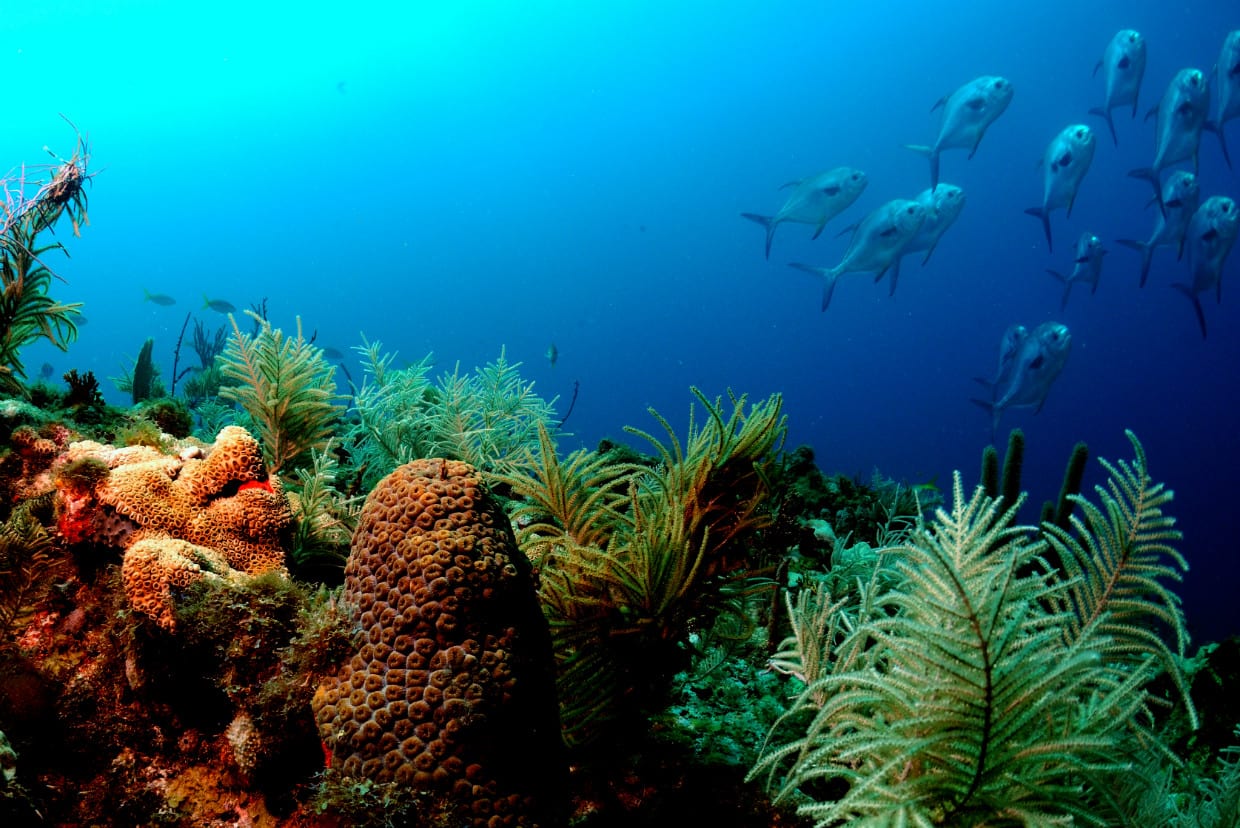
A couple of years ago, a report about the effects of sunblock use in the oceans was published by the Environmental Contamination Toxicology journal. According to the study, the common sunscreen ingredients octinoxate and oxybenzone are capable of contributing to bleaching in coral reefs.

Since then, Palau, Hawaii and Key West, Florida, have banned consumer use of these sunblock ingredients. Other tropical locations popular with vacationers, like Mexico, advise visitors about the potential of damage.

Photo Credit: Pixabay

Out of concern for the reefs, many companies like ThinkSport and All Good Sport offer coral friendly formulas. Other brands, such as Coppertone (for their Water Babies line) and Alba Botanical use minerals as a blocker. Thankfully, these sunscreen alternatives are easy to find.

Everyone should want to keep coral reefs from bleaching because the phenomenon is devastating to ocean health. But before you throw out all your drugstore sunscreen and suntan lotions, something to note: some environmentalists and scientists have come out against the report.

This is because Coral reef damage is caused more by environmental factors, such as climate change and pollution, than beach-goers slathered in sunscreen. Even if octinoxate and oxybenzone were successfully eliminated from the ocean, the damage would continue.

Photo Credit: Flickr

Also, the reef-friendly labeling itself is an issue. As is typical with other kinds of labeling—for example, food sold as all-natural or whole grain—there are no set standards. Consumers may be misled to believe they are using a reef safe sunblock because any manufacturer can make the claim. Consumer Reports also consistently finds mineral based sunscreens as not matching their SPF claims.

But because tropical beaches and diving spots do test for elevated levels of sunscreen, it wouldn’t hurt to use products without octinoxate and oxybenzone. Even if there are larger issues than sunscreen in the decline of the world’s coral reefs, every little stressor adds to the cumulative effect. So using reef-safe sunblock may not solve the issue, but it prevents you from being a direct contributor. Plus, they’re not even that expensive.

From an environmental standpoint, small changes sometimes result in big wins.

The post The Sunscreen You Wear May Be Harming the Environment appeared first on UberFacts.

In the Last Two Years, Scientists Have Discovered over 50 Species of Plastic-Eating Fungi

This is great news!

If you feel a pang of guilt every time you throw a piece of plastic away and start spiraling into anxiety about the impending climate apocalypse — here is some news that may brighten your day.

Plastic is infamous for its ability to pollute the environment for years and years without degrading. But because the planet is magical, there are certain organisms that can degrade plastic. Dozens and dozens of them, apparently.

In 2011, students at Yale discovered a plastic-eating fungus in Ecuador called Pestalotiopsis microspora. This fungus can digest polyurethane, even in an air-free environment (like the bottom of a landfill).

Photo Credit: iStock

This breakthrough was already good news, but as researchers continued to turn their attention to the subject, it became clear that Pestalotiopsis microspora is not unique among fungi in its ability to degrade plastic.

Researchers at Utrecht University were able to achieve a similar result with Oyster mushrooms and Split gill mushrooms in the lab; this process even resulted in an edible end product. In 2017, scientist Sehroon Khan and his team found another biodegrading fungus in a landfill in Pakistan called Asperillus tubigensis, which is capable of breaking down polyester polyurethane (packing foam).

Sehroon and his team went on to find over 50 other species of plastic-eating fungus since 2017.

Photo Credit: Wikimedia Commons

Scientists still have a long way to go before this research is applicable on a large scale as a means of plastic recycling.

Still, this is proof that anything is possible here on Planet Earth. You never know where new solutions are going to come from.

The post In the Last Two Years, Scientists Have Discovered over 50 Species of Plastic-Eating Fungi appeared first on UberFacts.
A Grocery Store Gives Customers Embarrassing Plastic Bags to Encourage Them to Bring Their Own

A trend has developed in recent years where we’re seeing cities, counties, and grocery stores completely banning the use of single-use plastic bags altogether. So while there is some progress, we still have a long way to go.

One grocery store in Vancouver, British Columbia, decided to try to convince their customers NOT to use plastic bags in a very unique, and hilarious, way.

East West Market is offering customers plastic bags with fake slogans and fake businesses that no one, and I mean no one, would want to be seen with. How’s that for a deterrent? Embarrassment always works, people.

How would you like to carry a bag around town that said, “Into the Weird Adult Video Emporium,” “Dr. Toews’ Wart Ointment Wholesale,” or “The Colon Care Co-op”? You’d probably never be able to look your neighbors in the eye again.

The bags have the tag line “Avoid the shame. Bring a reusable bag” printed on them as well. Customers also have to pay five cents per plastic bag at East West Market if they don’t bring their own bags.

The owner of East West Market, David Lee Kwen, said about the project, “We wanted to give them something humorous, but also something that made them think at the same time. It’s human nature not to want to be told what to do.”

One downside has been that because the bags went viral online, people are paying the five cents to collect them. Kwen said, “Some of the customers want to collect them because they love the idea of it. It’s a double-edged sword. We wanted to address an issue, but we’ve also made something popular. Our aim was to start a conversation that could go beyond people just remembering their reusable bags when they come to our market—and we’re glad that the conversation has kept growing, with anyone who’s seen or interacted with the bags.”

Hey, at least people are taking notice, right?

Just do us a favor and bring a reusable bag next time you go grocery shopping, okay?

We’ll all be better off.

The post A Grocery Store Gives Customers Embarrassing Plastic Bags to Encourage Them to Bring Their Own appeared first on UberFacts.
A Grocery Store Gives Customers Embarrassing Plastic Bags to Encourage Them to Bring Their Own

A trend has developed in recent years where we’re seeing cities, counties, and grocery stores completely banning the use of single-use plastic bags altogether. So while there is some progress, we still have a long way to go.

One grocery store in Vancouver, British Columbia, decided to try to convince their customers NOT to use plastic bags in a very unique, and hilarious, way.

East West Market is offering customers plastic bags with fake slogans and fake businesses that no one, and I mean no one, would want to be seen with. How’s that for a deterrent? Embarrassment always works, people.

How would you like to carry a bag around town that said, “Into the Weird Adult Video Emporium,” “Dr. Toews’ Wart Ointment Wholesale,” or “The Colon Care Co-op”? You’d probably never be able to look your neighbors in the eye again.

The bags have the tag line “Avoid the shame. Bring a reusable bag” printed on them as well. Customers also have to pay five cents per plastic bag at East West Market if they don’t bring their own bags.

The owner of East West Market, David Lee Kwen, said about the project, “We wanted to give them something humorous, but also something that made them think at the same time. It’s human nature not to want to be told what to do.”

One downside has been that because the bags went viral online, people are paying the five cents to collect them. Kwen said, “Some of the customers want to collect them because they love the idea of it. It’s a double-edged sword. We wanted to address an issue, but we’ve also made something popular. Our aim was to start a conversation that could go beyond people just remembering their reusable bags when they come to our market—and we’re glad that the conversation has kept growing, with anyone who’s seen or interacted with the bags.”

Hey, at least people are taking notice, right?

Just do us a favor and bring a reusable bag next time you go grocery shopping, okay?

We’ll all be better off.

The post A Grocery Store Gives Customers Embarrassing Plastic Bags to Encourage Them to Bring Their Own appeared first on UberFacts.

The world’s purest fresh…

The world’s purest fresh water has been found on the southern tip of Chile, in a town called Puerto Williams, after numerous scientific studies. The water has been found to have only two chemical parts per million, hence making it the world’s cleanest.