This “Revolutionary” New Air Filtering Device Might Be a Big Deal in the Fight Against Climate Change

Are you listening? Good.

A carbon dioxide filtering device that can capture carbon dioxide from the air at just 400 parts per million has been hailed as a “revolutionary” instrument for tackling our climate crisis.

Sahag Voskian and T. Alan Hatton, chemical engineers at MIT, developed the method, which captures CO2 by passing air through special charged plates.

Carbon dioxide from the gas intake reacts with the electrodes in the device. Each electrode is coated with a carbon nanotubes and a polyanthraquinone compound. The device acts sort of like a battery, and as it charges, it absorbs carbon dioxide passing over the electrodes. As it discharges, it releases the greenhouse gas it has collected.

The carbon dioxide it releases during the discharge can be recycled to feed greenhouse plants, or even used in carbonated beverages.

Dr. Voskian said, “All of this is at ambient conditions — there’s no need for thermal, pressure, or chemical input. It’s just these very thin sheets, with both surfaces active, that can be stacked in a box and connected to a source of electricity.”

The biggest advantage to this way of filtering is the low energy cost: one gigajoule of energy for every ton of carbon dioxide captured. Compare that to the 1-10 gigajoules (depending on the concentration of CO2 taken in) used by alternative methods. Plus, if to expand the systems capacity, they only need to add more electrodes!

Photo Credit: Wikipedia

The study describing the new system was published in the journal Energy and Environmental Science.

The scientists have even created a company called Verdox that plans to build a plant to scale the process up for commercial use.

Cleaner air with lower energy. There’s a real future for that.

The post This “Revolutionary” New Air Filtering Device Might Be a Big Deal in the Fight Against Climate Change appeared first on UberFacts.

10 Simple Ways You Can Help out the Environment

There are always little things you can do to help out the environment. Even if they seem inconsequential to you, taking small steps adds up – especially when countless other people are out there doing the same thing.

So try to implement these habits into your daily lives, and we’ll all be better for it in the long run.

Cause we’ve got a crisis on our hands, and every little bit helps.

1. Turn down the brightness on your monitor.

Desk Upgrade

You can save up to 20% of your monitor’s energy just by adjusting your brightness from 100% to 70%. Go on and do it now…I’ll wait.

2. Think about your music streaming.

Headphones

A study says that today’s music streaming might produce up to double the greenhouse gas emissions as compared to music streaming in the early part of this century. Consider downloading music instead of streaming and do a little research about which streaming companies use cleaner energy.

3. Streaming devices are important, too.

RCS_7989 - IPad - Game Changer

A gaming console might use 30 to 45 times as much power to stream a movie than a regular media player.

4. Order more.

Package

If you buy things online, order more than one item at a time. This cuts down on delivery and packaging in the long run.

5. Search engines matter.

Search engine optimization

Different search engines give back to the environment in different ways. For instance, Ecosia donates ad revenue to plant trees and, according to their website, they run net carbon negative. Do some research and see which ones are doing green work.

6. Unplug it.

Apple...Unplugged

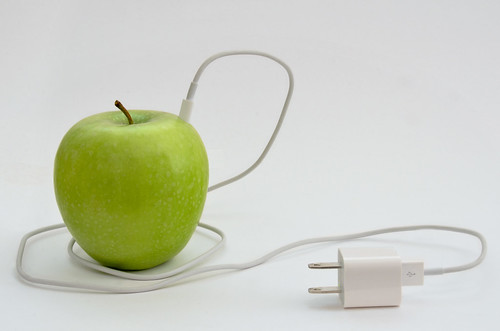
When you’re not using your charger, unplug it. Simple as that. Phone and laptop chargers draw electricity even if you’re not actively charging a device, so give those breakers…a break.

7. Or use a surge protector.

Surge protector

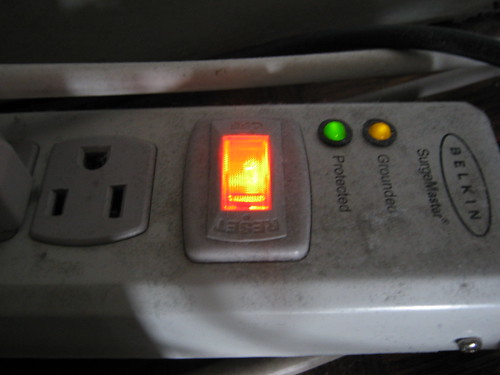
Surge protectors with an On/Off switch are a good option too for those hard-to-reach plugs.

8. Get on that bike.

Kamilah on a Bike

Biking may actually be faster than driving a car in some American cities, so hop on that bicycle of yours to get to where you’re headed.

9. Spam is bad.

email-spam

Roughly 62 TRILLION spam emails are sent each year. Something you may not think about often: sending email actually has a carbon footprint from servers working. Which means those spam emails equal about 20 tons of CO2 each year. So go ahead and hit the “Unsubscribe” button, please.

10. Buy used and vintage clothes.

Thrift Store

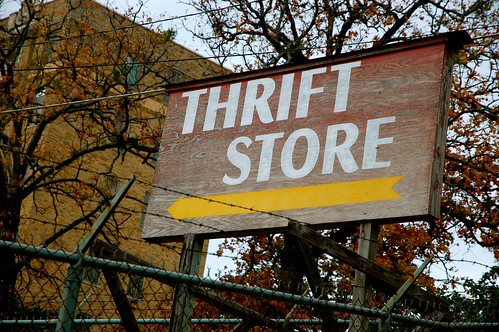
According to The Economist, “From the pesticides poured on cotton fields to the washes in which denim is dunked, making 1kg of fabric generates 23kg of greenhouse gases on average.” Seems like kind of a waste, doesn’t it? So consider heading to the thrift store instead of grabbing a new flannel.


Give us some of your tips as well in the comments!

We’re in this together, so let’s all do our part, okay?

The post 10 Simple Ways You Can Help out the Environment appeared first on UberFacts.

Take a Look at This Giant Ocean Cleaning Device That Removes Plastic Waste from the Water

There is a giant swath of floating garbage (we’re talking twice the size of Texas) in the Pacific called the Great Pacific Garbage Patch. Thousands of tons of plastic debris is brought together by swirling ocean currents and kept in place by those same forces.

Aside: Is this where Garbage Pail Kids are born? We need to investigate.

Plastic and other trash, like discarded fishing nets, pose large and often deadly issues for marine life, a sad fact that has convinced scientists and conservationists that we need to fix the problem.

Now, there may be an answer.

The Guardian reports that the non-profit Ocean Cleanup has engineered a giant, floating device that can remove plastics safely from the water. They’ve been working on the device for seven years, but only recently put it into action with positive results.

The cleaner captures trash with a large folding arm, everything from large cartons, crates, and other fishing gear, to tiny microplastics as small as a millimeter wide. Its U-shaped barrier drops a net below the surface and, as the current moves, traps pieces of trash moving along at a good clip.

Fish, if you’re worried, are able to swim beneath it.

Ocean Cleanup founder and CEO Boyan Slat confirmed at a press conference that the invention is “catching plastics,” and tweeted out a picture of all of the collected debris.

View this post on Instagram

Das System @theoceancleanup macht sich die natürlichen Ozeanströme zu nutzen um Müll zu sammeln und zu konzentrieren. Es besteht aus langen, luftgefüllten Schläuchen aus Gummi, die an der Wasseroberfläche schwimmen und Plastikmüll auffangen. So kann der angesammelte Abfall abgetragen und entsorgt werden. ♻ Seit 2016 wird das System immer wieder in unterschiedlichen Meeren getestet. Zunächst in der Nordsee und seit 2017 auch vor der kalifornischen Küste. Die gesammelten Informationen und Erfahrungen halfen The Ocean Cleanup weiterzuentwickeln und zu verbessern. 2018 startete endlich das große Sammelsystem, welches 2019 erneut verbessert wurde und nun erfolgreich Plastikmüll sammelt! Sollten die Ergebnisse weiterhin positiv bleiben wird das System an weiteren Orten der Welt eingesetzt. Übrigens ist das System für Fische ungefährlich, da diese einfach darunter hindurch schwimmen können. ? Folge uns für aktuelle Infos und Trends zur Plastikvermeidung ✅ Quelle: https://theoceancleanup.com ? #theoceancleanup #oceancleanup #oceancleanupproject #müllsammeln #müllsammelaktion #plastikfrei #plastikvermeiden #plastiksammeln

A post shared by Plastikfrei & Umweltfreundlich (@dishio.geschirr) on

“Our ocean cleanup system is now finally catching plastic, from one-ton ghost nets to tiny microplastics! Also, anyone missing a wheel?”

The process of developing the device has taken most of Boyan’s adult life – he presented the idea at a TEDx talk when he was just 18, and it has gone through many failed attempts before finally reaching this sweet success.

The team learned from the various mistakes, and they are now able to capture even more types and sizes of plastics than they first imagined. It’s easy to pick up on their excitement in this statement:

“Our team has remained steadfast in its determination to solve immense technical challenges to arrive at this point. Though we still have much more work to do, I am eternally grateful for the team’s commitment and dedication to the mission and look forward to continuing to the next phase of development.”

View this post on Instagram

001 B successfully completed the clean up test!

A post shared by Zero Plastic Is Fantastic (@0plasticisfantastic) on

Ocean Cleanup is going to start improving their device based on what they learned during this exercise, including work on a full-scale cleanup device that can endure tough conditions and have enough space to store large amounts of collected plastics while at sea.

Good people going good work. May there be more of them coming up through the ranks.

The post Take a Look at This Giant Ocean Cleaning Device That Removes Plastic Waste from the Water appeared first on UberFacts.

Bars in Italy Are Using Pasta Straws to Get Rid of Plastic Waste

Lately, companies have caused a stir (see what I did there?) by getting rid of plastic straws or only distributing them when customers specifically ask for them.

In Italy, bars and restaurants are now using pasta straws for drinks to cut down on plastic waste. What could be more Italian than drinking out of a pasta straw?!?!

Here in Italy bars are starting to use pasta as straws to reduce plastic use. Our technology amazes the world another time. from europe

The European Union voted to ban single-use plastic items by 2021, and it looks like the Italians are getting a head start.

Interestingly, there’s already a company in the UK called Stroodles that sells pasta straws. Maxim Gelmann, the founder of the company said, “Stroodles is not just a straw company and there is a much bigger picture, as I feel I can leave a long-term impact by creating a ripple effect by triggering many small changes all across the world, especially among people that are less conscious of sustainability and their respective actions and behaviors.”

??? Stroodles team at the Improving Air Quality in Mayfair event by @newwestendcompany

Posted by Stroodles- Pasta Straws on Tuesday, September 24, 2019

Gelmann added,

“The approach is to do this in a fun and non-preachy, non-finger-pointing manner. I rather aim for people to engage with a Stroodle and then themselves start asking themselves the right questions, like ‘Why is there a pasta straw in my drink?’ Thus, little realizations like that and them coming to their own conclusions, rather than being sold/preached. [It’s] much more powerful in creating behavioral and mindsets change. And … maybe next time one is offered a plastic bag, they will behave differently.”

I haven’t seen these in the U.S. yet, but maybe they’ll be coming soon?

The next step? Let’s work on getting pasta cups!

The post Bars in Italy Are Using Pasta Straws to Get Rid of Plastic Waste appeared first on UberFacts.

15 Photos That Prove Humans Are Addicted to Plastic

If one thing is for certain in this world, it’s that humans are pretty bad at mitigating long term detrimental effects in exchange for short term benefit…

Also, we don’t take good care of our planet. We’re getting better, but we still have a LOOOOOONG way to go.

We careless and wasteful, especially when it comes to harmful products. Plastic is King and we treat it as such. For now, at least.

Let’s take a look at 15 photos that prove we are totally, hopelessly addicted to plastic.

1. Seems a bit wasteful.

I’ll see your peeled oranges in plastic containers and do you one better. from mildlyinfuriating

2. Wow. Not cool.

If theres one thing the world needs its more disposable plastic packaging from mildlyinfuriating

3. Individually wrapped bananas.

This banana is in a wrapper… from mildlyinfuriating

4. Three layers of protection.

The three layers of plastic protection for these oranges. How is this even allowed? from mildlyinfuriating

5. Not necessary.

This store individually wraps eggplants in plastic from mildlyinfuriating

6. What about the natural packaging?

If only this mango had some sort of natural packaging… from mildlyinfuriating

7. Such a huge waste.

This useless packaging / waste of plastic from mildlyinfuriating

8. Looks fancy, but is really dumb.

Unncessary plastic. Again. from mildlyinfuriating

9. That is absolutely ridiculous.

This is getting ridiculous. from mildlyinfuriating

10. All cans need to be wrapped!

The unnecessary plastic wrapping on this single tin of tuna fish from mildlyinfuriating

11. That is absurd.

These vitamin gummies come in a jar, individually wrapped from mildlyinfuriating

12. I’m sorry, what?!

your coke needs that plastic from mildlyinfuriating

13. Just let them be free.

We have enough plastic waste already from mildlyinfuriating

14. Ugh. Here we go again.

These potatoes individually wrapped in plastic from mildlyinfuriating

15. Last one is kind of insane.

Individually wrapped jelly beans from mildlyinfuriating

Those pics are kind of infuriating, aren’t they?

Let’s all pitch in to do our parts and treat Mother Earth a little bit better, okay?

Thank you!

The post 15 Photos That Prove Humans Are Addicted to Plastic appeared first on UberFacts.

Ireland Plans on Planting 440 Million Trees to Help Fight Climate Change

Climate change is altering the world. Some of these changes we can anticipate, but others we are learning about in real time. And even though everyone who’s examined the evidence knows that climate change is occurring and that it is bad, some nations are sitting idly by and acting like their hands are tied.

Others are fighting for the future.

That is exactly what the country of Ireland is trying to do. Over the next 22 years, Ireland has committed to planting 22 million trees each year, totaling to 440 million trees by the year 2040.

Many believe that “revegetating” the natural environment can help to reduce carbon dioxide levels in the atmosphere. The tree-planting initiative is part of the Irish government’s overall plan to combat climate change, which involves getting to carbon neutral by 2050.

The plan calls for farmers to plant trees, and they will be incentivized for doing so. It’s a bit tricky: some argue that farmers should not be required to plant trees on their own land because it will take away property from their economic crops and cattle. Others have suggested that farmers let land revegetate on its own, so forests can develop naturally.

While there would be greater species diversity if a forest naturally revegetated, it would also take longer for trees to mature that way.

It’s estimated that there are about 3 trillion trees on Earth and that roughly 15 billion are cut down every year by humans.

The action plan from the Irish government says:

“Taking decisive action to confront climate disruption will be a major challenge to every dimension of our society, but the benefits are huge – warmer homes, cleaner air, a sustainable use of the world’s scarce resources, more connected communities, authentic values, and quality jobs in enterprises which can compete in a decarbonised world. This is everyone’s journey. From Government to businesses, communities to householders, climate action is collective action. The Climate Action Plan sets out the Government agenda; see what you can do to play your part.”

If Ireland can do it, it seems like the United States could manage the same, don’t you think?

The post Ireland Plans on Planting 440 Million Trees to Help Fight Climate Change appeared first on UberFacts.

Sorry to Break It to You: Your Plastic Recycling Is Probably Not Getting Recycled

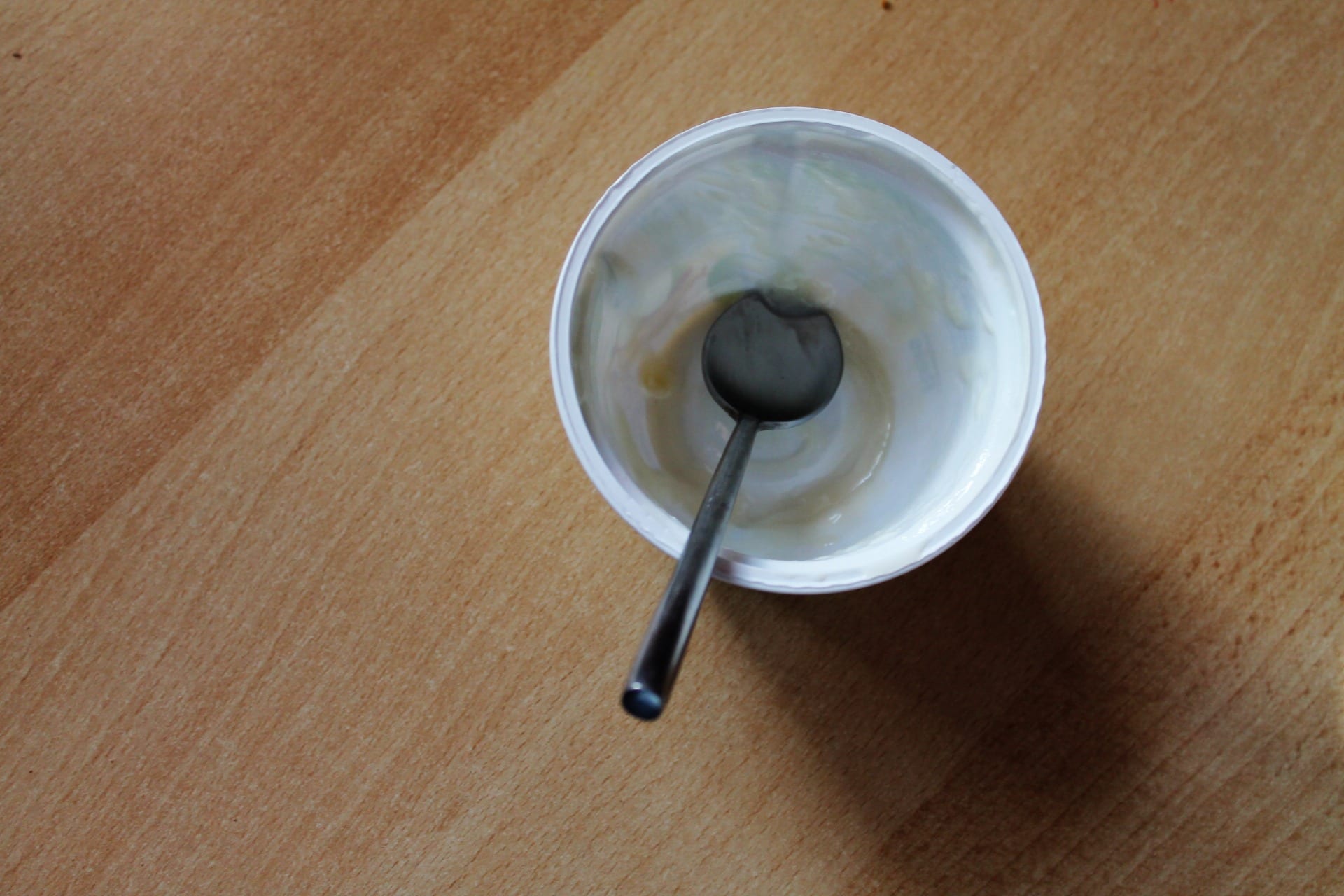
A lot of us spend time washing out plastic containers, squinting at symbols, picking off labels and smugly popping them into one of several containers to lug out to the curb on recycling day. Job well done. We deserve a (plastic) yogurt cup for our saintly efforts.

Photo Credit: Pixabay

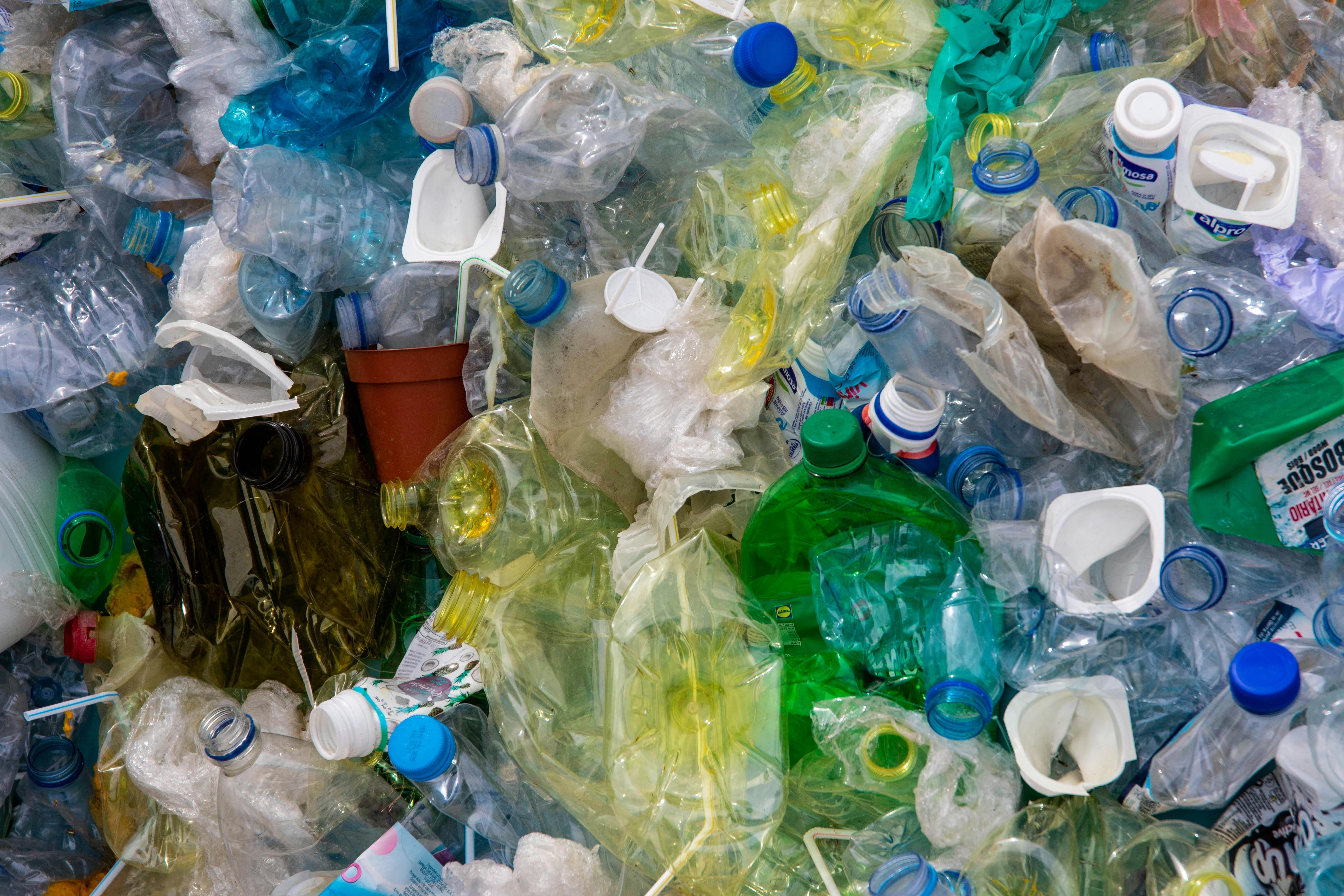
But there is something you need to know: our plastics are likely not getting turned into new products. The American plastic recycling effort is largely mythical, reports Sharon Lerner for The Intercept.

Lerner writes:

The vast majority of plastic that has ever been produced — 79% — has actually ended up in landfills or scattered around the world or burned, but not refashioned into new products, which is what we hope for when we talk about recycling. For plastic bags, it’s less than 1% of tens of billions that are used in the U.S. alone. And so overall in the U.S., our plastic recycling rate peaked in 2014 at 9.5% so that’s less than 10%.

What about the story that the majority of our plastics were sold to China who happily took it and recycled it? Wrong. 1) it wasn’t always recycled and 2) the Chinese have been refusing to take Americans’ recycled plastics since 2017.

Here’s the thing, though – after we put our plastic in the recycling, we never see it again, so we continue cleaning, squinting, picking and sorting on curb recycle day, in guilt-free bliss.

Photo credit: Pxhere

Since the advent of single stream recycling, we’ve also been misled to think that all of our plastics are recyclable, so just chuck ’em in.

It’s not true though. If non-recyclable plastics weren’t pulled out manually at the recycling center, then they were refused by China upon their arrival. Discarded at the center or refused at port, both outcomes came at the taxpayer’s expense – and the plastic still ends up in the trash or in the environment.

Or is that the same thing.

Now that China has told the United States to quit sending our plastic to them, we are stuck sending it to other places (also mostly in Asia) that 1) don’t really want to be taking our refuse and 2) lack much of the facilities that would be required to do anything useful with it. And beyond that, the Chinese market for ‘recycled’ plastics was so huge that the gap hasn’t been filled yet (if it ever is), so a lot of American municipalities are just shipping everyone’s recyclables to the same landfill where the trash goes.

And most people have no idea.

Photo Credit: Pexels

Judith Enck, a former regional Environmental Protection Agency official and founder of Beyond Plastics, says the only way to get out of our (literal) mess is to be better consumers. That means changing our focus from recycling to reducing (the first R in Reduce, Reuse, Recycle).

So why have we been trying to recycle plastic since the 1970s?

Well, it’s not a bad idea, it’s just more expensive in practice than the market will bear. Plus the plastics industry is of course interested in staying in business, so they had to support and promote how good recycling is for the planet. It became a feel good marketing campaign that covered the fact that so few plastics actually get recycled.

But, the public bought it and recycling became our way of consuming plastics without feeling bad about it.

For anyone concerned about the plastic in the ocean, consider this: reducing the amount of plastic we use is, ultimately, the most effective way of fighting our growing garbage problem.

Photo Credit: Flickr

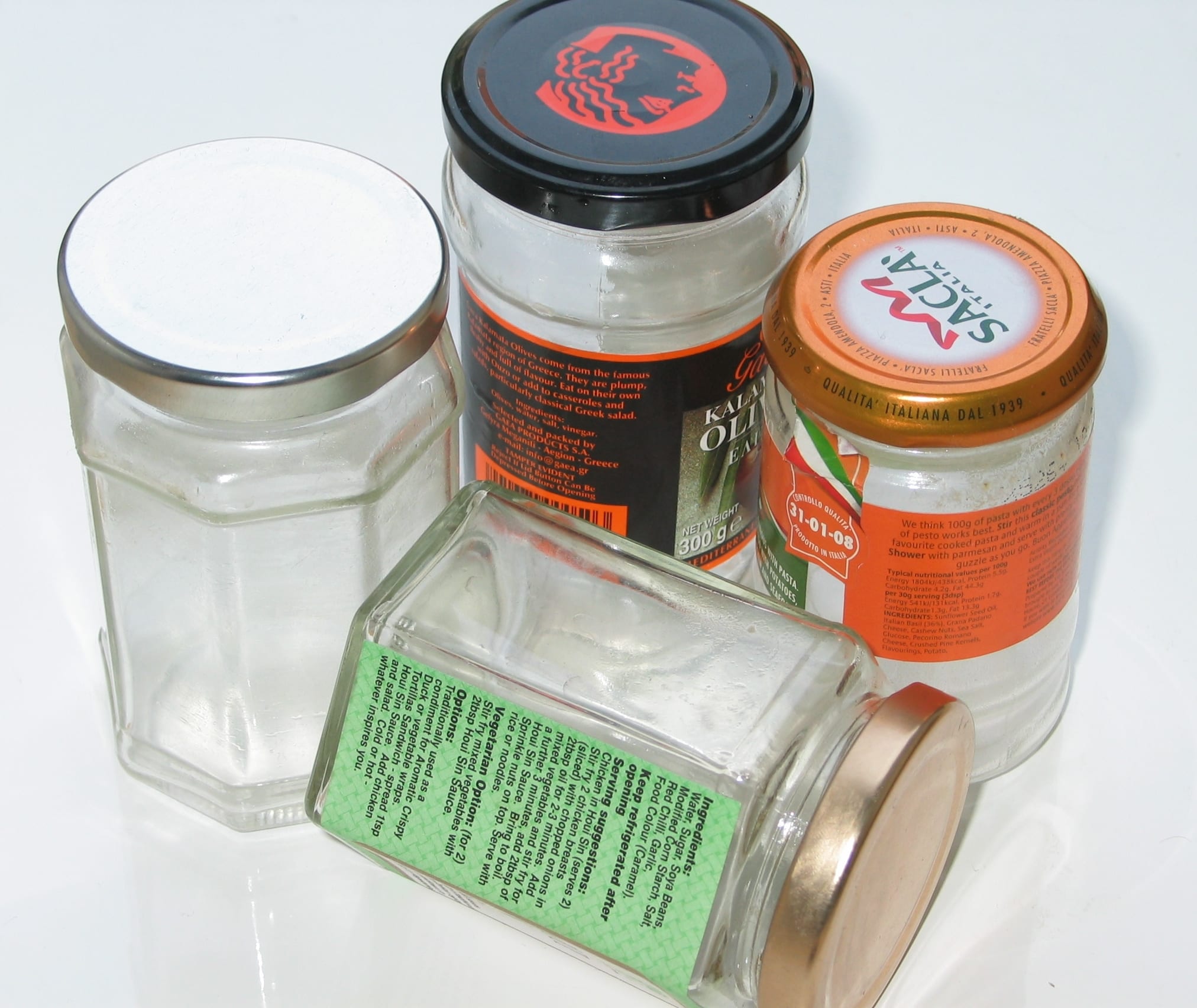
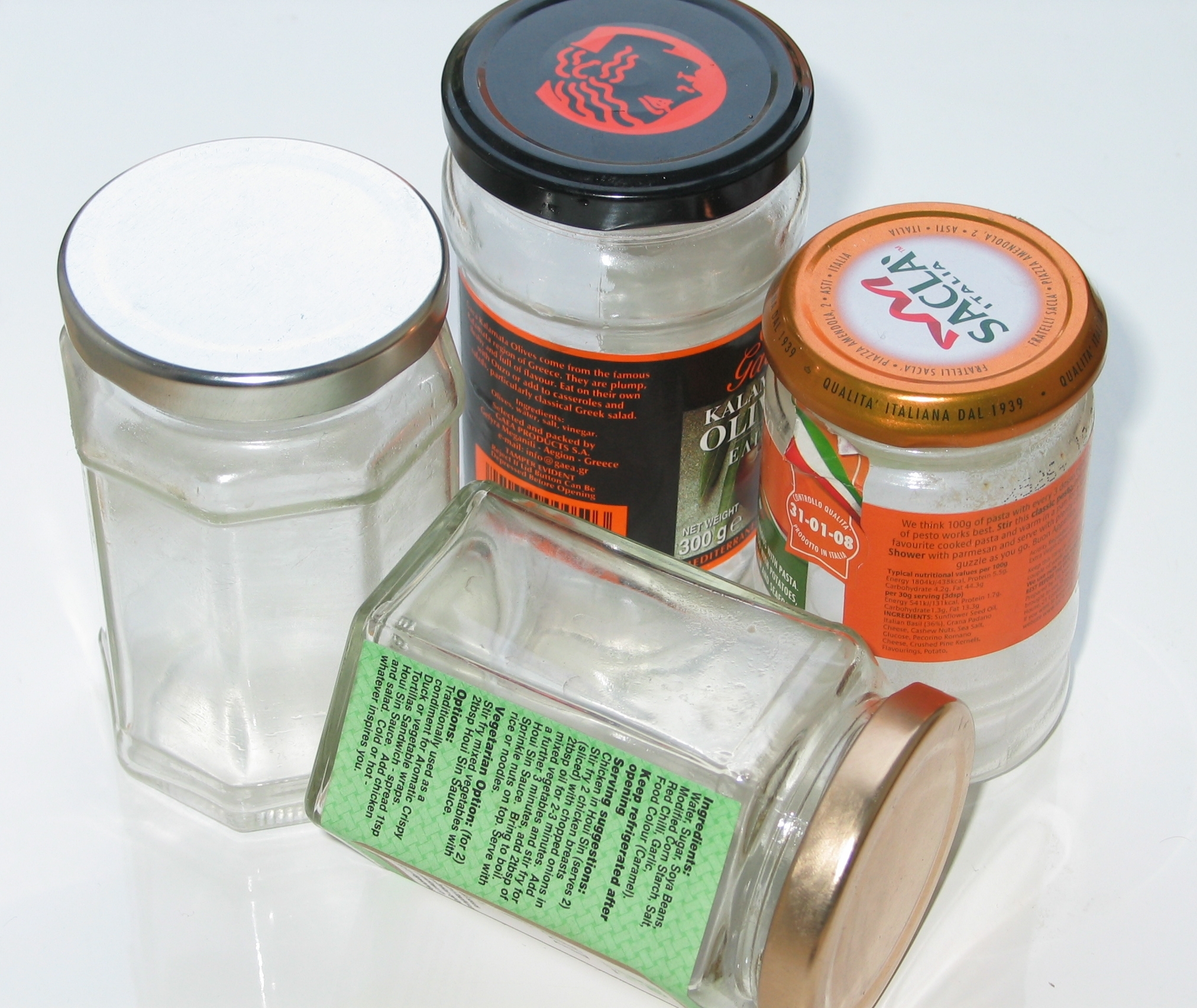
Enck says metal, glass and cardboard are still completely recyclable. For plastics, check for No. 1, No. 2 and No. 5. Those are recyclable. Black plastic is never recyclable. That goes into the landfill.

Use glass whenever possible. Fill up on bulk items in the supermarket with your own containers.

You can also try good old fashioned letter writing to manufacturers and local stores; ask them to reduce their reliance on plastics, and maybe they’ll listen.

There are alternatives available, and consumers still have power in their communities, as long as they exercise it.

Change is possible, and it starts at home.

The post Sorry to Break It to You: Your Plastic Recycling Is Probably Not Getting Recycled appeared first on UberFacts.

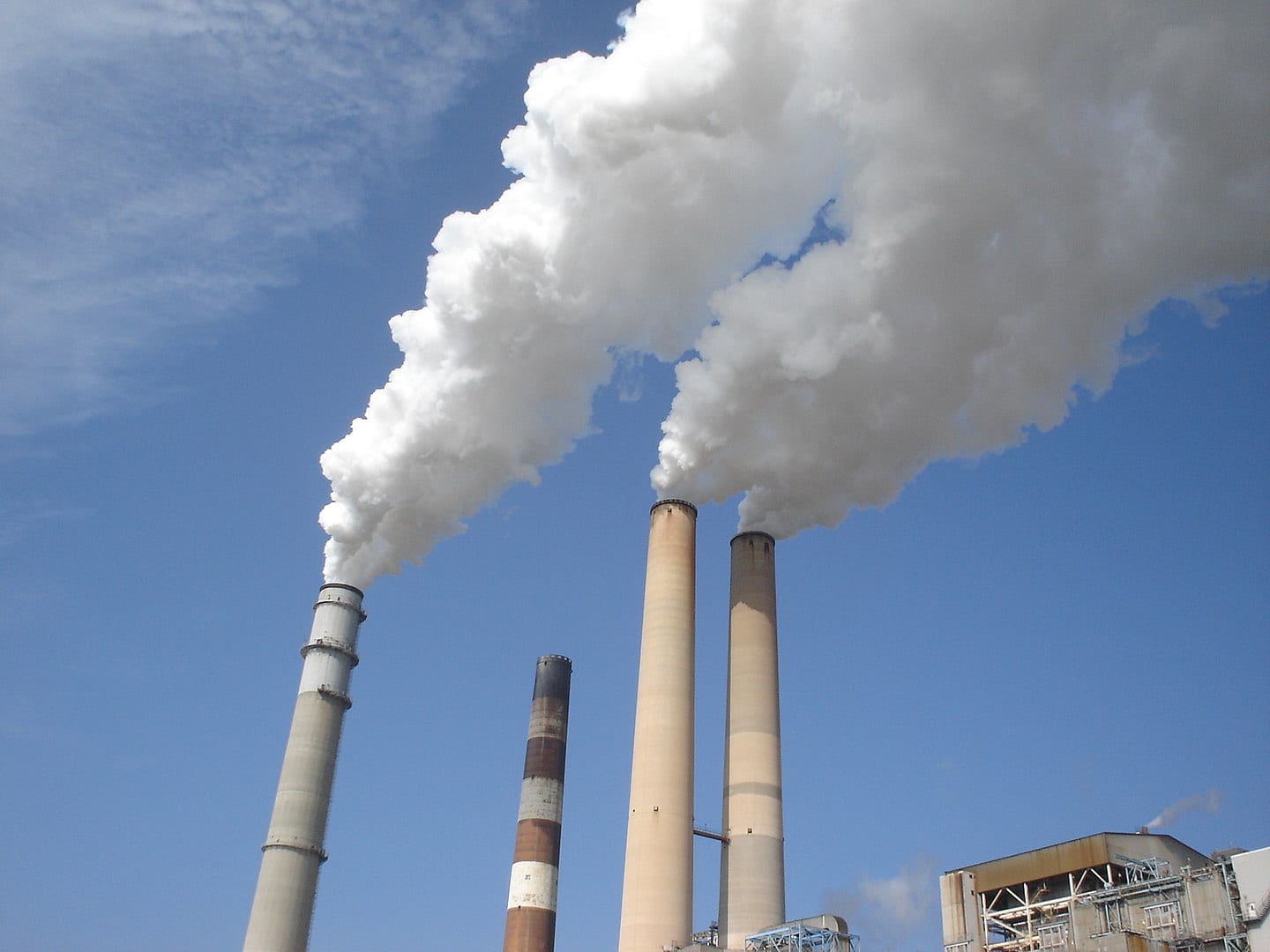
15 Times People Did Their Part to Help out the Environment

These gestures might be small, but small things add up in the end. And we all need to do our part to help out the environment cause it is not doing great, folks.

Whether it’s recycling, using less water, cutting down on electricity, or any number of things, DO YOUR PART.

These people sure did, and the ideas are wonderful.

Take a look.

1. A great idea.

The Cafe at my closest beach gives free drinks to people who collect a bucket of litter from the beach from mildlyinteresting

2. That is very impressive.

Turns out my pencil is made of recycled newspaper! from mildlyinteresting

3. Good beer, too!

Carlsberg using glue to make six packs instead of plastic. from mildlyinteresting

4. Plant it when you’re done with it.

Got an event bracelet that can be planted from mildlyinteresting

5. Get rid of those pesky cups.

An ice cream cup made of banana leaves from mildlyinteresting

6. Bake some bread!

My grocery store started selling overripe bananas for cheap with a recipe for banana bread on the bag from mildlyinteresting

7. Keep it going.

You can charge this battery with a micro USB from mildlyinteresting

8. Eliminates so many bottles.

Refill Station at Simon Fraser University, Canada. from ZeroWaste

9. Not plastic, but plant starch.

This cup is made from plant starch, not plastic from mildlyinteresting

10. Plant your pencil.

My pencil has seeds on the tip, so when it’s too small to use it you can plant it and a tree will grow out of it from mildlyinteresting

11. Reducing more waste is crucial.

This super market had tiny paper bags instead of plastic containers to reduce waste from mildlyinteresting

12. Much better than discarding it.

Every day after closing, this local bakery leaves out a bag of their unsold pastries that people can take from freely instead of throwing them away and make unnecessary waste from mildlyinteresting

13. These look great!

The bowling alley in my neighbourhood tore up old lanes and used them to renovate the washrooms. from pics

14. Get rid of those butts.

I bought a pack of cigarettes and they came with a postage paid recycling pouch. from mildlyinteresting

15. This is awesome!

I don’t know about you, but I find all of those examples very inspiring.

What are you doing to help out the environment? Share your ideas in the comments!

The post 15 Times People Did Their Part to Help out the Environment appeared first on UberFacts.
Canadians Crowdfunded $3 Million to Save Pristine Land from Development

Hey, people in the U.S.: take the time to read this article and maybe we can follow the lead of our neighbors to the north on this, okay?

It’s always incredibly depressing to see untouched, pristine wilderness get purchased and developed by huge, wealthy corporations. Which is why people in Canada decided to take a stand to save 2,000 acres of beautiful coastline in British Columbia.

A crowdfunding effort raised $3 million to purchase the area of coastal wilderness in the Princess Louisa Inlet in British Columbia. The land is virtually untouched and citizens knew they only had one shot to make this work.

The crowdfunding was organized by the B.C. Parks Foundation, a group that works to protect natural landscapes. Logging companies and developers expressed interest in buying the gorgeous land after it was put up for sale by a private owner.

This crowdfunding effort wasn’t just a couple of wealthy people chipping in, either. Average Canadians paid $10 or $15 here and there to contribute to saving the 2,000 acres – and clearly it worked!

The B.C. Parks Foundation will make the land a protected park for all to enjoy.

Dear Park Supporters, You did it! Your love for British Columbia and beautiful places like Princess Louisa Inlet has…

Posted by BC Parks Foundation on Tuesday, September 3, 2019

The organization wrote a letter expressing its gratitude to all the people who donated money.

“Dear Park Supporters,

You did it! Your love for British Columbia and beautiful places like Princess Louisa Inlet has done something miraculous. In just a few short months, you have raised $3 million to protect a jewel in B.C’.s coast.

We still have to finalize the sale with the vendor (now September 3rd), and there are more steps to come, but in donating the funds you have scaled a substantial peak on this amazing expedition.

We know people want to keep B.C. beautiful, and we know our parks are the core of our identity. They are our cathedrals, our towers, our pyramids; the wonders of our world. But we couldn’t have predicted such a fabulous outpouring in such a short time from so many different people and places. We are in a state of awe and gratitude.

We will keep you posted when the deal is finalized. Any funds that continue to come in will be put in our Parks Bank to protect more areas in Princess Louisa and British Columbia.

With our deepest appreciation and admiration,

Ross Beaty, Board Chair
Andy Day, CEO”

Well done! More of this throughout the entire world, please!

The post Canadians Crowdfunded $3 Million to Save Pristine Land from Development appeared first on UberFacts.