
The ratio of people using email for fun versus those using it for work has flipped since the 1990s. Many people nowadays dread email “because it is a conduit for unwanted advertising, a wide range of spam, and flat out attempts to scam or ‘phish’ us”.
A Tricky New Scam Poses as a Text Message with Your Package’s Tracking Information
Be alert!
It seems like thieves and n’er-do-wells are always out there looking for the next best way to swindle you out of your hard earned cash…and that’s because they kind of are.
With all of the technology we use, their attempts are getting more diverse, more widespread, and harder to spot – even for the savvy among us. And given that many of us have more than one package en route to us on any given day (thanks, Amazon), this scam text acting like it’s a tracking update is pretty stinking clever.
The scam is described by online technology magazine ‘How-To-Geek’ as a SMS text being sent out that seem to be confirming shipping or delivery on a package, and asking you to click for more information.
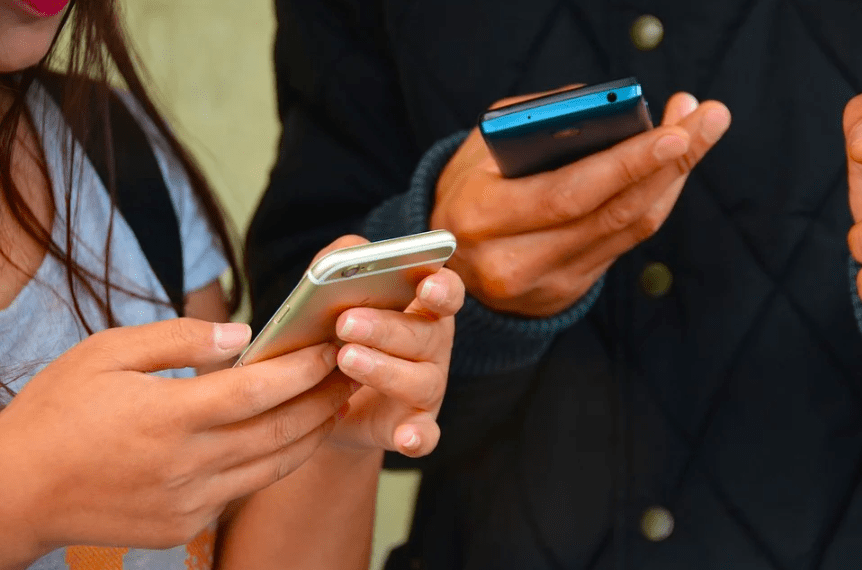
Image Credit: Pixabay
They recommend that you do not open the message or click on any links, then block the sender and delete the message. Clicking the link will take you to a fake Amazon listing where you will be asked to take a customer service survey that offers you a free product at the end of it – as long as you hand over your credit card number to cover a small shipping and handling fee.
The fine print admits that by agreeing to pay the fee, you’re signing up for a 14-day trial, followed by a $98.95 monthly fee for a supply of scam products.
Image Credit: Pixabay
I assume that you’re not notified of the monthly charge in any way, so it could be a while before some people notice the recurring debit on their statement.
So be vigilant. Read everything with a squinted eye, as though there are people out there whose entire job it is to trick you into handing over your information.
Because there definitely are.
The post A Tricky New Scam Poses as a Text Message with Your Package’s Tracking Information appeared first on UberFacts.
Mojo are Contact Lenses That Will Give Your Eyes Superpowers
There are no flying cars or time travel, but we are solidly living in the future. The internet, virtual reality, air travel, space exploration – it’s all happening.
And do you know what else is happening? Contact lenses that give you superpowers.
Okay, okay, maybe happening is too strong of a word, because their concept product still has a long way to go before findings its way to consumers’ eyes, but the people behind Mojo – a contact lens that could not only improve the sight of millions, but improve the way many people live and work – believe they’re coming soon.
The minds behind the company began investigating the idea in 2015, though they depend on research that took place around 2008. The finished product is still a few years off, but Mojo Vision has already attracted over $100 million in investments.
Smart contact lenses are no longer just the stuff of spy movies. British startup, Mojo Vision, has created augmented reality contact lenses. Watch the video here: https://t.co/bnBqBTsWfx
— Finance Technology Leverage LLC (@ftlvc) February 7, 2020
“We’re really confident about this working,” said VP of product and marketing Steven Sinclair, who cut his teeth at Apple doing iPhone planning. “That’s why we’ve come out of stealth, because we’re seeing all the pieces coming together into a product that does everything we want it to.”
Steve, and the others at the top of Mojo, all experienced vision issues in their lives that got them thinking about using technology to improve sight. They wondered whether vision could get better than 20/20, and whether vision problems and eye issues could one day be a thing of the past entirely.
His co-founder, CEO Drew Perkins, thought “How can I give people this kind of super-vision? There’s got to be a way to give people advanced or elevated vision without surgery.”
Mojo Vision announced that it is building "the world's first true smart contact lens," called the Mojo Lens. What do you think? https://t.co/c6mxUb6Ri2
— SkylineVisionCO (@SkylineVisionCO) February 2, 2020
Until 2015, the idea of an eye-mounted LED was theoretical, but with the math worked out and successful simulations under their belt, the team began to believe they could actually invent something that had never been built before then.
The technology built into the lenses is smaller than a grain of sand – about a half a millimeter across – and contains 70,000 pixels.
The display focuses light on a tiny indented area of the retina at the back of the eye called the fovea, which detects the fine details of objects right in front of us. The small space contains the majority of the nerve endings in the eye; it’s thick with photoreceptors that convert light into the electrochemical signals that transfer information to various vision centers in the brain.
All of that makes the fovea the perfect area to target – the display needs less power and light to transmit images there.
Forget about glasses, AR straight in the eyes! Super cool wearable if you ask me!! Would you try it?https://t.co/bagX7l2etg
— Sylvie (@SylvieSouda) February 5, 2020
The first versions of the lens also contain a tiny single-core ARM-based processor and an image sensor, and the company has plans to add eye-tracking sensors and communications chips down the road. They will run on rechargeable batteries that will need to be plugged in once a day and will require syncing an internet connection with a phone or similar device.
Like all cool designs, the people at Mojo are also thinking of practical applications for their invention – and at the moment, they’re thinking firefighters could really benefit from their technology.
The lenses could be used to project a floor plan of a building on fire, with yellow lines around tables and chairs, and other colors leading toward exits. Other symbols could alert to the presence of fellow fighters, show the wearers oxygen tank levels another data, or display an alert system that could warn a firefighter that it’s time to get out now.
The company believes their interface “allows a firefighter to see situational things while they’re holding an axe or a hose or some other piece of equipment, and they don’t have time to pull out their phone.”
US start-up demonstrates working AR contact lenses. Mojo Vision has announced that it has produced an augmented reality microdisplay in a contact lens, along with wireless radio, image and motion sensors. Read more: https://t.co/Lpk8F0X66o pic.twitter.com/C9d2r6DgKb
— Process Online (@ProcessOnlineAU) February 4, 2020
They have other application ideas, too, such as a hotel concierge being able to identify, greet, and help guests without having to look anything up, but their first version of the Mojo lens would be focused on helping people with vision problems. It’s a big market; there are 285 million people around the world who fall into that category.
The lenses could be life-changing for people with severe eye issues, says Mojo’s VP of medical devices Ashley Tuan. “We can give them the essential tools they need for mobility. They just want to fell that they are normal. They don’t want people to feel pity for them or take advantage of them.”
From their practical application to medical uses to just cool technology that people could want in the future, Mojo is moving the conversation forward when it comes to wearable – or embeddable – technology.
And though there are surely many conversations to come about limits and power in the future, for now, we can sit back and admire what the human mind is capable of inventing when we truly turn it loose.
The post Mojo are Contact Lenses That Will Give Your Eyes Superpowers appeared first on UberFacts.
12 Examples of this Emoji Being Misused in the Most Hilarious Ways by Older Folks
I don’t know what the age cutoff is for people not understanding emojis – my guess is that it’s perhaps around 55 or 60? But once you meet a person who is confused about what they mean and when to use them, your first clue will be that they don’t understand how to use this guy:
 #EmojiCake #LaughingCryingEmoji

That’s right, even though the “laughing crying” emoji is a favorite across the board, people over a certain age don’t really seem to see him correctly.
Here are 12 people who just really, really should have asked someone younger if they were doing it right before deploying this particular emoji in a text or post.
Seriously.
12. The words and the background just…
old people facebook banners: a thread
pic.twitter.com/AwNB5wZ68n
— Eyebrows
(@dogwithablog_69) April 19, 2019
11. OMG that poor dog. Why am I laughing?
When your mom doesn't know how to use emoji correctly. pic.twitter.com/Fc4cwEp70v
— Rudy Jay (@Rudyjay2319) December 7, 2016
10. Oh, yeah, you seem very sorry. Ha!
when you grandma is still getting the hang of emojis and thinks the laughing face is the crying face… pic.twitter.com/zPJOknDfX6
— cassie (@CassidyCoggins) November 5, 2016
9. I’m no expert, but I’m not sure you’re praying correctly?

8. Poor puppy!

Image Credit: Twitter
7. “Love, Grandma” I’m dead.
So either my grandma thinks "?" is a crying sad face. Or she's laughing at my broken foot. pic.twitter.com/NnUySsTve1
— Kimmy (@kimmyschwaa) December 12, 2016
6. Yes, it is a sad day…so why are you laughing?
When ur dad thinks the laughing emoji is crying and tells u they have to put the dog down pic.twitter.com/j4EvqsFPQI
— Laurashev (@LauraShevy) March 28, 2017
5. I’m guessing Bingo found his day less than hilarious.
mY AUNT THINKS THE EMOTICON OF THE CRYING LAUGHING FACE IS JUST A CRYING FACE& SHE MADE A STATUS ABOUT HER DOG AND pic.twitter.com/istpaX4HZR
— ~~~ (@Higginator) November 6, 2013
4. TBH a lot of this is confusing.
When Willy Wonka died & your mom doesn't know the different between the laughing & crying emoji pic.twitter.com/xfcafqT1sg
— Brit (@baebrit) August 29, 2016
3. Oddly, I think Robin Williams would have appreciated the humor.
MY MOM THINKS THIS EMOJI IS HYSTERICALLY CRYING INSTEAD OF LAUGHING IM pic.twitter.com/lnD2d7wYe1
— alex !!!!!!!!! (@hylianhottie) August 13, 2014
2. Bless his or her heart.

Image Credit: Twitter
1. Well, if that doesn’t make you feel better I’m not sure what would!
My wee Mum thinks the 'crying with laughter' emoji is just a 'crying' one. At least I think she does.. pic.twitter.com/Zq3T49tD7Q
— Kathleen Nicholls (@kathfantastic) May 11, 2014
Now I’m crying laughing, y’all, so maybe they’re not using it as wrong as I’d thought? Hard to say!
Have you ever used an emoji wrong and been schooled? I definitely want to hear about it in the comments!
The post 12 Examples of this Emoji Being Misused in the Most Hilarious Ways by Older Folks appeared first on UberFacts.
The Coronavirus Can Be Tracked on Johns Hopkins’ Website
The coronavirus, or 2019-nCoV, has spread throughout mainland China and beyond. The virus makes daily headlines, though reports about this new respiratory disease are constantly changing, which makes monitoring it a challenge for everyday people.
However, the Center for Systems Science and Engineering (CSSE) at Johns Hopkins University has provided a way for those outside the medical community to see how widespread coronavirus is with an online dashboard tracking the outbreak as information is confirmed.

Photo Credit: Johns Hopkins University
Users can see hard data regarding numbers of confirmed cases and their locations, as well as recoveries and deaths. Clicking through the various figures and graphs will expand the information further.
For those who like to see the hard facts without the grabbing verbiage of online news outlets, this website will prove to be revealing, if not fascinating. Use it to become informed, but be wary if you live in an area with confirmed cases. You don’t want to scare yourself unnecessarily.

Photo Credit: Pixabay
So far, the Center for Disease Control (CDC) reports that the cases found in the U.S. are people who had recent and close contact with travelers from Wuhan – or were travelers themselves. They state the virus is not spreading throughout communities.
While they call the coronavirus a “very serious public health threat,” it’s also unclear how the threat will affect the U.S. at this time. As of right now, the threat-level to citizens in the U.S. who are not actively treating or being exposed to coronavirus patients in a medical setting is low.

Photo Credit: Edwards AFB
In the meantime, wash your hands, keep yourself healthy and check out that factual dashboard if your concerned or even curious about the coronavirus spread stateside.
And maybe buy a few medical masks, just in case.
The post The Coronavirus Can Be Tracked on Johns Hopkins’ Website appeared first on UberFacts.
Cyber Security Experts Say Social Media Platform TikTok Isn’t Safe for Kids
Parents everywhere should be careful about letting their kids join social media platforms. You should talk to them ahead of time about the potential dangers, and also let them know that you’ll have access to their passwords and accounts and will be free to check their activity at any time.
Savvy parents are already doing these things, but every time a new app gets popular, they face a new learning curve. And while TikTok is super fun, very popular, and used by kids around the world, it probably comes as no surprise that people who are looking to prey on those kids are on it, too.
TikTok was developed in China and, since its launch in 2017, has been downloaded more than 80 million times – handily surpassing Snapchat in popularity. The platform allows 3 to 60 second videos and encourages interaction in multiple ways. The app allows users as young as 13 to sign up without parental consent.
Australian cybersecurity expert Susan McLean is adding her voice to the chorus yelling that the space is not even close to safe for kids, due to the access it gives people looking to groom and bully them.
“Any app that allows communication can be used by predators. TikTok does not have the same safety sessions as some of the more well-known apps and routinely do not remove accounts that have been flagged as potentially a predatory. …The data gathering is a huge concern and if the government is worried then it is not a place for kids.”
 ), we cried some, and we learned so much from one another. This is my third year being invited back to speak with this community and I am SO THANKFUL for teachers, parents and administrators like Jenny that recognize the importance of education….and empowerment…when it comes to protecting our children online. As parents, as adults…WE get to lead this charge. WE can protect our children. Knowledge is power.
Setting your kids’ accounts to private will keep them from being contacted directly through the app, but TikTok admits that “even with a private account, profile information – including profile photo, username, and bio – will be visible to all users.”
Reports from the United Kingdom claim that kids as young as 8 were getting bullied, groomed, and spammed with explicit messages.
A representative reminded parents that the app ages are 13+.
“TikTok is an app for users age 13 and over, and we’ve give the app a 12+ App Store rating so parents can simply block it from their child’s phone using device-based controls.”
Kids are vulnerable to predators on all social media apps – really anywhere online – so talking to yours about how to respond and what to do if and when something happens to them is vitally important. You and your kids should be aware of the dangers, no matter how tough the conversation, because you’ll need to partner up to keep your little loves – and hopefully others – safe online.
For now, definitely don’t let your under-13’s talk you into TikTok, and when they do age into the app, be sure you’re checking up on their activity regularly.
It’s a brave new world, parents, but we can do this together!
The post Cyber Security Experts Say Social Media Platform TikTok Isn’t Safe for Kids appeared first on UberFacts.
A Rescued Sea Turtle’s Digestive System Was Jammed Full of Plastic Trash
You probably know that trash dumped into waterways around the world makes its way to the ocean, where it’s endangering the lives of all manner of marine life.
It can be a difficult problem to look directly at because no one wants to see animals hurting because of human behavior, but until we recognize the power we have to fix the problem (i.e. reduce, reuse, recycle), nothing is going to change.
So we have to look.
Scientists rescued a green sea turtle from a fisherman’s net off the coast of Buenos Aires, in Argentina, and passed it to a conservation group called the Mundo Marino Foundation.


 Más de 350 animales llegan cada año a las costas argentinas con plásticos en su organismo… + INFO https://www.desarrollozonal.com #DZ #MundoMarino #Ciencia #Estudio #Oceano #ElPais
Workers there quickly figured out that the animal’s health was endangered by the amount of plastic trash clogging its gut.
“Through radiographic images, we could see foreign bodies inside. Therefore, we started a treatment with a medication that increases peristaltic movements (movements of the digestive tract) and allows it to excrete what we saw in images,” explained Ignacio Pena, a veterinarian at the Foundation.
The turtle – a member of an endangered species that faces grave threat due to the degradation of their habitat – spent a full month excreting over 13 grams (half an ounce) of nylon bags, netting, and other plastic trash.
Green turtles typically keep a herbivorous diet, but juveniles will branch out, and a young and inexperienced hunter like this one was can easily mistake trash for food, scientists say – particularly because many sea turtles will eat jellyfish, which look alarmingly like plastic bags floating along. The mistake is often deadly according to one 2018 study that found that a turtle who eats just one piece of plastic has a 22% chance of dying.
Pena says that this particular turtle, though, is doing well.
“Today the turtle is eating green leaves, mainly lettuce and seaweed. We’re viewing this with an optimistic attitude, the progress is favorable.”
Sadly, the same can’t be said for other turtles who have been found in a similar state – even at Mundo Marino, they’ve been unable to save many that came into their care.
Plastics are insidious for animals like turtles, says biologist and conservation manager Karina Alvarez, for a couple of big reasons.
“There is not only a risk of a mechanical obstruction due to plastic intake. The accumulation of non-nutritive elements in the digestive systems of these marine reptiles can cause them a false sense of being full, which gradually weakens them. …In addition, a large amount of gas could be generated in their organisms, product of the accumulated plastic. Which would affect their ability to dive, both to feed and to find more suitable temperatures.”
Please do your part to keep turtles like this one from accidentally ingesting your trash; put your garbage where it belongs, and try to find alternatives to single-use plastics wherever you can.
Think of the turtles (and the fish and the dolphins and whales and sea lions)!
The post A Rescued Sea Turtle’s Digestive System Was Jammed Full of Plastic Trash appeared first on UberFacts.
In 2013, a 67-year-old Belgian woman…
In 2013, a 67-year-old Belgian woman was mislaid by her GPS and mistakenly drove 900 miles. Her actual destination was only 90 miles away. She was supposed to pick up a friend in Brussels, but instead drove all the way south to Zagreb, Croatia. It took her two days.
This is How You Can Change Your Facebook Settings to Keep Your Photos from Facial Recognition AI
Whether it is a picture with your pals at the bar or a selfie at the gym, chances are you have probably uploaded a photo or two to Facebook (or Instagram, which Facebook owns). While it surely feels good to get likes and comments from friends, the flip side is that everything you put out on the Internet can be stolen, hacked or altered.
Today’s technology makes it even easier for people and companies to take advantage of your private data. In fact, a New York Times report recently revealed that a company called Clearview AI used three billion images gathered from millions of websites to create a facial-recognition app with a massive searchable database of faces.
And they’re licensing the software to the police.
Facebook's facial recognition software is accurate 97% of the time with 1.2 billion plus users.
The Met Police Facial Recognition system is correct 70% of the time with a narrow list of just thousands.
Yea, that seems totally fine and not problematic…..
— Alex Tiffin (@RespectIsVital) January 24, 2020
Though companies like Clearview unfortunately exist (really, what they’re doing should be illegal), you can take several measures to ensure your photos remain private (or at least more private). Once you’re on Facebook, navigate to Settings > Privacy and look for the option that asks if you want search engines outside of Facebook to link to your profile.
Once you turn that off, Clearview (and other data-munching intruders) won’t be able to take hold of your photos (although that will only apply to new photos, they’ve already got your old ones from before you changed the setting).
Clearview AI facial recognition app. You take a picture of a person, upload it & get public photos of that person, along with links to where those photos appeared. The database of more than 3 billion scraped from Facebook, YouTube, Venmo and millions of other websites https://t.co/OkBwZKsHom
— FoggyDew
(@_FoggyDew) January 20, 2020
Other safety tips that can help protect your content include limiting the visibility of future posts to only friends. You can also make sure only your friends can search for your profile using personal contact information such as an e-mail address or phone number.
Changing your “Timeline and Tagging” settings can also do wonders in keeping your data hidden. And if you have friends who tend to post embarrassing photos without consulting you first, you can turn on the review option. This puts the power of posting back in your hands.
Follow these simple steps:
On Facebook mobile app: Settings > Privacy > Face Recognition > Yes/No
On Facebook web: Settings > Face Recognition > Yes/No https://t.co/rulrIf94hL pic.twitter.com/nwWkjIPLeb
— Kelvs (@KelvinCasamayor) January 26, 2020
Of course, most people maintain at least a few social media accounts. That means you should also take the time to check the security settings on your Instagram, Twitter and even YouTube accounts.
Start out by making a comprehensive list of all the social networks in which you share content. Once you have exhausted your brain scrolling through the pages of apps in your phone, take the time to do a security debriefing of sorts. Perhaps it would be best to make your SnapChat private, so cyberstalkers or your parents don’t see what you’re up to on a Saturday night at 2 a.m.
Just a thought.
The post This is How You Can Change Your Facebook Settings to Keep Your Photos from Facial Recognition AI appeared first on UberFacts.
These Things Were Probably Designed by a Genius
There are impressive inventions, and then there are products that are so brilliantly simple and totally useful that you turn green with envy, unable to believe that you didn’t think of it first (and you aren’t the one now making bank).
Inventing things is harder than you think, though, and there’s a good chance the minds behind these 15 things are truly unique.
15. Tablets to clean your water bottle or travel mug.

Image Credit: Amazon
Reaching the bottom of those things and getting all of the gunk scrubbed out is a pain – but these biodegradable, chlorine-free tablets do all of the work for you.
14. Touch-up razors for on the go.

Image Credit: Amazon
Easily swipe away peach fuzz or stray hairs on your chin or eyebrows, and with built-in guards, no worries about cuts, either!
13. A cream that will tame your flyaway baby hairs.
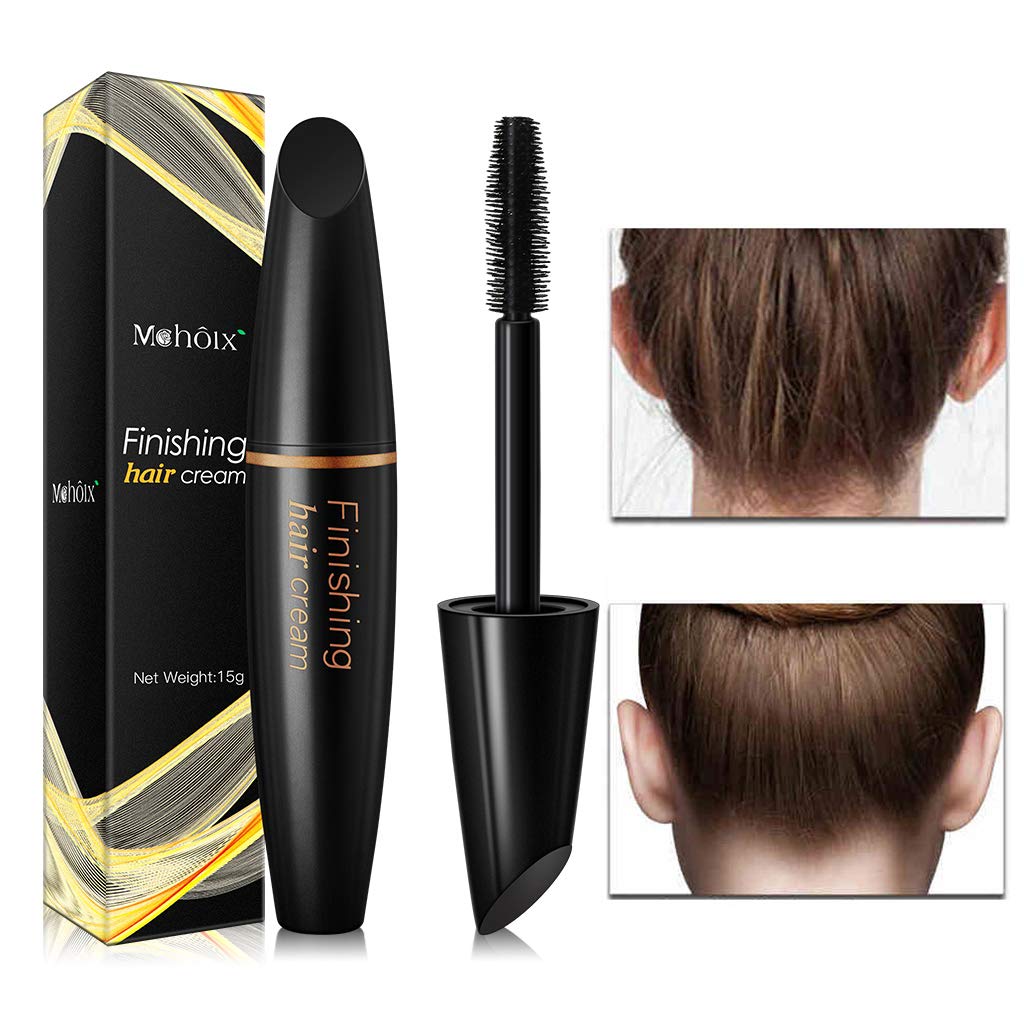
Image Credit: Amazon
Those annoying hairs that ruin your perfectly sleek updo will be gone for good – victory!
12. Charcoal air fresheners for your shoes or bag.

Image Credit: Amazon
They’ll banish lingering smells wherever you leave them by absorbing excess moisture and preventing mold, mildew, and bacteria buildup. Best part? They can last for up to two years!
11. A setting spray to give your makeup a professional finish.

Image Credit: Amazon
The lightweight spray sets your makeup and makes everything look perfectly matte, no matter how humid and sweat-inducing your day.
10. A must-have snow removal tool.

Image Credit: Amazon
It’s long handle lets you remove snow from your roof, the top of your car, or tall bushes without using a ladder – or getting a face full of snow.
9. Cuticle oil that targets weak nails to restore strength.
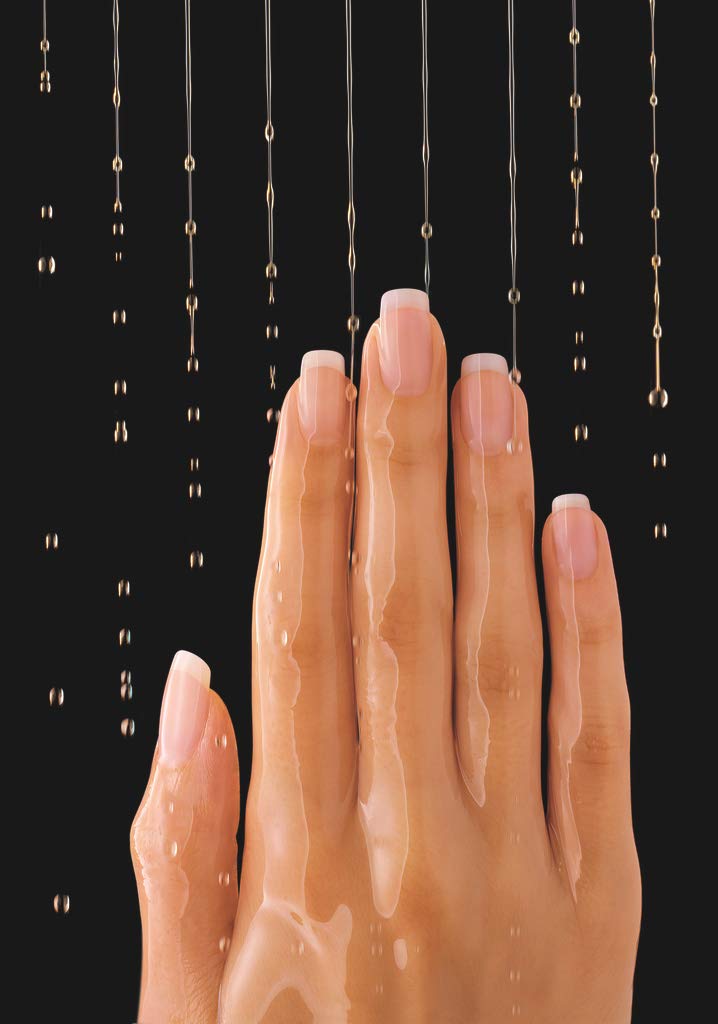
Image Credit: Amazon
It’s made from jojoba oil, sweet almond oil, and vitamin E and will also soften your cuticles.
8. Tablets to clean your dishwasher, not your dishes.

Image Credit: Amazon
Lime and icky smells can build up in your machine and reduce their cleaning capabilities – that’s where these babies come in.
7. Ice trays that will let you make ice that fits neatly into your water bottle.

Image Credit: Amazon
These stackable trays make stick-like cubes that fit easily into your insulated bottle, and the silicone material makes for easy ice removal.
6. This jewelry cleaning brush.
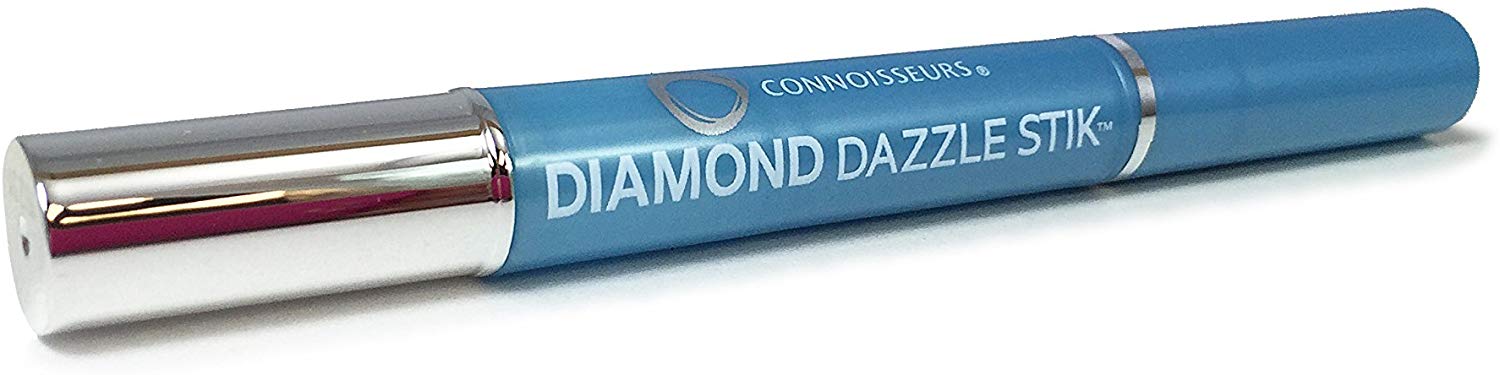
Image Credit: Amazon
Hallelujah, because having to take your jewels into the store to get them to shine is annoying.
5. Clips that go on your car vents so you never have to eat ketchup-less fries again.

Image Credit: Amazon
The clips work with horizontal or vertical vent slats and hold packets from all major fast food chains. Need.
4. This portable LED sensor light.
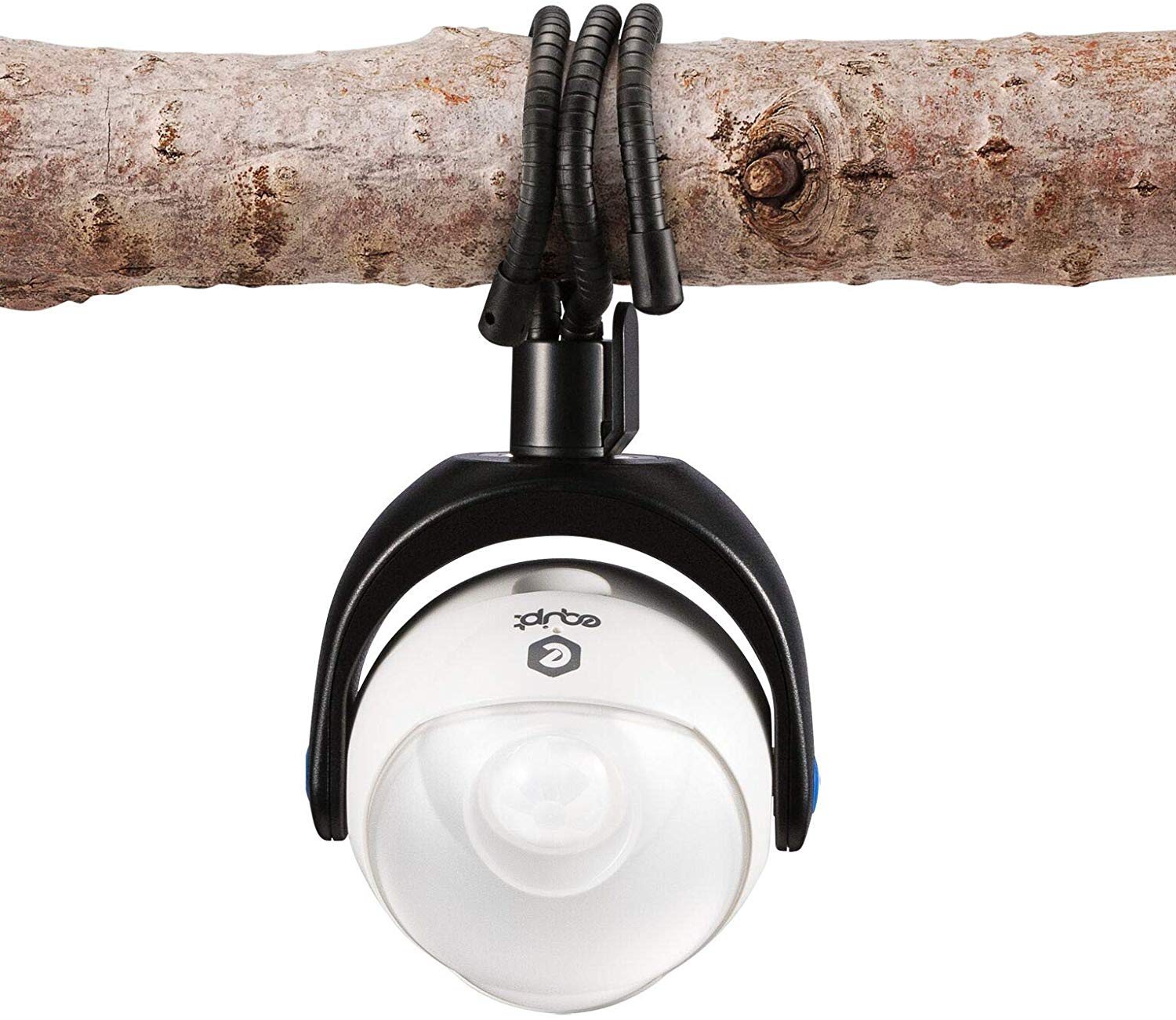
Image Credit: Amazon
You’re bound to feel more secure with this magnetic, waterproof light detecting motion up to 13 feet away.
3. This ice-scraper that’s totally extra.

Image Credit: Amazon
The SnoShark removes snow and ice without scratching the glass, and can extend to 39-inches long while still folding down to a compact storage size.
2. An insulation kit to bulk up your windows.

Image Credit: Amazon
The crystal clear film is easy to install and keeps cold air out and warm air in. Boom.
1. A thermal windshield cover.
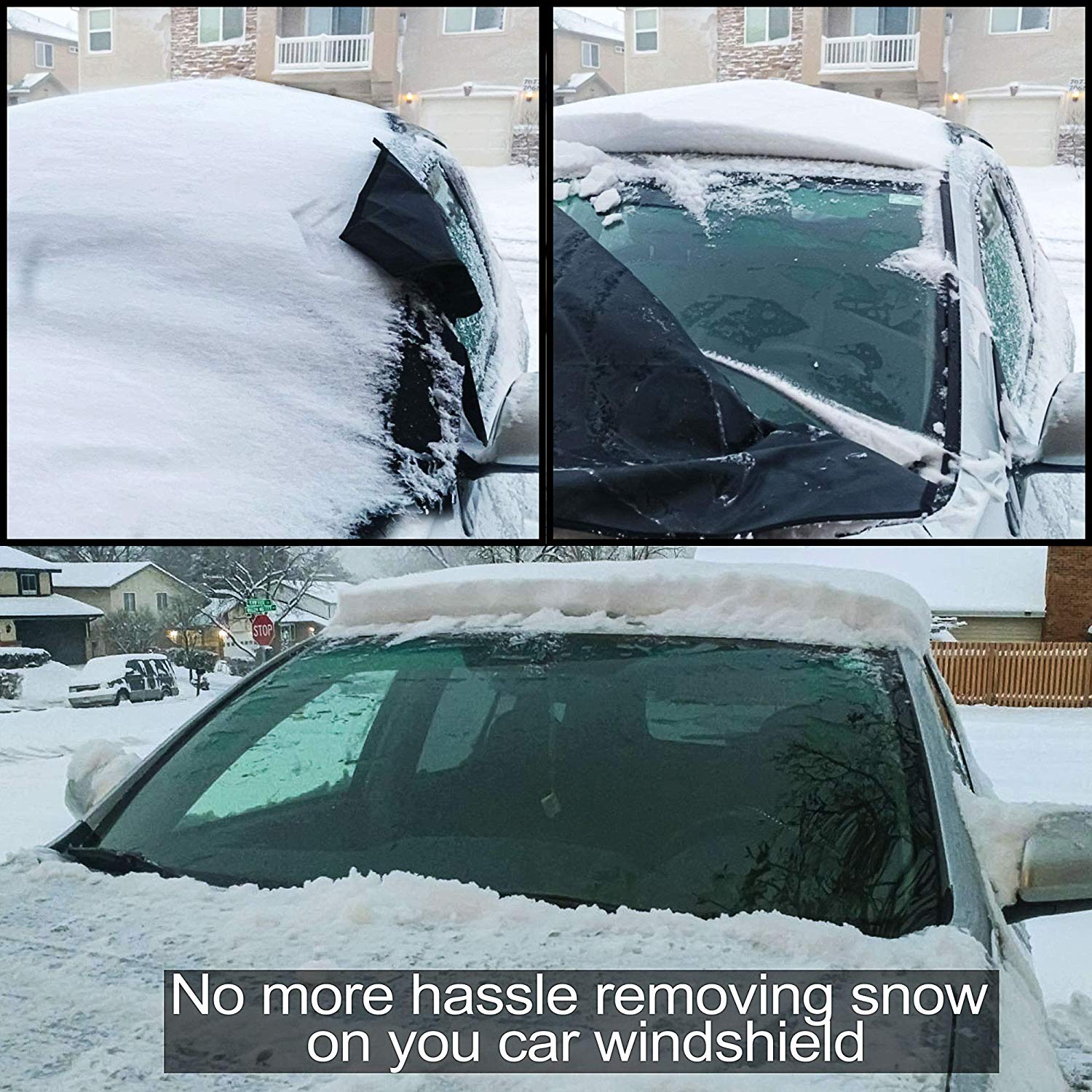
Image Credit: Amazon
If you park outside in the winter, this is the product you’ve been waiting for – the side panels tuck inside your front doors, so it can’t be stolen, it keeps your windshield (and your side mirrors!) free of ice and snow, and securely attaches.
I definitely wish I’d thought of these things, but I know in my heart I never would have, no matter how much time I had.
Have you ever invented something? Have you ever had an idea “stolen” by someone who got there first? Tell us about it in the comments!
The post These Things Were Probably Designed by a Genius appeared first on UberFacts.