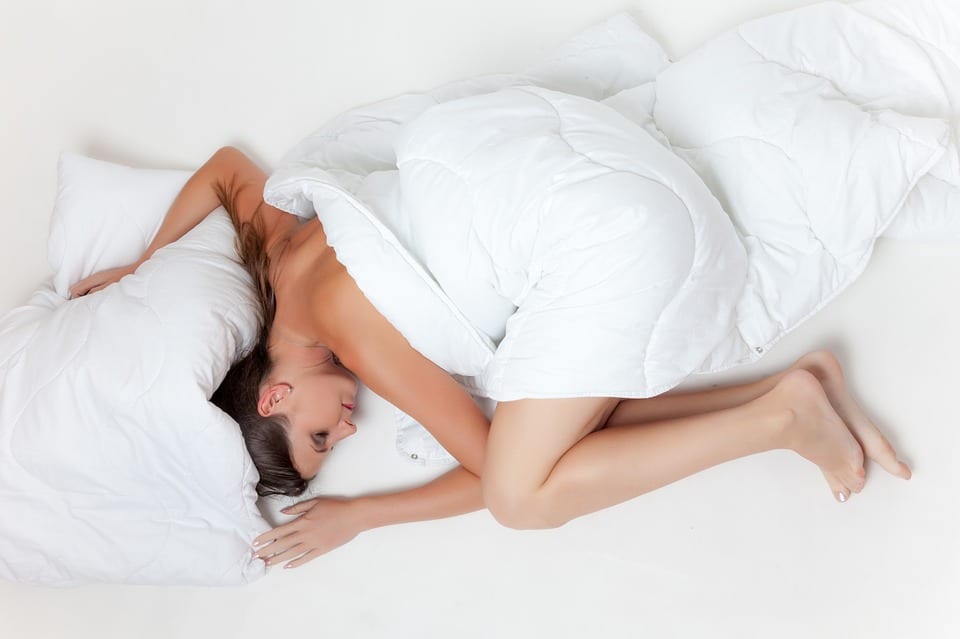
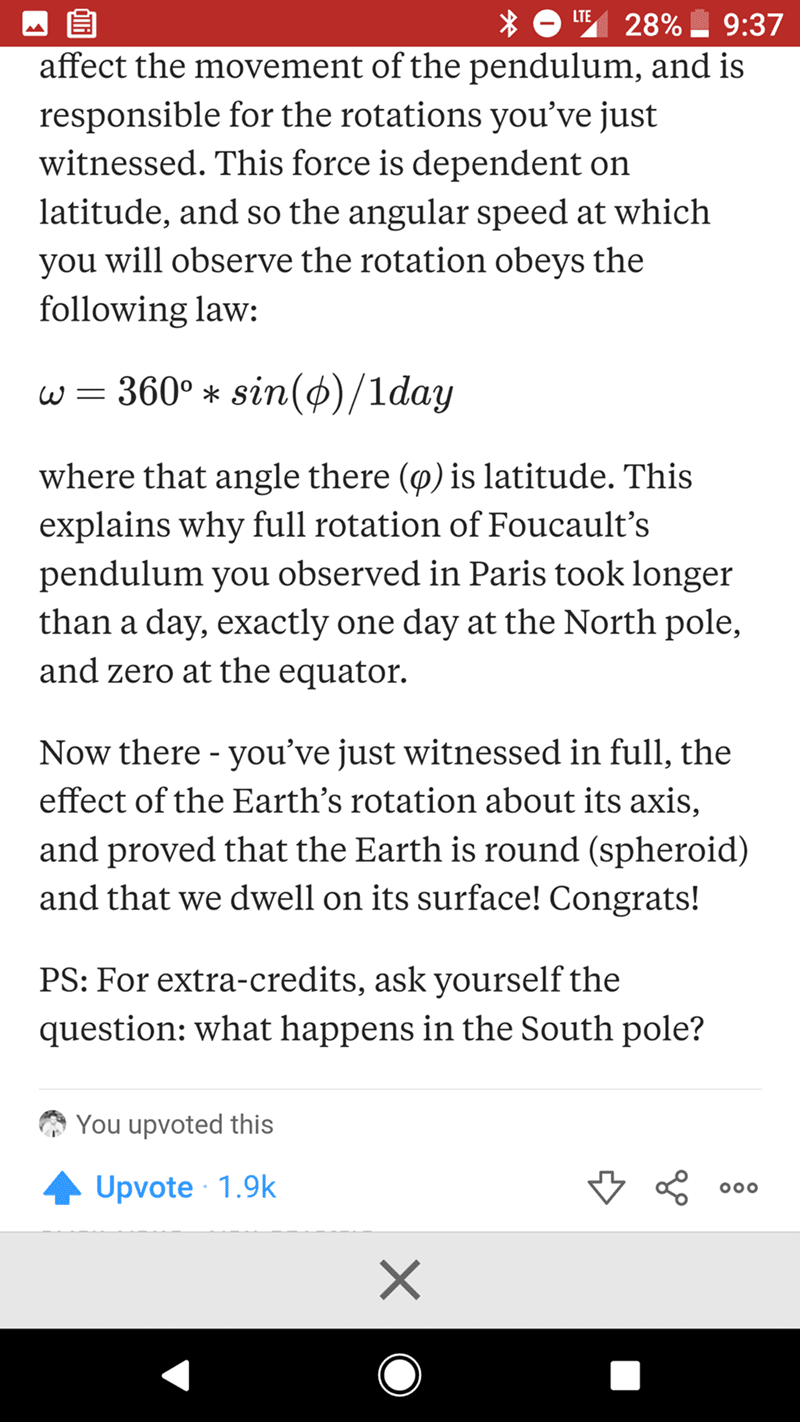
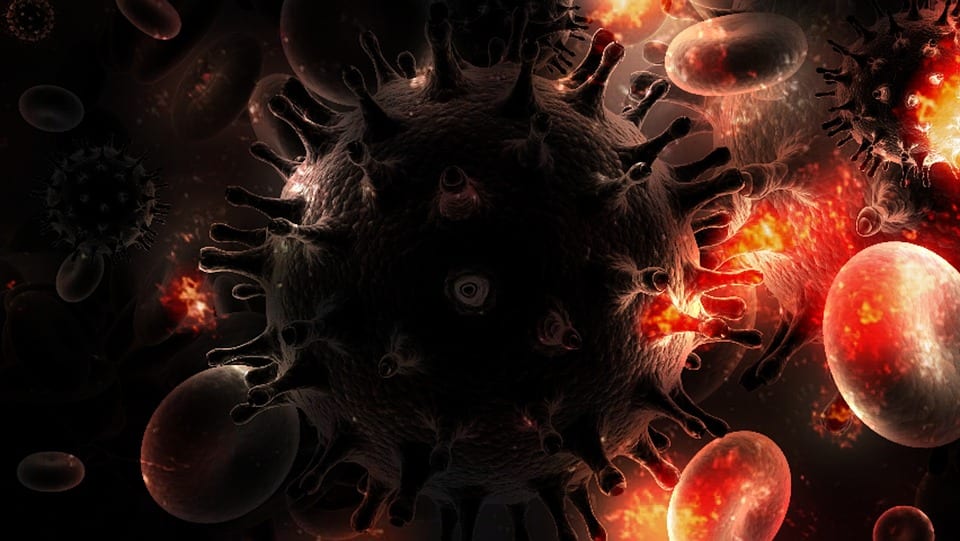
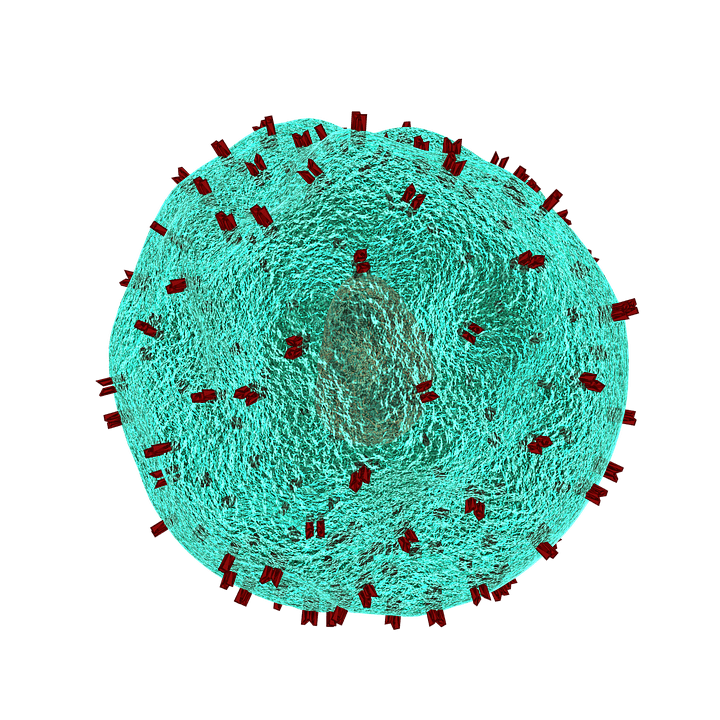
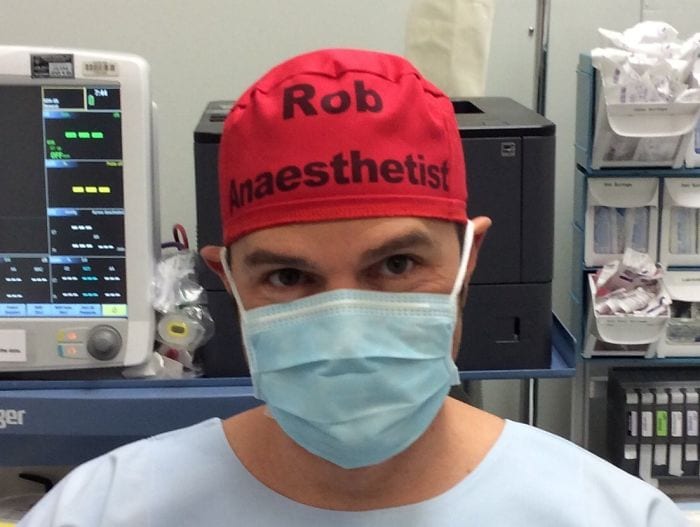
New Research Reveals Sleep Deprivation Can Actually Damage Your DNA

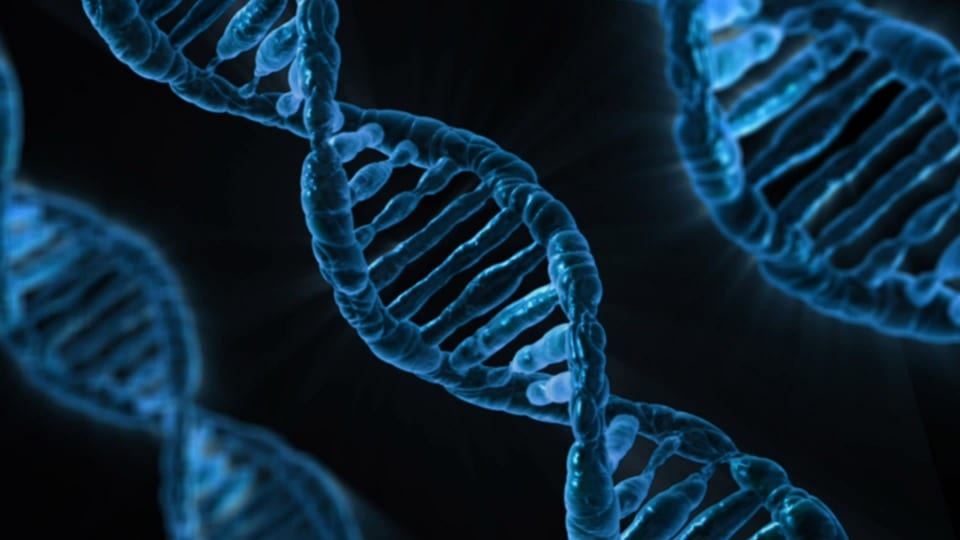
Tough news for anyone who’s having trouble getting enough sleep (so, basically all of us): a recent study published in Anaesthesia confirms that lack of sleep is so bad for your health, it can actually f*** up your DNA. This, in turn, can cause serious health problems down the road. It’s the first study to “quantify DNA damage directly in young adults who are required to work overnight shifts.”

The research team was out of Hong Kong and studied 49 healthy doctors. 24 of them worked overnight shifts between 5 and 6 times a month. The participants gave blood when they were rested and also after they pulled all-nighters, and gave other health information as well in order to rule out factors that could influence the study.

Image Credit: Pixabay

What they found was that even when the doctors who regularly went without sleep were well-rested, their DNA had lower gene expression, more DNA breaks, and generally appeared more damaged than those doctors who never stayed up all night.

Why does it matter? Well, DNA damage has been linked to a host of health issues, like heart attacks, diabetes, and certain types of cancer – a meta-analysis of 2 million people found a link between working night shifts and the incidence of breast tumors.

Dr. Siu-Wai Choi of Hong Kong University and senior author of the study, said in a statement:

“Although this work is very preliminary, it is clear from the results that even a single night of sleep deprivation can trigger events that may contribute to the development of chronic disease.”

This is, of course, just one single study, and more research is needed to determine the significance of the relationship between the DNA damage and the sleep deprivation. The sample doctors who were often pulling overnighters tended to be younger than the other group and all of the participants were of Chinese descent. A much wider study would need to be conducted to confirm findings.

Image Credit: Pixabay

“This study is important in that it will allow future researchers to study the impact of changing the way we work and other interventions by evaluation DNA breaks in the same way as the authors of this groundbreaking study have done.”

There are other factors that could come into play, like shift workers having a greater predisposition to suffering from chronic illness, changes to activity and eating patterns, and disruptions to circadian rhythms and sex hormone balances.

Even though the findings need to be confirmed, it seems safe to say that if you take care to do everything you can to stay healthy in the future, don’t skimp on the sleep – it’s as important as anything else you do with your body.

The post New Research Reveals Sleep Deprivation Can Actually Damage Your DNA appeared first on UberFacts.

China Had to Close their Everest Base Camp Because It’s Basically Just a Pile of Garbage

That’s gotta be humiliating!

China recently had to tell tourists that their Mount Everest base camp is closed… because it is too full of trash.

Photo Credit: Twitter/PretoriaRecord

According to Xinhua Net, that not only are tourists prevented from entering the zone, but climbing permits will be limited to only 300 per year. That’s a third fewer than normal.

So, is this China’s fault?

Nope.

This has been a problem that has been happening for YEARS.

According to South China Morning Post, Nepal has implemented a $4,000 trash deposit cost per team due to all the trash that climbers leave behind.

Only problem with that are climbers are usually rich, so they don’t care about the deposit. Only half the climbers in recent years have been bringing down the required amount of garbage.

And that doesn’t even take into account the fecal matter. Because, yes, people go to the bathroom on the mountain. 12,000 lbs. worth every year.

Here’s hoping that China can figure out how to get their camp clean, and then help work on the rest of this mess.

Yuck.

The post China Had to Close their Everest Base Camp Because It’s Basically Just a Pile of Garbage appeared first on UberFacts.

Mom Calls out Anti-Vaxxers After Her Newborn is Exposed to Measles

Never as a child growing up did I think we would one day live in a world where anti-vaxxers were as big of a thing as they seem to have become these days. Even though cases of vaccines causing adverse effects are exceedingly rare, and the concern about links to autism has been thoroughly debunked, they still continue to endanger everyone else via their stubborn refusal to accept science. Thanks to anti-vaxxers, previously eradicated diseases like measles are now making a comeback.

Jennifer Hibben-White posted about her experience on Facebook. Thankfully, her son didn’t get measles, but her story should be read by every anti-vaxxer.

She starts with a picture of her son, and then the facts:

Photo Credit: Facebook

Photo Credit: Facebook

Her doctor advised her to take precautions, which left her enraged (understandably):

Photo Credit: Facebook

She directs her rage at the ones who deserve it: those who have chosen not to vaccinate their children. And she doesn’t hold back:

Photo Credit: Facebook

Hibben-White reveals the heart-breaking reason that underlies why she’s so passionate about vaccinations—the loss of her daughter at five years old. She would have done anything to save her daughter, yet people are taking their access to life-saving vaccines for granted.

Photo Credit: Facebook

Finally, she calls out anti-vaxxers on their hypocrisy:

Photo Credit: Facebook

So savage.

The post Mom Calls out Anti-Vaxxers After Her Newborn is Exposed to Measles appeared first on UberFacts.

Scientists Find Whiskey Makes You Live a Longer, Healthier Life. Cheers to That!

I love when science gives me a reason to drink! According to new research, drinking whiskey in moderation can yield serious benefits such as helping increase your lifespan, improving your overall health, and even boosting your creativity.

Photo Credit: Pixabay

Yes, you read that right. A study recently presented to the American Association for the Advancement of Science has found links between moderate alcohol consumption and increased life span.

Claudia Kawas, a neurologist at the University of California, Irvine, has been studying the lifestyle habits of people in their 90s for the last 15 years. Her team found that people who drank two units of alcohol daily had a lower risk of premature death.

“I have no explanation for it, but I do firmly believe that modest drinking improves longevity,” says Kawas.

Photo Credit: Pixabay

Whiskey also contains ellagic acid, an antioxidant that helps to fight cancer. In fact, whiskey actually has even more antioxidants than red wine – long held to be the reigning champion of “healthy” alcohols.

Moderate whiskey consumption (no more than six portions a week) has also been found to reduce the risks of strokes, heart attacks, and dementia by nearly half! Finally, a study by the University of Illinois also discovered that participants were more creative at a blood alcohol content of around 0.075.

Photo Credit: Pixabay

So, raise a glass to health! But just one – seriously, moderation is vital.

The post Scientists Find Whiskey Makes You Live a Longer, Healthier Life. Cheers to That! appeared first on UberFacts.

NASA Just Made it Possible For You to Check the Weather on Mars

Modern living has given us a lot of great things – smartphones, the internet, DoorDash. But this next one might be one of the best examples of humanity’s greatness and ingenuity. You see, you can now check the daily weather on another planet!

The reports are a part of NASA’s InSight Lander’s – short for Interior Exploration Using Seismic Investigations, Geodesy, and Heat Transport – mission, which is to give Mars a “checkup” of sorts. The robot is set to report temperature, wind, and pressure readings for the foreseeable future.

Image Credit: NASA/JPL

Mission lead Don Banfield reminds us that the lander “is close to the Martian equator – just north of the equator – so it is experiencing Martian winter.”

And Martian winter will have you saying prayers of thanks for the polar vortex you might be experiencing Earthside.

“I didn’t think we’d see any evidence of the storms that are 60-degrees north latitude, but we’re already seeing evidence of the high and low pressure-signal waves that create weather on Mars,” Banfield continues. “We can see those waves all the way down near the equator, as the waves are big enough that they have a signature. That was a surprise.”

Compared to the systems we see here on Earth, the high and low pressures on Mars are far less chaotic, but the coldest temperatures on the red planet average around -139 degrees at 5am. The sunrise heats it to around a balmy 23 degrees, though, so you know. Livable.

Image Credit: NASA/JPL

If you could breathe the air.

InSight will also be recording tectonic activity and meteorite impacts in real time, and monitoring the planet’s crust, mantle, and core.

If you’re one of those people who think colonizing another planet would be super fun, you might want to log on and start gathering your own data on what kind of clothes you’ll need to bring along.

But, you know. Warm stuff for sure.

The post NASA Just Made it Possible For You to Check the Weather on Mars appeared first on UberFacts.

So… Apparently, If You Hold In a Fart, It Might Leak out Your Mouth

Well, this is extremely disturbing. Apparently, the old saying “better out than in” definitely applies to farts.

Clare Collins, a nutrition and dietetics professor at the University of Newcastle found that pent-up gas can actually pass through your gut wall, eventually re-absorbing into your bloodstream where it then circulates through your body.

If that happens, the gas has nowhere to escape except…yup, you guessed it – your mouth.

Photo Credit: Pixabay

“A build up of intestinal gas can trigger abdominal distension, with some gas reabsorbed into the circulation and exhaled in your breath,” she writes on The Conversation.

A 2010 paper on “Methane and the Gastrointestinal Tract” supports Collins’ comments about farts making their way elsewhere if you hold them in, stating that methane, hydrogen sulfide, and other gases that are produced in the body are mostly eliminated via the anus, but can also be “expelled from the lungs.”

But there’s so much more we can learn from these scientists who study flatulence as part of their profession! In one study, 10 volunteers ate a half a can of baked beans in addition to their regular diet, then signed up for rectal catheters that measured their expelled gas for the following 24-hour period.

Photo Credit: Pixabay

No word on where they find the people for these studies or what they offer them in return, but it’s got to be something good, right?

The outcomes showed that the average number of gaseous episodes per 24-hour period was 8 with no difference between men and women.

A second study showed that high-fiber diets led to fewer but bigger farts, while a third found that diets containing foods that broke down into sulfur were behind the smelliest sort of gas.

Photo Credit: Pixabay

I can only hope the people judging this horrifying contest of toots made it out of the room without passing out on the floor.

In conclusion, science says go ahead and let those farts out because holding them in can lead to excess belching, more gas, bloating, and intestinal pain. It can even, in some severe cases, lead to diverticulitis. Plus, you know, some gas may come out your mouth.

And nobody wants that.

The post So… Apparently, If You Hold In a Fart, It Might Leak out Your Mouth appeared first on UberFacts.

Here’s What Experts Say about Eating for Comfort vs Enjoyment

If you’re anything like me, you may have a bad habit of eating your feelings. It’s actually a very common thing, but it can be seriously bad for your health if you’re not practicing moderation.

Photo Credit: Pixabay

Experts agree that if we eat for comfort and it becomes a habit, we can hurt ourselves physically from overeating, while also doing emotional damage because we’re using food to avoid facing our feelings.

Karen R. Koenig, an eating psychology expert, blogger and author shared this with Huff Post about comfort food:

“A misleading misnomer if there ever was one, comfort is not something we want to keep associating with food. We want to file food in our brains under nourishment and occasional pleasure. We want to seek comfort through friends, doing kind things for ourselves and engaging in healthy activities that reduce internal distress.”

Sarah Allen, a psychologist who specializes in eating disorders has some additional advice:

“As soon as you start looking for food, stop. Think, ‘Am I hungry? Do I need food in my stomach, or is one of my triggers going off? What do I need right now?’”

But yeah, that’s good and all… but why is it so hard to NOT do those things?

Photo Credit: Pixabay

Susan Albers, author and clinical psychologist, explains the underlying factors.

“When we’re stressed, our bodies are flooded in cortisol. That makes us crave sugary, fatty, salty foods.”

Cortisol is the body’s main stress hormone. It regulates how our bodies process all the macro nutrients we consume (carbs, fats, proteins), so when stress and anxiety enter our emotional equation… we carbo-load like crazy.

Photo Credit: Pixabay

The experts agree that while a hormone like cortisol is a powerful trigger to comfort eat, we need to practice more mindfulness when eating. So instead of letting our mood drive consumption, we need to concentrate on meals, not snacks. Also, emotional eating usually ends up in overconsumption, which means we aren’t even tasting the food we eat. Experience a meal, savor the flavors and understand how you feel when you’re full.

One last bit of advice? Never go cold turkey. People put unrealistic expectations on themselves, which leads to being unable to meet goals. Start off with manageable, achievable goals and then continue to build up to your ultimate goals, whatever those may be.

Photo Credit: Pixabay

Basically, enjoy those treats! Because we deserve them. But try to view eating that cookie or candy or baked good or WHATEVER as a way of enjoying yourself, not consoling yourself.

The post Here’s What Experts Say about Eating for Comfort vs Enjoyment appeared first on UberFacts.

Scientists Say Beards Keep You Healthy and Handsome

I mean, as a bearded fella myself, I might be a little biased about this but I, for one, couldn’t be happier about this news.

A study from the University of Southern Queensland, Australia, found that men who have thick, rugged beards receive benefits that make them healthier and more handsome.

Photo Credit: Pexels

In what must have been a very strange sight, the researchers left mannequins in the harsh Australian outback and studied the results. Some of the mannequins had beards and some were bare-faced. The study found that the beards blocked 90 to 95% of harmful ultraviolet rays on the mannequins from the blazing sun. This help beards reduce the risk of skin cancer in the skin they cover.

But don’t think you can just get by with a little stubble. One of the researchers said,

“Facial hair has an Ultraviolet Protection Factor (UPF) of anywhere from 2 to 21. The percentage of UV blocked to the skin depends on the thickness and angle of the sun…Provided the beard is of reasonable thickness, I do not think there is a need to slather sunscreen over the beard due to the protection it provides. It has to be a thick bushy beard and not just stubble.”

Photo Credit: pxhere

Having a large beard also protects the face from irritants and can keep the face youthful by retaining moisture and blocking harsh wind.

Bottom line: embrace that beard of yours if you have one! It’s good for you!

The post Scientists Say Beards Keep You Healthy and Handsome appeared first on UberFacts.

Science Agrees – Husbands Are Just Big Babies Who Actually Make Life Harder for Their Wives’

Fellas: Listen up and get your s***t together.

Married women have undoubtedly known this forever, but science has finally confirmed it – having a husband can sometimes feel like having another kid, rather than an equal partner who will help shoulder the load of managing the home and raising the kids.

A recent survey of 7,000 moms across the U.S. asked them to share the reasons behind their daily stress, and guess what? Moms are stressed. Shocker!

Photo Credit: Pixabay

The majority of mothers rate their stress at an 8.5 out of 10, and a whopping 46% of them feel that their husbands cause them more stress than their kids.

“A 7-year-old is going to be a 7-year-old. But a 35-year-old acting like a 7-year-old is more stressful because they should know better,” says mom Deno Fleno.

Photo Credit: Pixabay

The reason? 75% of moms say they feel the need to do all of the household and parenting chores because otherwise, they won’t get done at all.

1 in 5 mothers claim to be stressed all the time because their husbands refuse to help out at all. With anything. 

Yikes.

“I am exhausted emotionally and physically when my husband comes home. He feels like another job,” a mom who wished to remain anonymous added.

Photo Credit: Pixabay

Sure, not everyone’s husband fits this mold, and more of them fit it sometimes but not always. That said, guys, you need to pull your weight more with the kids and the house, and without being asked (aka nagged) to get off your butts and pitch in.

Ask yourself this: if you’re making your wife’s life harder and not easier, why would she keep you around?

The post Science Agrees – Husbands Are Just Big Babies Who Actually Make Life Harder for Their Wives’ appeared first on UberFacts.

Science Weighs In on When It’s Okay to Grab a Midnight Snack, and When to Say No

If you’re trying to eat healthy, or maybe lose a few pounds, one of the most common things people will tell you is to stop snacking after a certain time – usually after dinner. That means those late night munchies are a strict no-no. But is it really true that we can never give in to those midnight cravings?

First of all, let’s dispel the myth that food eaten after a certain hour always turns into fat, like the your stomach knows how to read a clock. You gain weight when more calories go in your body than go out, full stop. And yet, the participants in multiple experiments have proven that people who tend to eat late at night do tend to gain more weight and keep it on.

So what’s up with that?

Photo Credit: Pixabay

Well, a recent group of studies out of Northwestern University seems to indicate that being a night owl has more to do with nighttime eating and its negative effects – night owls are just more likely to eat late. It’s like this: the people for whom the halfway mark of a normal night’s sleep was between 1am and 5:30am (ie. people with earlier bedtimes) tended to have only a meal after work and nothing before bed, while the people for whom the halfway point of their normal night’s sleep was after 5:30 (ie. night owls) were more likely to have another snack before crawling under the sheets. The second group also often got less sleep than the first.

The studies also noted that people tend to make poorer choices when they’re tired or interested in a television series at the end of the day – we reach for easy things like takeout, chips, or pizzas instead of making the trip or stop at the grocery for proteins and vegetables.

Photo Credit: Pixabay

That said, if you are someone who has the luxury of staying up late and sleeping in, there’s no reason you can’t eat if you’re hungry, even after dinner.

Here are some simple tips to keep yourself satisfied, sleeping well, and at your desired weight.

#1. Watch your calories.

Photo Credit: Pixabay

Try keeping a log of the calories you eat all day long, and if it’s not too many, it’s fine to have a snack – just try to choose something on the healthier side, and do your best to eat 2 or 3 hours before you plan to go to bed. Otherwise, your digestion could disrupt your sleep and lead to more issues the following day.

#2. Choose your snacks wisely.

Photo Credit: Pixabay

Not only is it important to choose something low in calories if your day is almost done, but choosing something that can help promote sleep – dairy, fish, turkey, bananas, kiwi, cherries, almonds, and honey are all options that offer melatonin and serotonin that can help you snooze through the night.

#3. Do some self-evaluation.

Photo Credit: Pixabay

If you do find yourself wanting to indulge late at night more often than not, you might be looking at some kind of compulsion – overeating can be linked to emotional issues. Check on yourself, and determine whether your desire to eat at night could be feelings-related.


So, it’s not a bad thing to give into your hunger later at night, especially if you’re a night owl. You just need to remember that what we eat and when does affect our ability to get good sleep and keep ourselves on an even keel. Don’t force yourself to go hungry, just be conscious of the choices you’re making and do you!

The post Science Weighs In on When It’s Okay to Grab a Midnight Snack, and When to Say No appeared first on UberFacts.