Manny Pacquiao Used $1.5 Million to Build 1,000 Homes for the Poor

If you’ve watched Manny Pacquiao in the ring, then you know he has fists of fury and is one of the best boxers we’ve seen in the last several years. In other words, he’s a total badass.

Posted by Manny Pacquiao on Sunday, July 28, 2019

But Pacquiao’s bad-assery extends beyond the ring, as well. He’s never forgotten where he came from, having grown up in poverty in the Sarangani Province of the Philippines. Pacquiao grew up in a cardboard shack with his family, and they sometimes didn’t have any food to eat. The future boxing great left home at the age of 15 and survived on the mean streets of Manila.

Now, Pacquiao is generally regarded as one of the sport’s greats, and he also serves as a senator in his native country. He also works to give back to those who are less fortunate. Pacquiao said, “I feel what they’re feeling because I’ve been there. I’ve slept in the street. That was my life before. So hard. That’s why I feel what they’re feeling right now.”

Eye of the Tiger

Posted by Manny Pacquiao on Wednesday, November 20, 2019

So Pacquiao did something about it: he built 1,000 houses for needy Filipinos. He bought the lots, built the homes, and then gave them away. The cost for the folks who received them: FREE.

He said, “I’m so happy giving these houses free to my constituents in Sarangani Province from my own pocket more than a thousand families are the beneficiaries.”

Altogether, the beloved boxing champ has given away about $200 million to fund projects to help the needy. Pacquiao said, “Every income I receive in boxing, almost half of it goes to the less fortunate. After each fight, half of my income goes to the poor. But I don’t like to announce it.”

A great man, and a great example.

The post Manny Pacquiao Used $1.5 Million to Build 1,000 Homes for the Poor appeared first on UberFacts.

This Organization Turns Empty Parking Lots into Safe Places Where the Homeless Can Sleep at Night

Homelessness is a problem across the entire world. Walk or drive through any city across the globe, and you’ll see down-on-their-luck men and women sleeping in doorways, on park benches, or anywhere else they can try to find some momentary peace.

An Australian charity organization called Beddown is looking to give that country’s homeless population safe places to sleep by providing pop-up accommodations in parking lots that are vacant overnight.

Posted by Beddown on Monday, September 30, 2019

Beddown partnered with Secure Parking, one of Australia’s largest parking lot operators, to do a two-week trial run for the program in the city of Brisbane.

Norman McGillivray founded Beddown after he got the idea while walking through an empty parking lot one night. He thought that the space could be better used as a makeshift homeless shelter than by just sitting empty night after night.

On their Instagram page, the founders of Beddown said,

“We will look to get as close as we can to a proper comfortable bed to provide the homeless with a great night’s sleep is our ultimate goal. Sleep deprivation is a massive issue for our homeless, so being in a place that offers shelter and is safe, secure and comfortable we believe will have a big impact on those who use Beddown.”

Posted by Beddown on Monday, September 30, 2019

Beddown also provides other services in the overnight parking lots, including access to doctors, dentists, and hairdressers. Because the two-week trial in Brisbane was a success, Beddown is now looking to expand to other cities in Australia.

View this post on Instagram

Here are some initial Statistics and Outcomes from the Pilot: 41 guests used Beddown over the duration of the Pilot. 77% male 23% female guests Sleep rated on average – 4.5 out of 5 Beds rated on average – 4.5 out of 5 100% of guests said they felt safe during their stay. Multiple services accessed by guests – Dr & Nurse, Dentist, Hairdresser, New clothing and Social Services. The most guests turned away in one night due to capacity was 9. The youngest person who tried to access Beddown was just 15 years old. Positive outcomes: “After spending the week here, having a good sleep at night and a routine, it reminded me of life and I booked myself into Rehab for 6 months”. “Being able to sleep all night and away from drugs I’m clearer in the day and have not used drugs for 8 days”. “It’s the first time I have had a dream in years” “I don’t have to watch my back here” A Female guest found employment due to being able to sleep safely at night and able to work during the day. More data being accessed and will be shared soon. This is just the beginning! We now need support from Corporate, Government and the Public to make Beddown a sustainable operation and allow us to roll out across Australia to really help change and save lives. #homelessness #homeless #streetlife #storyofthestreet #beds #globalshift #queensland #brisbane #nsw #sydney #victoria #melbourne #southaustralia #adelaide #westernaustralia #perth #northernterritory #darwin #tasmania #australia #nonprofit #selfesteem #community #usa #uk #quality #endhomelessness #lifechanger

A post shared by beddown (@beddowntonight) on

Let’s keep our fingers crossed that this program succeeds in Australia and then spreads to other parts of the globe. It’s a great idea that could definitely help out a lot of people who are struggling.

The post This Organization Turns Empty Parking Lots into Safe Places Where the Homeless Can Sleep at Night appeared first on UberFacts.

A Study Says You Can Tell If Someone Is Rich or Poor Just by Looking at Them

It’s said that people can tell a lot about you from looking you in the face, but until recently, no one suspected your gross average income could be one of those things.

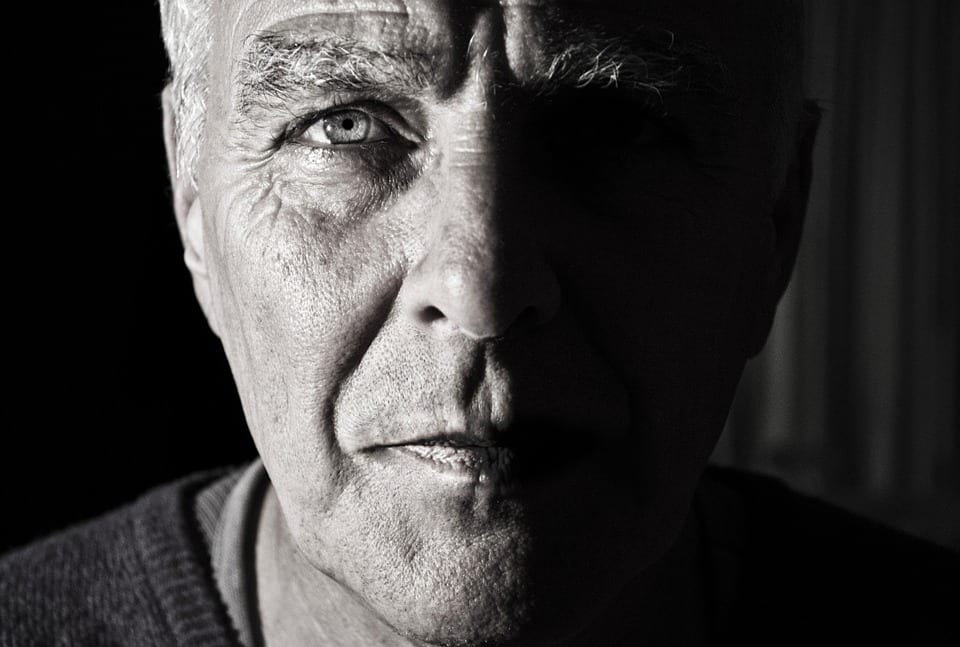
A new study was published recently in the Journal of Personality and Social Psychology, and it claims that you can tell whether someone is rich or poor simply by studying their face.

Image Credit: Pixabay

Co-author of the study, grad student Thora Bjornsdottir, explains.

“The relationship between well-being and social class has been demonstrated by previous research. In general, people with money tend to live happier, less anxious lives compared to those struggling to make ends meet, and these well-being differences are actually reflected in people’s faces.”

For the study, Bjornsdottir and a psychology professor, Nicholas O. Rule, had their subjects look at black-and-white photographs of 80 males and 80 females without any identifying markers like tattoos or piercings. Half of the photos were of people who made over $150k a year and the other half made less than $35k.

Image Credit: Pixabay

The subjects, who were from various ethnic backgrounds, then guessed the class of the people in the photos – and they were correct around 68% of the time.

That is, in case you’re wondering, significantly higher than random chance.

Dr. Rule told The Cut they were surprised themselves.

“I didn’t think the effects would be quite as strong, especially given how subtle the differences are in the faces. That’s the most surprising part of the study to me.”

Image Credit: Pixabay

“People are not really aware of what cues they are using when they make these judgments,” adds Bjornsdottir. “If you ask them why, they don’t know. They are not aware of how they are doing this.”

Interestingly, the subjects were also able to guess correctly when they were able to look just at the eyes, or just at the mouth, though not quite as often.

Bjornsdottir believes the effect is “due to emotion patterns becoming etched into their faces over time,” because the chronic contraction of certain muscles can lead to changes in the actual structure of your face.

When the subjects were shown pictures of people smiling, they were unable to discern the socioeconomic status of the people in the images with any reliability.

Image Credit: Pixabay

The researchers believe their results are important because first impressions come into play in the real world – a fact they proved when they asked the subjects to choose who they would hire as an accountant based on the images alone.

They chose the people who appeared to be high-earners, which means employers could be doing the same thing.

“Face-based perceptions of social class may have important downstream consequences. People talk about the cycle of poverty, and this is potentially one contributor to that,” they conclude.

So, even though “don’t judge a book by its cover” is one of the world’s more famous sayings, it turns out we’re all doing exactly that every day without even realizing it.

Kind of makes me rethink my decision to not wear makeup most days.

How about you?

The post A Study Says You Can Tell If Someone Is Rich or Poor Just by Looking at Them appeared first on UberFacts.

12 Examples of “Hostile Architecture” That Cities Use to Keep Homeless People from Sleeping in Public Places

Sadly, homelessness is a major problem, both in the United States and around the globe. In every major city – and even in a lot of medium-sized and smaller towns – you’re bound to see the unfortunate sight of homeless people sleeping on the streets.

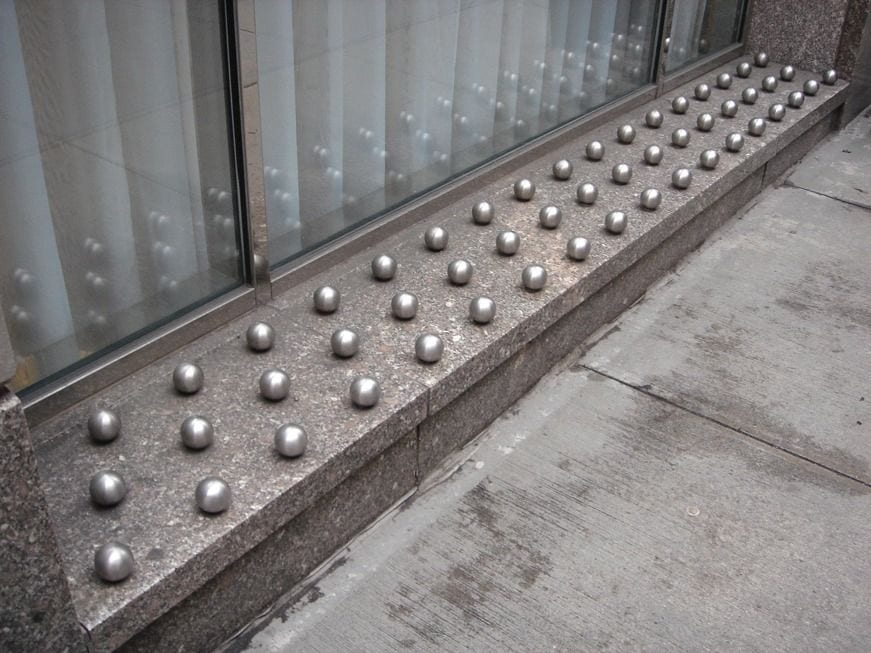
Some cities have chosen to help fight against homelessness, while others have chose to fight against homeless people. The weapon of choice: “hostile architecture.” If you’re not familiar with the term, it basically means using architecture to make public spaces inhospitable to sleeping or sitting, or really just existing.

Here are some examples of how cities are dealing with their homeless people.

What do you think about these methods?

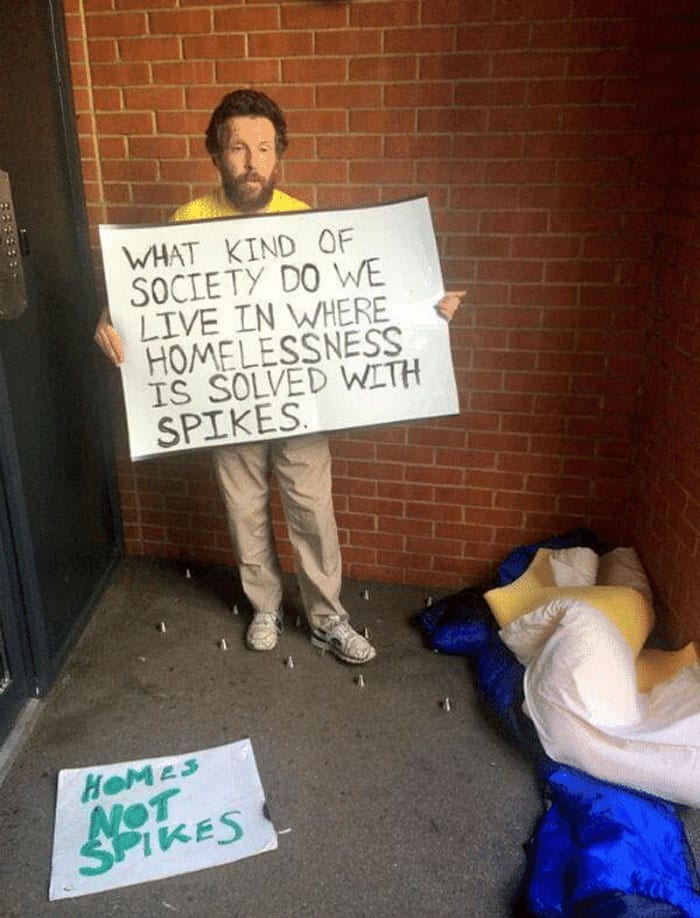
11. Anti-homeless spikes.

2. That guy had a good solution.

To prevent the homeless from sleeping here from therewasanattempt

3. He has a point.

Photo Credit: Reddit

4. Seems like a bit of a contradiction.

5. Yes, it does.

Anyone else find this ironic? from HostileArchitecture

6. Wow. That is harsh.

7. Locked up at night.

Bench in Volgodonsk, Russia from HostileArchitecture

8. Artistic, but serves a purpose.

"Les pieux de pierre sont impressionnants. Taillés en forme d’obélisque, ils sont installés sur un site privé du…

Posted by Dégustation de Bon Sens Liège on Thursday, October 4, 2018

9. That just looks painful.

The worst example of anti-homeless architecture I’ve ever seen from COMPLETEANARCHY

10. Uncomfortable shelter from the storm.

Photo Credit: Imgur

11. Seems a little cruel.

You’ve got to be the worst kind of heartless twat if you can go around slashing homeless people’s tents

12. No sleeping on this ledge.

Photo Credit: Imgur

It’s always difficult to see a person struggling in this way. Be kind to each other!

None of us truly know what someone else is going through and what circumstances led them to their current situation, so treat everyone with respect and dignity, regardless of how much money they have in their pocket or if they have a roof over their head.

The post 12 Examples of “Hostile Architecture” That Cities Use to Keep Homeless People from Sleeping in Public Places appeared first on UberFacts.

People Share Things You’d Only Know If You Grew up Poor

Poverty in the U.S. is rampant, even if you don’t see it all the time. And there are some things that you only know about and understand if you grew up poor.

AskReddit users weighed in on this topic.

1. Pre-cut

“Pre-cut Christmas trees are free on Christmas Eve. I remember the Christmas tree hunt on Christmas Eve was like our little family tradition. We would drive around in the evening looking for stores that still had trees sitting out front. Nine times out of 10, when we would ask about the tree we were interested in, they would say “just take it,” glad to get rid of them by that point.

Every year we had a perfectly beautiful tree and it was exciting to find perfect trees for free and then stay up late decorating it with home-made glitter pine cones and candy canes.”

2. Hot checks

“If you send a bad check to the utilities company on a Friday you have power for the weekend.”

3. No one will stop them

“Most gas station attendants will not stop a small child from stealing toilet paper from their bathrooms. Who knew?”

4. Libraries are lifesavers

“Libraries can save your life.

The first part of my childhood I would get home from school, usually to a vacant house. I really wouldn’t know if I was even going to see either of my parents each night. No cell phones of course. But I was always afraid… nervous at least, of what would happen if they did decide to make an appearance.

I started walking to the library everyday after school and staying till they closed every night just to avoid the feeling of anxiety for a little longer. Eventually one of the librarians noticed and took a liking to me. I think she might have been through similar things in her life that she saw in me. Gradually we got to know each other. First I started noticing there were more books being added in the genres that I liked. Then one day after the library closed, I walked over to McDonald’s.

I was a quarter or so short to buy a hamburger and she saw me asking people if they had any change. I saw her and was embarrassed and kinda hid from her. From that point on I think she decided that she was going to take me under her wing. For over a year she would come by my desk at the library and just drop off chips, granola bars, pop, whatever you know? Of course, I would tell her I didn’t need it, when in reality I only knew where one meal would come from each day.

When I would ask her where it came from, she would just say it was extras from the break room, even though I could hear her in there putting coin after coin into the vending machine. Eventually she would just bring dinner every night to the library and we would sit down in the break room with each other and eat. I finally opened up to her about my family/living issues and had her to talk to. Even though I was still pretty guarded, this was a huge relief. THEN, after I had been there almost 2 years, it was the week before school started, and I headed into the library.

Before I left she told me to meet her outside after close. I did, we walked to her car, and she pulled out a brand new school backpack, and inside was a new outfit, binder, and shoes (my first Nikes). That’s when I broke down, and my walls crumbled. She was a single lady working off a librarians income, but she still made room for me.

For 3 years she supported me as much as she could, and she was more of a friend than I had ever experienced up until that point in my life. She is the number 1 reason I got out of that house and life. She was with me at all my adoption hearings, and made sure I was put with a nice family. She was at my graduation, and my wedding. She saw me grow up and succeed in life after coming from the bottom. She saw her work and love pay off. I went to her funeral this summer and it felt like I had lost my mother, but I couldn’t stop reflecting on how much she changed my life through her sacrifice.

Truly an amazing person, and I still donate to the library every year.”

5. You gotta eat

“How good a buttered tortilla is.”

6. Wintertime

“IDK about in other states but in Minnesota they can’t shut your power off during the winter because of the danger of someone freezing to death in their house. So that was a good time to try to catch up on some other bills you are way behind on too.”

7. All kinds of things

“Government cheese, doing your laundry in a bathtub using only cold water bc the gas was shut off, trying to spend the night at your friends house bc they had food and a warm room, (thanks Nikki) loving going to school because you could at least eat there, trips to Goodwill for “new” clothes, showers at school because at least three water was warm.

Being made fun of because you smelled like kerosene, having lice and no one doing anything about it, going to school with bruises bc your parents took their shitty decisions out in you. I’m so grateful to a handful of people that saw potential in me, I went to college, got a great job, and broke the cycle . Thanks Tom and Toni.”

8. Eat up

“Pizza nights are the best birthday present you could ever fucking get.

A whole pizza, ordered exactly how you like it, and you get to have more than one slice.”

9. Change

“Food stamp paper change.

When I was a kid , if you used food stamps they would give back the change in food stamp form. My Mom was too “proud” to publicly use them so she would make up a reason to leave & I would have to pay using them – I was 11 or so. She did it every time…I had to learn to keep my head up.”

10. Sacrifice

“That sometimes your parents sacrifice everything they have, including their sanity just to see you happy. And you only learn later in life the soul crushing existence of poverty. Then you wonder how they managed to do so much with so little.”

11. F*cked

“When you get home and see a yellow notice hanging off your door you’re fucked. It’s always on a Friday to so you’re out of luck until Monday.”

12. Going hungry

“What hunger really is. I remember waiting for my dad’s payday for the grocery shopping trip and being absolutely ravenous when the food got there.”

13. A good lesson

“Witness to the adage “how much you really do have”. Major fire wiped out several hundred million-dollar homes. Heat generated left rubble of two-story homes only feet high. Families devastated. I still see the face of one man so completely shattered, I wondered if he would live to be able to rebuild.

I later was in the Command Post area when I was approached by a young girl and her Father. The Dad couldn’t speak English, so the girl would translate. “My family wants to know if this is where we can bring donations for the people whose houses burned down?” To my working knowledge, none had been established at that point. Her Father talks, she translates: “can we leave it here? Many roads are being closed, and we’re not familiar with this part of town.”

I walk with them to their car, a much older beater, the Mom and a couple of siblings in it. Dad opens the trunk, and together, we all bring out couple cases of water, canned and dry food, adult and child clothing, some used toys, and prepared food. Almost list it when each kid handed me their toys. Little girl: “we have so much stuff and we want to share with those families.”

14. Work with what you have

“Outdated technology.

When I started college, one of my professors asked if anyone in our class remembered how you changed a channel on the TV before remote controls. I was the only person in the room who remembered turning dials and adjusting rabbit ears despite being one of the youngest students in the class, because my family had a TV from the 70s until 1995.

Same sort of thing with computers, phones, etc. If we had it at all, we got something much later than anyone else (after it got cheaper) and bought used. I got my first computer in 1999. It had Windows 3.1 and that was what I used until I was able to use my financial aid to get a new PC tower for college.”

15. Cheap items

“Knowing the cheapest thing on the menu at every restaurant, for when your friends’ family invites you out to dinner. Even though you’re not paying, you’re programmed to only select the cheapest thing. My friend’s mom said “you sure like hot dogs. That’s all you order no matter where we go to eat.”

The post People Share Things You’d Only Know If You Grew up Poor appeared first on UberFacts.

10 Sobering Photos from the Great Depression Era

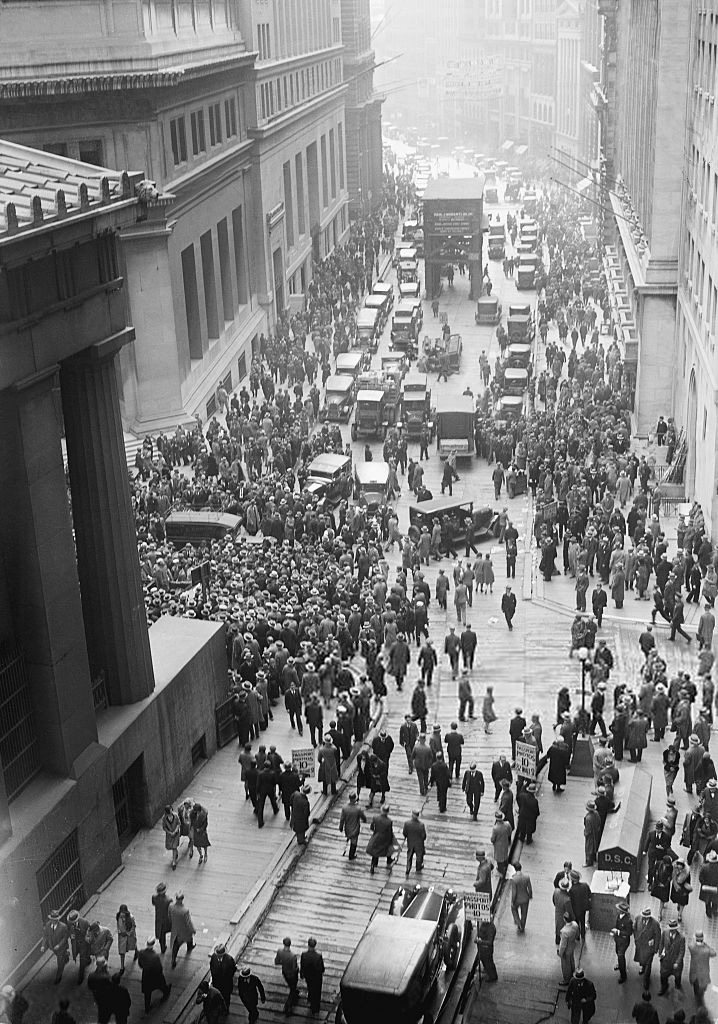
When the stock market crashed in October 1929, the entire country was plunged into a disastrous economic downturn lasting until the 1940s. In those years, families suffered destitution, starvation and breakdowns. It was the worst economic depression the industrialized world had ever seen.
Here are 10 photos that illustrate the devastation of the era.

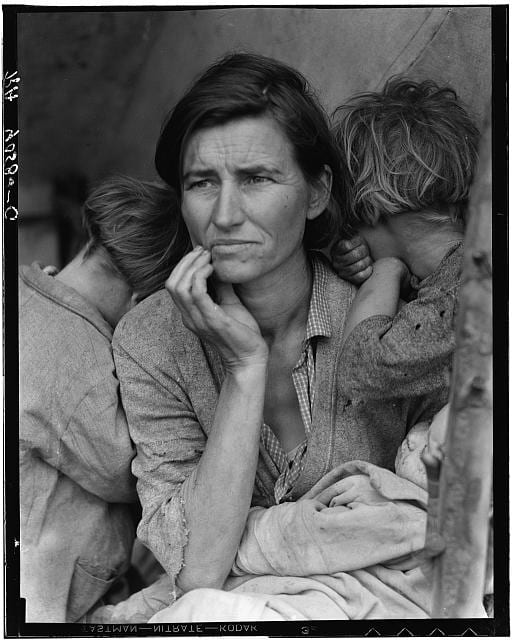
1. Titled “Migrant mother.”

Photo Credit: LOC.gov

This is perhaps the most famous of all Great Depression photos. It shows Florence Thompson, a California pea picker, with three of her seven children. She was 32 years old.

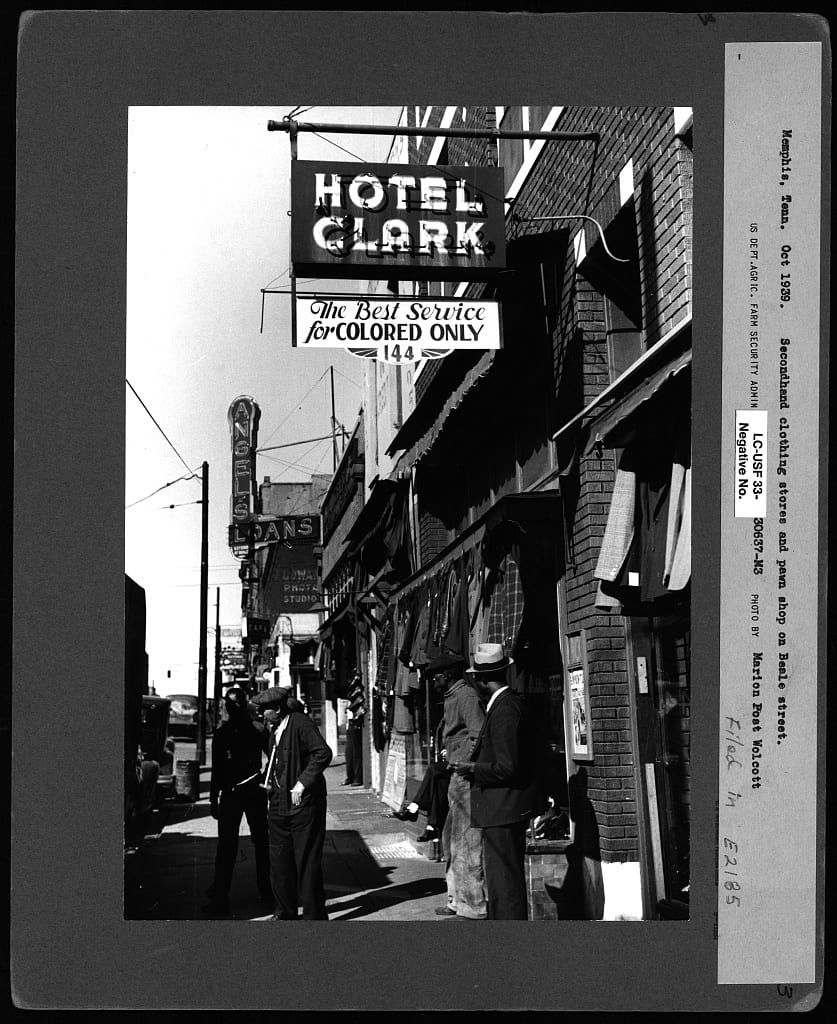
2. Memphis 1939, the sign of the Hotel Clark says it’s the best service for “colored only.”

Photo Credit: LOC.gov

Laws against segregation would not be enacted until the Civil Rights Act, 25 years in the future.

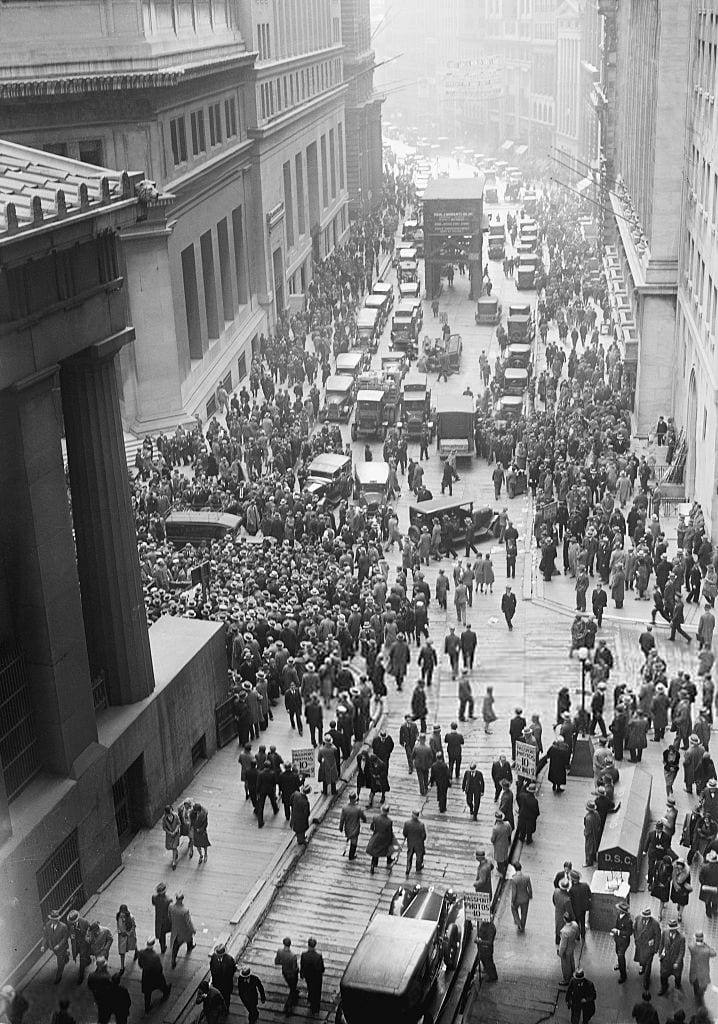
3. A crowd gathered outside the New York Stock Exchange after the crash.

Photo Credit: US Gov, public domain

Wall Street panicked and investors were wiped out. The event abruptly started the Great Depression.

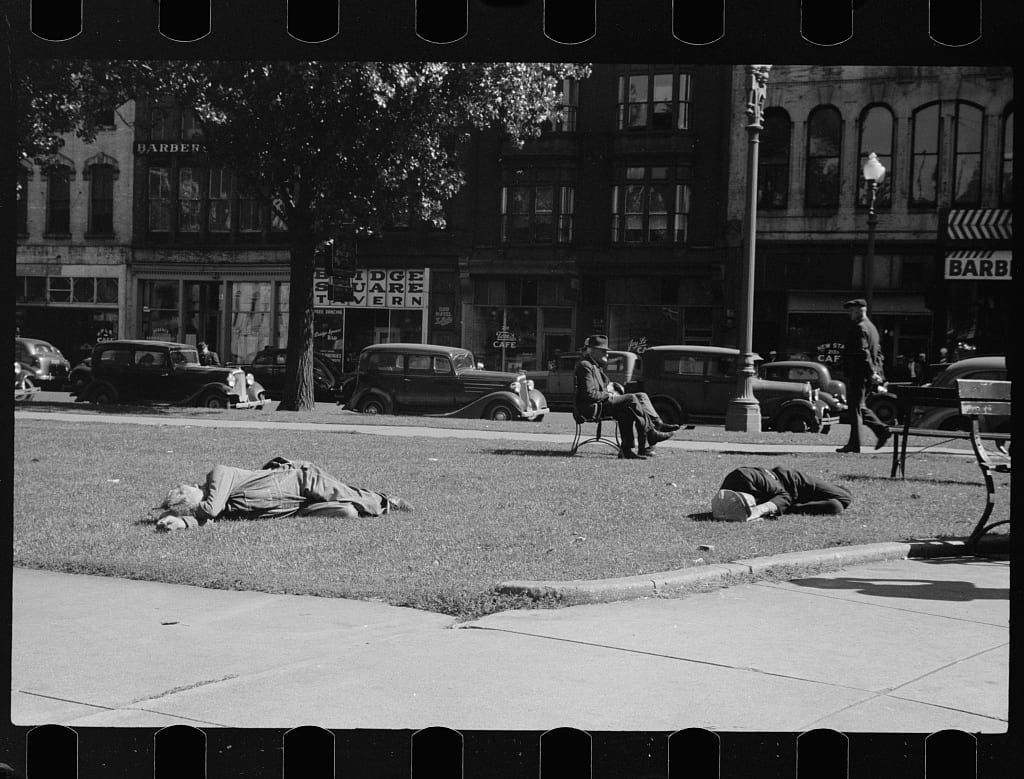
4. Unemployed men sleeping in the park in Minneapolis, 1939.

Photo Credit: LOC.gov

Rampant unemployment led to rampant homelessness.

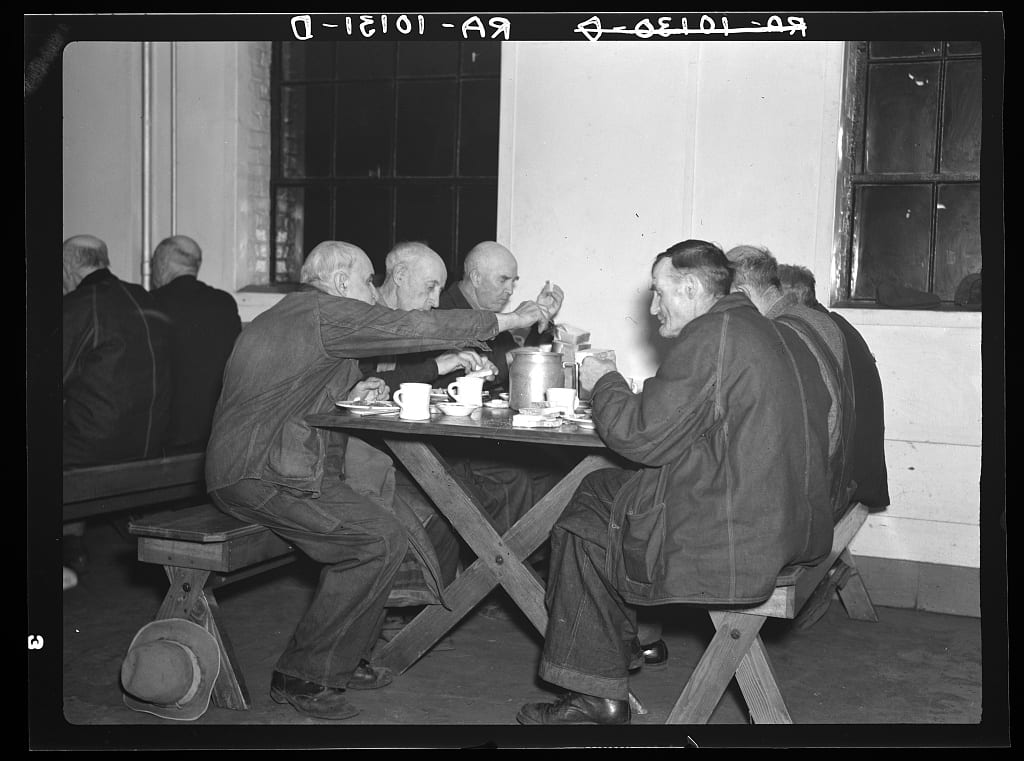
5. Meal time at the Sioux City, Iowa, homeless men’s bureau for unattached men, 1936.

Photo Credit: LOC.gov

Boarding houses, rented rooms and shelters were common.

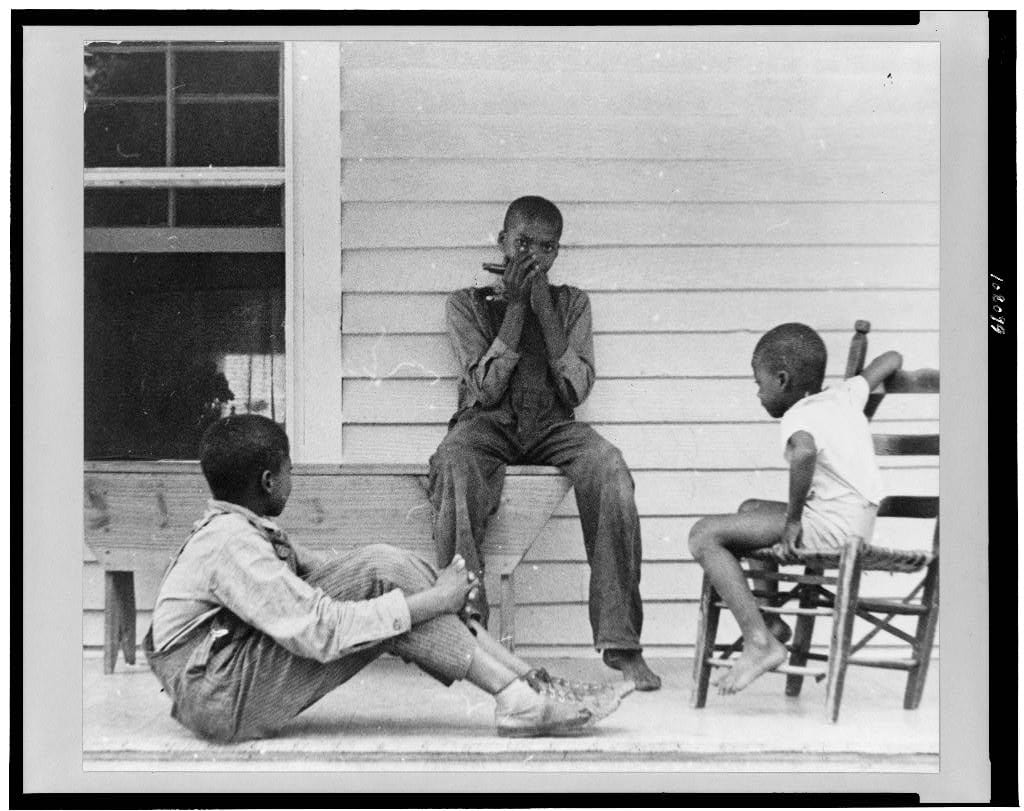
6. Sharecropper’s children in 1935.

Photo Credit: LOC.gov

Landlords collected government farm subsidies and used the money to mechanize farms, heavily reducing their need for labor.

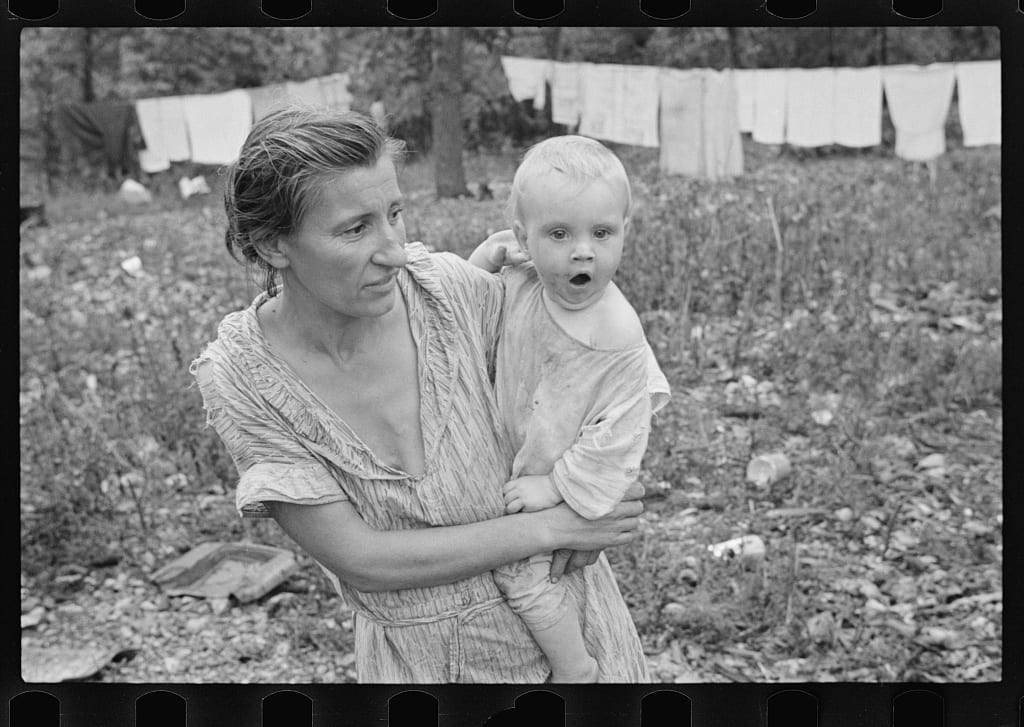
7. Sharecropper’s wife and baby, Arkansas, 1935.

Photo Credit: LOC.gov

Sharecroppers were often the poorest of the poor. In response to the mechanization of farms, bad living conditions and unfair terms of their leases, sharecroppers unionized during this time.

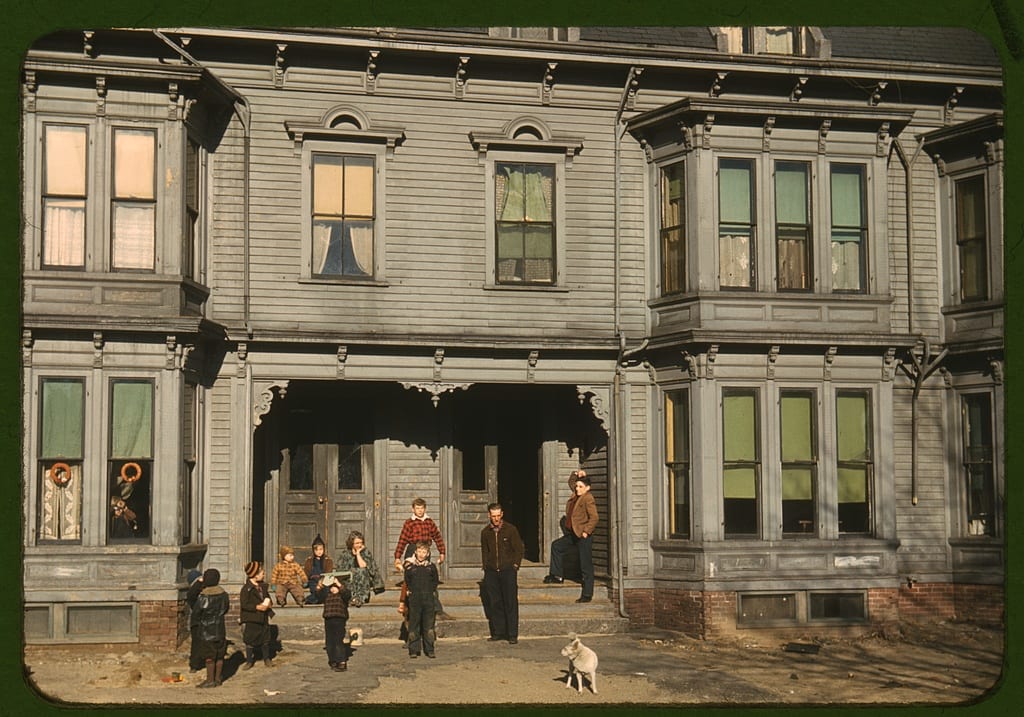
8. Children in the tenement district, Brockton, Massachusets, 1936.

Photo Credit: LOC.gov

Tenements in the major eastern cities, like New York City and Boston, were homes to the waves of immigrants that become the working class.

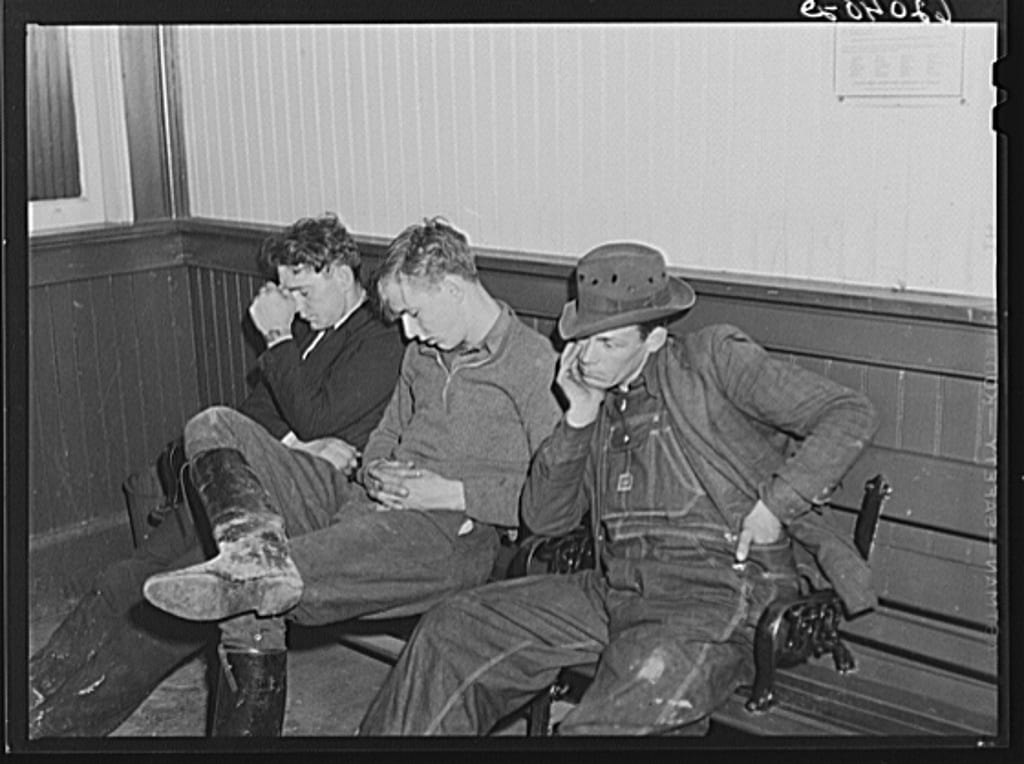
9. Men sleeping in railroad station, Radford, Virginia.

Photo Credit: LOC.gov

From out of town and working in the powder plant, they slept in the train station because they had no where else to go.

10. Family from Georgia in tent with neighbor’s child, eight or ten men, two women and two children.

Photo Credit: LOC.gov

The tent was their permanent home. Men slept in shifts as construction workers in Alexandria, Louisiana, 1940.

The economy didn’t fully recover until the end of World War II with sharp reductions in spending and taxes, and the end of war-time economy. It wasn’t until the 1950s that America began enjoying broadly renewed prosperity. Although poverty and food scarcity is still a problem for many, the levels of unemployment and despair felt by depression era Americans have not been seen since.

The post 10 Sobering Photos from the Great Depression Era appeared first on UberFacts.

A Poor Person Explained What Invisible Poverty Looks like to His Wealthy Friend

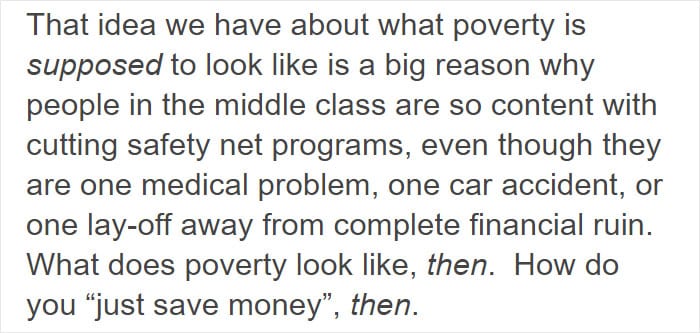
Do you know what this term means? “Invisible Poverty” is something that seems to slip through the cracks in American society – many people don’t even know it exists.

It’s not only an unknown phenomenon to many Americans, but it’s also not easy to explain to people who haven’t experienced it firsthand.

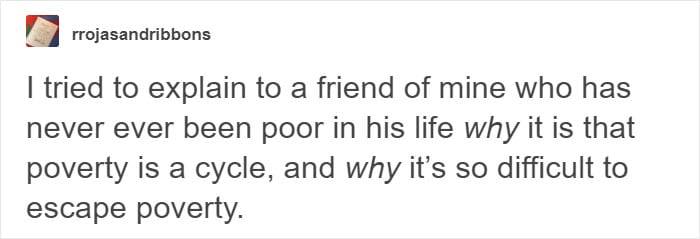
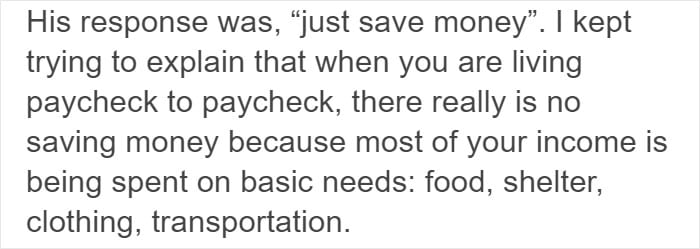
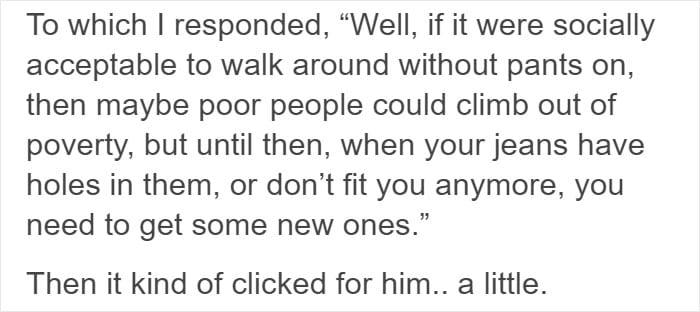
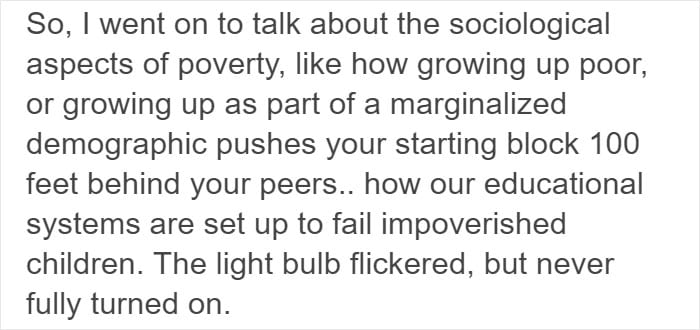
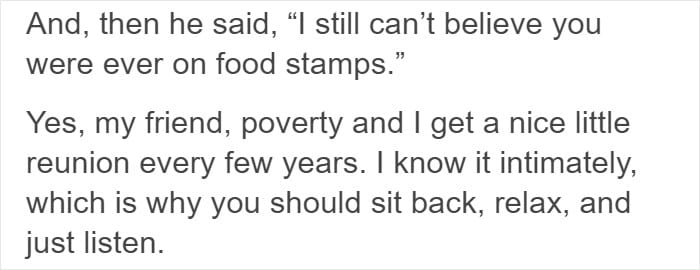
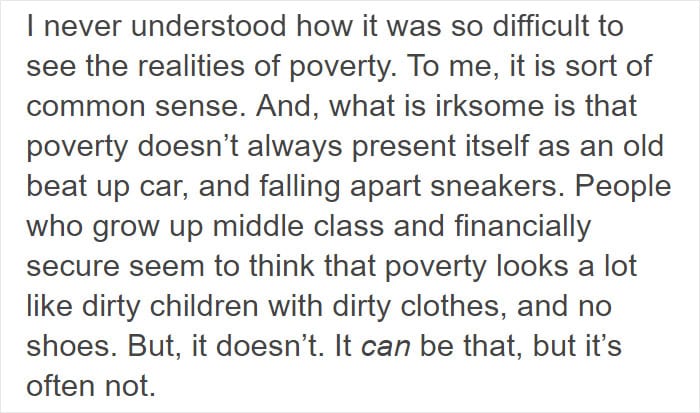
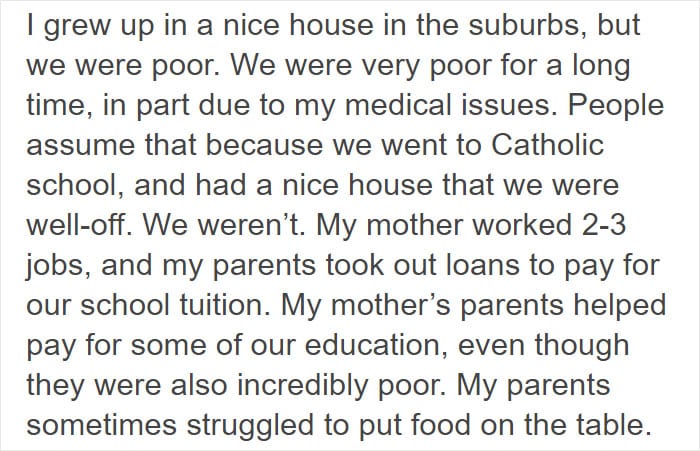
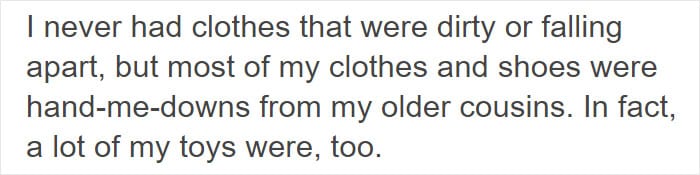
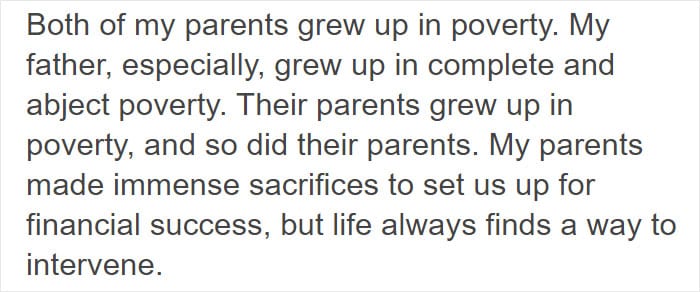
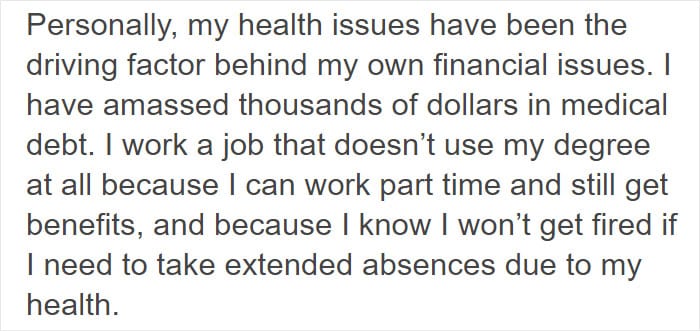
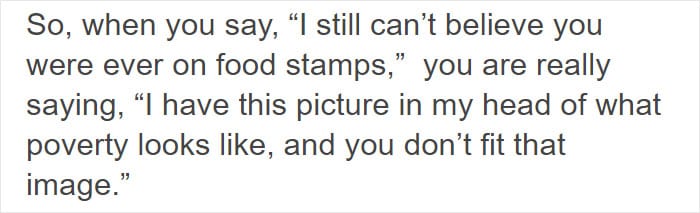
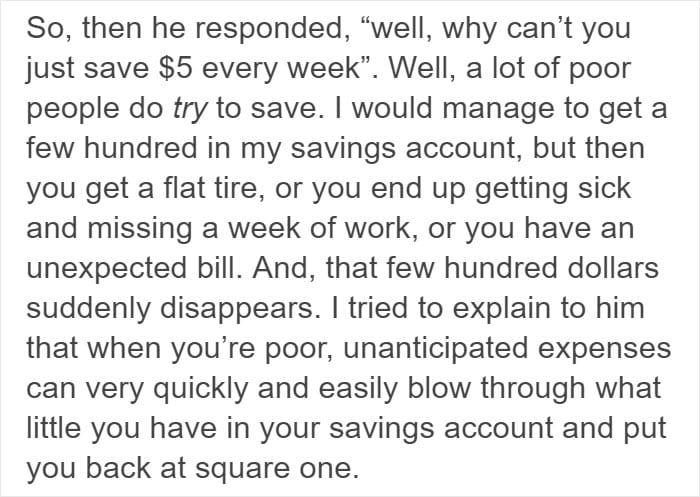
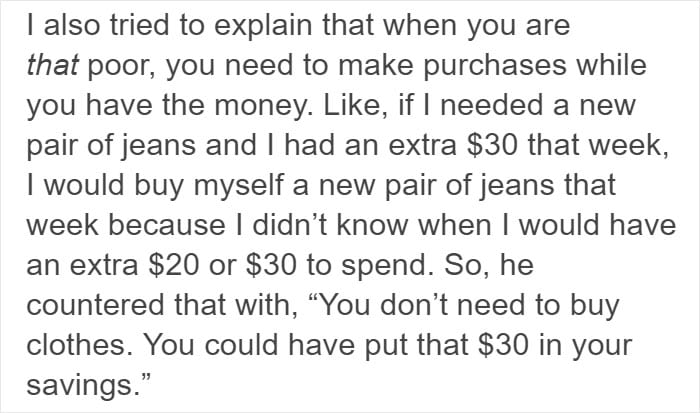
A Tumblr user wrote an important post about their conversation with a wealthy friend concerning how hard it is to escape poverty and why it goes so unnoticed by so many.

The post is lengthy, but read the whole thing and pay attention, because the words are powerful.

Photo Credit: Tumblr

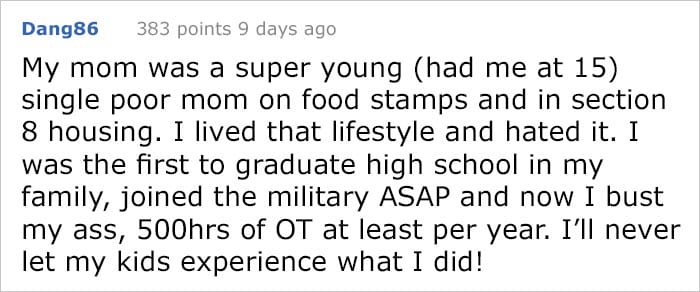
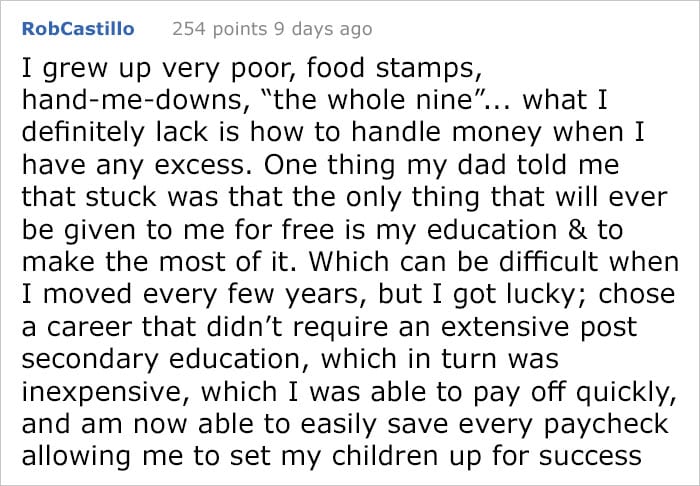
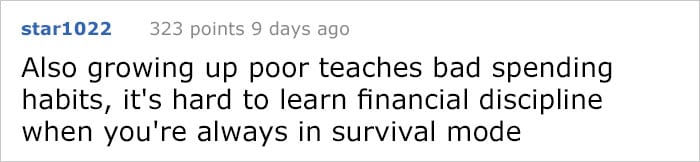
People were moved by the Tumblr post and weighed in with their own thoughts on the subject.

Photo Credit: Reddit

Photo Credit: Reddit

Photo Credit: Reddit

Photo Credit: Reddit

Photo Credit: Reddit

However “Invisible Poverty” is defined, there’s no doubt that many, many Americans have struggled and continue to struggle with it day in and day out.

Share your own experiences in the comments below.

The post A Poor Person Explained What Invisible Poverty Looks like to His Wealthy Friend appeared first on UberFacts.

A Twitter Thread Explained Why Raising the Price of Junk Food Might Hurt as Many Kids as It Helps

There’s no way around it: eating healthy is expensive. You could easily pop over to a fast food joint or buy a giant bag of say, pizza rolls, and fill your belly to the brim for the same price (or less) than you could make a salad at home or keep an assortment of fresh fruit on hand for a healthy snack.

That said, childhood obesity is also a real and growing health problem across the Western world.

Celebrity chef Jamie Oliver has created what he calls his #AdEnough campaign to try to fight it by changing the way junk food is advertised to children, which includes lobbying for a sugar tax that would increase the prices for fatty, sugary, junky food.

“This is a tax for good; this is a tax for love; this is designed to protect and give to the most disadvantaged communities,” he said in a statement.

That said, many people are calling him out for a couple of things.

First, Oliver has a Cookies and Cream drink that’s served in a chocolate cup and contains 46 teaspoons of sugar (6x the daily recommended allowance for a child).

Second, as pointed out in this brilliant thread by Twitter user Ketty Hopkins, the tax would not help “the most disadvantaged communities” at all, since those are the exact same people who need cheap food in order to survive.

Things got pretty bad for her and her family…

Like really, insanely, horribly bad…

Hopkins grew up in a low-income family, and explained, based on her own experience, why eating healthy sometimes (most of the time) wasn’t really an option.

But they weren’t lazy. Her father was emotionally devastated and completely overwhelmed.

This next part is just… wow.

Instead of making bad food cost more, Ketty has some pretty good insights – and suggestions – on how to help families and children currently struggling to make ends meet.

Being healthy takes effort, and her father simply didn’t have the energy.

She also reminds people that judging others for what they’re eating isn’t any more helpful than it is nice – it’s more often than not money, not laziness, that’s at issue.

After all, she points out, if her father had not bought cheap, unhealthy food, their family wouldn’t have been able to afford food at all.

Better to change the system that keeps people at a disadvantage than to try to keep all food out of their reach, price-wise, in the meantime.

It’s hard to disagree with her logic, though I’m sure some will!

The post A Twitter Thread Explained Why Raising the Price of Junk Food Might Hurt as Many Kids as It Helps appeared first on UberFacts.

Poor Person Perfectly Explains to Rich Friend Why Poverty is So Hard to Escape

“Invisible Poverty” is a term that many people don’t even know exists, but it actually describes a very real problem faced by a surprisingly large number of Americans. Unfortunately, it falls through the cracks of our awareness and understanding because it’s so tricky to explain to those who haven’t experienced it firsthand.

A Tumblr user wrote an important post about their conversation with a wealthy friend concerning how hard it is to escape poverty and why it goes so unnoticed by so many.

The post is lengthy, but read the whole thing and pay attention, because the words are powerful.

Photo Credit: Tumblr

People were moved by the Tumblr post and weighed in with their own thoughts on the subject.

Photo Credit: Reddit

Photo Credit: Reddit

Photo Credit: Reddit

Photo Credit: Reddit

Photo Credit: Reddit

However “Invisible Poverty” is defined, there’s no doubt that many, many Americans have struggled and continue to struggle with it day in and day out.

Share your own experiences in the comments below.

The post Poor Person Perfectly Explains to Rich Friend Why Poverty is So Hard to Escape appeared first on UberFacts.

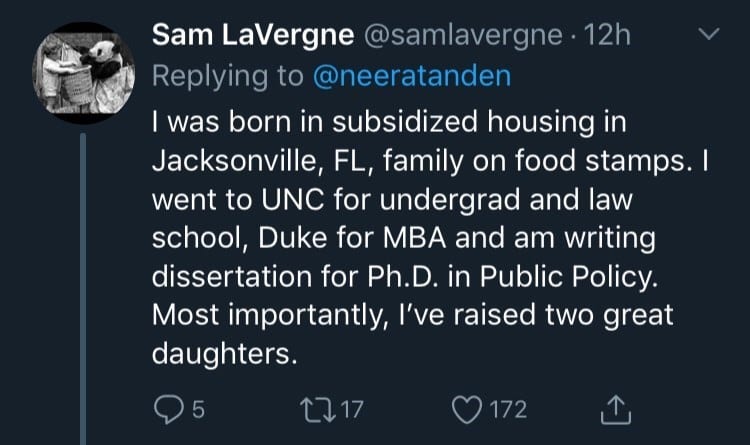
People Share Stories of Times They Got the Help They Needed, and We Can All Learn from Them

While the narrative of the “self-made man” is one that’s been pushed a lot over the last few decades, the fact of the matter is that everyone needs a helping hand now and then. Even the world’s most powerful CEO is helpless if his sports car breaks down on a remote country road. There’s no shame in it, and it’s important that we give people the help they need when they need it, because you never know how much it might mean to the person you’re helping.

These 10 Twitter users shared their personal stories about when they were in dire straits and received a helping hand that they haven’t ever forgotten about.

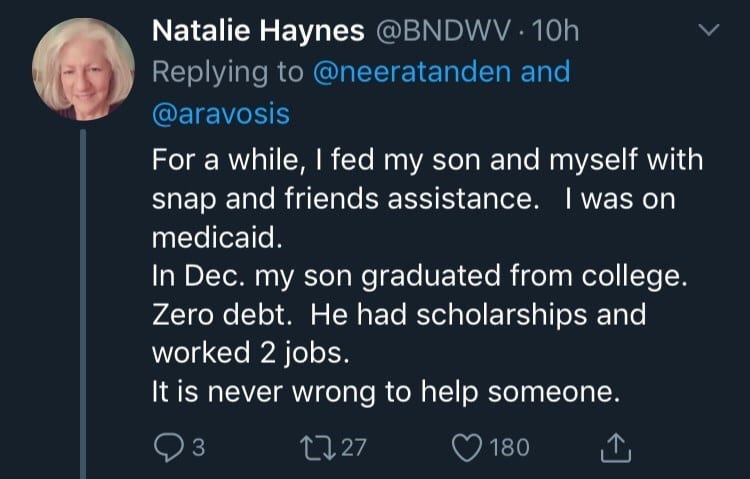
1. “It is never wrong to help someone.”

Photo Credit: Twitter

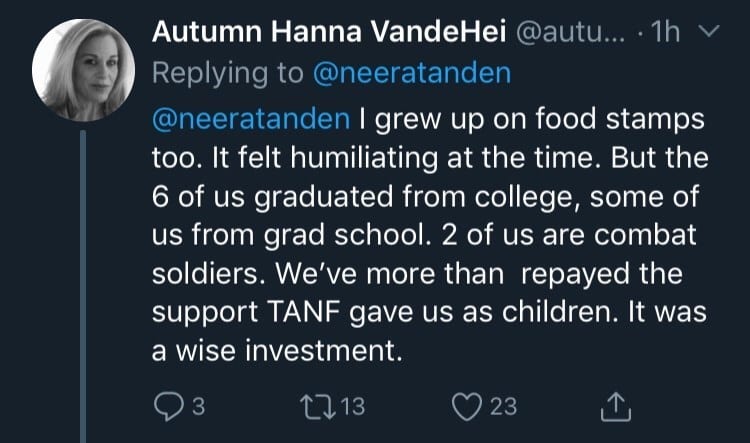
2. It gets better.

Photo Credit: Twitter

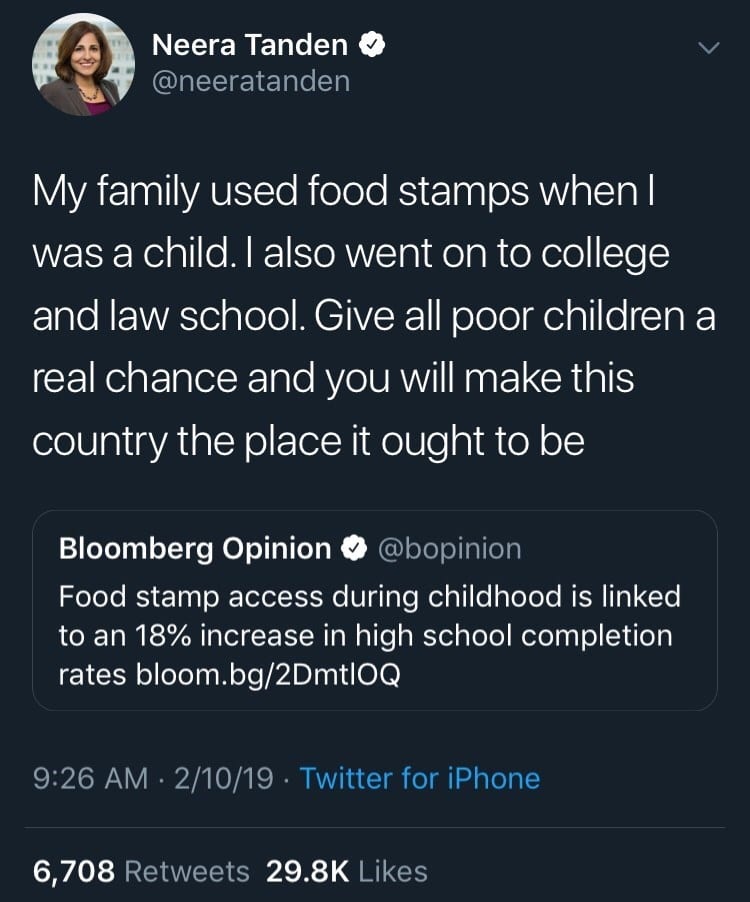
3. Everyone deserves a chance. 

Photo Credit: Twitter

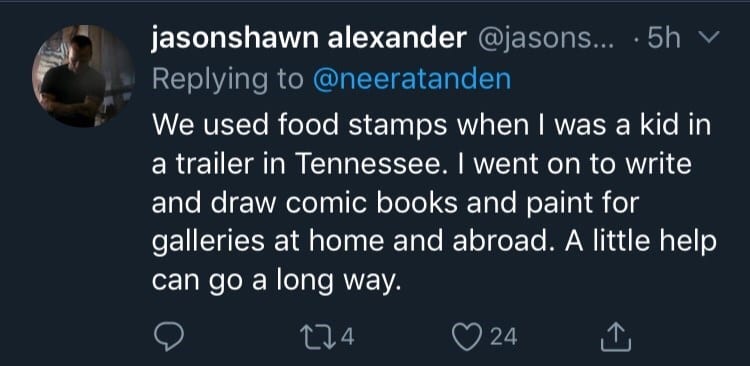
4. A little goes a long way…

Photo Credit: Twitter

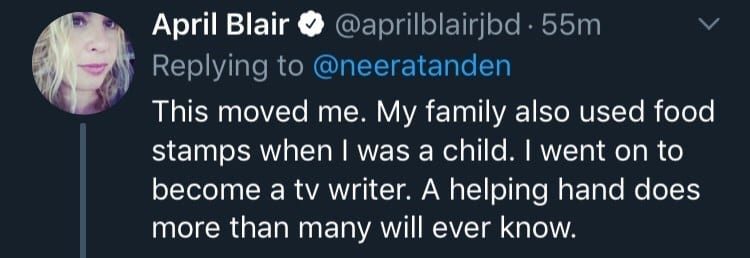
5. “…more than many will ever know.”

Photo Credit: Twitter

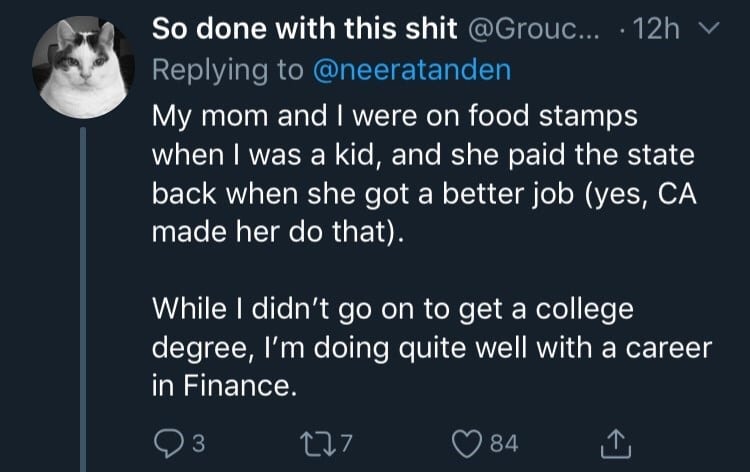
6. “Quite well” ain’t too shabby.

Photo Credit: Twitter

7. Teach your children well.

Photo Credit: Twitter

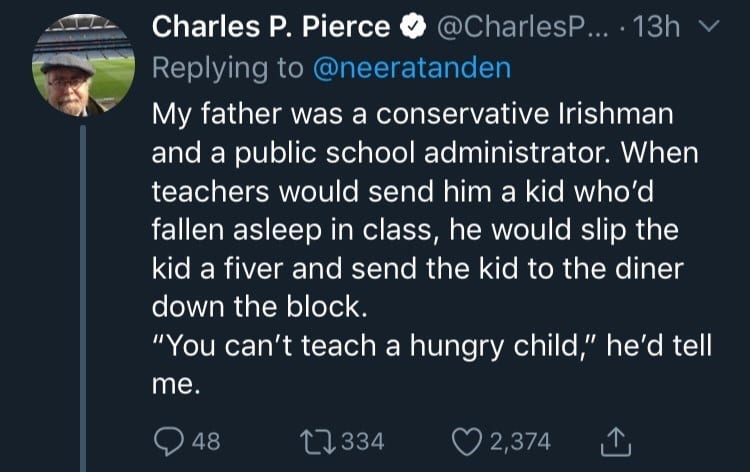
8. “You can’t teach a hungry child.”

Photo Credit: Twitter

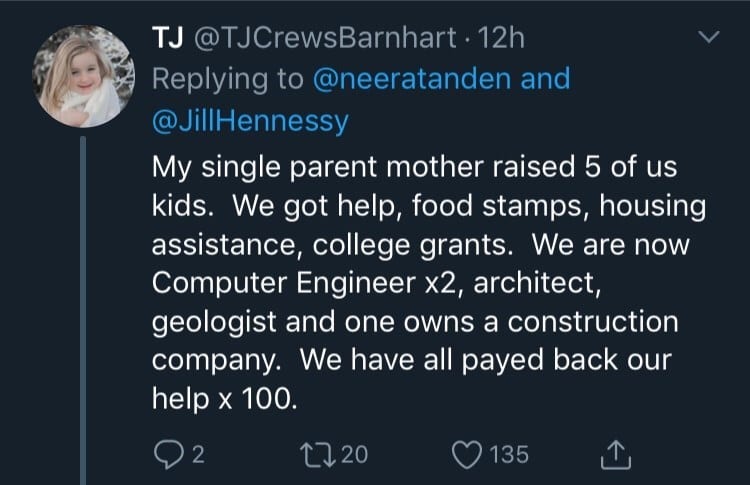
9. Pay it back x 100.

Photo Credit: Twitter

10. Hard work.

Photo Credit: Twitter

This is why it is important to never assume anything about anyone, because you never really know where they’ve been and what they are going through unless you’ve walked in their shoes. And if you know someone is in need, help them out in any way you can. Paying it forward is real.

The post People Share Stories of Times They Got the Help They Needed, and We Can All Learn from Them appeared first on UberFacts.