The Reason Why Fresh-Cut Grass Smells so Nice Is Actually Kind of Dark

Those of us who grew up in suburbia probably have a lot of positive associations with the smell of fresh-cut grass. It’s summer, we’re playing outside, our dads are home on the weekends – maybe all of the above. Even now, catching a whiff may cause us to stop, take a deep breath, and smile.

But what if I told you the smell is the result of thousands of blades of grass in distress, working fervently to heal themselves without rot setting in before it’s too late.

Yeah. Makes you think about that whole vegan thing, doesn’t it?

It turns out that when leafy green plants are harmed, they release organic compounds known as green leaf volatiles that help form new cells that heal wounds faster, prevent bacterial infection and fungal growth (sort of like plant antibiotics), and produce compounds that prevent further damage.

They also can serve as distress signals, which some believe leads to questions about a form of language meant to warn others about potential harm.

While some of these emissions help oxygenate the atmosphere, others could pollute the air by contributing to photochemical smog in urban areas – really, the jury is out on that.

I don’t know about you, but I’ll take this as one more reason to stop mowing the lawn and just let my “bee garden” take over naturally.

My neighbors can object until they’re blue in the face; I have SCIENCE on my side.

The post The Reason Why Fresh-Cut Grass Smells so Nice Is Actually Kind of Dark appeared first on UberFacts.

IKEA Told Kids to Bully a Plant for 30 Days. The Results Are Jaw-Dropping

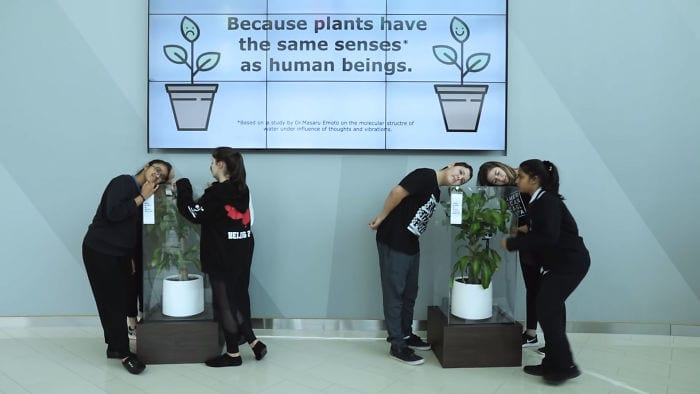
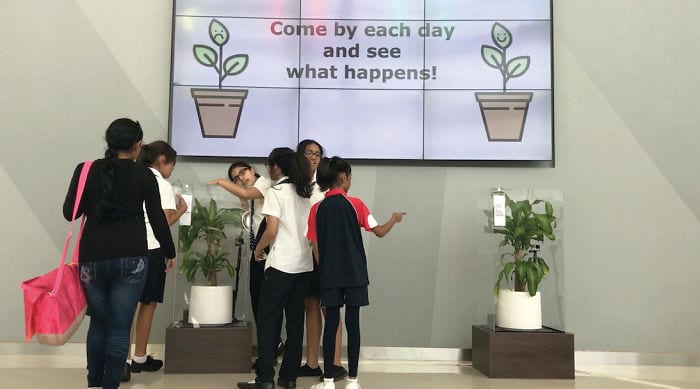
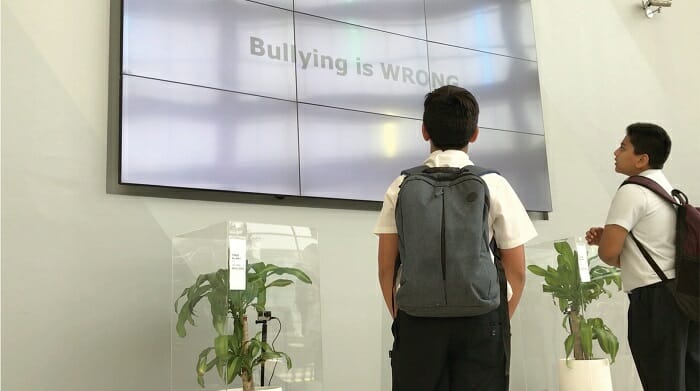
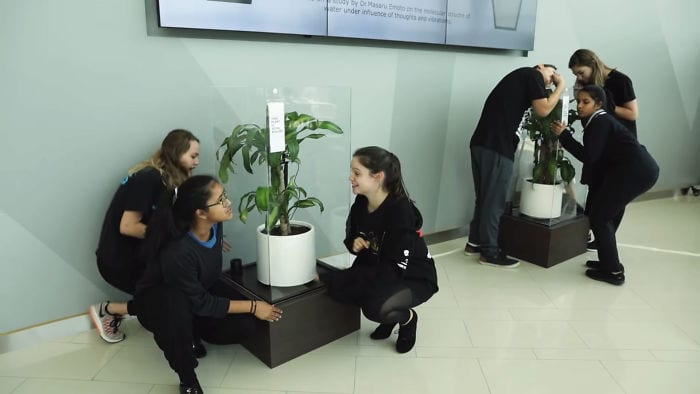
In order to raise awareness about Anti-Bullying Day on May 4th, IKEA UAE conducted a truly unique experiment. They took two identical plants and placed them in a local school.

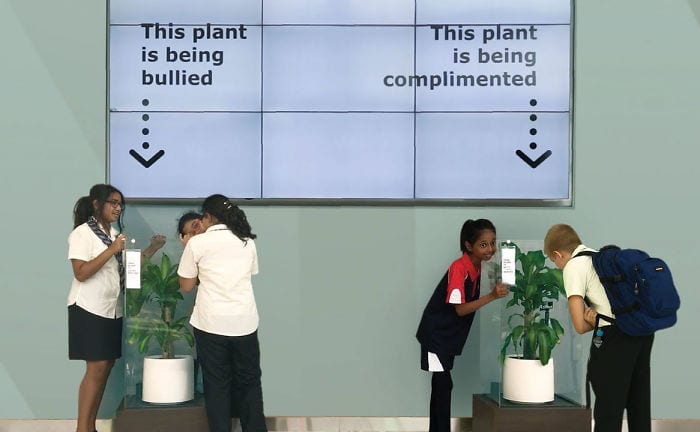
Both plants were cared for in the same way. They both had the same water, sunlight, and fertilizers. Their conditions were entirely the same except for one single notable exception – students were encouraged to pay regular compliments to one plant and to relentlessly bully the other.

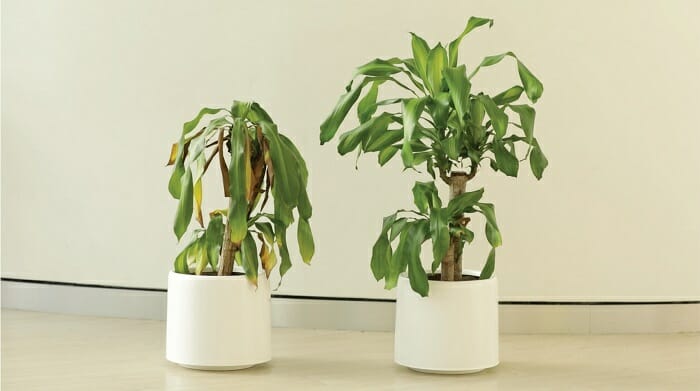
After 30 days, the results were pretty clear. While the complimented plant thrived, the bullied plant showed significant signs of struggle with discolored, drooping leaves.

Ever wonder just how damaging bullying can be? What if you bullied a plant nonstop for a whole month?

Photo Credit: IKEA UAE/YouTube

IKEA decided to test this out as part of its campaign to raise awareness about Anti-Bullying Day on May 4th in the Middle East.

Photo Credit: IKEA UAE/YouTube

The experiment placed two identical plants in a local school.

Photo Credit: IKEA UAE/YouTube

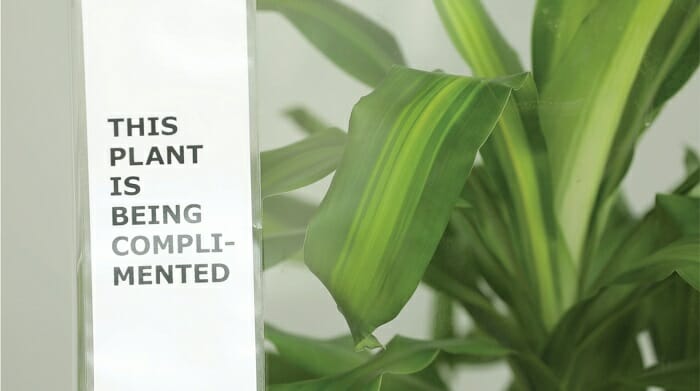
One plant was given words of encouragement and compliments on a regular basis.

Photo Credit: IKEA UAE/YouTube

Photo Credit: IKEA UAE/YouTube

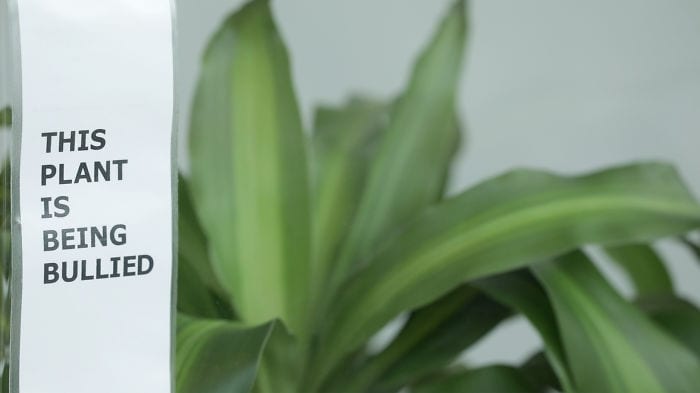
The other plant was verbally bullied with mean, hateful words.

Photo Credit: IKEA UAE/YouTube

Photo Credit: IKEA UAE/YouTube

Photo Credit: IKEA UAE/YouTube

Other than the type of words they were exposed to, the plants were treated exactly alike.

Photo Credit: IKEA UAE/YouTube

They both received equal amounts of water, sunlight, and fertilizers.

Photo Credit: IKEA UAE/YouTube

The final results are stunning.

Photo Credit: IKEA UAE/YouTube

Check out the video below to see the full experiment.

Viewers on YouTube had a lot to say about it.

Photo Credit: IKEA UAE/YouTube

Photo Credit: IKEA UAE/YouTube

Photo Credit: IKEA UAE/YouTube

It just goes to show how much power our words can have. I mean, if hurtful words can do this much damage to a plant, just imagine what they do to a person.

The post IKEA Told Kids to Bully a Plant for 30 Days. The Results Are Jaw-Dropping appeared first on UberFacts.
In the late 80s NASA…

In the late 80s NASA studied house plants as a means of providing cleaner and purer air for their space stations. They found Peace Lilies and Chrysanthemums to be the best all rounders at air filtering. 20

11 Photos That Prove You Have No Idea How Food Grows

We all know what our food looks like once it’s sitting on shelves, poured out of a can, or on our plates at a restaurant, but most of us never get to see what our fruits, vegetables, seeds, etc., look like when they’re still in the fields or on the trees.

I hope you find these pictures as interesting (and enlightening!) as I did!

#12. Sesame Seeds

Photo Credit: Wikipedia

They look like beans!

#11. Pistachios

Photo Credit: Panoramio

I would have guessed some exotic fruit. And why are they not green?

#10. Vanilla Bean

Photo Credit: Flickr

*resists making limp joke*

#9. Kiwi

Photo Credit: Blogger

This is like some kind of fantasy. Like New Zealand itself, really.

#8. Peanuts

Photo Credit: WordPress

They have flowers! Who knew?

#7. Brussels Sprouts

Photo Credit: Flickr

These aren’t weird or anything. I just think they’re so pretty in their natural state.

#6. Almonds

Photo Credit: Flickr

So many of these are prettier than expected.

#5. Cinnamon

Photo Credit: Blogspot

Or just a tree?

#4. Cranberries

Photo Credit: Wikipedia

They’re green before they’re floating in a bog like in the commercial.

#3. Cacao

Photo Credit: Wikipedia

I could not have picked this out of a food lineup.

#2. Saffron

Photo Credit: Garden of Eaden

Look how it grows in the rocks – I love the color!

#1. Cashews

Photo Credit: Wikipedia

Wut. They look like peppers!

The post 11 Photos That Prove You Have No Idea How Food Grows appeared first on UberFacts.

Not only are trees and other plants interconnected…

Not only are trees and other plants interconnected, but trees will trade food between one another; a sick tree will transfer its energy stores to other healthy trees including trees of other species along with distress signals that may help other trees prepare themselves for trouble.