Increase Your Health and Happiness With Biophilic Design

Do you ever wonder why people buy fresh cut flowers for their home? Have you noticed how cultivating potted plants has boomed in popularity since the start of the pandemic?

Interacting with nature makes us happier and healthier. But many of us spend the majority of our lives indoors, so it only makes sense that we would bring nature in along with us.

There’s a word for design dedicated to this practice. No, we’re not talking feng shui, we’re talking biophilic design.

Image Credit: iStock

The concept of biophilic design was introduced by E.O. Wilson, a renowned biologist and professor at Harvard, in his 1984 book Biophilia.

Biophilia means “love of life.”

Living Future describes biophilic design as “the practice of connecting people and nature within our built environments and communities.”

Image Credit: iStock

Constructing our homes and workspaces in a way that incorporates access to sunlight, plants, and views of the natural world isn’t just aesthetically pleasing. It’s better for our overall physical, emotional and mental well-being.

Studies show that interacting with nature is beneficial for human health, whether you’re taking a walk in the woods or feeding birds.

Image Credit: iStock

According to Terrapin Bright Green, by bringing nature into your home or work space, biophilic design can reduce stress, improve cognitive function, and enhance mood and creativity.

Healthier employees are happier employees, and happier employees are productive employees.

Image Credit: iStock

Biophilic design can also be incorporated at home.

One crucial element is sunlight. If you have windows in the home, open the blinds and pull back the curtains to let the sunshine in!

Remember to keep them clean and clear of obstructions.

Image Credit: iStock

Next, add some greenery: potted plants, hanging plants, herb gardens, the more the better. Fresh cut flowers work as well, and come with the added bonus of a pleasant aroma.

You can also incorporate Earth tones and patterns into your interior design, or hanging pictures of natural landscapes on the wall if you don’t have access to natural views.

Image Credit: iStock

You’d be surprised how the simple action of incorporating the elements of nature into your home or workplace can increase your quality of life.

Do you practice biophilic design? Let us know how in the comments!

The post Increase Your Health and Happiness With Biophilic Design appeared first on UberFacts.

This is Why We See Such Beautiful Colors in the Fall

Fall is such a great time of year. It’s a time of transition from summer to winter, and nothing quite embodies that transition like the changing colors of the leaves.

According to an Iroquois Native American legend, the leaves change colors in the winter because a group of young hunters slew the Great Bear, and its blood turned the leaves red.

While a vivid illustration, there’s actually a much simpler and less gory explanation for why the leaves change colors in the fall.

Image Credit: Unsplash

Do you remember learning about photosynthesis in school? If not, let’s do a quick refresher.

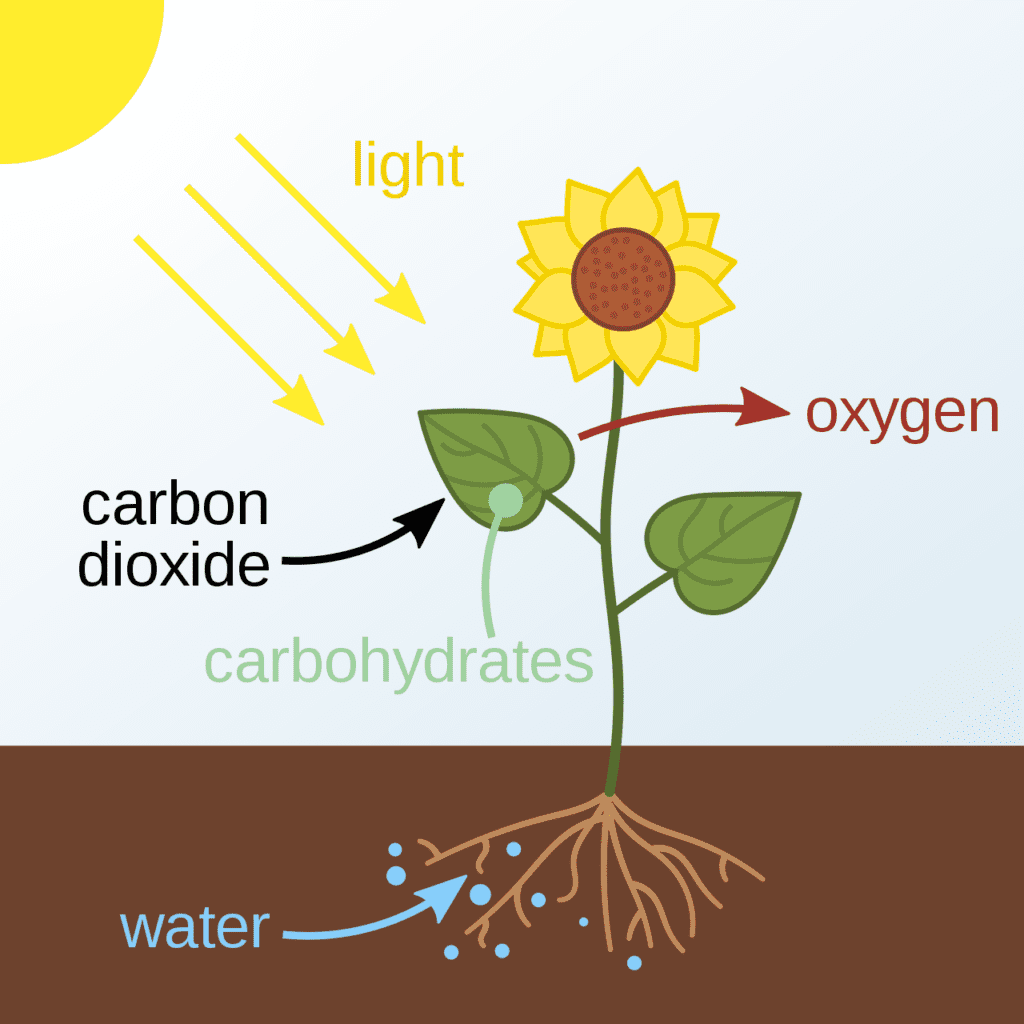
Photosynthesis is the process of plants converting carbon dioxide, water and sunlight into energy. Photosynthesis cannot happen without chlorophyll.

According to Gardening Know How,

“chlorophyll, which resides in the chloroplasts of plants, is the green pigment that is necessary in order for plants to convert carbon dioxide and water, using sunlight, into oxygen and glucose.”

So, does that mean the leaves turn shades of yellow, orange, and red because the plants are running out of chlorophyll?

Well… yes and no.

Image Credit: Wikipedia

Chlorophyll isn’t the only pigment present in leaves, even when they looks green. Pigments carotene and xanthophyll are also present, although we can’t see them.

In the fall, when the days are shorter and colder, and the air is dryer, there isn’t as much sunlight for the leaves of the trees to absorb.

Without sunlight, those leaves can’t convert carbon dioxide and water into energy, so they stop their food making process.

The chlorophyll in the leaf breaks down, revealing the other beautiful pigments that were always there.

Image Credit: Unsplash

Have you ever wondered why the leaves fall as they change color?

This happens because as the days get shorter and colder, each leaf grows a layer of cells that seal it off from the tree.

The tree keeps living, and the leaf detaches and decomposes, so that a new leaf can grow in the spring.

While carotene pigments give rise to orange leaves, xanthophyll pigments give us those beautiful yellow leaves like you might see on a Big-leaf Maple.

Image Credit: Unsplash

Some leaves, like those of most oak trees, will simply turn brown. Red or reddish-purple leaves will have various mixtures of anthocyanin pigments residing within them.

Some years you might see more vivid red leaves. This is because weather plays a role in determining how much anthocyanin pigment can be found in certain leaves.

Sunny days mixed with low evening temperatures, above freezing, generally lead to more anthocyanin production in trees like maples.

With the sun shining, the leaf can produce energy, but the cool evenings cause the tree to absorb as much sugar and nutrients from the leaf as possible.

The result is a higher amount of anthocyanin pigments.

Image Credit: Unsplash

Isn’t science cool?

Hopefully, the next time you take an autumn stroll through the park or in the woods, you’ll remember how the colors of fall come to be, and appreciate them all the more.

Personally, I love a maple full of yellow leaves.

What do you think is the most beautiful type of tree in the fall? Let us know in the comments!

The post This is Why We See Such Beautiful Colors in the Fall appeared first on UberFacts.
A study found tobacco and tomato…

A study found tobacco and tomato plants emit ultrasonic “squeals” when stressed. Microphones 4″ away picked up the sounds when plants had stems cut/were under-watered: an average of 15 – 25 sounds within 1 hr from cutting, and 11 – 35 sounds per hr from drought.

5 Houseplants You Basically Can’t Kill

Do you want to spice up your house? Add some houseplants.

Your thumb is more brown than green, you say?

Not to worry.

Here are five plants that even you can’t kill. Plus, you can buy them online. Put them throughout your living space to let others know you are a Responsible Adult with living plants – and plants (like these) can also do *some* work to clean and detoxify your air.

Scroll through this list of five plants that you simply can’t kill.

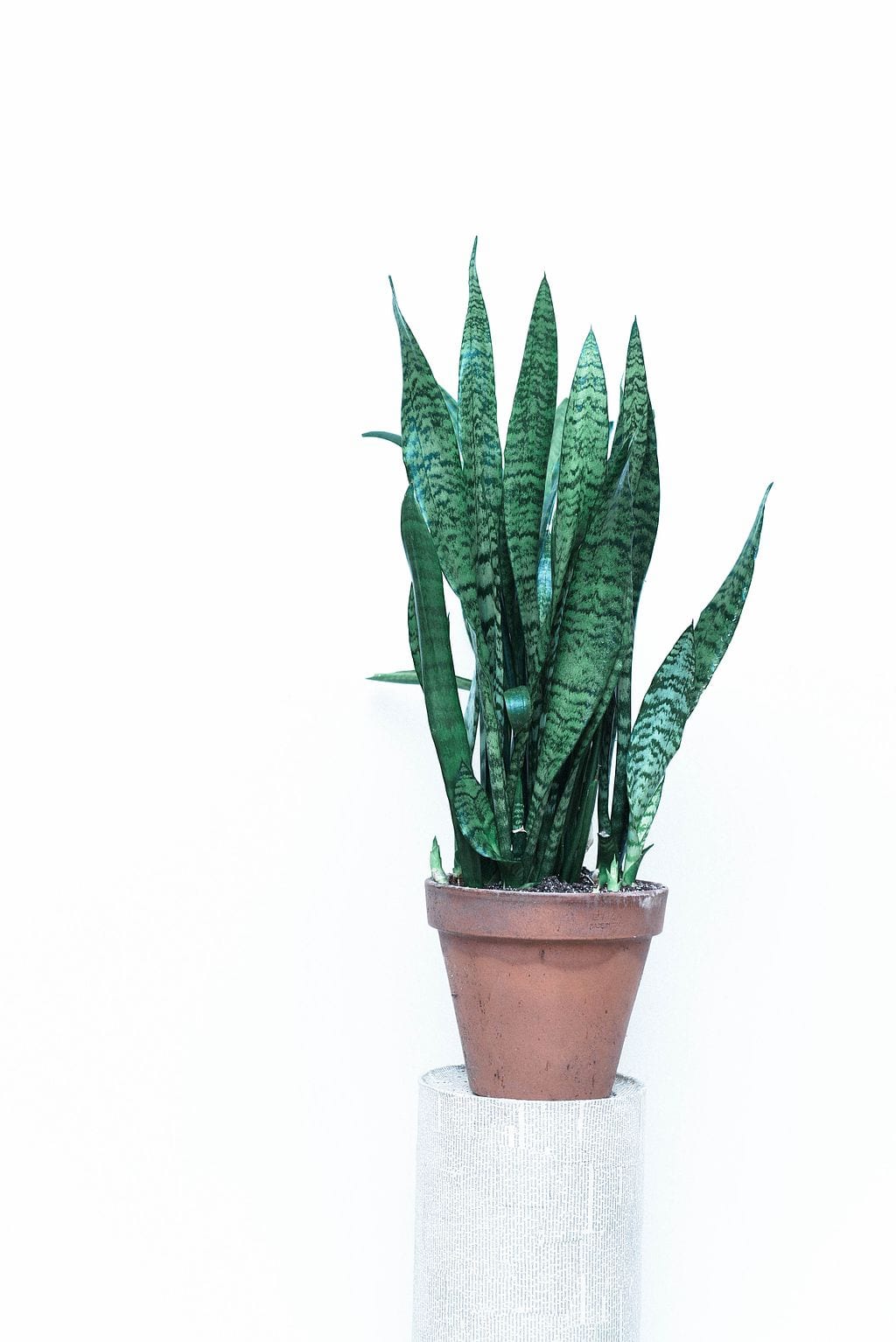
1. Snake Plant

You can’t kill this plant. It doesn’t need much water or even direct sunlight. Whenever you think about it – say once or twice a month – water it. In return, this gorgeous West African native will make your air a little bit purer.

Photo Credit: Wikimedia

2. Cast Iron Plant

Have a corner in your apartment that literally never sees any sunlight? That would be perfect for the cast iron plant, originally native to China. Also, don’t forget to water it. Kidding. You can totally forget (in fact, water it sparingly).

Photo Credit: Flickr

3. Jade Plant

This one does like sunny spots, so don’t stick it in the dark. But it definitely doesn’t need regular watering – just when the soil feels dry or it starts to look shriveled. Put a small pot of this lucky African plant in your home and reap the benefits.

Photo Credit: Pxhere

4. Aloe

You. Cannot. Kill. This. Plant. Full of vitamins A, C, E, B-12, folate, calcium, magnesium, zinc, etc., etc., it’s amazing for skin and for margaritas.

Photo Credit: Pexels

5. Rubber Plant

Native to Southeast Asia, its sap was once the primary ingredient in, you guessed it, rubber. Now, it makes a great houseplant – especially if you have high ceilings, as they can grow to be very tall. They also have beautiful dark green leaves that complement pretty much any decor.

Photo Credit: Pexels

Psyched now to get some green into your life? These plants are as beautiful as they are hardy. You can’t kill them so find a couple and make your home look good and breathe easier. You’ll also look like an adult that can keep plants alive and that’s always a good thing.

The post 5 Houseplants You Basically Can’t Kill appeared first on UberFacts.

There is a garden in Alnwick Park…

There is a garden in Alnwick Park, Northumberland which contains over 100 different types of poisonous plants, which visitors are prohibited from touching or smelling. Despite this, seven people fainted in 2014 from inhaling the toxic fumes.

Some Plants Can Hear When They’re Being Eaten and They Fight Back

Ready to be weirded out? There are some plants that can hear when they’re being eaten.

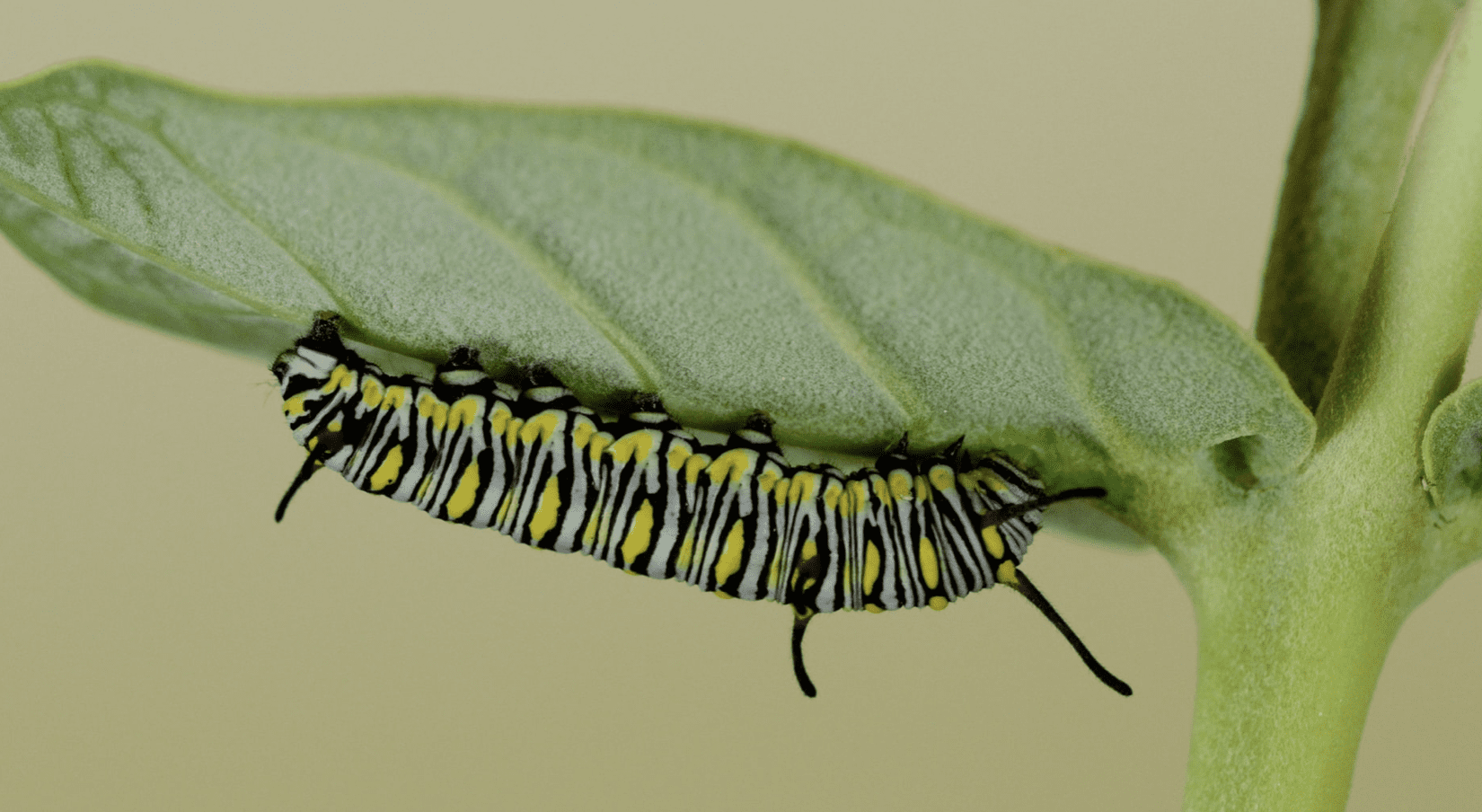
Yes, they can actually hear the chomp, chomp of a caterpillar munching.

If I were a plant I would be losing my mind!

Photo Credit: Unsplash, Bankim Desai

How can we tell?

Scientists have long known about vibrations affecting plants. Think about your elementary science project where you talked to your plants or played music for them and compared their growth to that of a “control” plant. Remember that? Well, sound is really just vibrations that get carried through the air.

Two researchers from the University of Missouri wanted to dig deeper into this effect. So Rex Cocroft and Heidi Appel brought in some insects to help them out.

In their study, they used caterpillars known to eat “Arabidopsis thaliana, a small flowering plant related to cabbage and mustard.” This plant was chosen due to its known production of mustard oil.

Arabidopsis plant
Photo Credit: iStock

“A caterpillar that eats nothing but mustard oil plants can get poisoned if the levels get too high,” Appel told Farm Journal.

Interesting…

The next step was to set up a small vibration microphone to pick up the munching sounds of the caterpillars having lunch. Next, they played back these sounds for the poor Arabidopsis and, lo and behold, the plant began to excrete more mustard oil than typical when it wasn’t “under attack.”

“This indicates that the plants are able to distinguish feeding vibrations from other common sources of environmental vibration,” Cocroft said.

In addition to the oils, the plant produced more anthocyanins, a specific chemical that gives its flowers a red color.

Photo Credit: Pixabay

What does this mean?

While it does take time for the plant to build up the oil (a few hours to days), the researchers stated that one should think of it as the plant going to war. If the caterpillar keeps eating, it will be poisoned, leaving it dead. The oil is the plant’s defense mechanism.

“This research also opens the window of plant behavior a little wider, showing that plants have many of the same responses to outside influences that animals do, even though the responses look different,” he said.

Smart plants…I think I’ll become a strict carnivore.

The post Some Plants Can Hear When They’re Being Eaten and They Fight Back appeared first on UberFacts.

15 Stunning Gardens Around the World You Might Want to Visit

If you’re a garden lover, take note of these spots. Like to take long strolls through acres of plants in absolute silence? My personal favorite place to do this is at the Ringling Museum in Sarasota, Florida. The grounds are so spectacular that I can literally spend hours there just walking around.

Here are 15 gardens around the world that you might want to seek out if you happen to be in the neighborhood.

1. Jardin Majorelle — Marrakech, Morocco

2. Allan Gardens Conservatory — Toronto, Canada

3. The Ruth Bancroft Garden — Walnut Creek, California

4. Longwood Gardens — Philadelphia, Pennsylvania

5. The Garden of Cosmic Speculation — Dumfries, Scotland

6. Jardim Botânico — Rio de Janeiro, Brazil

View this post on Instagram

"Meu coração, sem direção Voando só por voar Sem saber onde chegar Sonhando em te encontrar E as estrelas Que hoje eu descobri No seu olhar As estrelas vão me guiar Se eu não te amasse tanto assim Talvez perdesse os sonhos Dentro de mim E vivesse na escuridão Se eu não te amasse tanto assim Talvez não visse flores Por onde eu vim Dentro do meu coração" #thanksgod?  #prewedding #gratidao #behappy? #errejota #rj #riodejaneiro #rio #riosunset #visitrio #destinorj #arpoador #instabrasil #lovetotravel #melhoresdestinos #travel #instariodejaneiro #jardimbotanico #ipanemabeach #riolovers #cidademaravilhosa #natureza #brasil?? #southamerica #instalike #instaphoto #voegoloficial #instagram #instalove #instatravel @davisantosfotografia

A post shared by Rubem Luz (@rubemluz) on

7. Jardín Etnobotánico de Oaxaca — Oaxaca, Mexico

8. Le Château de Villandry — Loire Valley, France

9. Hortus Botanicus — Amsterdam, The Netherlands

10. The Butchart Gardens — British Columbia, Canada

11. Lotusland — Santa Barbara, California

12. Arctic-Alpine Botanic Garden — Tromsø, Norway

13. The New York Botanical Garden — New York City

14. Kenroku-en — Kanazawa, Japan

15. Les Jardins de Marqueyssac — Dordogne, France

Those places all look pretty spectacular, don’t they?

Do you have a favorite garden that didn’t make the list? Share in the comments!

The post 15 Stunning Gardens Around the World You Might Want to Visit appeared first on UberFacts.