Parents in Britain Are Trying to “Cure” Their Kids’ Autism by Forcing Them to Drink Bleach

Yes, the world is getting dumber by the minute.

Autism is a disorder that affects up to 1 in 100 children, and there currently is no cure.

A fact that is not, sadly, stopping U.K. parents from forcing their autistic children to drink (or take an enema of) a dangerous chemical cocktail that is mostly made of bleach.

The Mirror reports that 6 different police forces have questioned parents after their children were reduced to vomiting or experiencing severe diarrhea after ingesting bleach in some form – it’s even being marketed as a “Master Mineral Solution,” and sold for $37 online.

Bleach. For kids. To drink.

This “Master Mineral Solution” is sodium chlorite mixed with citric acid powder – very literally industrial strength bleach – and not only does it not cure a damn thing, doctors say it will eventually kill one of these unsuspecting children. ABC did an investigate report on the MMS, in which they confronted the bishop of the ‘church’ that hawks the product as a literal miracle cure.

View this post on Instagram

Sounds like #zerbos #weirdos #drinkingbleach

A post shared by John Kabacinski (@umichfan21) on

Everything from older mothers to pollution to, of course, vaccines has been blamed for the rise in autism diagnoses, but there are currently no definitive answers from the medical community. There are several different treatment regimens available, depending on where your child falls on the spectrum of autism, which include different kinds of therapies to improve speech and behavior, and maybe medications if there are related medical conditions.

Which is a good thing to remember the next time you wonder whether poisoning your child is better than working with your doctor to improve his or her quality of life.

The post Parents in Britain Are Trying to “Cure” Their Kids’ Autism by Forcing Them to Drink Bleach appeared first on UberFacts.

500 Million Brazilian Bees Died in Only Three Months

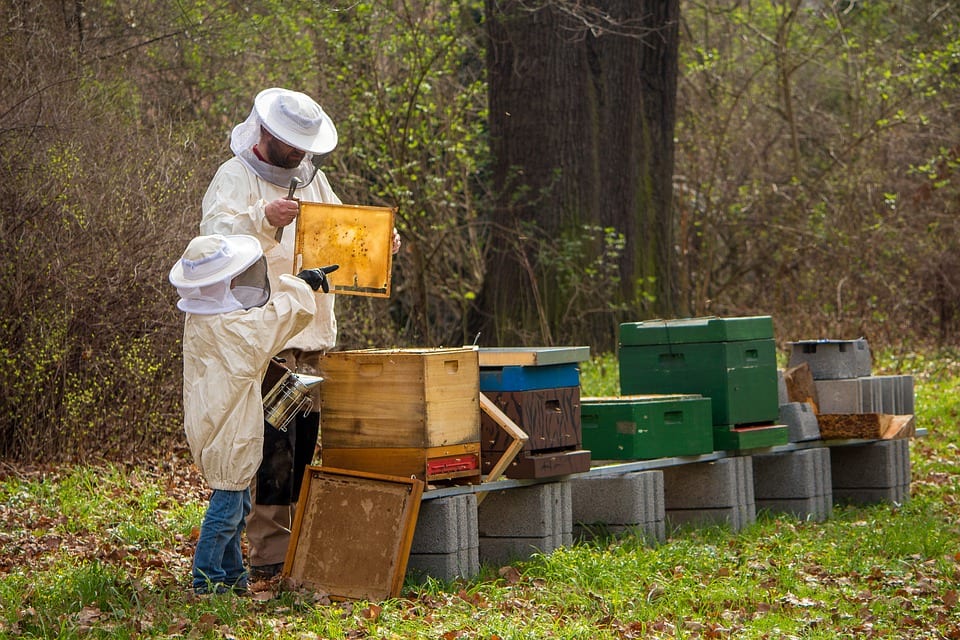
You’ve probably heard by now that the world’s ability to produce food is connected to the availability of a thriving bee population. Bees are nature’s most integral pollinators, responsible for pollinating 75% of the world’s crops.

And they’re dying at a rate that’s almost impossible to comprehend – to the tune of 500 million bees in Brazil alone in just three month’s time.

Image Credit: Pixabay

Between December 2018 and February 2019, 400 million bees in Rio Grande do Sul, 7 million in Santa Catarina, and 45 million in Mato Grosso do Sul lost their lives, and Aldo Machado, the vice president of Brazil’s Rio Grande do Sul’s beekeeping association, is concerned.

Image Credit: scrural.gov

“As soon as the healthy bees began clearing the dying bees out of the hives, they became contaminated. They started dying en masse.”

Researchers are blaming Brazil’s decision to allow the use of 300 new pesticides on crops in 2019; many of the dead bees contained traces of fipronil, an insecticide commonly used to rid dogs and cats of fleas and ticks.. The U.S. EPA classifies it as a possible human carcinogen, but if you’ve got a dog, you may have some in your house.

Image Credit: scrural.gov

Alberto Bastos, the president of the Apiculturist Association of Brazil’s Federal District, told Bloomberg that the “death of all these bees is a sign that we’re being poisoned.”

Not to mention that bees provide billions of dollars worth of agricultural benefits that will disappear along with them if they go.

Image Credit: Pixabay

Will people listen? Will it be too late by the time food shortages begin to make their way into developed corners of the world?

Only time will tell, but the people who are hearing what the bees have to tell us are already beating the drum.

The post 500 Million Brazilian Bees Died in Only Three Months appeared first on UberFacts.

This Isn’t Good…Microplastics Are Falling from the Arctic Sky

Do you know about microplastics?

Microplastics are defined as any plastic fragment less than 5 millimeters in length, and at this point they have been found in every corner of the globe. They come from any number of sources – from rubber tires to paint and cosmetics to toothpaste tubes and synthetic clothing – and the ubiquitous nature of them in the environment has scientists worried about harm.

In fact, they are so ubiquitous at this point, that they’ve been documented falling with snow in the Arctic…even though there’s practically no people there.

A new report in Science Advances documents tiny plastic fibers found across two dozen Northern Hemisphere locations, from the remote Arctic ice to the Swiss Alps. Perhaps most concerning was finding that the “pristine” Arctic snow contained up to 14,400 microplastic particles per liter (snow in parts of rural Bavaria, in southern Germany, contained up to 154,000 ppl).

Because they’ve been found falling from the sky, there’s now a question of whether people might be breathing microplastics. Though scientists are currently uncertain what, if any, impact inhaling (inhaling!) them could have on humans and other wildlife, there have been plenty of documented cases of marine life ingesting larger plastic pieces to extreme detriment, and that might definitely lead one to worry, says Dr. Melanie Bergmann.

View this post on Instagram

Clearly there is no place on Earth that micro-plastic can not reach – having been repeatedly found in seawater, drinking water and all species of animals. But these minute particles are also transported by the atmosphere and subsequently washed out of the air – especially by snow – in remote regions of the Planet – such as the Arctic and the Alps. This was demonstrated in a study conducted by experts at the Alfred Wegener Institute which recently published their finding in the journal Science Advances. It would be interesting to discover how much micro-plastic is ingested by humans and the amount retained in our bodies during ones lifespan. #microplastics #environment #planetearth #awarenessbuilding #alfredwegenerinstitut

A post shared by Pharah Foundation (@pharah_foundation) on

“To date, there are virtually no studies investigating the extent to which human beings are subject to microplastic contamination. But once we’ve determined that large quantities of microplastic can also be transported by the air, it naturally raises the question as to whether and how much plastic we’re inhaling.”

Now that microplastics have fallen with the snow in the most remote Arctic locations, there can be no doubt that our addiction to plastics out of control. And if that’s not disturbing enough, we’re almost definitely breathing in small fibers every single day.

The pieces of plastic found in the study ranged from 11 micrometers to 5 millimeters and consisted of rubber, varnishes, and other forms of plastic.

Like plant pollen, the tiny fibers are swept up into the air where they tumble along in currents that flow from one end of the earth to the other, only to fall down with the rain or snow wherever it washes onto the earth.

Which is to say, we can’t escape the problem we’ve created.

The only question left is, how much is it hurting us?

The post This Isn’t Good…Microplastics Are Falling from the Arctic Sky appeared first on UberFacts.

This Is Why You Should Stop Cleaning Your Ears with Cotton Swabs

You’re probably aware that using cotton swabs like Q-tips to clean your ears can cause infection or injury to your ear canal or eardrum, but this latest case out of Australia might be the thing that actually gets you to stop.

A 37-year-old woman who claimed that she cleaned her ears using a Q-tip every single night found blood on the swab, prompting a trip to the doctor.

There, she learned that her overuse of the product had caused an infection deep inside her ear canal – one that caused the skull bone behind the ear to thin out and put her at risk for permanent hearing loss.

Now, even though cases like hers (and worse) have been documented, using the swabs to clean your ears once a month or so is unlikely to cause any kind of repetitive-use damage.

View this post on Instagram

Just Qtips. #qtips #light #random

A post shared by Elle Aye (@laaveena) on

That said, there’s really no reason you need to stick swabs down there at all.

Human ears are self-cleaning, partly due to the fluid properties of the wax you’re trying to remove. If you do feel as if you’re experiencing issues due to a buildup, that harmless condition can be easily and safely treated without using Q-tips at all.

Basically, the upside of having a nice, dry, clean-feeling ear doesn’t outweigh the potential risks, which range from trauma to infection via the introduction of external pathogens. And trust me, “pathogen” is not something you want in close proximity with your brain and vestibular system.

This goes double for children, who landed in the emergency room over 263,000 times in 2017 after cotton-swab-related injuries. That’s 36 kids a day.

“This highlights the misconception that adults and children need to clean the ear canal in the home setting,” advises Dr. Kris Jatana, a pediatric ear, nose, and throat surgeon. “While cotton-tipped applicators may seem harmless, there are certainly a lot of potential risks t using them to clean the ears.”

If you need another reason to dump Q-tips, they’re also terrible for the environment. Most are made of plastic and aren’t biodegradable, meaning that they contribute to the massive problem of plastic waste and pollution impacting the entire world (and killing all the fish and turtles and whales!).

Just say no, people. A little earwax never hurt anyone.

The post This Is Why You Should Stop Cleaning Your Ears with Cotton Swabs appeared first on UberFacts.

This Is Why You Should Stop Cleaning Your Ears with Cotton Swabs

You’re probably aware that using cotton swabs like Q-tips to clean your ears can cause infection or injury to your ear canal or eardrum, but this latest case out of Australia might be the thing that actually gets you to stop.

A 37-year-old woman who claimed that she cleaned her ears using a Q-tip every single night found blood on the swab, prompting a trip to the doctor.

There, she learned that her overuse of the product had caused an infection deep inside her ear canal – one that caused the skull bone behind the ear to thin out and put her at risk for permanent hearing loss.

Now, even though cases like hers (and worse) have been documented, using the swabs to clean your ears once a month or so is unlikely to cause any kind of repetitive-use damage.

View this post on Instagram

Just Qtips. #qtips #light #random

A post shared by Elle Aye (@laaveena) on

That said, there’s really no reason you need to stick swabs down there at all.

Human ears are self-cleaning, partly due to the fluid properties of the wax you’re trying to remove. If you do feel as if you’re experiencing issues due to a buildup, that harmless condition can be easily and safely treated without using Q-tips at all.

Basically, the upside of having a nice, dry, clean-feeling ear doesn’t outweigh the potential risks, which range from trauma to infection via the introduction of external pathogens. And trust me, “pathogen” is not something you want in close proximity with your brain and vestibular system.

This goes double for children, who landed in the emergency room over 263,000 times in 2017 after cotton-swab-related injuries. That’s 36 kids a day.

“This highlights the misconception that adults and children need to clean the ear canal in the home setting,” advises Dr. Kris Jatana, a pediatric ear, nose, and throat surgeon. “While cotton-tipped applicators may seem harmless, there are certainly a lot of potential risks t using them to clean the ears.”

If you need another reason to dump Q-tips, they’re also terrible for the environment. Most are made of plastic and aren’t biodegradable, meaning that they contribute to the massive problem of plastic waste and pollution impacting the entire world (and killing all the fish and turtles and whales!).

Just say no, people. A little earwax never hurt anyone.

The post This Is Why You Should Stop Cleaning Your Ears with Cotton Swabs appeared first on UberFacts.

A New Cavity Vaccine Could Save Kids from Discomfort and Their Parents from Spending Money

Many of us know what it feels like to get a cavity and go through the unpleasant process of getting it filled. And for many, the first cavities occur during childhood.

So while the discomfort was ours, the bill belonged to our parents.

Now, scientists at the Chinese Academy of Sciences are working on perfecting a “cavity vaccine” that could put an end to both.

It hasn’t been approved for human trials, but the developers hope that it could defend kids’ teeth from developing cavities in the first place.

Cavities are caused by acid erosion, which can be battled by mixing the bacteria that emits the acid with proteins that protect enamel from being eaten away. No one is immune to cavities, though some people are more prone to getting them (no matter how meticulously they care for their teeth) because of the shape of their teeth or their diet. Often whether you’re prone to cavities or not is a product of socioeconomic status.

View this post on Instagram

A sustainable lifestyle for a new generation. ?⠀⠀⠀⠀⠀⠀⠀⠀⠀ ⠀ ⠀ ⠀ ⠀ ⠀ ⠀ ⠀⠀⠀⠀⠀⠀⠀⠀⠀⠀ Um die DENTTABS Zahnputz-Tabletten für die Einführung in Deutschlands größter Drogeriemarktkette wettbewerbsfähig zu machen, unterstützen wir die Marke ganzheitlich bei der Neupositionierung in den Bereichen Digital, Brand und Campaign. ??⠀⠀⠀⠀⠀⠀⠀⠀⠀ ⠀ ⠀ ⠀ ⠀ ⠀ ⠀ ⠀⠀⠀⠀⠀⠀⠀⠀⠀⠀ #newmanagency #newmarketing #newman #digitalagentur #brandmarketing #kampagne #marketingagentur #zahnputztabletten #ökologisch #plastikfrei #nachhaltig #bestboutiqueoffice #grafic_art #graphic_design #graphicinspiration #artwork #digitaldesign #dentalmarketing #ecofriendly #zerowaste #noplastic #sustainableliving #zerowasteliving #teethcleaning #nachhaltigkeit #gogreen #zahnpasta #toothbrushing #zahncreme #toothtabs

A post shared by NEWMAN AGENCY (@newman__agency) on

Cavities are the most common ailment in children and can cost around $2000 to maintain over a person’s life – a hefty price tag for parents already struggling to make ends meet.

If you’re searching for ways to mitigate cavities in your house pre-vaccine, then look no further than the sugar content in the foods you and your kids eat. As high-sugar foods break down, they release that cavity-causing acid and can start to cause decay within 20 minutes of touching your teeth.

But since avoiding sugar or brushing your teeth every half-hour doesn’t seem particularly realistic, here’s hoping that cavity vaccine passes into human trials and onto shelves sooner rather than later!

We could all use the break.

The post A New Cavity Vaccine Could Save Kids from Discomfort and Their Parents from Spending Money appeared first on UberFacts.

A New Cavity Vaccine Could Save Kids from Discomfort and Their Parents from Spending Money

Many of us know what it feels like to get a cavity and go through the unpleasant process of getting it filled. And for many, the first cavities occur during childhood.

So while the discomfort was ours, the bill belonged to our parents.

Now, scientists at the Chinese Academy of Sciences are working on perfecting a “cavity vaccine” that could put an end to both.

It hasn’t been approved for human trials, but the developers hope that it could defend kids’ teeth from developing cavities in the first place.

Cavities are caused by acid erosion, which can be battled by mixing the bacteria that emits the acid with proteins that protect enamel from being eaten away. No one is immune to cavities, though some people are more prone to getting them (no matter how meticulously they care for their teeth) because of the shape of their teeth or their diet. Often whether you’re prone to cavities or not is a product of socioeconomic status.

View this post on Instagram

A sustainable lifestyle for a new generation. ?⠀⠀⠀⠀⠀⠀⠀⠀⠀ ⠀ ⠀ ⠀ ⠀ ⠀ ⠀ ⠀⠀⠀⠀⠀⠀⠀⠀⠀⠀ Um die DENTTABS Zahnputz-Tabletten für die Einführung in Deutschlands größter Drogeriemarktkette wettbewerbsfähig zu machen, unterstützen wir die Marke ganzheitlich bei der Neupositionierung in den Bereichen Digital, Brand und Campaign. ??⠀⠀⠀⠀⠀⠀⠀⠀⠀ ⠀ ⠀ ⠀ ⠀ ⠀ ⠀ ⠀⠀⠀⠀⠀⠀⠀⠀⠀⠀ #newmanagency #newmarketing #newman #digitalagentur #brandmarketing #kampagne #marketingagentur #zahnputztabletten #ökologisch #plastikfrei #nachhaltig #bestboutiqueoffice #grafic_art #graphic_design #graphicinspiration #artwork #digitaldesign #dentalmarketing #ecofriendly #zerowaste #noplastic #sustainableliving #zerowasteliving #teethcleaning #nachhaltigkeit #gogreen #zahnpasta #toothbrushing #zahncreme #toothtabs

A post shared by NEWMAN AGENCY (@newman__agency) on

Cavities are the most common ailment in children and can cost around $2000 to maintain over a person’s life – a hefty price tag for parents already struggling to make ends meet.

If you’re searching for ways to mitigate cavities in your house pre-vaccine, then look no further than the sugar content in the foods you and your kids eat. As high-sugar foods break down, they release that cavity-causing acid and can start to cause decay within 20 minutes of touching your teeth.

But since avoiding sugar or brushing your teeth every half-hour doesn’t seem particularly realistic, here’s hoping that cavity vaccine passes into human trials and onto shelves sooner rather than later!

We could all use the break.

The post A New Cavity Vaccine Could Save Kids from Discomfort and Their Parents from Spending Money appeared first on UberFacts.

A New Cavity Vaccine Could Save Kids from Discomfort and Their Parents from Spending Money

Many of us know what it feels like to get a cavity and go through the unpleasant process of getting it filled. And for many, the first cavities occur during childhood.

So while the discomfort was ours, the bill belonged to our parents.

Now, scientists at the Chinese Academy of Sciences are working on perfecting a “cavity vaccine” that could put an end to both.

It hasn’t been approved for human trials, but the developers hope that it could defend kids’ teeth from developing cavities in the first place.

Cavities are caused by acid erosion, which can be battled by mixing the bacteria that emits the acid with proteins that protect enamel from being eaten away. No one is immune to cavities, though some people are more prone to getting them (no matter how meticulously they care for their teeth) because of the shape of their teeth or their diet. Often whether you’re prone to cavities or not is a product of socioeconomic status.

View this post on Instagram

A sustainable lifestyle for a new generation. ?⠀⠀⠀⠀⠀⠀⠀⠀⠀ ⠀ ⠀ ⠀ ⠀ ⠀ ⠀ ⠀⠀⠀⠀⠀⠀⠀⠀⠀⠀ Um die DENTTABS Zahnputz-Tabletten für die Einführung in Deutschlands größter Drogeriemarktkette wettbewerbsfähig zu machen, unterstützen wir die Marke ganzheitlich bei der Neupositionierung in den Bereichen Digital, Brand und Campaign. ??⠀⠀⠀⠀⠀⠀⠀⠀⠀ ⠀ ⠀ ⠀ ⠀ ⠀ ⠀ ⠀⠀⠀⠀⠀⠀⠀⠀⠀⠀ #newmanagency #newmarketing #newman #digitalagentur #brandmarketing #kampagne #marketingagentur #zahnputztabletten #ökologisch #plastikfrei #nachhaltig #bestboutiqueoffice #grafic_art #graphic_design #graphicinspiration #artwork #digitaldesign #dentalmarketing #ecofriendly #zerowaste #noplastic #sustainableliving #zerowasteliving #teethcleaning #nachhaltigkeit #gogreen #zahnpasta #toothbrushing #zahncreme #toothtabs

A post shared by NEWMAN AGENCY (@newman__agency) on

Cavities are the most common ailment in children and can cost around $2000 to maintain over a person’s life – a hefty price tag for parents already struggling to make ends meet.

If you’re searching for ways to mitigate cavities in your house pre-vaccine, then look no further than the sugar content in the foods you and your kids eat. As high-sugar foods break down, they release that cavity-causing acid and can start to cause decay within 20 minutes of touching your teeth.

But since avoiding sugar or brushing your teeth every half-hour doesn’t seem particularly realistic, here’s hoping that cavity vaccine passes into human trials and onto shelves sooner rather than later!

We could all use the break.

The post A New Cavity Vaccine Could Save Kids from Discomfort and Their Parents from Spending Money appeared first on UberFacts.

Amazon Employees Are Suspiciously Tweeting About Their Amazing Work Conditions

In years past, Amazon has been in the news for having unfit working conditions for many of their employees, especially employees working in their call and fulfillment centers (FC).

According to NewsWeek, “An undercover investigation in the United Kingdom revealed that warehouse employees resort to urinating in bottles and trash cans around the warehouse so that they won’t miss their strict time targets.”

Photo Credit: Unsplash, Daniel Eledut

Insane.

For obvious reason, Amazon has been on a mission to squash these so-called rumors, so they turned to their “FC Ambassadors” for help. These employees are on a team that posts on Twitter and social media about how much they enjoy working with Amazon.

While the retail juggernaut insists these people are real and speaking their true minds, Twitter followers smelled something fishy. Many were curious about the strangely stilted language being used. This FC Ambassador mission started over a year ago, and since then there has been some serious backlash.

One Twitter user wrote:

Here are some Amazon FC Ambassadors doing their thing…or not…who knows?

Are these people even real?

An Amazon spokesperson said,

“FC ambassadors are employees who work in our FCs and share facts based on their personal experience. It’s important that we do a good job educating people about the actual environment inside our fulfillment centers, and the FC ambassador program is a big part of that along with the FC tours we provide.

Thousands of guests across the world have come to see for themselves what it’s like to work inside one of our FCs. If you haven’t visited, we recommend it.”

But Twitter folks aren’t having it.

You get the point. As a way to combat this further, Amazon has been offering FC tours for anyone who would like to check it out. You can follow #AmazonFCTour for more on that. In the meantime, we can all sit back and watch this unfold.

The post Amazon Employees Are Suspiciously Tweeting About Their Amazing Work Conditions appeared first on UberFacts.

Students Are Overdosing from Eating Too Much…Tuna

We live in strange times – college kids eating so much of the cheapest food they can find that they’re winding up needing medical intervention they can’t afford.

Tuna, in case you fall into this category of unaware, contains the heavy metal mercury, which is toxic in fairly small quantities. It also accumulates in the body, which means that eating too much, too close together can result in mercury poisoning, which shows up as poor cognitive function, blindness, and impaired lung function.

Researchers out of the University of California, Santa Cruz published a study in Society of Environmental Toxicology and Chemistry that revealed many collage students are unaware of the issues with eating too much tuna – and they’re eating a lot, based on the mercury levels in their bodies.

54% of students reported eating tuna at least three times per week, a frequency that exceeds the maximum dose of methylmercury that the EPA calls “safe.” 7% of students surveyed reported eating more than 20 meals a week that contained tuna, and the tests on their hair revealed mercury that rose to “a level of concern.”

Wow. I mean, that’s a lot of tuna.

View this post on Instagram

This salad is the only reason I got out of bed today

A post shared by HannahEats (@hannaheatingfood) on

The lead researcher was inspired to conduct the study after hearing her students talk about how much tuna they ate.

“I’ve been dumbfounded when students have told me they eat tuna every day. Their lack of knowledge about the risk of exposure to mercury is surprising.”

Over 99% of the study participants reported low knowledge and low confidence in their survey answers regarding the potential danger and toxicity of tuna – they thought it was safe to eat 2 or 3 times the amount of tuna deemed “safe” (which is just two to three servings per week).

“It’s not a large sample size, but only 1 out of 107 students surveyed had a high level of knowledge as well as confidence in that knowledge.”

The kids in the study hadn’t yet reached alarming levels of mercury exposure, but they were at a point where it was recommended that they limit what they were eating.

The team worked with UCSC administrators and the dining hall to put up signs that will hopefully educate students about how much tuna to eat in the future.

And now you know.

The post Students Are Overdosing from Eating Too Much…Tuna appeared first on UberFacts.