
In 1995, an artist named William Utermohlen was diagnosed with Alzheimer’s disease. He continued to make art for the last few years of his life, both as documentation of his daily life and of his decline in cognitive function. Looking through these pieces, you can trace his cognitive changes.
Evidence Suggests That Running Could Prolong Your Life
Running certainly isn’t for everyone. Like me, for instance.
I’m one of those people who jokes that if you see me running, you should run, too, because there’s definitely something or someone chasing me.
I might have to reconsider my position, though, given that data supporting the idea that running equals better health just keeps piling up.
View this post on Instagram
We can add to it this report, published in the British Journal of Sports Medicine, which found that people who ran even once a week had a 27% lower risk of dying early due to heart-related issues.
The associated study looked at the habits of 232,149 people over the course of 35 years, and even though there’s no promise that picking up a running habit will prevent you from dying from cardiovascular disease or cancer, they have shown a link between the two.
The good news is, it doesn’t appear you have to be a dedicated runner to reap the benefits of running – even people who ran for less than 50 minutes every week, or only once per week, or slower than 6mph avoided earlier deaths.
View this post on Instagram
“This finding may be motivating for those who cannot invest a lot of time in exercise, but it should definitely not discourage those who already engage in higher amounts of running,” summed up Željko Pedišić, one of the study’s authors told Runner’s World.
So, if you love running and do it often, there’s no reason to back off. And if you’re like me, well, there seem to be compelling health reasons to give it a go, even casually.
Just one 45-minute jog once a week could lower your blood pressure, your high cholesterol, help combat obesity and cardiovascular disease, lower your risk for type 2 diabetes, and even help keep certain types of cancer at bay.
View this post on Instagram
I guess those are pretty good reasons for getting off the couch and out from behind the computer once in a while.
So if you see me running, run too – just in case there are zombies, but also because we’d all like to live a little bit longer, if we could.
Right?
The post Evidence Suggests That Running Could Prolong Your Life appeared first on UberFacts.
Jet Lag Is Not Fun, but Don’t Worry – It Can Be Mitigated
Have you ever stepped off a plane and felt like you could fall asleep at the baggage claim for an hour or eight? That exhausted, drained feeling after flying for an extended amount of time is the dreaded jet lag.
It’s miserable, but there are ways to make yourself feel better.
According to the National Sleep Foundation, “jet lag disorder occurs when there is a temporary mismatch between sleep-wake cycle timing generated by the person’s internal circadian clock, and the external cues at the new destination.”

Photo Credit: Flickr
Jet lag has very little to do with how much sleep you did or didn’t get. It’s when your internal clock is not synced with what’s going on in your new time zone.
If we’re only talking an hour or two between your point of origin and your destination, then you probably won’t experience jet lag, though some travelers so really feel the difference between Pacific and Eastern time zones when flying between the two. Most people, though, feel jet lag when flying internationally east to west, or vice-versa.
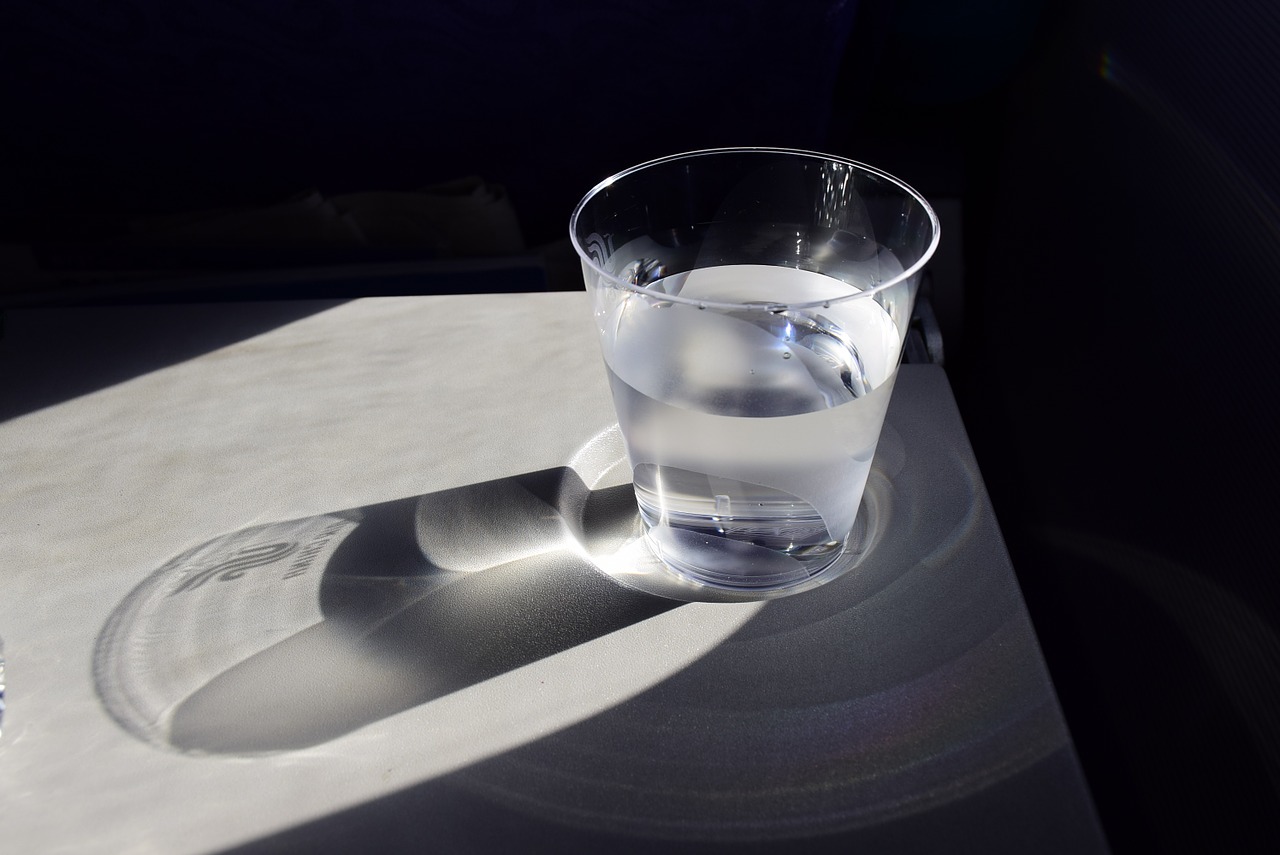
One way to minimize jet lag is to make sure you keep hydrated. Airplane cabins are notorious for being dry, and the alcoholic and caffeinated beverages airlines peddle can accelerate dehydration. If you really want to keep your jet lag to a minimum, try sticking to water. If you like to drink alcohol on flights, than have a bottle of water for each beverage. It will make you feel better.
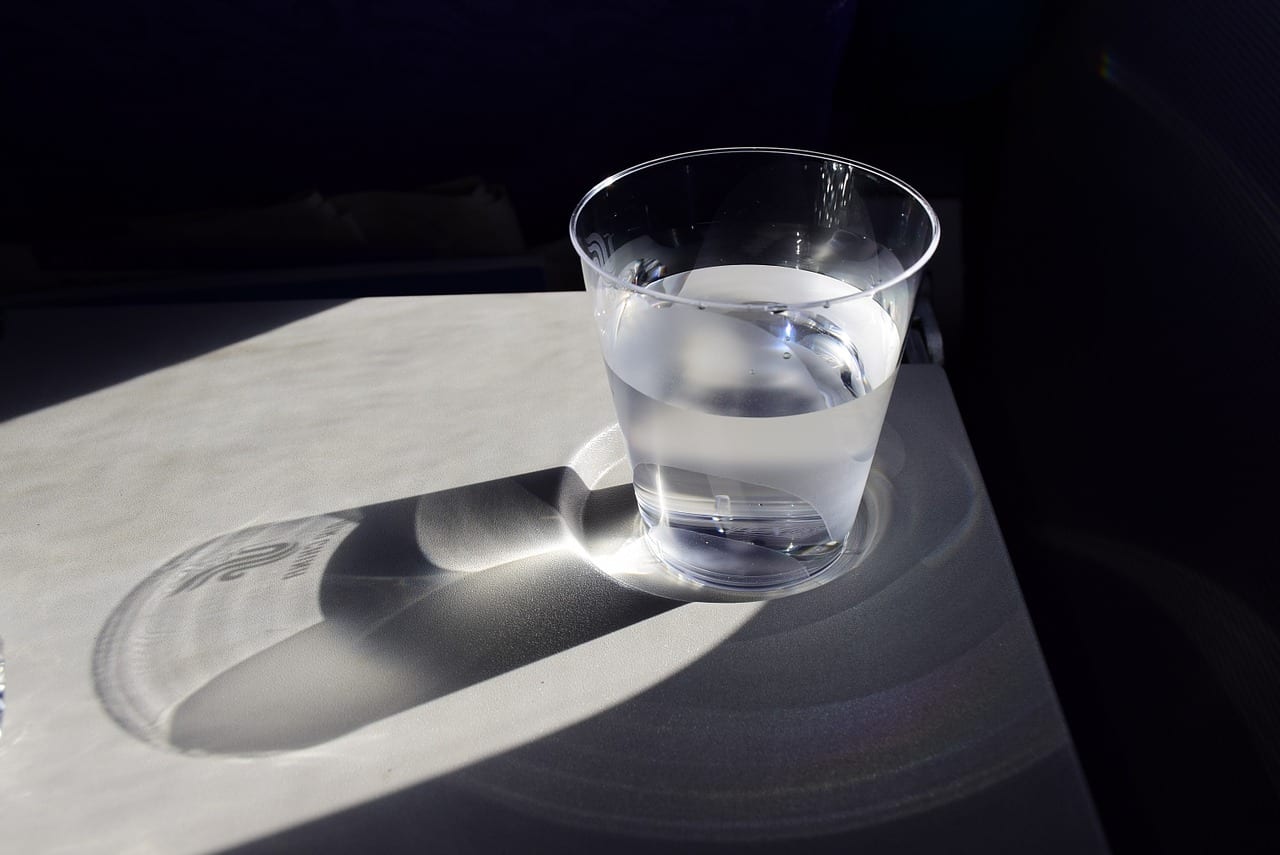
Photo Credit: Needpix
Getting up and moving around the plane is helpful for blood circulation and reducing jet lag. A little walk will also get oxygen to your brain, helping fight fatigue.
The decreased air pressure in an airplane cabin at altitude can cause gas and bloating that makes you feel uncomfortable and lousy upon landing – which gets your body working overtime and worsens jet lag. Bring healthy snacks and avoid fatty and greasy food while in the air.
If you feel pressure in your head, you can relieve it with gum, hard candy or big yawns. The movement in the jaw can also help ease headaches and stress, and since contributes to jet lag, anything you can do to keep it low will help. Try meditation, noise cancelling earphones or other relaxation activities.
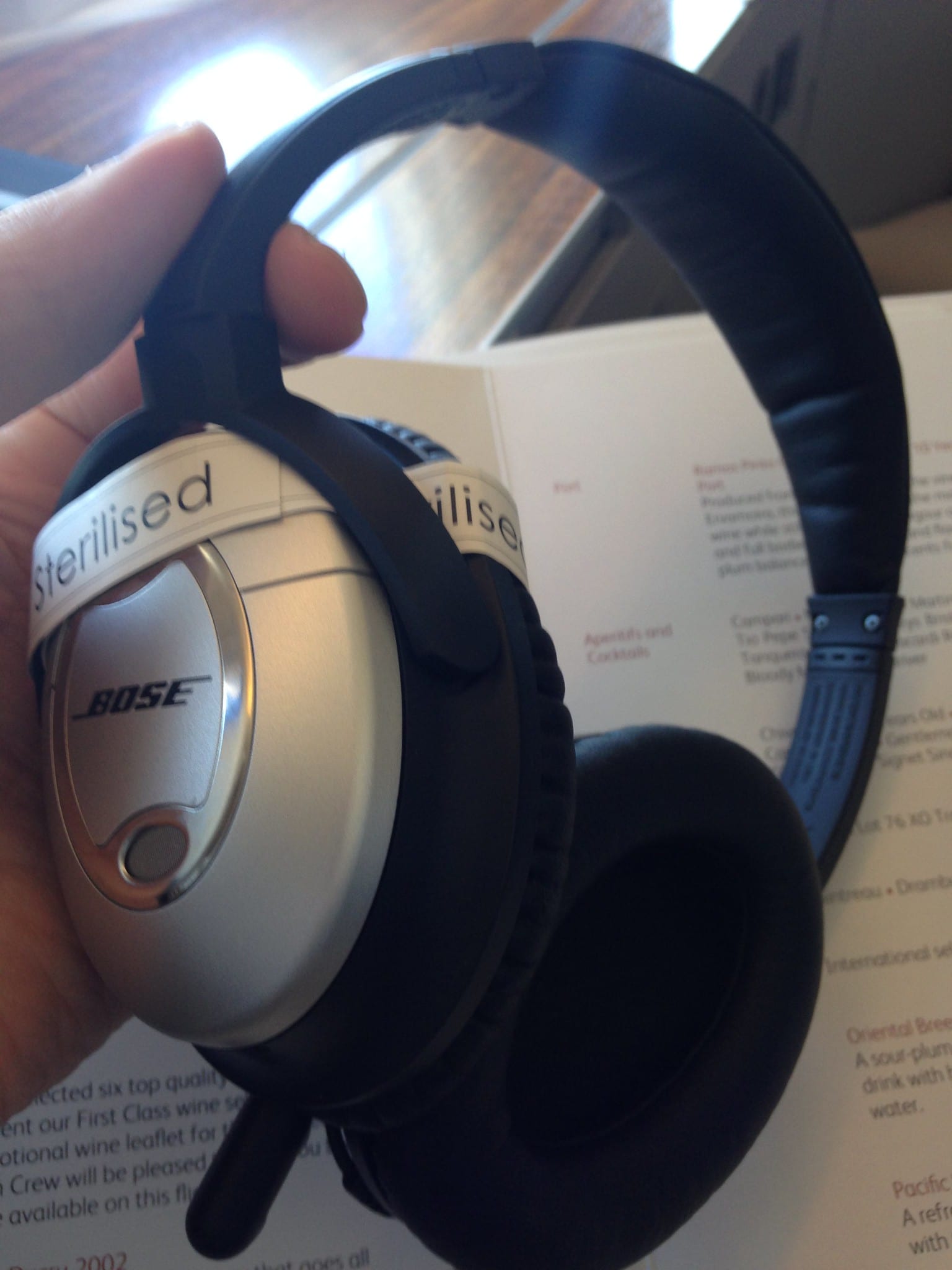
Photo Credit: Flickr
Vitamins, particularly B12 and C vitamins, and healthy juices are good for fighting germs that cause illness and aches we all seem to pick up from flying. And, again, any energy your body is putting toward fighting off illness is energy it’s not spending on adjusting its body clock. Bone up before boarding.
Many international flyers also stave off jet lag by tricking their bodies into thinking they are already in the new time zone. Depending on what time it will be when you land, you could either expose yourself to bright light for a few evenings before you fly west or to bright light earlier in the morning for eastern destinations. If you need to sleep to get used to the time in a new place quickly, try taking melatonin to induce a restful sleep while flying.

Photo Credit: Wikimedia
The best way to handle being on the ground in a new time zone is to take things slow. Absorb your new surroundings, grab a healthy meal at a time good for your new normal and get to know the place. Ease into it, and you’ll be enjoying your strange times soon enough.
The post Jet Lag Is Not Fun, but Don’t Worry – It Can Be Mitigated appeared first on UberFacts.
The earliest form of smallpox immunization…
The earliest form of smallpox immunization was used in China in the 1500’s. Doctors would take ground up scabs from people with mild cases of the disease, and blow the material into their nostrils. This lead to a mild version of the disease which had a mortality rate of ~2%. (20-30%if untreated)
Only Two Groups Pay for Fully Half the Anti-Vaccine Ads on Facebook
Anti-vax ads are a big source of controversy, since the entire movement is based on “research” that has been debunked and maligned by educated medical professionals across the globe. Some think that platforms like Facebook should ban any “ads” by labeling them as misinformation, while others think they fall under the umbrella of “free speech,” and are therefore untouchable.
With diseases like measles making a comeback, though – 1,261 cases (and counting) in the U.S. in 2019 up from just 86 in 2016 – the people driving vaccine hesitancy are causing trouble for us all.
And it turns out that only a few organizations are paying for these advertisements – ads that have the potential to sicken and even kill people.
According to Vaccine, more than half of anti-vax ads on Facebook come from the World Mercury Project (WMP), which is chaired by Robert F Kennedy Jr., and Stop Mandatory Vaccination (SMV).
The World Health Organization lists vaccine hesitancy as a threat to global health, and the spread of misinformation, exacerbated by social media, is how its being largely driven.
The new study examined over 500 advertisements placed between December 2018 and February 2019. Researchers noted how many of them were fairly uniform and stuck to the same non-facts about the supposed harms of vaccines.
Facebook has rules governing political advertisements, but often anti-vax ads get around the restrictions by using words like “freedom” and “choice” instead of talking about vaccines themselves, says David Broniatowski, a principal investigator for the study.
“By accepting the framing of vaccine opponents – that vaccination is a political topic, rather than one on which there is widespread public agreement and scientific consensus – Facebook perpetuates the false idea that there is even a debate to be had. This leads to increased vaccine hesitancy, and ultimately, more epidemics.”
There are other avenues for misinformation, of course, but the social media pioneer is taking a lot of heat – rightfully so, says Broniatowski.
“Worse, these policies actually penalize pro-vaccine content since Facebook requires disclosure of funding sources for ‘political ads,” but vaccine proponents rarely think of themselves as political. Additionally, vaccine opponents are more organized and more able to make sure that their ads meet these requirements.”
Actually scientific studies have conclusively shown that vaccines are not only safe, but save millions of lives all over the world.
Facebook has promised to work on updating their policies in an attempt to curb anti-vax ads on the platform, but, as with all promises from big business (and this one in particular), only time will tell whether or not they actually follow through.
In fact, it’s been 6 months already.
In the meantime, go ahead and block and report them – it can’t hurt.
The post Only Two Groups Pay for Fully Half the Anti-Vaccine Ads on Facebook appeared first on UberFacts.
These Interesting Facts Might Make You Say ‘Wait, What?’
WOW.
These facts are good. Damn good, if I do say so myself.
I think you’ll agree.
Go ahead and see for yourself…
1. There’s something out there…

Photo Credit: did you know?
2. That sounds nice right about now.
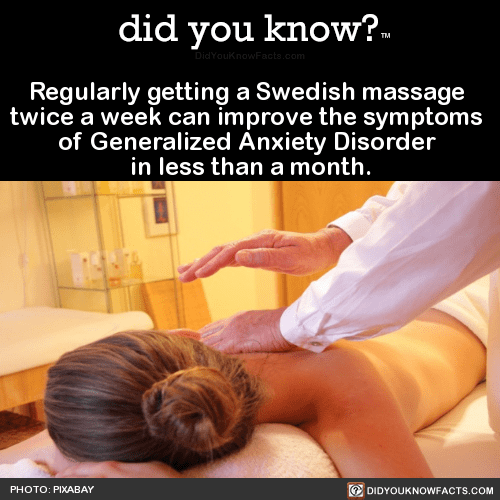
Photo Credit: did you know?
3. I’m in big trouble.

Photo Credit: did you know?
4. They are definitely real.

Photo Credit: did you know?
5. Gotta pay your dues.

Photo Credit: did you know?
6. Yes! More of this!

Photo Credit: did you know?
7. A legend.
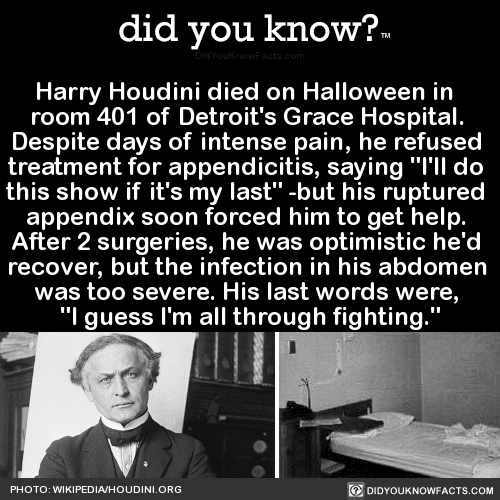
Photo Credit: did you know?
8. Gettin’ it on!
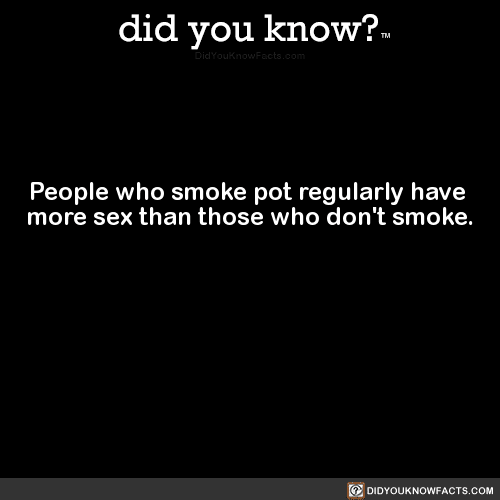
Photo Credit: did you know?
9. That makes perfect sense.
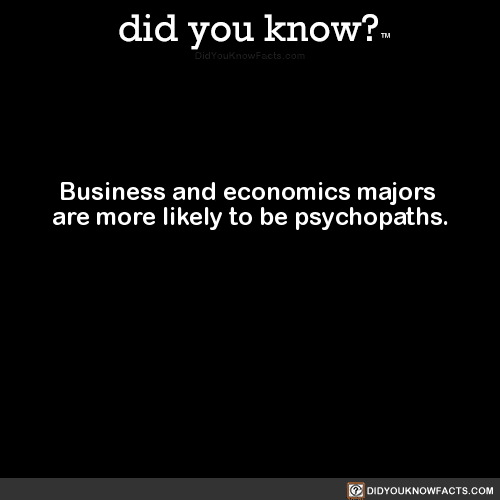
Photo Credit: did you know?
10. Does this pertain to you?
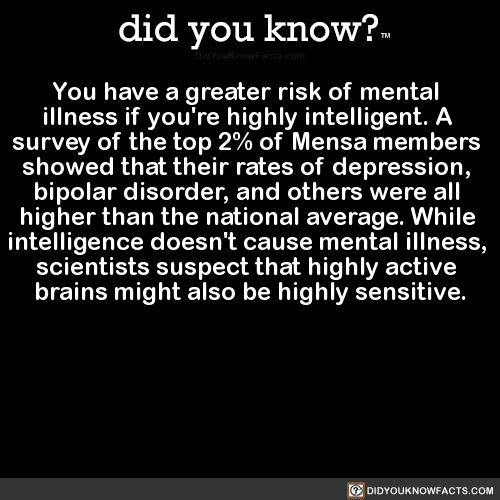
Photo Credit: did you know?
Are you wowed? Like, majorly wowed?
I think you are…thanks for stopping by!
The post These Interesting Facts Might Make You Say ‘Wait, What?’ appeared first on UberFacts.
Here’s a Great Product to Remove Irritants/Venom so Bites/Stings Don’t Itch
Obviously bug bites AND stings are VERY common problems we all share, and when either of those situations arise, the vast majority of us turn to creams and ointments that treat the symptoms, not the cause.
Well, now there’s a product that literally gets to the heart of why you itch and scratch after getting bit or stung.
The Bug Bite Thing was created by Florida mom, Kelley Higney (pictured right), who wanted to find a better, drug-free way to help her kids with the bug bites that always irritated their skin.
The way it works is deceptively simple: by suction.
See, when you get bit the insect’s saliva or venom gets under your skin. This causes a reaction and a red, itchy welt is the result.
That’s where the Bug Bite Thing springs into action. You just place it over your skin, pull up on the plunger and let the natural suction do its work.
The company posted this tutorial to show how easy it is…
It’s just that easy. And it’s honestly one of those ideas that make you think, “Why haven’t I thought of that?”
People are so impressed by the product, that they’ve taken to social media to share their stories…

 @simplyseptemberblog thank you for helping us spread the word! We offer a 100% money back guarantee so there is never any risk to try the product! #bugbitething


Because this thing is a life-saver…
And it even helps people who have more serious issues with bug bites lead a normal life…
The reviews on Amazon speak for themselves…
The results are especially good for kids because it’s pain-free and drug-free!
So where can you get one?
The Bug Bite Thing retails on the company’s website for $9.95, and you can also buy it on Amazon.
By the way, fun fact about the company… they were recently on Shark Tank and got funded by inventor & entrepreneur, Lori Greiner!
Here she is talking about how much she loves the product!
LUV Bug Bite Thing sooooo much!! Here's why! www.bugbitething.com #SharkTank #mosquitobites #bugbites #itreallyworks
Posted by Lori Greiner on Sunday, October 20, 2019
They even moved into new offices!
Definitely keep your eye on this company for more amazing ideas to help you lead a healthier, happier life!
The post Here’s a Great Product to Remove Irritants/Venom so Bites/Stings Don’t Itch appeared first on UberFacts.
Middle School Students Protested the Lack of Free Tampons at School with Inventive ‘Tampon Cookies’
These kids weren’t messing around…
Having periods can cost you roughly $18,000 over the course of your lifetime, according to 2017 analysis by HuffPost. It doesn’t quite seem fair that half of the population should have to pay out of pocket for an uncontrollable health necessity, which is why many folks have recently begun advocating for free tampons and pads at work, schools, and public places.
Now, even young people are getting in on the fight.
A group of middle schoolers organized to ask the principal to start distributing free tampons in the bathroom. The male principal refused, claiming that kids would “abuse the privilege.”
Whatever that means…
The students didn’t give up, though. They protested by making cookies in the shape of tampons.
Ilyse Hogue, president of NARAL Pro-Choice America, is the friend of the parent of a seventh-grader at the school. She told the story on Twitter.
My friend’s 7th grader goes to a school where the kids organized for free tampons in the bathroom. The male principle said no because they would “abuse the privilege.” The kids decided to stage a cookie protest. Behold the tampon cookies! pic.twitter.com/jz2KtbhOhS
— ilyse hogue (@ilyseh) October 30, 2019
“The kids decided to hold a cookie protest,” Ilyse wrote. “Behold the tampon cookies!”
The cost of tampons is especially unfair for young students, who have no control over their parents’ level of income or wealth. Kids who don’t have reliable access to menstrual products may not be able to attend school consistently.
The cookies appear to be made of wafers, red and white frosting, and string.
In response to Ilyse’s tweet, other Twitter users shared stories of similar actions at other middle and high schools.
I as in the restroom restocking the shelf when some guest students came in. They were excited to start a similar shelf in their school. If we give the kids an opportunity, they will be kind and generous.
— Cate W (@CateWalton59) October 30, 2019
They also mocked the principal’s concerns and praised the students’ creativity.
Is he afraid girls are just gonna start having periods for fun?
— JDArsen (@JonDArsen) October 30, 2019
I am obsessed with this and the kids at this school??
Love to be reminded that the kids are DEFINITELY alright— Women with Warren (@WomenwithWarren) October 30, 2019
As one user wrote: “The kids are DEFINITELY alright.” And hopefully, their efforts are successful!
The post Middle School Students Protested the Lack of Free Tampons at School with Inventive ‘Tampon Cookies’ appeared first on UberFacts.
The Taj Mahal Installed Air Purifiers to Defend Against Choking Smog
Unhealthy air pollution in India has hit record levels, and India’s most iconic and most visited attraction is attempting something to make tourists more comfortable.
One of the New Seven Wonders of the World, the Taj Mahal sits in Agra in northern India’s Uttar Pradesh state, around 130 miles (210 kilometers) south of New Delhi. Approximately eight million people tour this UNESCO World Heritage site every year.
View this post on Instagram
According to authorities in Uttar Pradesh, a “private firm” has provided several air purification vans for the city to use wherever and however they want. Officials chose to place two of these vans at the Taj Mahal. Few details on how the vans work or how long they would be there were given.
Bhuvan Prakash Yadav, a representative from the Uttar Pradesh Pollution Control Board (UPPCB) told CNN, “This is on a trial basis for 10 days, but we are trying to get [the private firm] to continue it for some more time.”
Smog engulfs the world famous Taj Mahal (Agra, UP) pic.twitter.com/zqncpTiRCB
— ANI UP (@ANINewsUP) November 6, 2016
Although the identity of the private firm was never confirmed, ads for telecom giant, Vodafone, are featured on the side of a few of the vans.
According to CNN, Yadav also said that each van is able to purify 1.5 million cubic meters (53 million cubic feet) of air in eight hours. Yet, the vans don’t have sensors, so verification of these numbers isn’t possible.
It may be the vans are more for public relations purposes than actually cleaning air.
About 1,000 children ran a race in thick smog in the Indian capital New Delhi – while schools closed due to hazardous air quality https://t.co/DrwQ3NhcrG pic.twitter.com/YhpFFOHEer
— Al Jazeera English (@AJEnglish) November 14, 2019
India’s high court challenged the government to take better care of the site in 2018. Much recent damage to the Taj Mahal has come from pollution in the air and contamination in the nearby Yamuna River. Since then, crowd control in the form of a visitor time limit and hiked ticket prices have been implemented.
Air pollution has been an ongoing and serious problem in India, home to 22 of the 30 most polluted cities on the planet. New Delhi, India’s capital city is the number one most polluted city in the world. Lately, pollution levels reached a record high of approximately 9x more than the World Health Organization’s recommended “safe” level – the problem is rated “severe.”
New Delhi closed all schools for 2 days because toxic smog is getting worse. Air pollution is 9X safe levels, blocking the sun and causing breathing and eye problems.
The smog is mostly caused by car exhaust and farmers burning fields in nearby states. pic.twitter.com/cbx5gey7pY
— AJ+ (@ajplus) November 14, 2019
Fossil fuel usage, crop burning and vehicle exhaust have all contributed to the problem.
Planes are even getting diverted from landing at New Delhi’s airport. Authorities say control measures are in place, but they will not be enough to stop the damage to Indian property and lives – the damage is already being done.
The post The Taj Mahal Installed Air Purifiers to Defend Against Choking Smog appeared first on UberFacts.
The Science Doesn’t Lie: You Need to Make Sleep a Priority
We’re all different when it comes to our sleeping patterns, but I’ve never been able to understand how some people can get by on four or five hours of sleep a night. If I don’t get a solid seven or eight hours, I feel like a zombie.
It turns out, maybe I’m the one who’s always been right in this department!

According to sleep scientist Aric Prather, “Sleep is so critical for so many parts of our body and our mind. Sleep is like the dishwasher of the brain.”
I like that, the dishwasher of the brain.
Prather means that sleep strengthens the immune system and can help regulate your metabolism. Sleep also clears out toxins that build up in your brain and can prevent neurodegenerative disorders.
In other words, sleep does a body good. Really good.
Prather also says that all phases of sleep, from light snoozing to deep sleep, are important for helping the brain and body recover from the day. Sleep can also help us learn and remember information more efficiently.

One more thing to keep in mind: abnormal sleep is known to play a role in some diseases, including Alzheimer’s and Parkinson’s. Disturbed sleep can even be measured to detect the onset of neurodegenerative diseases.
There is still a lot that researchers and scientists don’t know about sleep, but one thing is clear: sleep is very important and is good for your mental and physical health.

You know what you should do right now? Go get some ZZZZZZZZs!
The post The Science Doesn’t Lie: You Need to Make Sleep a Priority appeared first on UberFacts.