
In Norway, people can search public tax lists and see basic tax info for other people and…
After getting rid of its kings, Rome did not bring back one all-powerful ruler. It split top power…
After getting rid of its kings, Rome did not bring back one all-powerful ruler. It split top power…
Government Cheese: A Controversial Chapter in US History
In the 1980s, the US government found itself with a massive surplus of cheese due to volatile milk production and federal support for the dairy industry. With over 500 million pounds of processed American cheese stored in warehouses across 35 states, the government struggled to find a use for it. When the public discovered the surplus, they criticized President Ronald Reagan for not distributing the cheese to struggling families.
In response, Reagan authorized the release of 30 million pounds of cheese through the Temporary Emergency Food Assistance Program, targeting the elderly and low-income individuals. Dubbed “government cheese,” it became a symbol of hard times, with some grateful for the assistance, while others felt it stigmatized their socioeconomic status. The cheese distribution continued until the 1990s when dairy prices stabilized.
After the cheese distribution ended in the 1990s, the Commodity Credit Corporation (CCC), the government-owned corporation responsible for the surplus, faded from the headlines. However, it resurfaced during the Trump administration when it was announced that the CCC would provide significant subsidies to offset the impact of trade wars with China, Canada, and the European Union.
In retrospect, the “government cheese” program remains a controversial and memorable chapter in US history. Some people remember the cheese fondly for the assistance it provided during difficult times, while others still associate it with the humiliation of revealing their economic hardships. The cheese itself, with its unique flavor and texture, has become a cultural touchstone, evoking memories of a challenging period in American history.
For those who have experienced the taste of “government cheese,” it leaves a lasting impression. The cheese’s flavor is often characterized as a mix between Velveeta and American cheese, evoking feelings of either humiliation or appreciation for those who relied on it for sustenance. Its distinctive pale orange hue and iconic five-pound blocks quickly set it apart from common cheddar or Camembert.
In 2013 the Zimbabwean Government…

In 2013 the Zimbabwean Government admitted that their public account held a grand total of $217.
The post In 2013 the Zimbabwean Government… appeared first on Crazy Facts.
In 2014, the Indian government employed…

In 2014, the Indian government employed 40 people to impersonate monkeys, to scare off real monkeys causing havoc around the parliament in Delhi. The men made screeching noises similar to those of black-faced langur monkeys, imitating their whoops and barks, to frighten red-faced macaque monkeys
The post In 2014, the Indian government employed… appeared first on Crazy Facts.
Affordable, Government-Subsidized Phone Comes with Pre-Installed Malware
Yikes…
Smartphones and their related phone plans can be expensive. That’s why many low-income Americans depend on the FCC’s Lifeline Assistance Program so they can access quality service at an affordable price.
According to WIRED, the program currently provides UMX U686CL Android phones tied to the Virgin Mobile Assurance Program.
Unfortunately, Malwarebytes reports that the phones contain a malware called HiddenAds, and removing the bad programs could make the phone unusable.
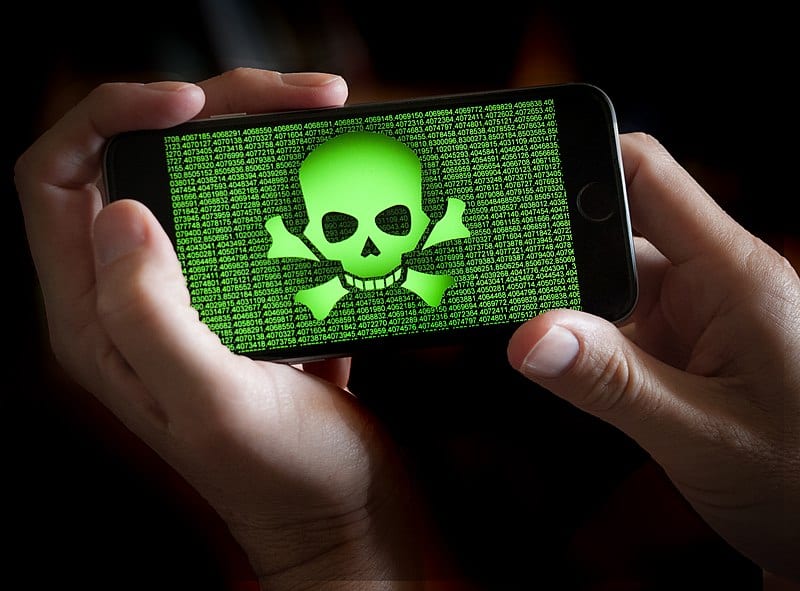
Photo Credit: Wikimedia Commons
.jpg)
The surprising thing to security and malware experts is that the malware comes pre-installed in the phone, meaning that customers are getting a defective product right off the bat – and the government is paying to provide it.
WIRED says the malware is capable of installing apps and adware without the user’s permission beforehand. This can subject the phone’s owner to a lot of unwanted ads and unseen data-collection.
One of the apps the device has been shown to download is called AdUps. In 2016, this app reportedly collected data from users without prior consent or warning. Malwarebytes comments that the app itself isn’t of much concern, but it’s still unacceptable that smartphone users are being subjected to data collection, downloads, and adware without their consent or knowledge.

Photo Credit: < ahref=”https://www.istockphoto.com/photo/red-pirate-skull-on-smart-phone-screen-gm1067920116-285623129″target=”_blank”>iStock
This isn’t the first time phones for low-income users have been found to carry malware. And the devices are such an important lifeline to low-income people in the digital age that it’s frankly shameful for the government to be providing a pre-infected product.
Share your thoughts (or outrage) in the comments section.
The post Affordable, Government-Subsidized Phone Comes with Pre-Installed Malware appeared first on UberFacts.
The Irish parliament recently spent…
The Irish parliament recently spent €808,000 on a new printer, and when they discovered it didn’t fit they spent another €236,000 moving walls and reinforcing the building. It remains unused as staff refuse to operate it without a pay rise.
The Irish parliament recently spent…
The Irish parliament recently spent €808,000 on a new printer, and when they discovered it didn’t fit they spent another €236,000 moving walls and reinforcing the building. It remains unused as staff refuse to operate it without a pay rise.
TVs emit a tone during ad breaks…
TVs emit a tone during ad breaks that are inaudible to humans but that smartphones are listening for; now corporate entities can link the tv & phone as belonging to the same person. It means government entities can play a tone through the TV and ping all the phones in the room, identifying the whole […]
A revolt of textile workers in 14th…
A revolt of textile workers in 14th century Florence led to the son of a washerwoman becoming president when he entered the palace barefoot and overthrew the oligarchic government. For 4 years the republic was ruled almost entirely by middle class artisans and shopkeepers.