
A software developer rigged the lottery software he coded in several states, so he would know what the winning numbers would be 3 days per year.
The final science exam for 8th grad….
The final science exam for 8th grade students in Ketchikan Alaska is a 2 night survival trip on an uninhabited island.
The name “Robin Hood” was a common…
The name “Robin Hood” was a common alias for criminals in Medieval England. It was first used as an alias in 1262. This suggests that either an early version of the Robin Hood legend was well established, or that the Robin Hood legend developed from the alias itself.
The Vatican has a single pharmacy…
The Vatican has a single pharmacy. The Vatican claims it is the busiest pharmacy in the world with 2,000 daily visitors. Due to complicated Italian laws, the pharmacy has medicines available years before Italian pharmacies. People often visit to buy them.
Jules Verne’s wrote a novel in 1863….
Jules Verne’s wrote a novel in 1863 which predicted gas-powered cars, fax machines, wind power, missiles, electric street lighting, maglev trains, the record industry, the internet, and feminism. It was lost for over 100 years after his publisher deemed it too unbelievable to publish.
The Kublai Khan invaded Japan…
The Kublai Khan invaded Japan in 1274 with 33,000 troops but failed due to weather. Kublai Khan again invaded Japan in 1279 with 140,000 troops & made it 15 km away from the city of Fukuoka but again failed due to a typhoon. It was here the term kamikaze (divine wind) was born.
There is a law in Sweden that allows…
There is a law in Sweden that allows you go on any property you please between July and October so long as you are picking wild berries or mushrooms.
Extremely high taxes ($5.85/pack)…
Extremely high taxes ($5.85/pack) have made New York City the cigarette smuggling capital of America. 57% of cigarettes consumed are smuggled, usually from Virginia or North Carolina.
The civilian model for Hummer was…
The civilian model for Hummer was made because of the persistence of Arnold Schwarzenegger, who saw an Army convoy while filming Kindergarden Cop and began to campaign for a civilian version to be available on the market.
This Is Why Airplane Engines Are Never Painted on the Front Edges
Look closely at the engines on the planes at the gates next time you’re at the airport. All of them will have an unpainted band near the front edge. As sleek as this kind of paint job may look, the reasons behind the styling goes beyond just looking trendy.
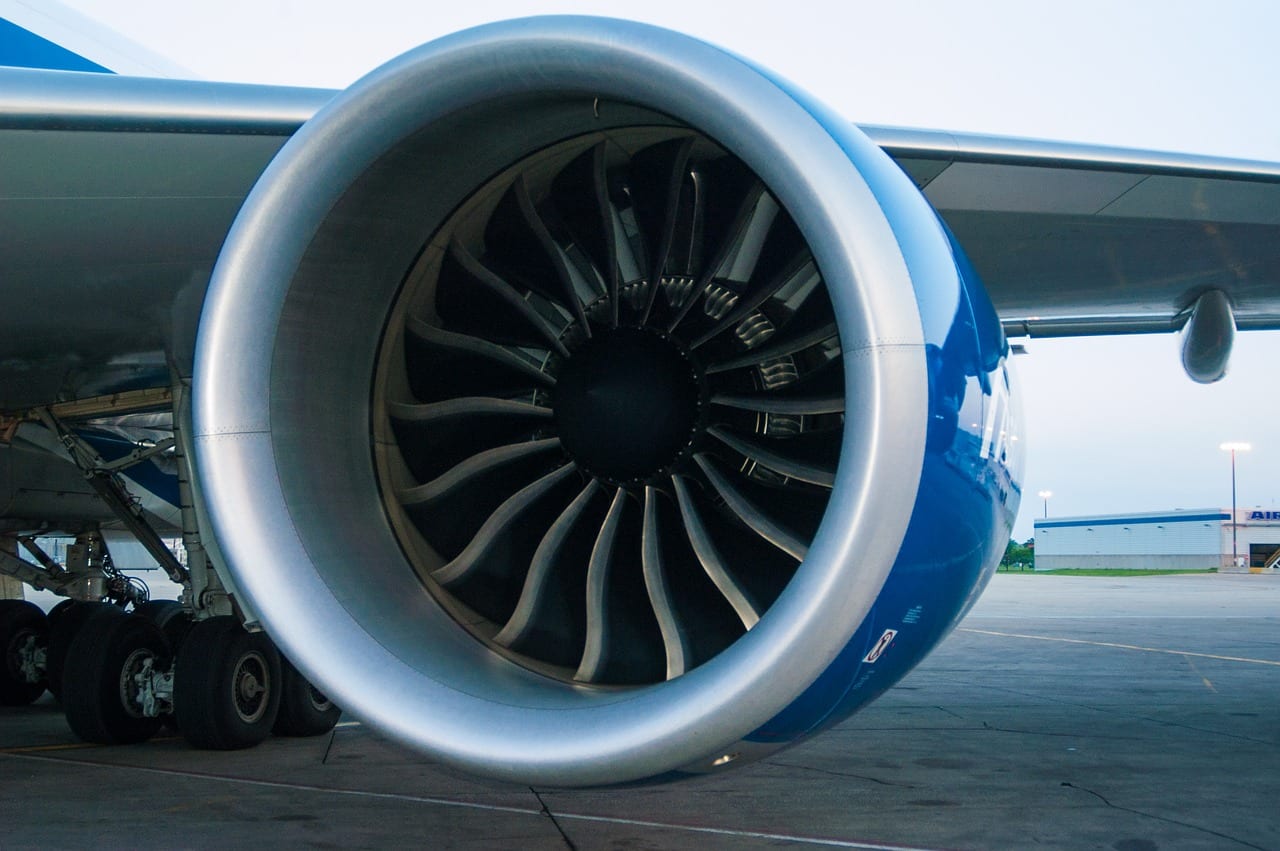
Photo Credit: Needpix
YouTuber Mentour Pilot, who runs a channel about everything to do with being an airline pilot, created a video explaining why the front edge of the engine is never painted when the rest of the aircraft is.
It’s something I’d never have thought about in a million years, but someone clearly did.
The first explanation is because of the heat the engines generate. Ice can form quickly on engines and wings when flying through clouds, creating a real safety hazard. Planes use the heat already coming from their engines to keep dangerous ice from accumulating.
Small holes in the unpainted ring of the engine, as well as on the wings, help the ice melt. If this part of the engine is left naked, then the metal heats best for minimized ice formation. Paint would only protect the ice from heat by creating an intermediate layer.
Not safe.
Another reason is that eventually the paint on the intake would begin to degrade, and chips of paint could get sucked into the engine. As this happened, the uneven coats of paint would affect how air flows into the engine, creating mini vortices and disrupting overall efficiency.
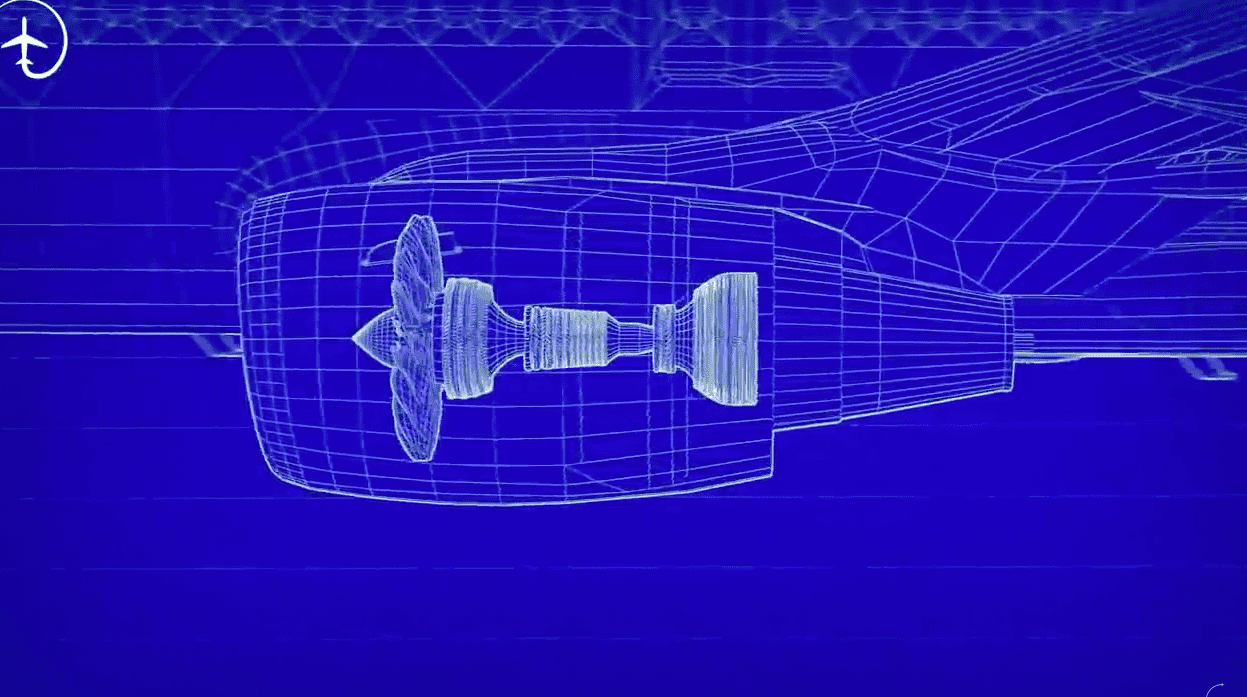
Photo Credit: YouTube
He also touches on why most planes are painted white or predominantly white. This one’s a little easier to guess: white paint reflects heat. If a plane is painted white, the air-conditioning system doesn’t have to work as hard to keep the interior cooled – thus better engine efficiency.
Painting an aircraft white is also faster and cheaper, and airlines can place and replace branding as needed without repainting.
If this is interesting, deifnitely check out more of Mentour Pilot’s channel – aside from his cool airplane knowledge, he wears his uniform, has a great accent and an adorable apricot poodle-ish dog, and generally makes you feel good about who is at the controls of these high flying tubes.
The post This Is Why Airplane Engines Are Never Painted on the Front Edges appeared first on UberFacts.