
In 2015, a guide dog in New York was awarded the ASPCA’s “Dog of the Year” award for running in front of an oncoming bus to protect his blind owner, and didn’t leave her side until she received medical attention even though he suffered a broken leg.
The Russian novel We (1920-21)…
The Russian novel We (1920-21) by Yevgeny Zamyatin is considered one of the grandfathers of the dystopian genre and influenced George Orwell’s 1984. “Zamyatin’s influence on Orwell is beyond dispute…1984 shares so many features with We that there can be no doubt about its general debt to it.”
Carl Sagan’s team wanted to include…
Carl Sagan’s team wanted to include the Beatles song “Here Comes the Sun” on the Voyager Golden Records (discs containing greetings in 60 languages, music and sounds from Earth aboard both Voyager spacecraft launched in 1977), but the record company EMI, which held the copyrights, declined.
Great Ways You Can Reuse Those Little Silica Gel Packets
This is pretty cool.
You know all those little packets of moisture absorbing silica gel that falls out of new boxes of shoes, electronics, big bags of rice…really all kinds of stuff? These little packets that tell you 1) not to eat them and 2) to throw them away?
Well, definitely don’t eat them, but don’t throw them away either – they can be repurposed and used for all kinds of things. Those packets are practically gold!
Here are some ways you can save these tiny dehumidifiers from the landfill and improve your own quality of life.
1. Keep your gym bag free from odor.
Throw a few packs in your gym bag with your stinky clothes and gear. They will absorb odor so you won’t recoil in disgust when you open it later.
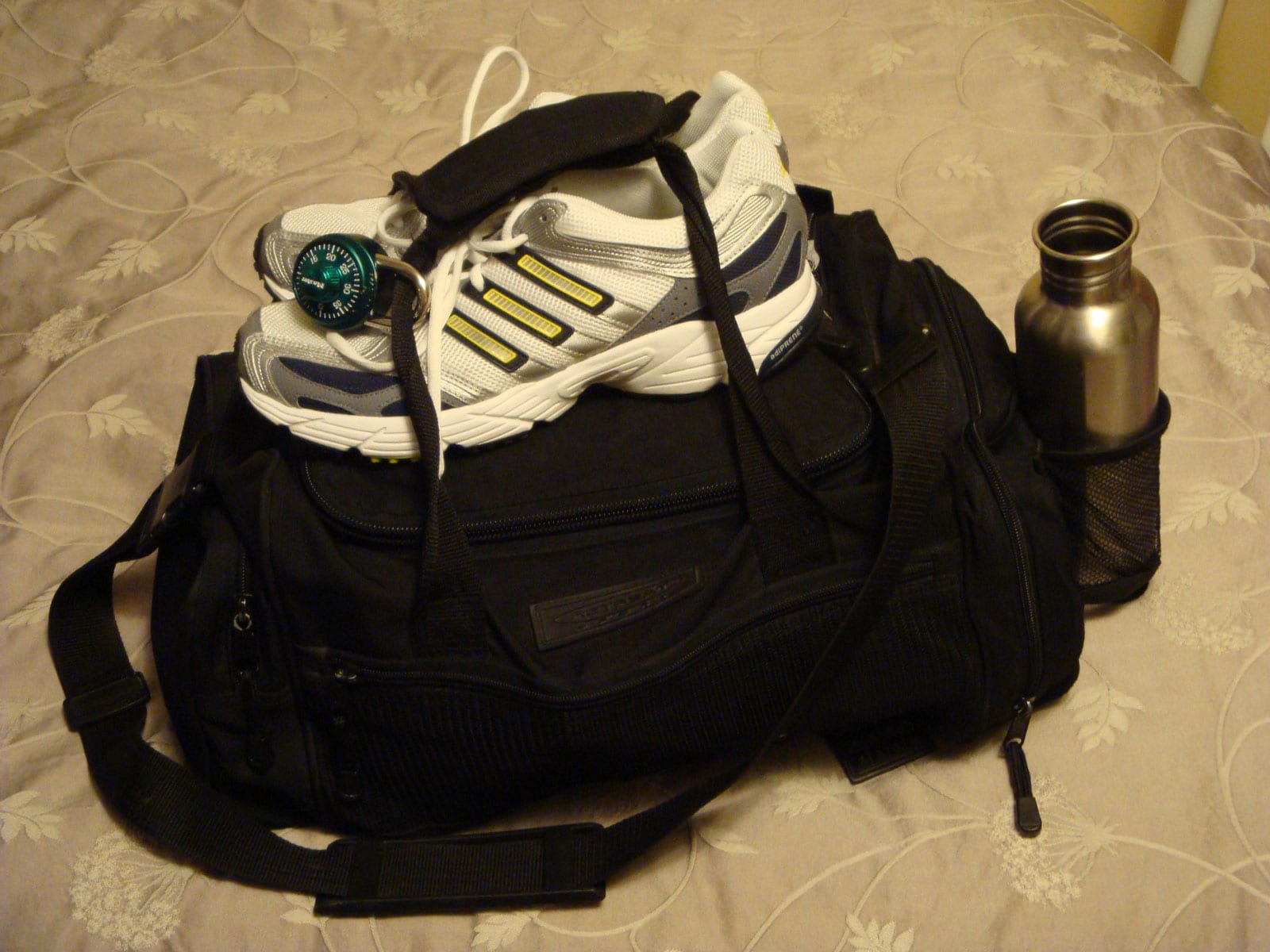
Photo Credit: Flickr
2. Keep your razors from rusting.
No matter how thoroughly you think you dry your razors, you’re bound to miss some moisture. Store them with a silica gel packet to absorb water droplets.

Photo Credit: Wikimedia
3. Keep rust off your tools.
Live in Arizona? No? Your garage is practically a rainforest then, and if that’s where you keep your tools, you’ll need some packs to stop them from rusting.

Photo Credit: Flickr
4. Keep your pantry fresher.
Tuck some packs into your pantry or cupboard where you keep your spices, flour and potatoes.
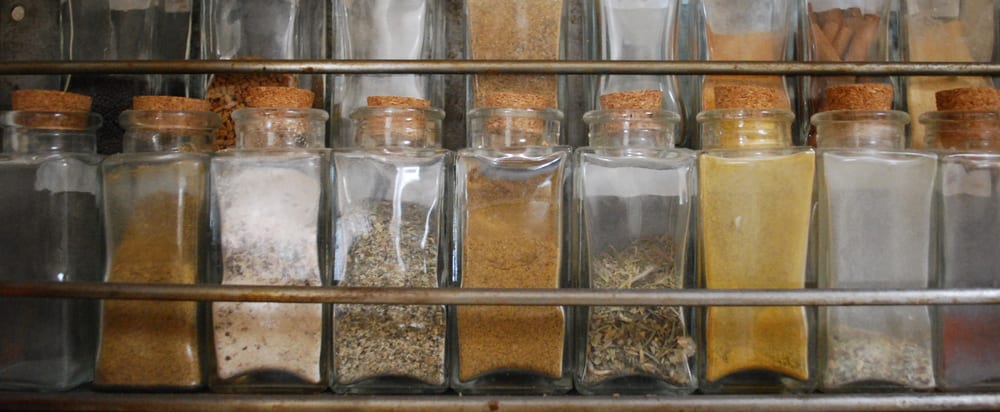
Photo Credit: Flickr
5. Keep your expensive headphones from getting smelly.
Prevent your audio investment – before storing, go ahead and tuck packs into each “ear” of your over-the-ear headphones. It helps after they’ve spent a few hours near the warm, moist heat of your body.

Photo Credit: Flickr
6. In wet weather, use to protect chargers and cords.
If your staring down the barrel of a big storm and you need to keep electronic accessories dry, zip them away in a waterproof bag with a few packets for extra insurance.

Photo Credit: Pxhere
7. Protect photos
Remember printed photos? Remember your old box of printed photos? Whoopsie. Find that box and throw in some packets to keep them free from moisture damage.
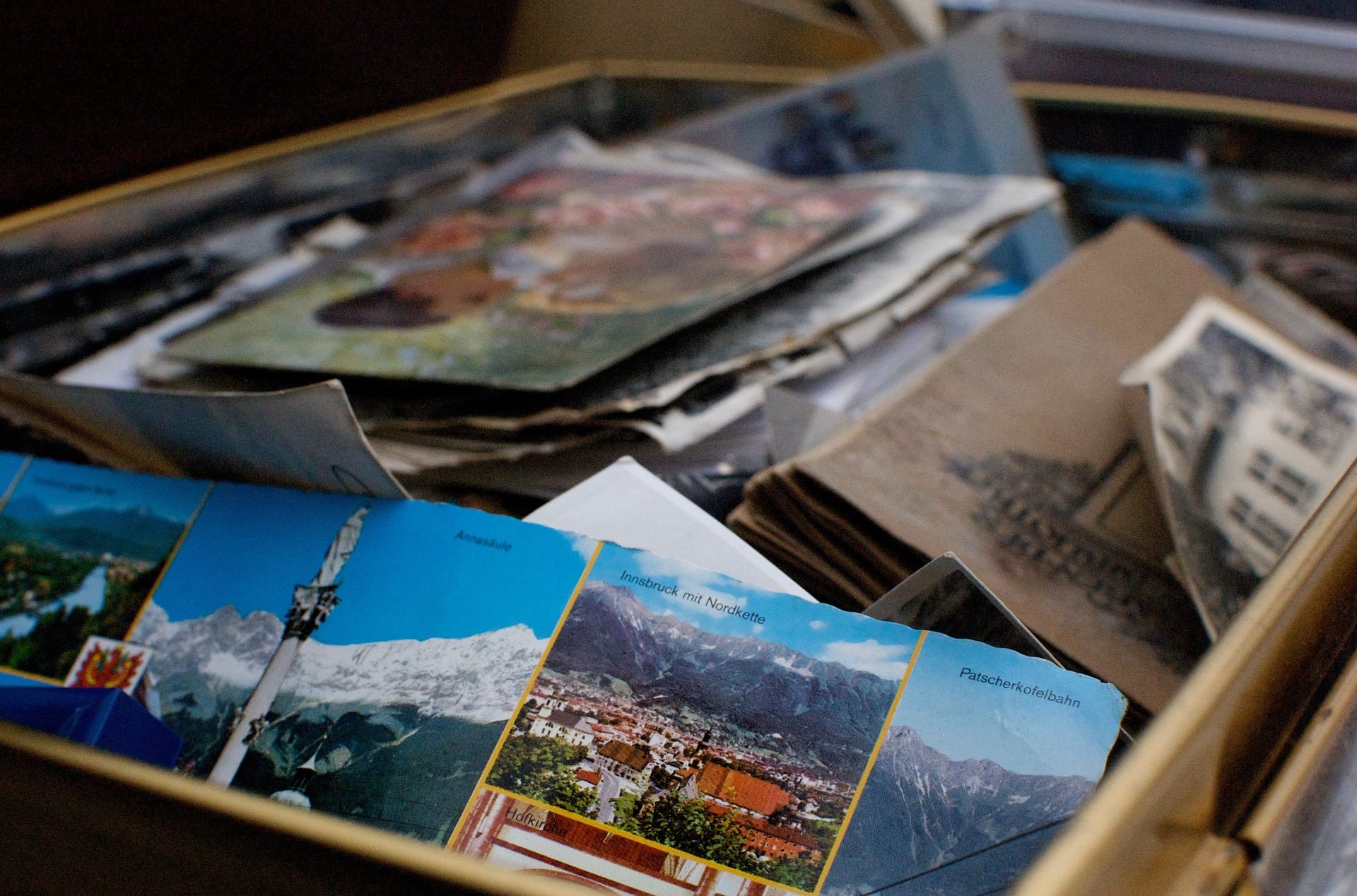
Photo Credit: Pixabay
8. Get the musty smell out of your old books.
Old book smell is delicious. Musty, moldy smells? Not so much. If one of your books gets too much of a good thing, zip it in a bag with a few packets and wait a month. The offending smell should be gone.
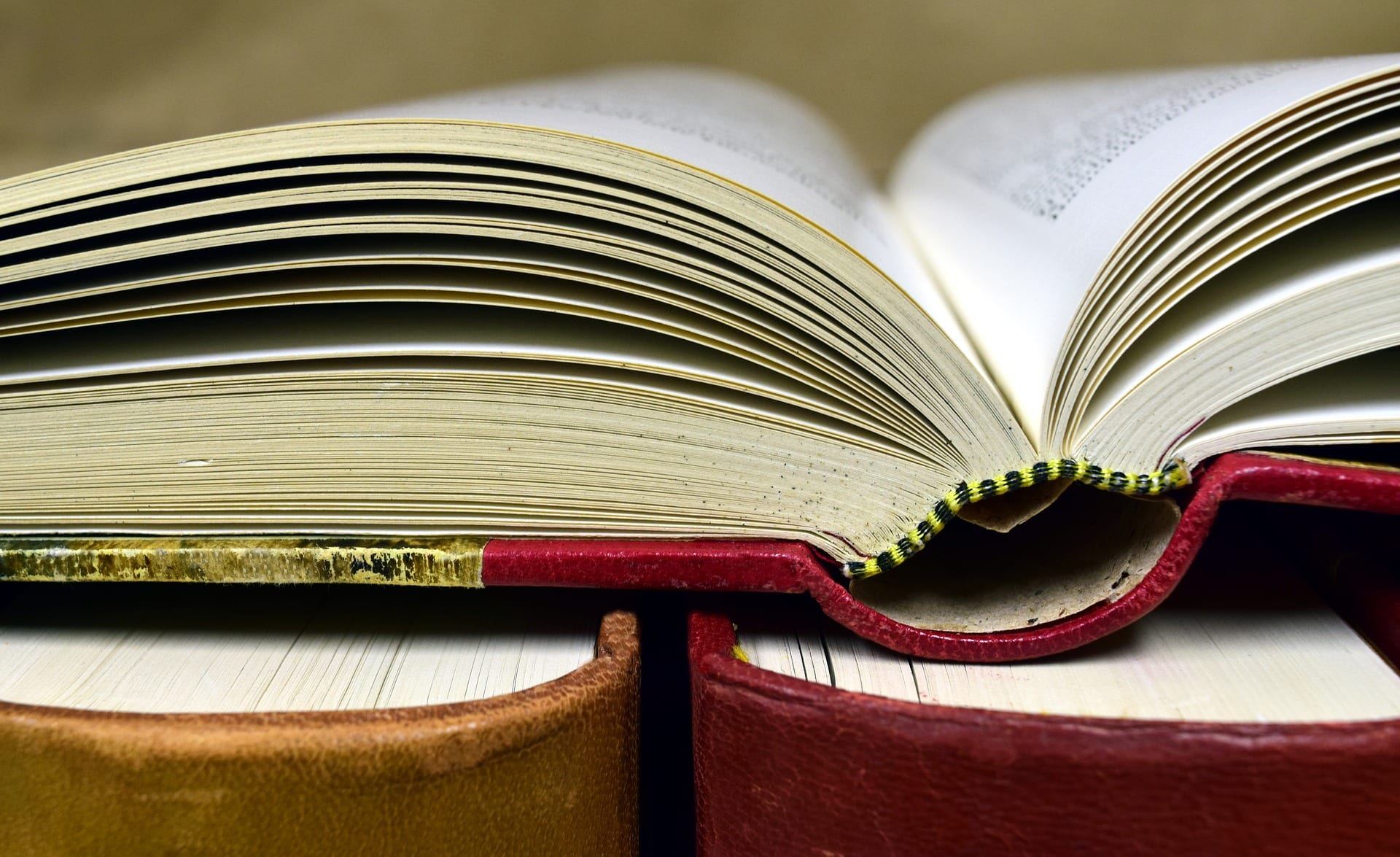
Photo Credit: Pixabay
9. Use for storing seeds.
Gather seeds from your annuals and store them in a jar with a packet. Come spring, you’ll be ready to garden.

Photo Credit: Pixnio
10. Protect your silver jewelry from tarnish.
After wearing, clean your silver pieces and store it in your jewelry box with a couple of packets to keep them shiny and ready for next time.

Photo Credit: Pxfuel
See? Those little packets of silica gel are miracle workers. And if they don’t seem to be working, stick them in the oven on a cookie sheet on low heat for an hour or two or put them outside on a sunny afternoon. The moisture will get baked out, and they’ll be good as new and ready to reuse again!
The post Great Ways You Can Reuse Those Little Silica Gel Packets appeared first on UberFacts.
The National Bonsai Museum in Washington D.C. Looks Pretty Awesome
In Washington D.C., an extraordinary museum has some mighty special trees. These trees aren’t giant oaks or flowered with cherry blossoms, though. The National Bonsai Museum, rather, is home to 150 species of trees pruned and cared for in the manner of bonsai – a traditional Japanese cultivation technique that produces trees in miniature.

The museum opened in 1976 to exhibit a gift from Japan of 53 bonsai trees commemorating the U.S. bicentennial and presented to Secretary of State Henry Kissinger. Their botanical gift joins the 3,000 cherry trees, given by Japan in 1912, that famously still grow today around D.C.’s National Mall.
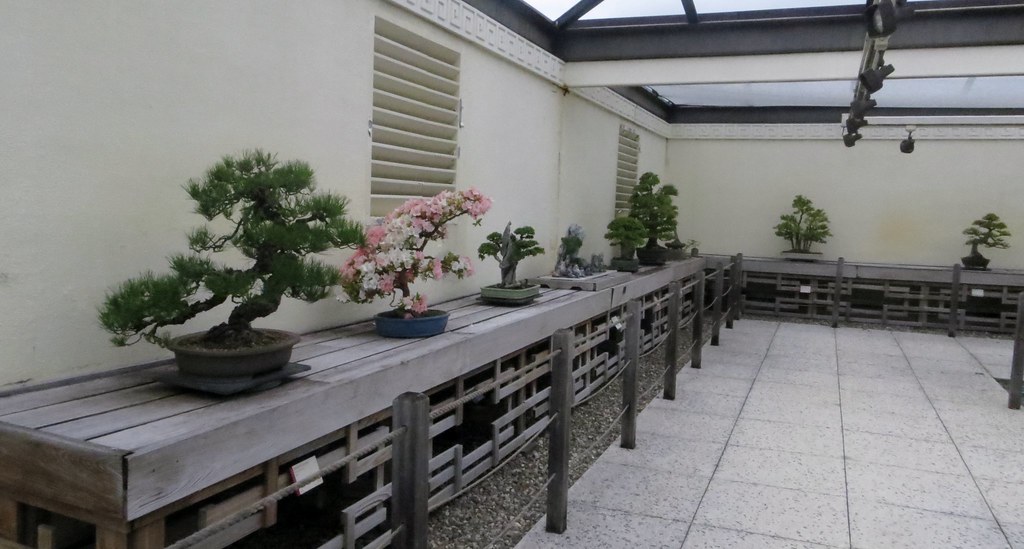
The exceptional display of bonsai trees can be found in the Department of Agriculture’s National Arboretum. Over the years, the collection has grown to include various species, including beeches, maples and pines, among others.

Photo Credit: Wikimedia
As the Japanese style of bonsai varies, there are several design types to see at the museum. Look for Chokkan style, characterized by a straight tapered trunk with thick branches coming from the middle of the trunk and finer sproutings at the top for a formal tree shape.
You can also see the dramatic kengai trees, which appear to “cascade” down mountains. Others on display are “root-over-rock,” where the tree’s roots reach around a stone base before disappearing into earth, and “forest” style, that have several trees, usually an odd number, arranged in a single container.
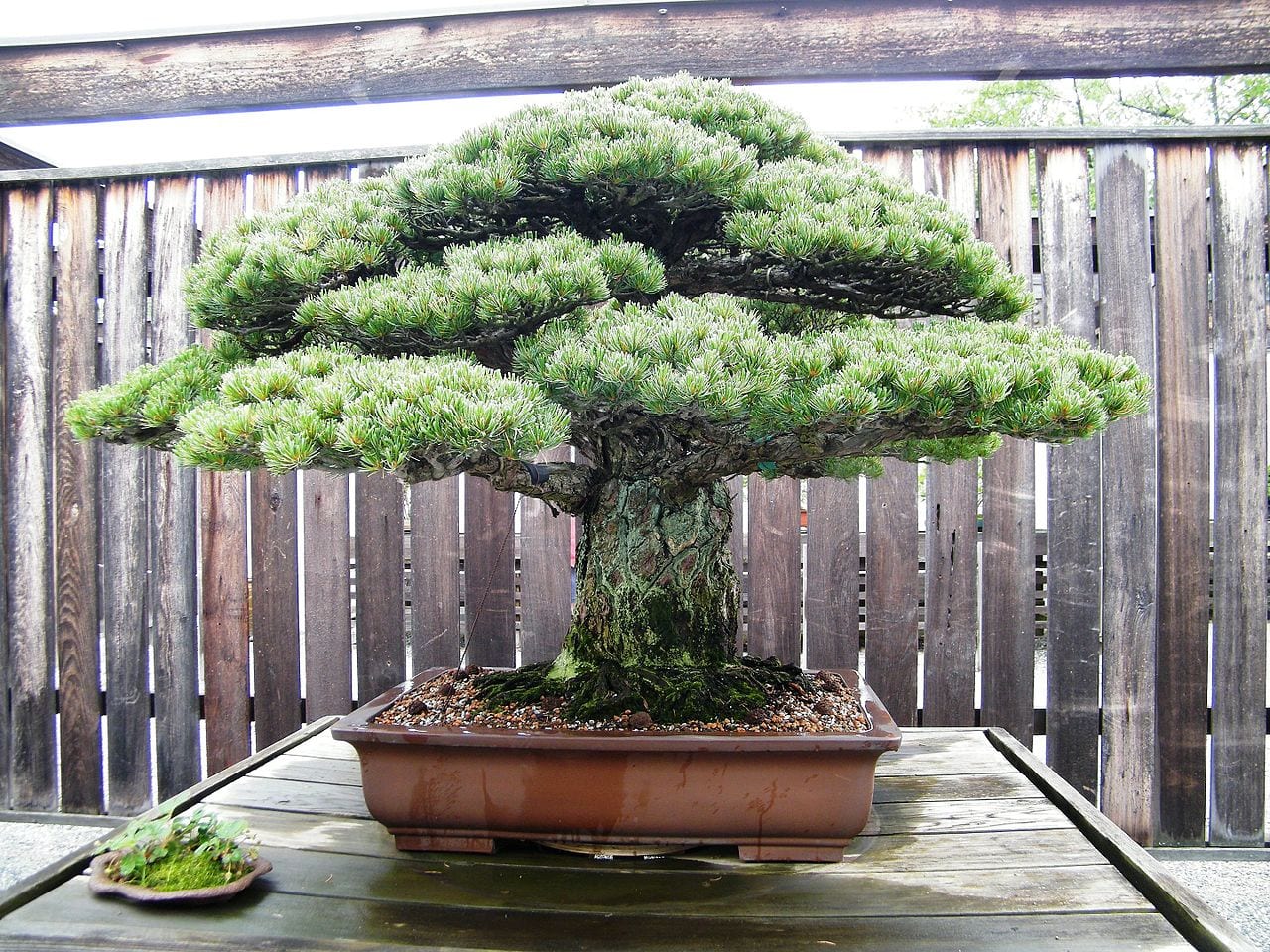
Photo Credit: Wikimedia
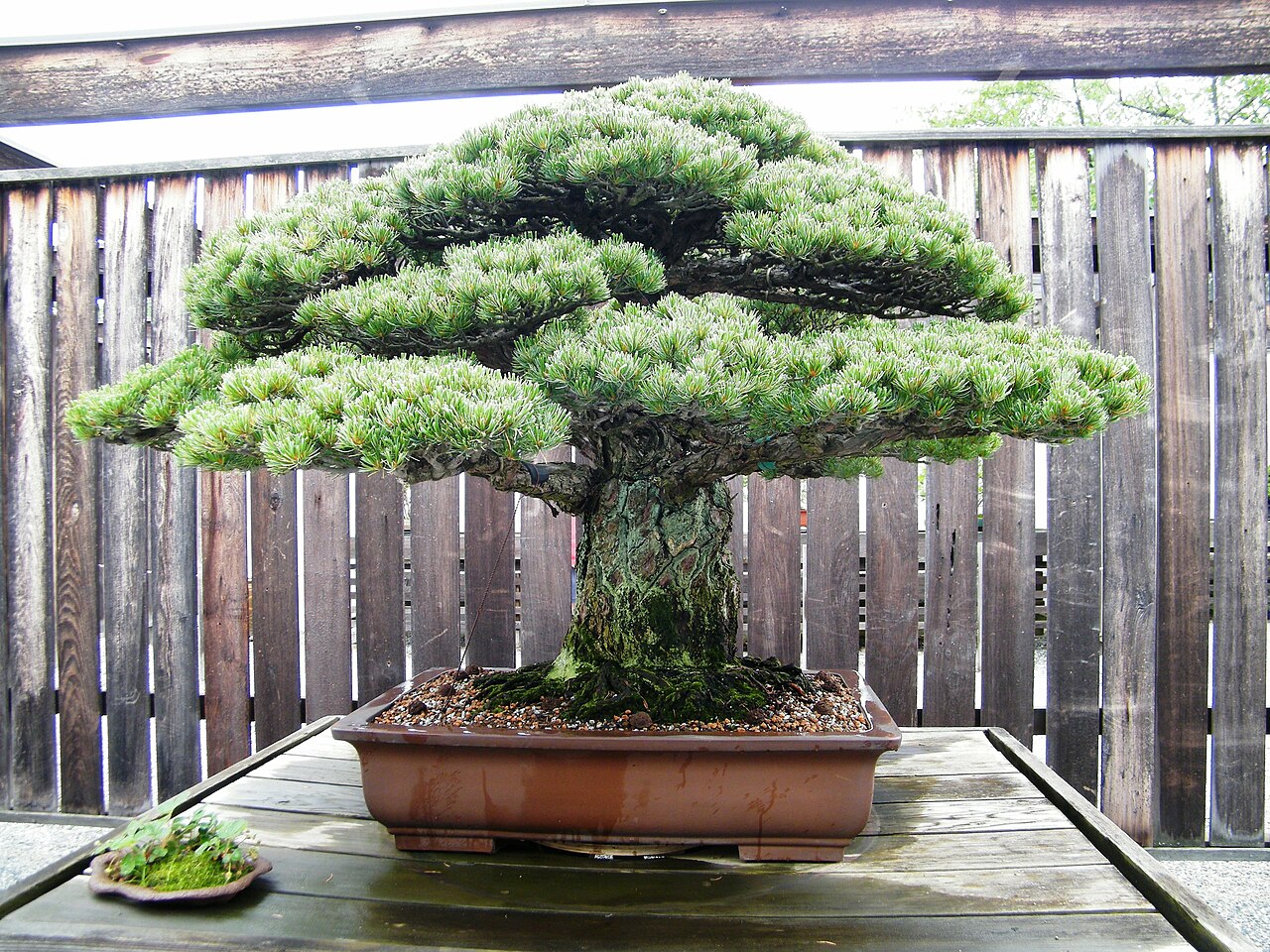
The absolute can’t-miss specimen of the entire exhibit is a Japanese white pine. The tree was started in 1625 and tended by five generations of the Yamaki family until it was donated to the U.S. It’s also called the Hiroshima Survivor because it emerged unharmed from the atomic bombing of the city of Hiroshima in 1945.
Bonsai gives both the viewer and the cultivator the opportunity for quiet contemplation. In a busy city that represents a country as dynamic as the U.S., this museum is an excellent place to root your soul.
The post The National Bonsai Museum in Washington D.C. Looks Pretty Awesome appeared first on UberFacts.
The $2 bill makes up 1% of currency…
The $2 bill makes up 1% of currency circulation. Its scarcity in daily use has confused some merchants who believe the bill to be fake. A 13 year old girl in Texas was detained by police when she tried to pay for her school lunch with a $2 bill, because the school’s counterfeit pen wouldn’t […]
Japan has over 5 million operating…
Japan has over 5 million operating vending machines currently within the country, making it so there is 1 vending machine per 23 people, making it the country with the most vending machines per capita in the entire world.
14 Interesting Facts You Might Not Already Know
Facts make us feel more in the know, they help us win trivia games (always important!), and, like my great-grandfather said, you should try to learn something new every day.
We’d like to help you out today, so check out these 14 interesting facts!
14. Abraham Lincoln was a certified bartender.
His liquor license was discovered in 1930.
13. A Pixar employee accidentally deleted part of Toy Story 2 during production.
It would have taken up to a year to recreate what was deleted, but fortunately another employee had a backup of the entire film on their home laptop.
12. Your brain synapses shrink while you sleep.
A 2003 study on mice confirmed that the size of brain synapses shrink around 18% after a few hours of sleep.
11. Umpires used to call baseball games from rocking chairs.
They were located about 20 feet behind home plate – not a bad gig, since starting in 1878, they were paid $5 a game.
10. The first commercial passenger flight lasted only 23 minutes.
In 1914, Abram Pheil paid $400 (about $8500 today) to fly between St. Petersburg and Tampa (both in Florida). Pheil was the former mayor of St. Petersburg, and the short flight revolutionized our lives.
9. Pigeon poop belongs to the royals.
In the 18th century, bird poop was used to make gunpowder, so King George I declared all droppings property of the crown.
8. Beethoven basically couldn’t do math.


He could add, but one of the greatest composers in history couldn’t multiply or divide.
7. Apple, Inc. was created on April Fool’s Day.
The documents to form the Apple Computer Company were signed on April 1, 1976. Thirty years later, Apple became the country’s first trillion-dollar company – it is obviously not a joke.
6. A waffle maker inspired the design of Nikes.
Bill Bowerman was a track and field coach in the 1950s when he decided he wanted to design a better shoe for running. Inspiration struck during a waffle breakfast with his wife, when of course he thought to try the waffle design on the sole of a shoe.
5. The world’s first novel ends mid-sentence.
The Tale of Genji was written in the 11th century by Murasaki Shikibu. The work stops abruptly in the 55th chapter, and most believe the work was once complete. Some scholars do think he meant to end the story there, though.
4. The Ancient Egyptians replaced the eyes of the dead with small onions.
The rings and layers of onions were thought to represent eternal life, so sending the Pharaohs off with the onions in place of easily decomposed eyes makes sense.
3. In Latin, “aquarium” means “watering place for cattle.”
The first modern aquarium (for viewing sea creatures) opened in England in 1924. Presumably by someone who failed Latin in school.
2. Queen Victoria was one of the first people to own a tricycle.
She was on a tour on the Isle of Wight in 1881 when a woman on a tricycle passed her horse and carriage. Victoria stopped the woman and asked her to demonstrate the tricycle to the Queen, who ordered two and asked that they be delivered by their creator.
1. Boars wash their food before eating it.
At the Basel Zoo in Switzerland, zookeepers have observed both adult and juvenile wild boars wash sandy apples in a creek before eating them.
I definitely did today’s learning from this list – so many fun facts!
Did you learn something? Did you love one of these in particular? Share which in the comments!
The post 14 Interesting Facts You Might Not Already Know appeared first on UberFacts.
The man credited with saving….
The man credited with saving both Apollo 12 and Apollo 13 was forced to resign years later while serving as the Chief of NASA when Texas Senator Robert Krueger blamed him for $500 million of overspending on Space Station Freedom, which later evolved into the International Space Station (ISS).
In 1896, New York passed a law that…
In 1896, New York passed a law that alcohol could only be served on Sunday if it was with a meal. New York taverns then started “selling” inedible sandwiches (served with a drink). The waiter would collect the sandwich at the end of the meal, and serve it the next customer.