In the Middle Ages there was a belief animals understood the concept of morality and possessed rationality. They were summoned to court, put on trial for a variety of offenses, and given the same punishments as humans. Lawyers defended pigs, rats, and sheep. Even flies and slugs faced judgement.
There is a wire called an eruv that hangs above Manhattan encircling much of the borough, acting as a symbolic boundary that turns the public streets into a private space, much like one’s own home that allows Jewish people to move about freely without having to worry about breaking Jewish law.
There is a wire called an eruv that hangs above Manhattan encircling much of the borough, acting as a symbolic boundary that turns the public streets into a private space, much like one’s own home that allows Jewish people to move about freely without having to worry about breaking Jewish law.
Vermont passed a law in 1999 that the state pie is Apple and one must make a “good faith effort” to serve it with either a glass of cold milk, 1/2 oz. of cheddar cheese, or a large scoop of vanilla.
Vermont passed a law in 1999 that the state pie is Apple and one must make a “good faith effort” to serve it with either a glass of cold milk, 1/2 oz. of cheddar cheese, or a large scoop of vanilla.
Yaupon, a holly bush indigenous to the south-east United States, was once the most widely consumed caffeinated beverage in the Americas, so popular that the British East India Company deemed it a threat to their control of the tea market.
Two regions of the brain, reward pathways and the hippocampus, physically shrink when we’re clinically depressed and gaming reverses that damage. Gameplay hyperstimulates areas of the brain associated with motivation, goals, learning and memory; making it the neurological opposite of depression.
Two regions of the brain, reward pathways and the hippocampus, physically shrink when we’re clinically depressed and gaming reverses that damage. Gameplay hyperstimulates areas of the brain associated with motivation, goals, learning and memory; making it the neurological opposite of depression.
Because Wayne Wheeler was stabbed in the leg with a pitchfork by a drunk farmhand he dedicated his life to banning alcohol and eventually achieved prohibition.
Whether you’re a cat lover or not, there’s no denying that cats make the word go ’round – or at least, they make the internet the place everyone wants to be.
Cats, cat videos, funny videos of people giving thoughts to their cats…whatever it is, if there’s a cat in it, people are down.
For all of the people in the world who love cats, though, do we really know everything there is to know about living with (and catering to) our feline friends?
If you’re looking to know more, we’ve got 50 facts that run the gamut from basic to totally interesting, so snuggle up your kitty and take a gander!
50. People have been showing cats since at least 1871.
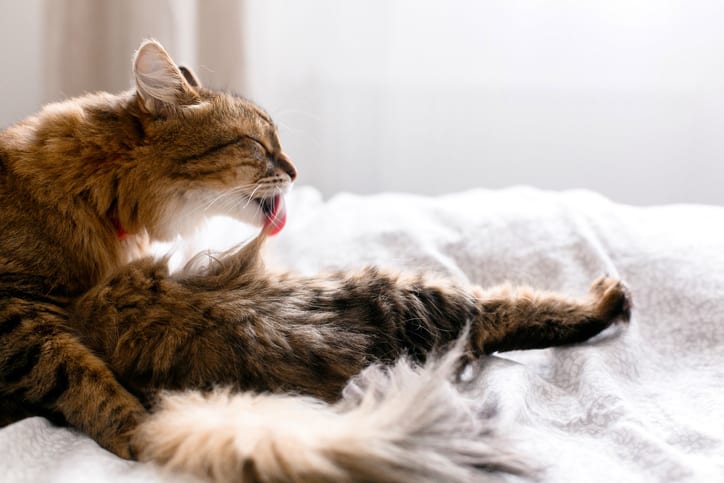
Cats groom themselves for several reasons, such as toning down their scent to avoid predators, cooling off, promoting blood flow, and distributing oils naturally through their coats.
Shared grooming sessions also serve as a sign of affection between cats, and experts also believe their saliva could contain enzymes that serve as a natural antibiotic.
However, they also purr when they’re sick, stressed, hurt, or even while giving birth.
Basically, don’t assume the sound means they’re happy.
46. Cute cat videos predate the internet.
This clip all but proves cat videos have been making the world go ’round long before they took up permanent residence on the top of the YouTube charts.
Thomas Edison (totally on brand) filmed two cats “boxing” inside a small ring in 1894.
45. Purring could help improve their bone density.
Experts, like associate veterinary school professor Leslie A. Lyons, aren’t sure why cats purr, but one hypothesis is that the sound frequency of a purr – between 25 and 150 Hertz – can “improve bone density and promote healing.”
She wrote in an article for Scientific American, “because cats have adapted to conserve energy via long periods of rest and sleep, it is possible that purring is a low energy mechanism that stimulates muscles and bones without a lot of energy.”
44. There was a video game based on Socks, President Clinton’s cat.
Socks, a black-and-white tuxedo cat, lived in the Oval Office during Bill Clinton’s tenure as President.
During the early 1990s. Super Nintendo Entertainment System created a game called Socks the Cat, which featured the First Feline in Chief.
It was never officially released and was even thought for a long time to have been lost, but recently collector Tom Curtin bought the only copy in existence.
He also purchased the rights and partnered with game publisher Second Dimension to bringSocks the Cat Rocks The Hill out in 2018.
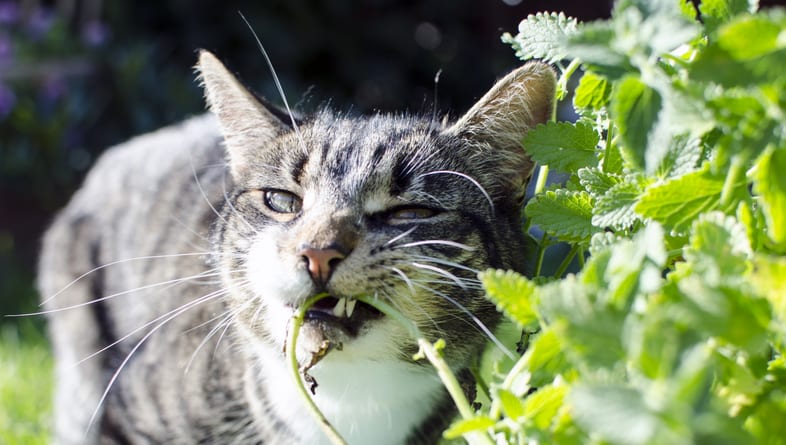
The herb catnip contains several chemical compounds, including one called nepetalactone.
Cats can detect that particular chemical compound with special receptors in their noses and mouths, which triggers those odd behaviors we associate with “kitty weed.”
That’s why you might see your beloved cat sniffing, shaking or rubbing their head, and rolling around on the ground.
In the 1960s, a man named Henry Helb lived in the Dutch Embassy in Moscow with two Siamese cats.
He noticed his pets were arching their backs and clawing at one of the walls, and Helb, convinced the cats could hear something he didn’t, went looking behind them.
He found 30 tiny microphones, and instead of busting the spies, he and his staff used them to pass wrong or irrelevant information onto whoever was listening.
If you’re a female cat, copulation isn’t the funnest time, and it could be part of the reason why they tend to be loners.
Male shafts are barbed in order to stimulate the female’s privates, which inspires an ovulation – and also keeps her from running away before he’s done.
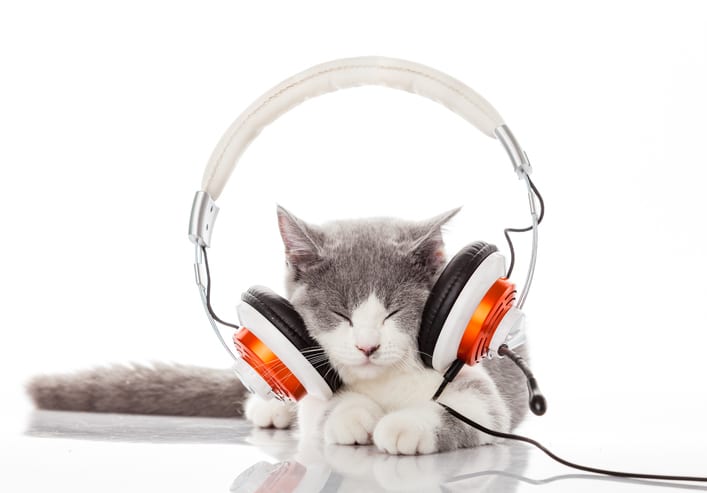
If you’ve ever heard cats yowling in the night (probably because a female is being forced into mating), you’re probably not surprised to learn they really don’t consider what humans listen to pleasant music.
At least they have people like composer David Teie on their side; in 2015 he partnered with animal scientists to make an album calledMusic for Cats.
According to his website, the songs are “based on feline vocal communication and environmental sounds that pique the interest of cats.”
Hmmm. I wonder if it’s on Amazon Prime Music…
36. College graduates are more likely to be cat owners.
According to 2010 research collected by the University of Bristol, people who have graduated from college are about 1.36 times more likely to own a cat than other people who own pets.
After studying the more than 3,000 survey responses about the person’s pets, geography, and academic history, researchers believe they can chalk up the slightly higher chance of cat ownership to the fact that they’re typically more low-maintenance than a dog, and therefore better suited to people with thriving careers.
A group of kittens all born to the same mama at the same time is called a “kindle,” and I have to believe that Amazon knew that when they chose the name for their e-reading – cats and books just go together, right?
If you’re curious, a group of adult cats roaming the street isn’t a pack – it’s a “clowder.”
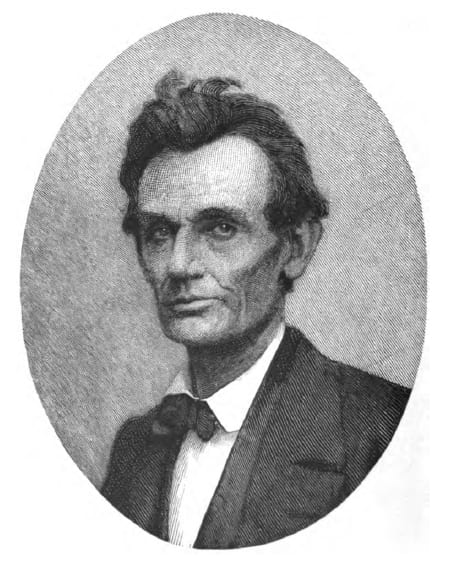
Abraham Lincoln could vie for the craziest cat man in history, though – once, when his wife Mary Todd asked about Abe’s hobbies, he reportedly replied “cats!”
It should be noted that Lincoln also owned and loved dogs, which proves he was just an all-around good guy in my book.
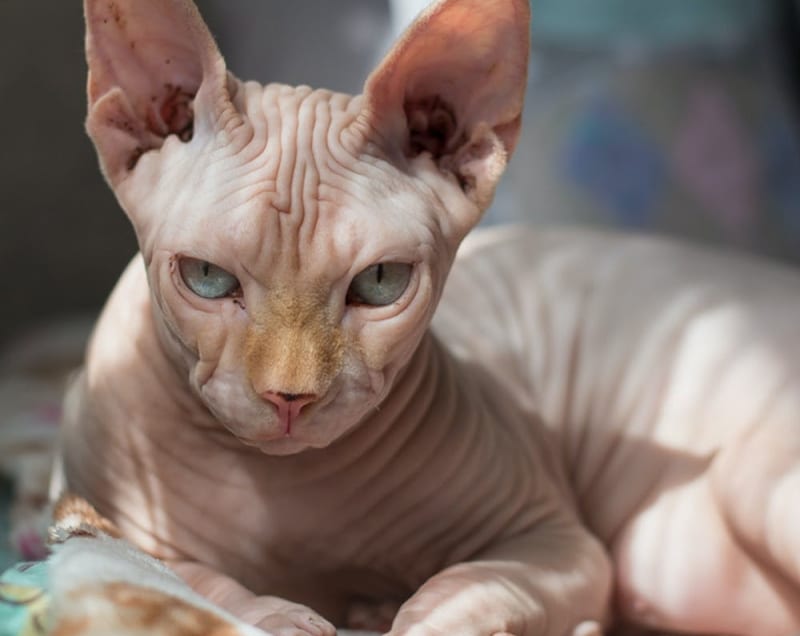
Specifically, Sphinx cats are hairless, or furless, but still manage to maintain an average body temperature around four degrees warming than a typical cat.
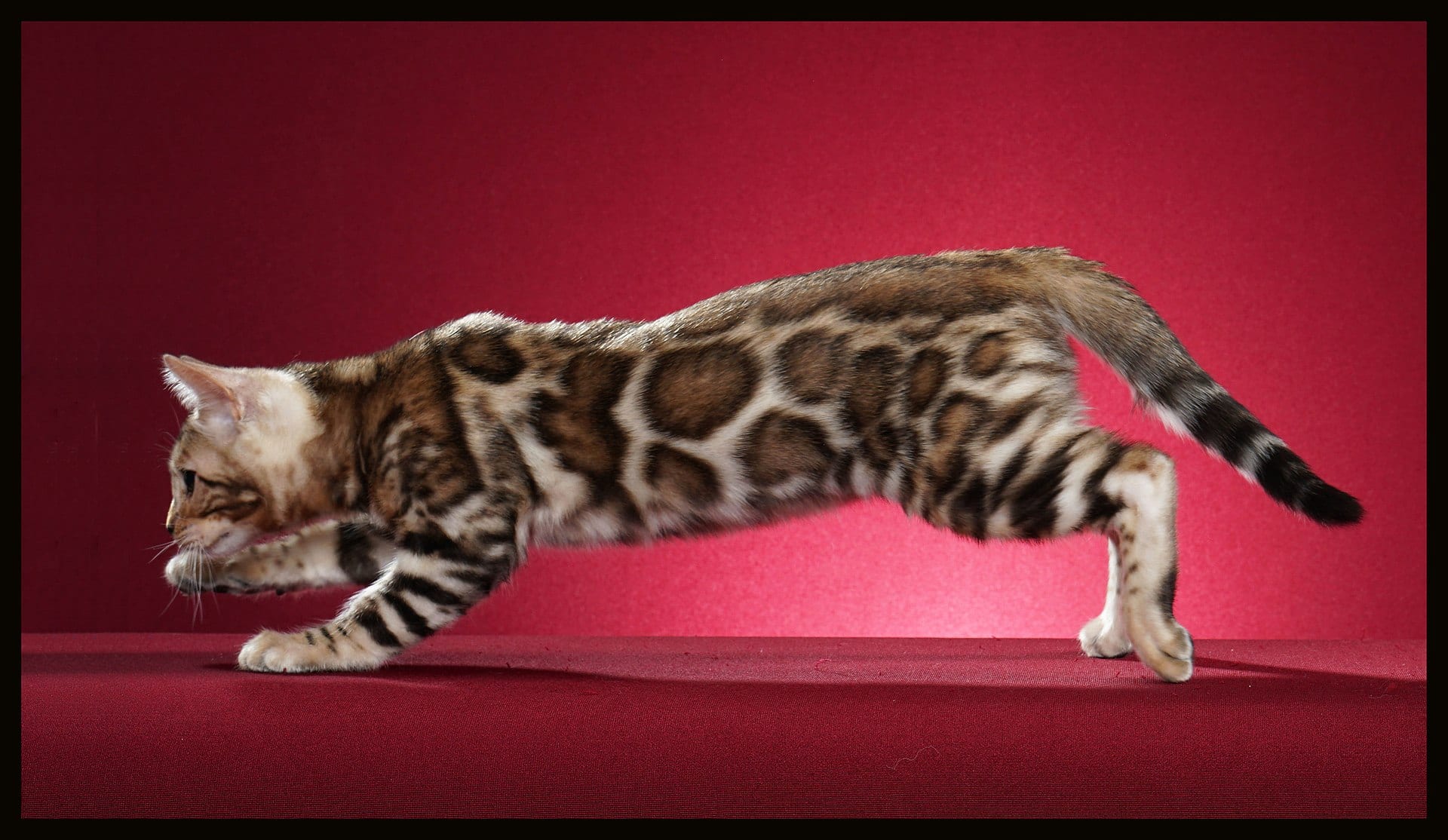
Some cats doenjoy the occasional dip, though, including the Turkish Van, Maine Coons, and Bengals – no matter the species, there always have to be a few who go against the grain!
26. The world’s oldest living cat is a thirtysomething.
The average lifespan of a cat is between 12-18 years, and while most of us have known a cat who made it to – or a bit beyond – that upper threshold, I doubt they’ve lived to be 35.
The current oldest living cat just passed his 35th birthday – he’s a tabby living in Britain, and his name is Henry.
25. But there’s no Guinness World Record for the fattest cat.
There used to be records for the fattest animals, but Guinness found that people are terrible (not news) and would intentionally overfeed their pets in an attempt to get into the record books.
If there were a record attained somewhat naturally it would be Katy, a Siamese cat who lived in Asbest, Russia.
She was given hormones to stop her from mating and the treatment had a surprising side effect: it made her ravenous.
So ravenous, in fact, that at one point she weighed more than 50 pounds.
The phrase “if it fits, I sits” means cats will squeeze themselves into very small spaces whenever possible, and animal experts think that’s because it makes them feel more protected, secure, and important – sort of like being back in the womb.
Shelter workers have known this for some time, as any time they’re given boxes to snuggle in the adjust more quickly and are less stressed than cats left alone in their cages.
Sleeping in a smaller space also helps cats retain more body heat, and so they can stay relaxed and get more rest, too.
23. A massage from a cat is more than a kind gesture.
You might find it sweet when your cat kneads your leg or your belly (as long as their claws stay retracted), but experts believe your cat is actually marking you as part of their territory through the process.
Cats have scent glands in their paws, which is part of why kittens knead their mama’s belly while nursing – it stimulates milk production.
So it makes sense that if the behavior carries over to adulthood, those glands would still be useful for something.
Cat experts do know why kittens meow – it’s to get their mother’s attention – but as to why full-grown cats might do the same, they’re not totally sure.
They think the behavior grew out of their connection to humans, since cats don’t meow when interacting with other cats.
Instead, they use those noises they made as kittens to convey their emotions and needs to their human “parents” in the same way.
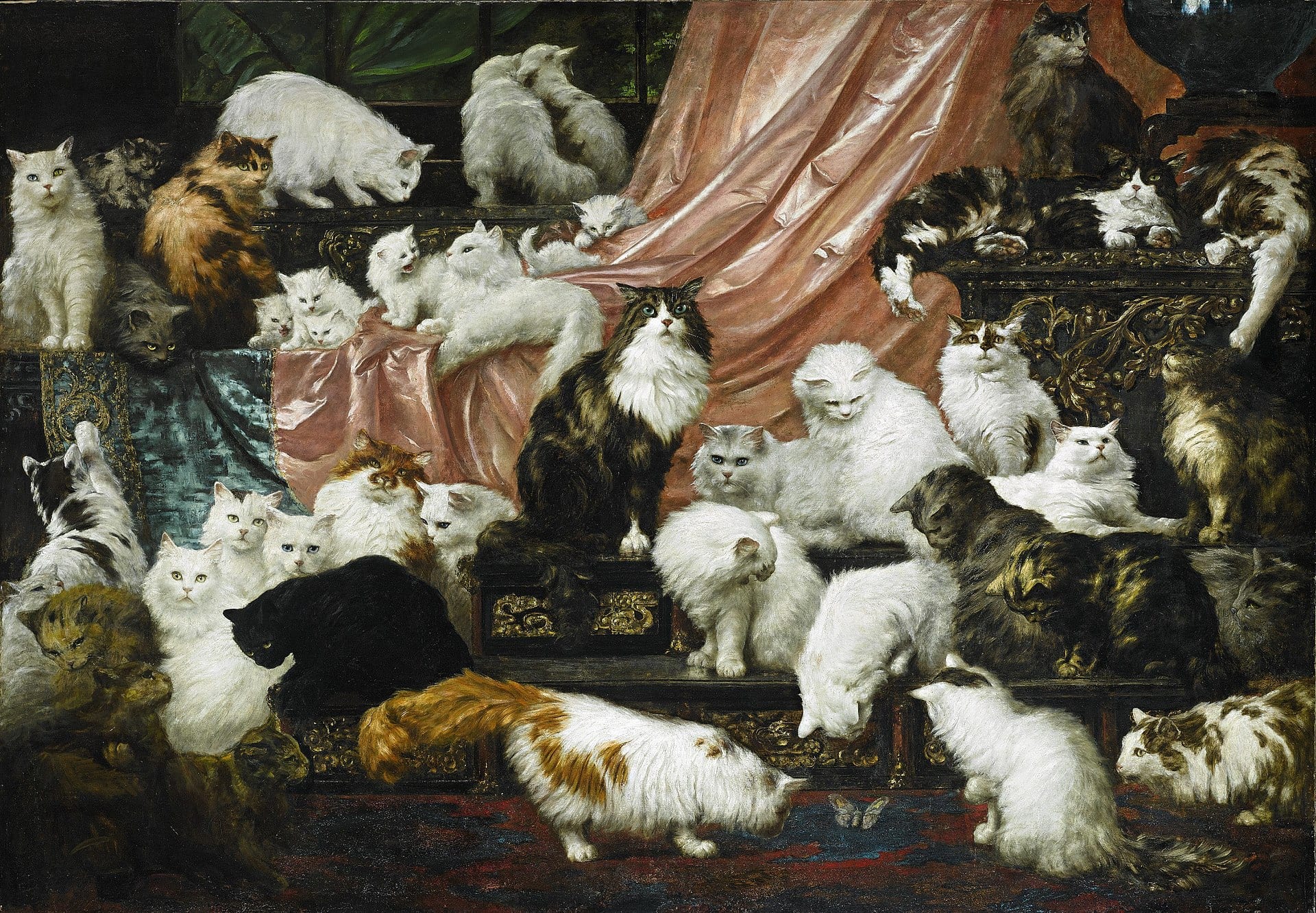
21. At least one cat painting is worth nearly $1m.
More often than not, cats do land with all four paws solidly on the ground.
Cats have a great sense of balance, even when they’re falling, and can use their flexible backbone to adjust their bodies in the air.
The can also spread their legs out to “parachute” down, and since they’re small and light-boned, that often means falls won’t be as hard as they would be for another creature.
That said, people shouldn’t go around testing this theory, because the cat could get hurt – it’s not a 100% of the time thing.
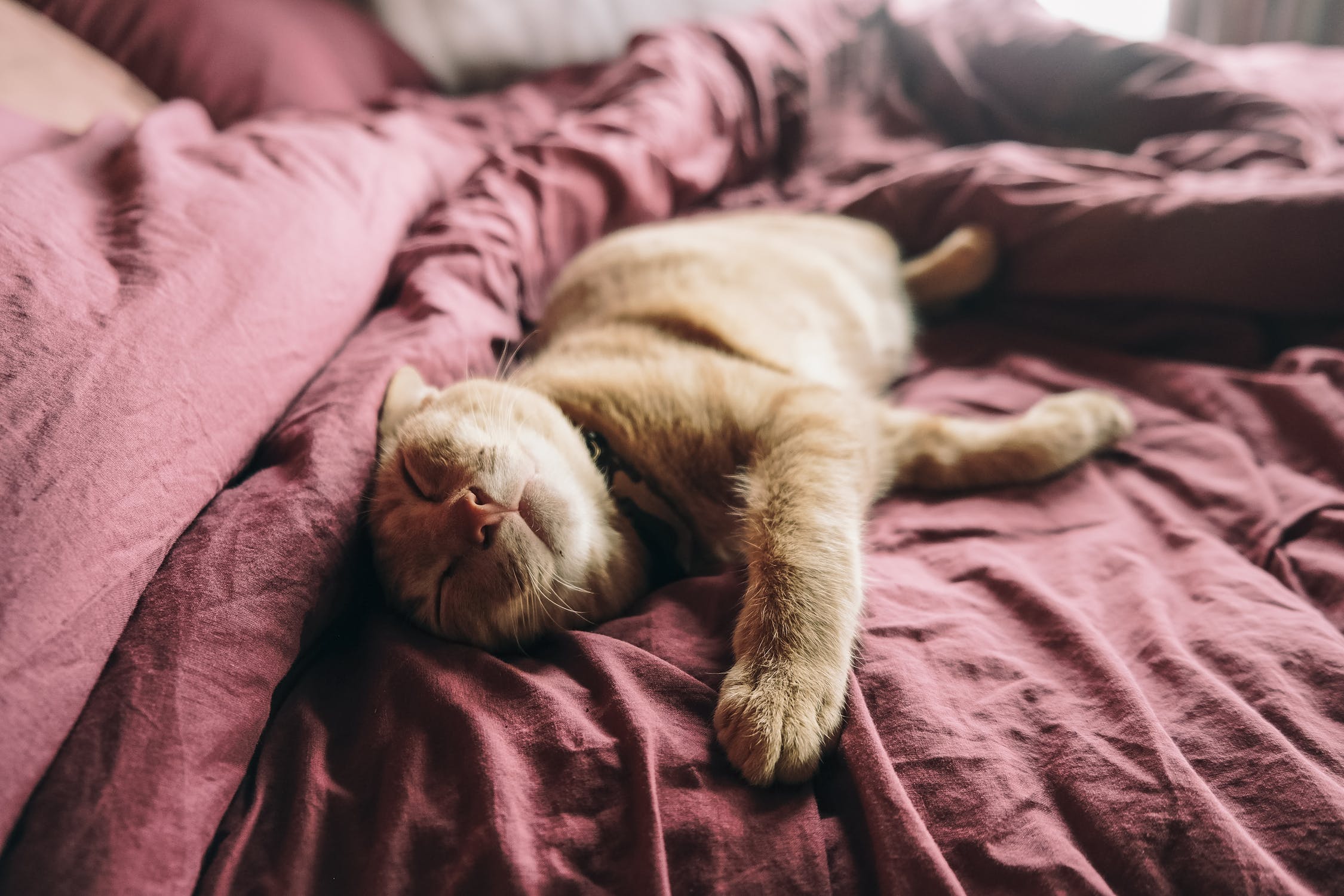
18. They spend the majority of their lives asleep.
A 2018 survey found that the most popular cat breed in America was the Exotic – a flat-faced cat that’s basically a short-haired version of a Persian cat.
The second most popular was the Ragdoll, with the British Shorthair coming in 3rd.
Personally, my favorite is “the cat who showed up on my porch and wouldn’t leave.”
Bodegas are known for keeping a resident feline, and the Algonquin Hotel, which has graced midtown Manhattan for a century, also has kept a lobby cat since the early 1920s.
The current resident is known as Hamlet. He assumed his post after the passing of Matilda III, who “moved on” in October of 2017.
15. T.S. Eliot thought cats were downright poetic.
We know because in the 1870s, the city of Liege, Belgium, tried giving them the job.
Their attempt to train 37 cats to deliver letters in waterproof bags tied to their necks didn’t go all that well – the letters were late when they got to the correct address at all.
Anyone who has ever tried to train a cat is not surprised.
Dogs, horses, and other breeds might come to mind first when you’re thinking about fast animals, but the fact is that your house cat could probably give some of them a run for their money.
The average running kitty can clock around 30mph, after all, so don’t bother giving chase if one darts away from you.
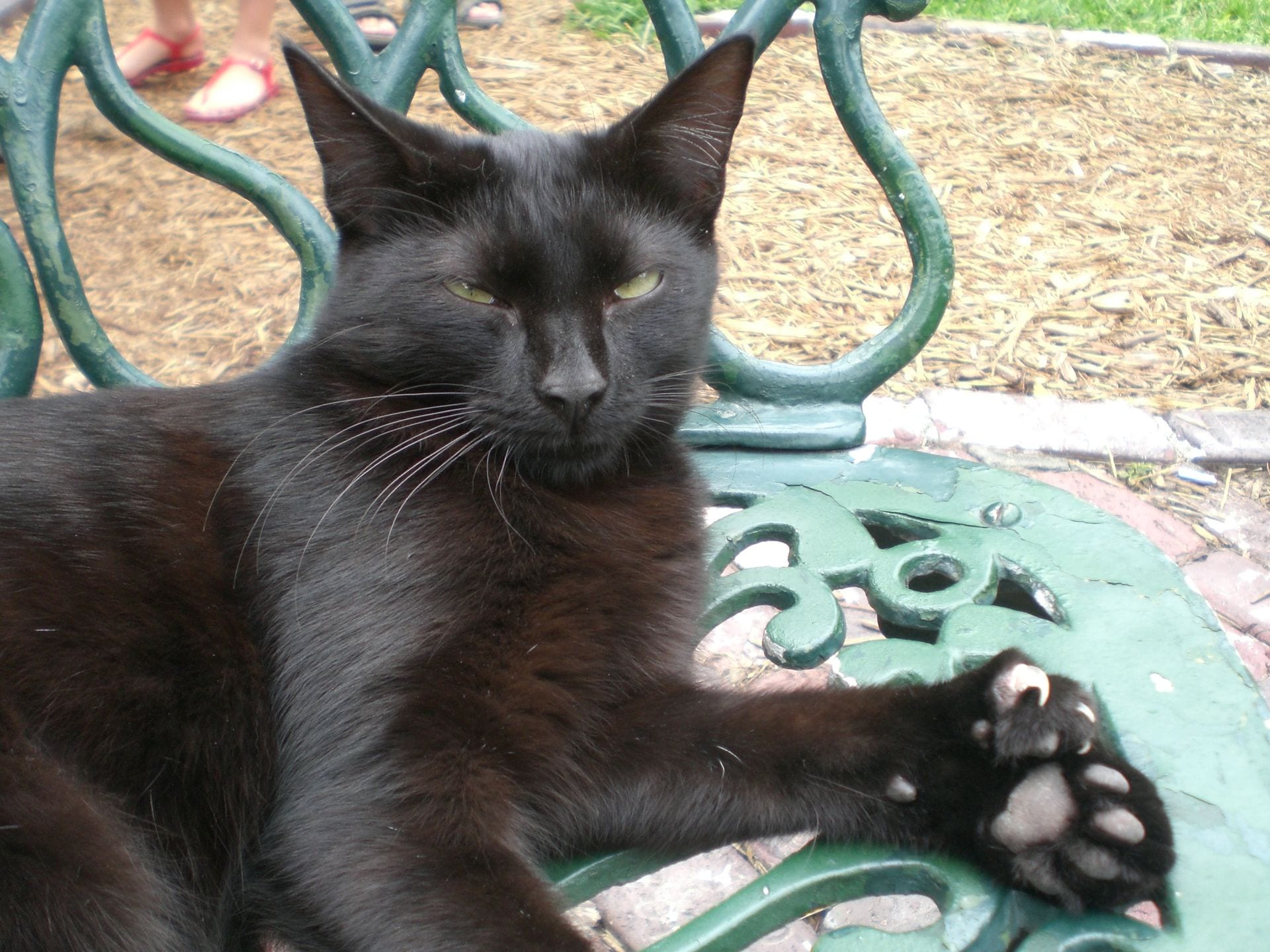
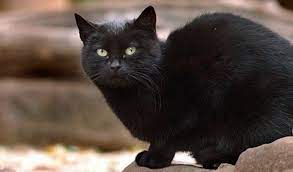
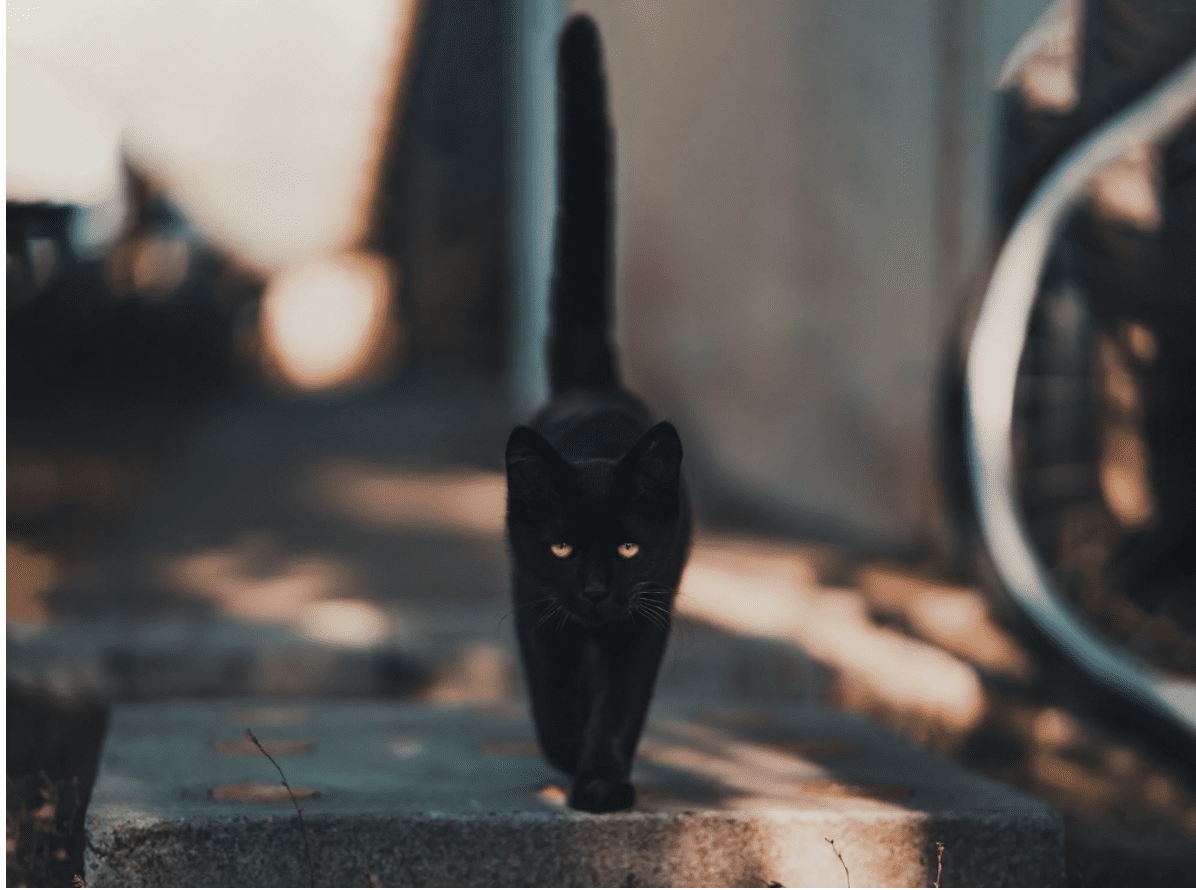
All across Western civilization, you’ll find the myth that black cats are a bad omen, but no one really knows how it began.
As early as the Middle Ages, superstitions arose surrounding black cats being the reason for the plague pandemic.
Little did anyone know that by expiring cats, they were also getting rid of the best chance they had to get rid of infected rats, who actually carried the disease.
They eventually became associated with witches, because older, single women often adopted alley cats as companions.
4. In some countries, black cats are considered good luck.
In the United Kingdom and Japan, however, a black cat is a symbol of fortune.
New brides are given black cats to bless their marriages in England, and in Japan, they’re considered particularly lucky for single women.
The Germans throw their beliefs way back to Ancient Rome, when anything that came from the left was ominous – so a black cat crossing from left to right was a bad sign, but if it crossed from right to left, the omen was good.