15 People Share the Things They Believe Have Not Aged Well

Some pieces of technology and pop culture are as (or even more) applicable today as they were the day the made their way into the world.

Others, well…not so much.

For me, one of the most glaring examples of a television show from my youth that is pretty cringe inducing now is Friends. I can hardly watch it (though the younger generation doesn’t seem to have a problem with it).

Below are 15 more things that people on Reddit say should stay forgotten in the past – where they seem to be stuck.

15. This is actually kind of meta, in hindsight, so still funny?

14. This is pretty eerie and not at all cool.

13. So awkward.

12. Just everything about her, really.

11. People on my timeline still do this.

10. Yeah, that’s definitely problematic.

9. This is just awful. But honestly? Not a fan of the entire film. #sorrynotsorry

8. This one just made me laugh. Sorry, 3rd grade teacher!

7. That’s tough luck, my friend.

6. As long as kids are telling their parents to take them to the movie, it doesn’t have to be good.

5. Talk about cringe-inducing.

4. It’s creepy AND icky.

3. I mean anything Cosby is pretty much cancelled.

2. No backsies on baby names.

1. This guy. Ugh.

Some of these sure are a blast from the past!

Do you agree? Disagree? Have something to add? Sound off in the comments!

The post 15 People Share the Things They Believe Have Not Aged Well appeared first on UberFacts.

This Map Shows the Cost of a Date Night in Every State

Maybe you can put a price on love…

Have you been on any dates lately? The money can really add up.

Recently, I took a girl out for a nice meal (Sonic Drive-In) and then to a free Bingo Extravaganza at the local Knights of Columbus Hall. I wonder why I haven’t heard back from her yet…

Anyway, the point is that dating in this day and age is EXPENSIVE. Obviously, taking a date out for a night on the town varies from state to state because of the cost of living, but across the board, it’s pretty pricey.

Match.com crunched the numbers, and in some places, a date is gonna hit you in the wallet harder than others.

A lot harder.

The top five most expensive states for a date night are:

New York, $297.27

New Jersey, $259.60

Hawaii, $239.95

Connecticut, $230.34

California, $226.35

It’s probably no surprise that the tri-state area around New York has three of the top-five most expensive entries. Although…$200??

The two least expensive states for date night? South Dakota and North Dakota, at $38.27 and $42.43, respectively. Those cold and snowy Dakotas aren’t looking that bad right now, are they?

Of course, the amount of money people spend on dates is going to vary wildly. Some folks prefer to be big spenders and wine and dine a guy or gal and drop hundreds of dollars. Others prefer to take a walk along the beach or go on a long bicycle ride together.

And, let’s face it: if you’re with the right person, getting stuck in an elevator can turn out to be a good time. Good luck out there in the dating world!

The post This Map Shows the Cost of a Date Night in Every State appeared first on UberFacts.

A Scientist Proposed Eating Human Flesh to Combat Climate Change — and It’s Not a Joke

Let’s get the good news first: scientists are coming up with creative ways to battle the effects of climate change. The bad news is that one of them involves cannibalism.

The NY Post reports that a Swedish scientist suggested eating human flesh to combat climate change at a recent summit in Stockholm.

Magnus Soderlund of the Stockholm School of Economics believes that people should consider eating meat derived from already-dead human bodies. Indeed, he presented an entire panel on the topic called “Can You Imagine Eating Human Flesh?”

In the talk, Magnus asserted that “conservative” taboos against cannibalism could change if people simply tried it. He also questioned whether humans are too selfish to “live sustainably” and claimed that cannibalism is the solution to sustainability.

As for himself, Magnus said he’d consider eating human flesh.

“I feel somewhat hesitant but to not appear overly conservative … I’d have to say … I’d be open to at least tasting it,” he told Sweden’s TV4.

Cannibalism is a risky proposal, however. It’s not like history isn’t FULL of examples of people resorting to eating each other, and scientists know that the practice is a health hazard. It can, and has, led to the spread of scary infectious diseases.

In other words, there’s a very good reason why cannibalism is taboo in most societies.

And there’s a very good reason why this scientist’s proposal is now being clowned on Twitter. Thankfully, he did have some more reasonable solutions in mind, such as eating insects.

Yum.

The post A Scientist Proposed Eating Human Flesh to Combat Climate Change — and It’s Not a Joke appeared first on UberFacts.

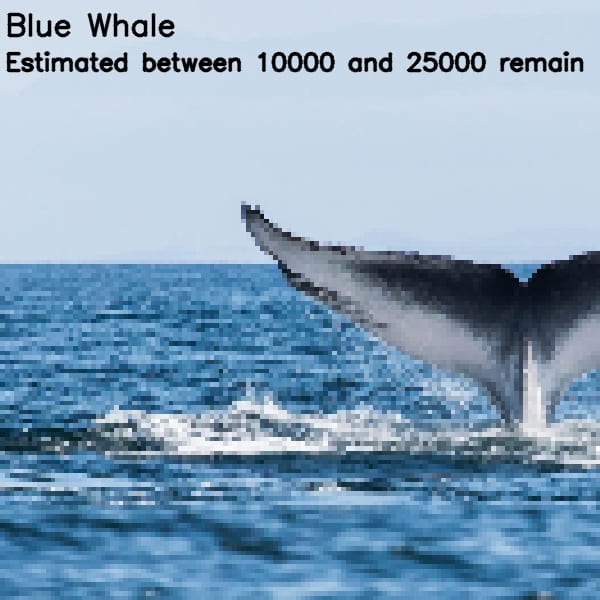
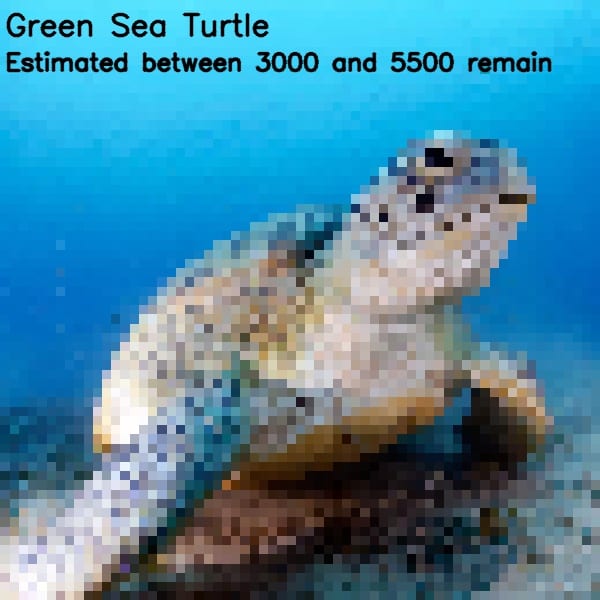
These Pictures of Endangered Animals Have as Many Pixels as There Are Remaining Members of the Species

We’re seeing a mass extinction of animals and plants from the face of the earth at a frightening pace. It’s strange to think that our children or grandchildren will live in a world where giraffes or white rhinos could cease to exist in the wild – could, perhaps, vanish altogether.

Every Pixels is one animal. The more pixelated the image, the closer it is to extinction.

The World Wildlife Fund wanted to shine a spotlight on the often-forgotten but still looming tragedy, so they worked with creative designers Nami Hoshino, Yoshiyuki Mikami, and Kazuhiro Mochizuki at Hakuhodo C&D in Tokyo to create the concept of population pixelation.

Image Credit: JJSmooth44

Image Credit: JJSmooth44

Recently, Imgur user JJSmooth44 made a followup to the project then posted it on Imgur and Reddit, and people seem just as taken.

Image Credit: JJSmooth44

Image Credit: JJSmooth44

The results, as you can see, are stark and sad.

Image Credit: JJSmooth44

Sadder still? These population declines are all driven by humans.

Image Credit: JJSmooth44

Image Credit: JJSmooth44

Will we do something to turn the tide in time?

Image Credit: JJSmooth44

That remains to be seen.

Image Credit: JJSmooth44

But as long as there are a few pixels left, there’s still hope.

The post These Pictures of Endangered Animals Have as Many Pixels as There Are Remaining Members of the Species appeared first on UberFacts.

Your Daily Cup of Tea Might Contain Billions of Microplastics

Let’s start off by saying this: there is no science, as of today, that proves (or disproves) that microplastics are harmful to human beings.

As of today is a pretty big qualifier here, though, and most people believe that inhaling, touching, and/or ingesting tiny plastics all day every day can’t be the best thing in the world.

So your tea? It might be trouble, my friends.

View this post on Instagram

PLASTIC FREE TEA ANYONE? ?‍♀️?‍♂️? . For any tea lovers, we always recommend to have your tea loose and brewed with stainless steel (or other food-grade metals), glass, or ceramic strainer. . Why? Because most of the tea bags sold in the stores are made of plastics and they are releasing billions of micro & nano plastics when came in contact with hot water. Afterall, all we want is a nice cup of tea, not a cup of microplastic brew, don't we? . Both loose tea (with many variants!) and stainless steel tea strainer are available in our stores. You can pop by to see our selections or simply visit our web to have yours delivered right to your doors with our #refillservice! Ps. Keep an eye out on tomorrow #igstories as I will be heading to one of our organic tea garden supplier ? . ? @easyecotips . #zerowastebali #zerowastefacts #plasticfacts #plasticteabags #breakfreefromplastic #balibulkfood #loosetea #naturaltea #plasticfree #teaaddict #tealover

A post shared by BULK FOOD, ECO SHOP & ONLINE (@zerowastebali) on

Recently, many tea manufacturers have begun replacing paper teabags with plastic (silken) ones that are both terrible for the environment and, it turns out, capable of releasing loads of microplastics.

Microplastic particles are around 100 nanometers to 5 millimeters in size, and when they get into your teach, you eat them.

The report was published in Environmental Science & Technology by researchers from McGill University in Montreal, and their findings came from examining 4 different types plastic teabags. They heated the bags in water around 200 degrees F (after emptying the bags of tea) and then used electron microscopes to analyze the contents of the water.

View this post on Instagram

Tea drinkers beware!! Coincidently after drinking this tea last night (a single bag in my tea collection), and article came out today about how some tea bags are made with plastic, and that at a brewing temperature of 95 degrees releases 11.6 billion microplastics into a single cup. ?While the #worldhealthorganization says there is no evidence of microplastic having health risks for humans?a research team from McGill University in Montreal ??believes more research has to be done. (We agree!!!) Just because there is no ‘evidence’ – we’ve seen the effects on marine life…it doesn’t take a rocket scientist to determine this certainly can’t be a good thing!! I’m going to stay away from plastic tea bags (#Teavana, #Tazo) and check for compostable tea bags – thankfully my normal brands(#traditionalmedicinals, #numitea, #yogitea, #stashtea and others, check packaging!!) or use loose leaf in a metal infuser…?just in case?Full article : https://www.newscientist.com/article/2217483-plastic-tea-bags-shed-billions-of-microplastic-particles-into-the-cup/ #beachrelief #tea #plasticteabags #compostableteabags #teatime #cupofplastic #cupoftea

A post shared by Beach Relief (@beachrelief_intl) on

An average of 11.6 billon microplastics and 3.1 billion nanoplastics were in the water.

The bags are made of a blend of nylon and polyethylene, a form of plastic that’s also found in water bottles.

Like I said up front, the potential effects on human health aren’t known, and the WHO has said that microplastics in drinking water probably won’t harm our bodies…at least not “based on the limited information we have.”

“To date, the health effects of consuming micro- and nanoplastics to humans are still unknown, while the sublethal effects observed in the present study and in other animals (e.g. algae, zooplankton, fish, mice) give an early warning of both environmental risk and possible human health risk,” say the researchers.

That said, scientists around the world have concerns.

“One of the main potential human exposure pathways of micro- and nanoplastics is likely via ingestion, and particle uptake may occur in the digestive tract. Once inside the digestive tract, cellular uptake and subcellular translocation or localization of the ingested particles may occur.”

If you want to try avoiding microplastics just in case, well, good luck. They’re everywhere, from rainwater to snow, in your food, your water, the soil, and so on.

A 2019 study found that the average American consumes over 74,000 of the particles every year.

Which I guess wasn’t accounting for any cups of tea consumed.

I guess we’ll find out eventually whether they’re harmful or not. Hopefully not in the worst way possible.

The post Your Daily Cup of Tea Might Contain Billions of Microplastics appeared first on UberFacts.

People Are Surprised About Where Cashews Really Come from

Prepare to be deeply confused and a little scared about where cashews come from. The truth is so weird that people on Twitter can’t stop talking about it.

First of all, these delicious nuts grow on trees. That in itself is not so surprising, as many types of nuts grow on trees—but it’s not the weirdest part by far.

Nope, that would be the fact that they grow from these things.

Excuse me, is that a nut or a monster?! I don’t know anymore.

That apple-looking thing is apparently called a “cashew apple,” which grows from the branches of the cashew tree. The shell below the apple contains the actual cashew.

To get to the nut, you have to pick the entire thing, cashew apple included, from the branch. Then you pull off the shelled nut, dry it, steam it, freeze it, and boil it to remove the shell. The shell is filled with caustic acid, so this is no joke—in fact, the extracting the nut is so grueling and dangerous that picking cashews is sometimes used as penal work in south- and southeast Asia where they grow.

Cashews are delicious and healthy, but are they really worth all this effort? Whose idea was this, anyway?

People on Twitter are understandably freaking out about the news.

“Who knew cashews look like angry, old men yelling at you to get off their lawn as they grow?” one user wrote.

Others pointed out that the middle cashew in this photo looks like it has a face.

FYI, you can eat cashew apples, too. The flesh is quite bitter, though, so it’s best to process it for jam or juice.

Now, excuse me while I go have nightmares about cashews for the rest of my life.

The post People Are Surprised About Where Cashews Really Come from appeared first on UberFacts.

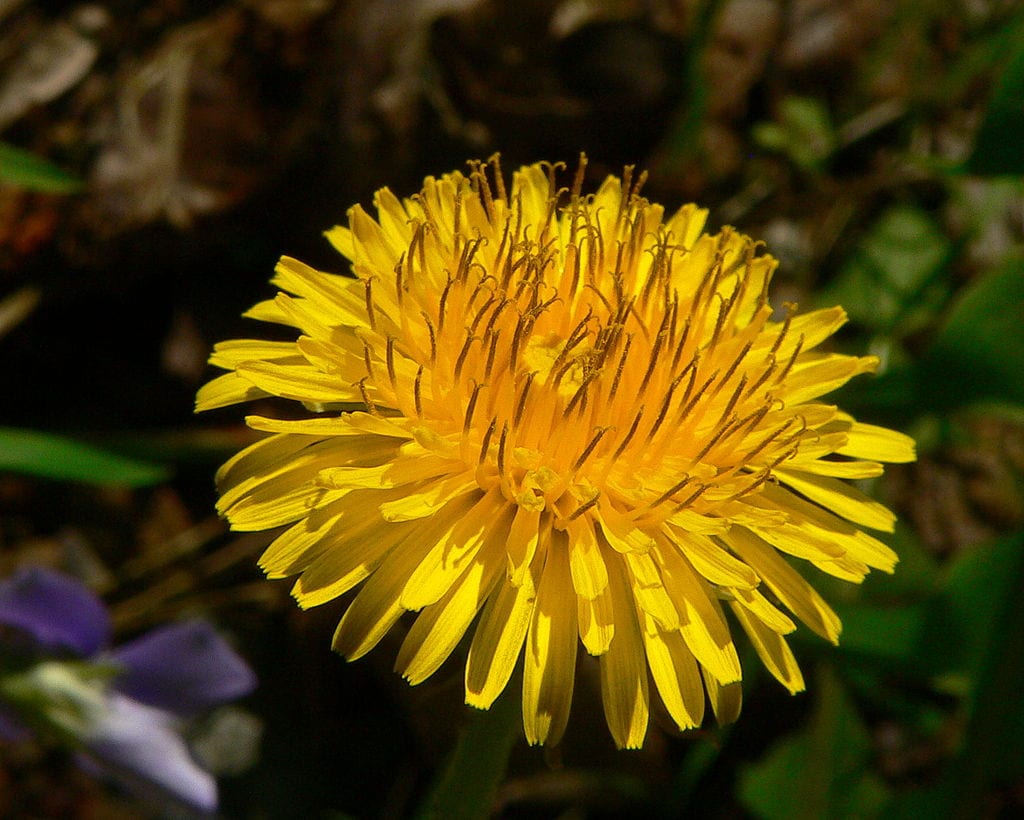
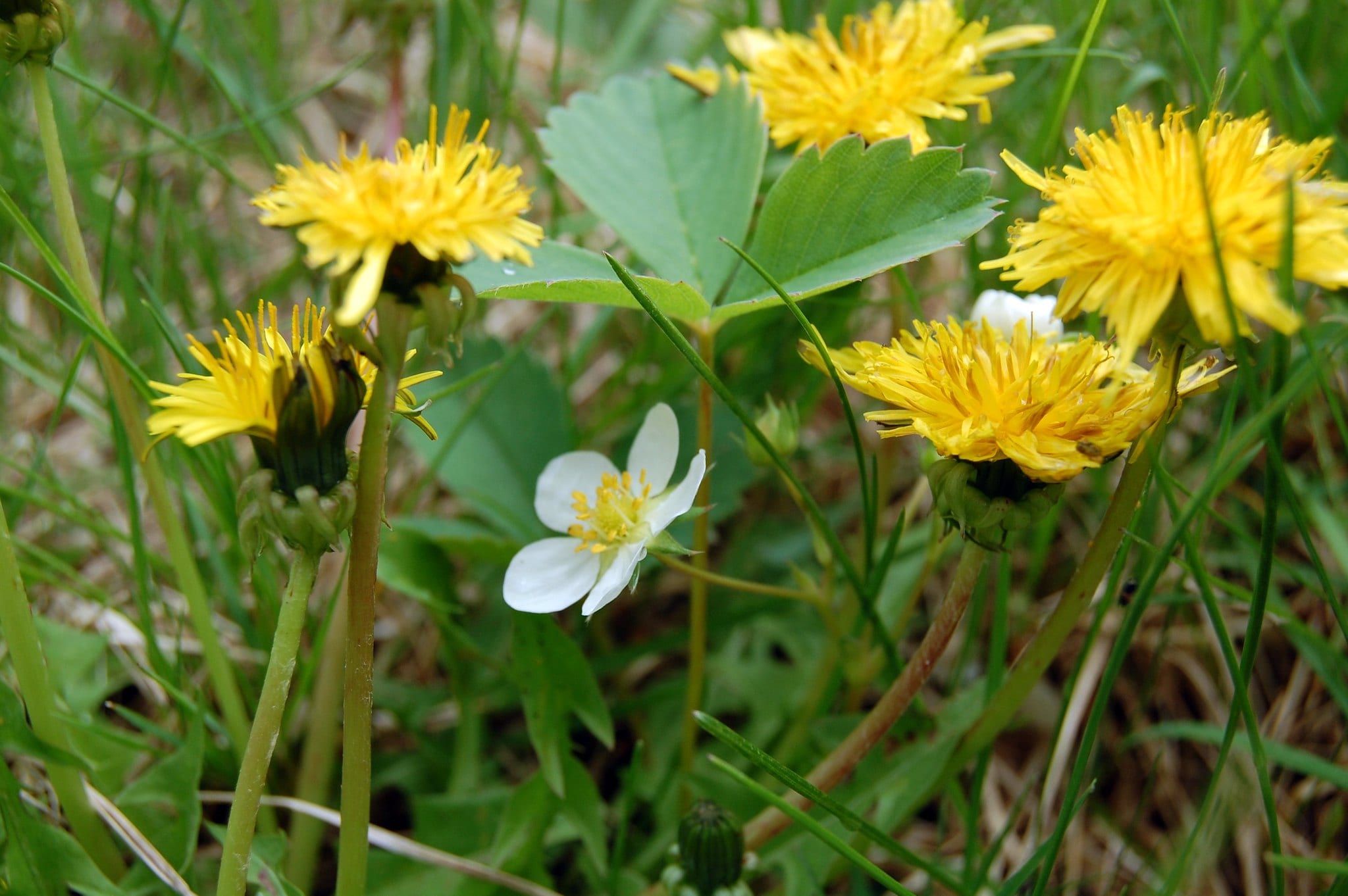
These Dandelion Health Benefits May Convince You Not to Treat Them like Weeds Anymore

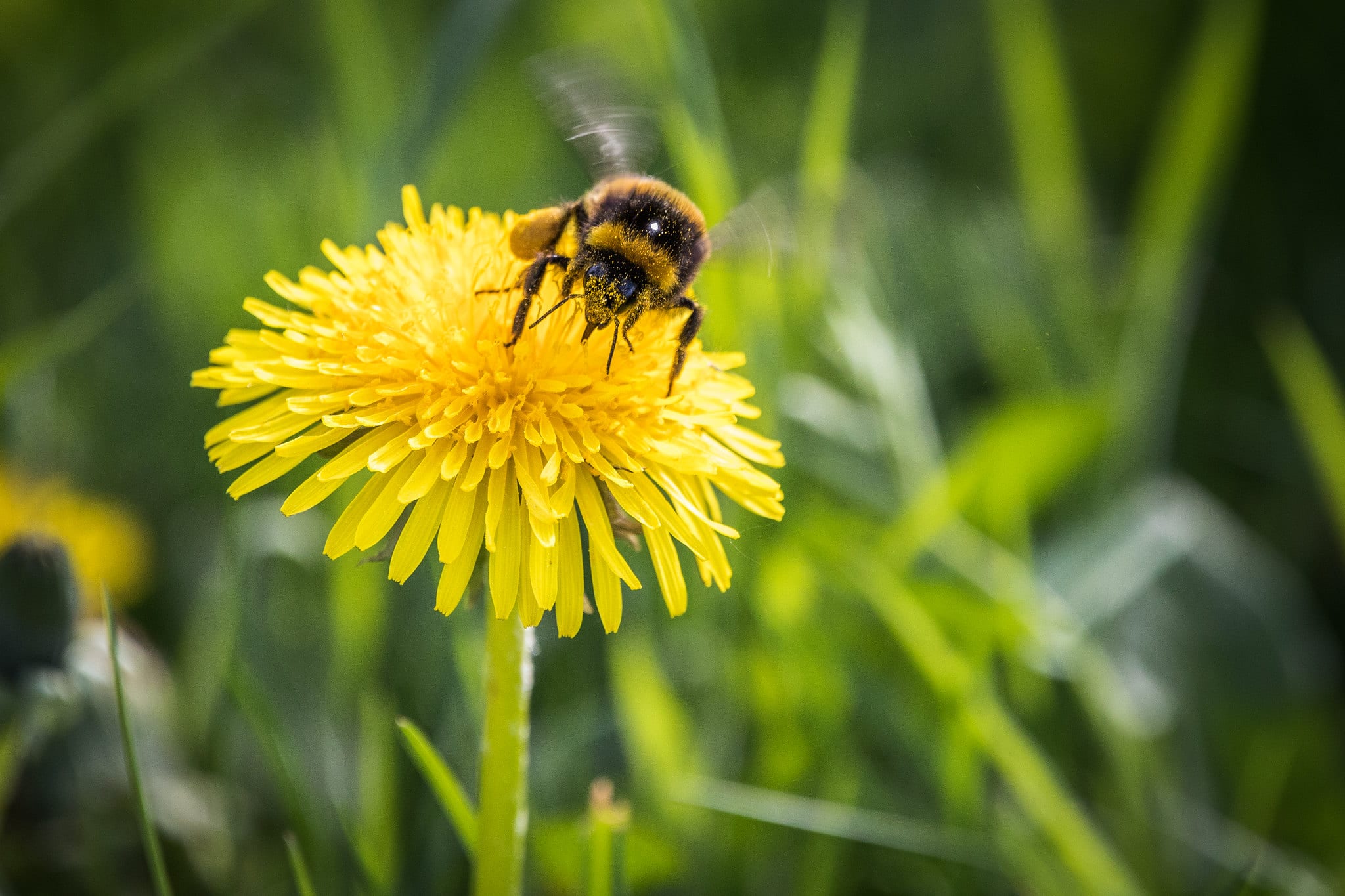
They’ve long been touted for their healing and restorative powers in the naturopathic community. Now, even the more scientific minded are starting to take notice of this humble backyard flower.

Also known as Taraxacum spp., with Taraxacum officinale the most common variety, these plants are typically dismissed as weeds. Homeowners hate them and will go to great lengths to get rid of them.

But dandelion are slowly showing us they are worth keeping around. So scroll through these 7 reasons why you should put away the weed killer and discover the potential benefits of dandelion.

1. They are good to eat.

This one doesn’t need any additional evidence—people have been eating dandelions for ages. The plants and flowers are full of nutritients, including vitamins A, C, K, E and small amounts of B vitamins (like folate), as well as antioxidants, like beta-carotene.

Photo Credit: Wikimedia

2. They may fight inflammation.

Some studies have shown a reduction in inflammation markers in cells when dandelion compounds are applied—although these results haven’t been verified in humans yet.

3. They may help control blood sugar.

Studies show compounds found in dandelions can improve the pancreas’ insulin secretion and improve the absorption of glucose, or sugar, in muscle tissues.

Photo Credit: Pexels

4. They could help improve cholesterol levels.

Studies with mice and rabbits have shown that test animals that have been fed a diet high in cholesterol and then treated with dandelion extract ended up with lowered cholesterol levels.

5. They may help reduce blood pressure.

Dandelion is a known natural diuretic, and Western medicine credits reducing fluids in the body as a way lowered blood pressure. Also, dandelion is rich in potassium, which is also known for lowering blood pressure.

Photo Credit: Flickr

6. They may keep your liver healthy.

Animal studies show dandelion extract reduced the levels of excess fat stored in the liver and defended against oxidative stress in liver tissue.

7. They may help with losing weight.

Dandelion could possibly help with weight loss by improving carbohydrate metabolism and reducing fat absorption. Chlorogenic acid, one of the compounds found in dandelion was shown to aid with reducing body weight and levels of some fat-storage hormones in obese mice.

Photo Credit: Flickr

Though these results are exciting, many of these studies were done on animals or cell cultures in petri dishes—very few involving any testing on humans. Much more research is necessary before medicine declares the dandelion a miracle treatment, but the preliminary findings are showing there are benefits of keeping dandelion on hand.

Or in your lawn.

The post These Dandelion Health Benefits May Convince You Not to Treat Them like Weeds Anymore appeared first on UberFacts.

This Is How to Win Monopoly, According to the Experts

These little tidbits of advice on how to win got me running to pass go and collect my $200!

The game of cutthroat business was invented in 1906 by American anti-monopolist Lizzie Magie (ironic, the way the game has come to be viewed) and was later licensed by Parker Brothers in 1936. It’s a game of control, winning properties and building hotels to win millions and send your competition into bankruptcy.

Exciting, right?

Maybe not for some. But for those of you who want to learn a little strategy to take down your family champion, keep reading.


Buy up every property you land on

When you start hopping around the board, you should buy up any properties you land on. This strategy does work. Trust me, I still have bragging rights in my home as the monopoly champion! But you don’t have to take my word for it: here’s what Flynn Zaiger, who is the founder of the Tulane University Board Games Club, confirms.

“From the start of the game, it’s a good idea to buy as much as possible,” Zaiger told Reader’s Digest. “Unlike real life, in Monopoly, it’s rarely good to save. You don’t earn any interest from the money you have, whereas property you purchase will always have a chance to be bringing in dollars.”

The reason for this is to amass as many properties as possible to start building houses – that’s when the money starts rolling in.

Know which properties are the best, and should never be passed up.

Think like how real-life real estate investors think. They buy property in places that will most likely be seen and shopped at by consumers. In Monopoly, it’s the same. Focus on orange properties like New York Avenue and St. James Place and the red ones, such as Kentucky and Indiana Avenue. In fact, all “corner” properties are special.

“Statistically speaking, the most common spaces on the board to land on are those between Jail and Free Parking, and Free Parking [and] Go to Jail,” Zaiger explains. “When given a chance, trade/build on those five monopolies: light blue, pink, orange, red, and yellow.

View this post on Instagram

Road Trip

A post shared by Doctor Blacklight (@doctorblacklight) on


Only buy houses. Forget the hotels.

I always liked the aesthetic of the little red buildings. It made me feel like the Queen of Boardwalk. But did you know there are only 32 houses available to play with? And this is intentional.

Dary Merckens, who is the CTO of Gunner Technology and huge fan of the iconic board game says,

“Once those 32 houses run out, nobody can build any more houses on any of their properties. You want to be building houses right away, and if you ever get a monopoly, throw three houses on that sucker as fast as you can. You want to exhaust the supply of houses available.”

OMG! I can’t believe I didn’t know this! You can really put the other players in a pickle by not giving up your houses. According to Zaiger:

“The first player to get a monopoly on the board has the best chance at bankrupting their opponents before they can do the same to you. Building houses is essential to taking down the competition. Even if you don’t have a lot of money remaining, you should do everything you can, including trading and mortgaging, to get up to at least three houses on a property.”

Learning about the right investments while playing is important. Back to Merckens:

“Your primary goal should be to have all the houses on all of your properties, which effectively stops your competitors from building any houses on any of theirs.”

View this post on Instagram

#monopoly #macrophotography #classic

A post shared by ????????? ?????? ? (@francisco_abregoooo) on

Other awesome tips

Buy railroads! It’s easy passive income when players land on it. The more railroads you own, the higher the rent. It starts at $25 for one railroad up to $200 if you own all four.

And if you end up in jail at the end of the game? It may not be worth leaving.

“Towards the end of the game, don’t be afraid to hang out in Jail,” Merckens says. “It might be the safest place to be and your competitors might go bankrupt while you’re chilling in prison.”

There you have it!

These secret weapons are the best in your arsenal when playing in any high-stakes game. Get out and win!

The post This Is How to Win Monopoly, According to the Experts appeared first on UberFacts.

In 2014, Christians in South Korea put…

In 2014, Christians in South Korea put up a giant Christmas tree which was visible from the North Korean border. The North Koreans claimed it was a tool for psychological warfare and demanded it be taken down. The defence ministry claimed the tree was dismantled for safety concerns.