In the Last Two Years, Scientists Have Discovered over 50 Species of Plastic-Eating Fungi

This is great news!

If you feel a pang of guilt every time you throw a piece of plastic away and start spiraling into anxiety about the impending climate apocalypse — here is some news that may brighten your day.

Plastic is infamous for its ability to pollute the environment for years and years without degrading. But because the planet is magical, there are certain organisms that can degrade plastic. Dozens and dozens of them, apparently.

In 2011, students at Yale discovered a plastic-eating fungus in Ecuador called Pestalotiopsis microspora. This fungus can digest polyurethane, even in an air-free environment (like the bottom of a landfill).

Photo Credit: iStock

This breakthrough was already good news, but as researchers continued to turn their attention to the subject, it became clear that Pestalotiopsis microspora is not unique among fungi in its ability to degrade plastic.

Researchers at Utrecht University were able to achieve a similar result with Oyster mushrooms and Split gill mushrooms in the lab; this process even resulted in an edible end product. In 2017, scientist Sehroon Khan and his team found another biodegrading fungus in a landfill in Pakistan called Asperillus tubigensis, which is capable of breaking down polyester polyurethane (packing foam).

Sehroon and his team went on to find over 50 other species of plastic-eating fungus since 2017.

Photo Credit: Wikimedia Commons

Scientists still have a long way to go before this research is applicable on a large scale as a means of plastic recycling.

Still, this is proof that anything is possible here on Planet Earth. You never know where new solutions are going to come from.

The post In the Last Two Years, Scientists Have Discovered over 50 Species of Plastic-Eating Fungi appeared first on UberFacts.

Guinness Goes Green: Beer Giant to Stop Using Plastic Packaging

Plastic waste is one of the biggest environmental issues of our time, and one of the most famous beer brands in the entire world is taking a huge step towards being part of the solution: they’re going to stop using plastic packaging materials altogether!

The manufacturer of Guinness, Diageo, announced that they’re getting rid of their plastic beer packaging and will replace it with cardboard that is 100% recyclable or biodegradable. That’s great news!

Guinness maker Diageo removes plastic from multipacks: http://ow.ly/Ytv430or4iN#NoPlastic #NoWaste

Posted by Love Clean Streets on Monday, April 15, 2019

The company also announced it is investing $21 million (U.S.) into the new project, and that getting rid of plastic rings and shrink wrap will remove the equivalent of 40 million plastic bottles from its operations.

Diageo owns Harp and Smithwick’s as well and plans to move away from plastic on those brands, too. The sustainable beer packs are supposed to debut in Ireland in August 2019 and expand to the rest of the world in 2020.

Guinness is good for you ? The maker of Guinness is eliminating all plastic packaging for its products. ? https://www.independent.co.uk/news/business/guinness-diageo-beer-plastic-free-packaging-a8869941.html
Posted by Marm O'Melia on Thursday, April 18, 2019

Oliver Loomes, the director of Diageo in Ireland, said, “Managing our environmental impact is important for the planet and the financial sustainability of our business. We already have one of the most sustainable breweries in the world at St. James’s Gate and we are now leading the way in sustainable packaging. This is good news for the environment and for our brand.”

Good work Guinness! Now head to the pub and order a couple to celebrate!

The post Guinness Goes Green: Beer Giant to Stop Using Plastic Packaging appeared first on UberFacts.

Outdoor Brand Patagonia Will No Longer Sell to Clients Who Wreck the Environment

The Midtown Uniform Instagram page has been amusing its followers for some time now. The page skewers NYC finance bros on the basis of their almost identical style choices – namely, a button-down shirt, slacks, and a Patagonia fleece vest.

The page’s name actually comes from the fact that SO MANY of these professionals wear that exact look that it may as well be considered an official uniform.


View this post on Instagram


I refuse to live in a world where I am killing it with my boys at joshua tree and am forced to go home at 4 am #midtownuniform

A post shared by Midtown Uniform (@midtownuniform) on


View this post on Instagram


This photo was found next to the term “squad goals” in the dictionary. #midtownuniform

A post shared by Midtown Uniform (@midtownuniform) on

That may not be the state of things for long, however. You see, Patagonia recently announced that they’ll be ditching clients in the corporate world in favor of clients whose interests more closely align with the company’s new mission to “save our home planet.”

This policy became public after Binna Kim, president of a communications agency named Vested (ironic, right?) tried to place an order of Patagonia vests for a client and received this rejection letter:

Basically, Patagonia is no longer accepting potentially lucrative deals from clients whose businesses support or condone practices that are destroying the environment.

It’s a move that may very well cost the brand quite a lot of money in short-term sales, but in the long run it’s a smart move for the outdoor-friendly company: they are making sure their brand is still associated with the great outdoors.

Talk about putting your money where your mouth is!

The post Outdoor Brand Patagonia Will No Longer Sell to Clients Who Wreck the Environment appeared first on UberFacts.

Massive Hermit Crab Uses a Doll’s Head for Its Shell, and It’s Insanely Creepy

Hermit crabs are fairly common, easy-to-care-for pets that you’ve likely seen in a child’s classroom or at your local pet store. Interestingly, hermit crabs are not actual crabs because they have soft, exposed abdomens that leave them vulnerable to predators. That’s why they’re always looking for a new shell to call home.

They move in and out of shells – usually sea snail shells – as they grow.

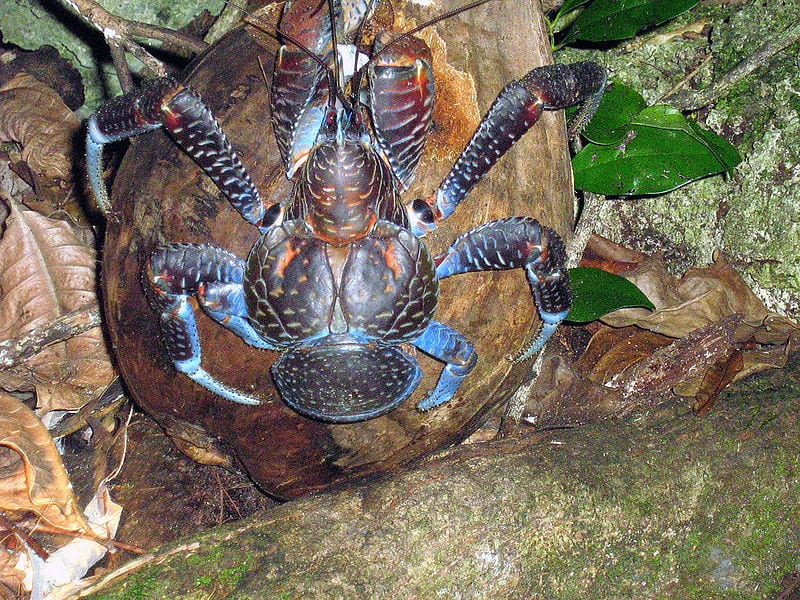
Image Credit: Wikipedia

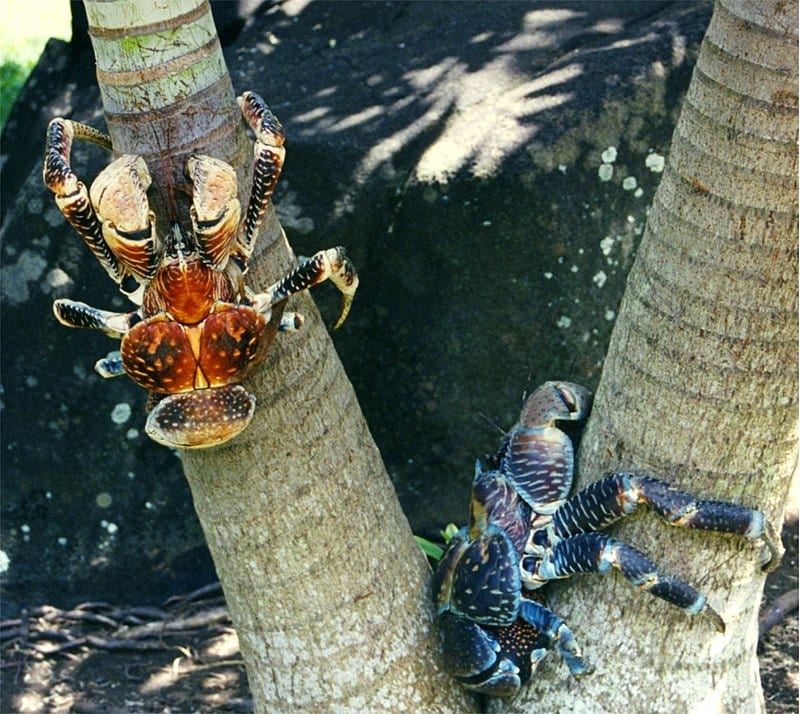
The coconut crab differs from a regular hermit crab in two important ways: first, it’s quite large – it can grow up to three feet long and weigh nine pounds – and second, when it outgrows the largest shell it can find, it grows a shell of its own.

Isn’t nature weird?

Image Credit: Wikipedia

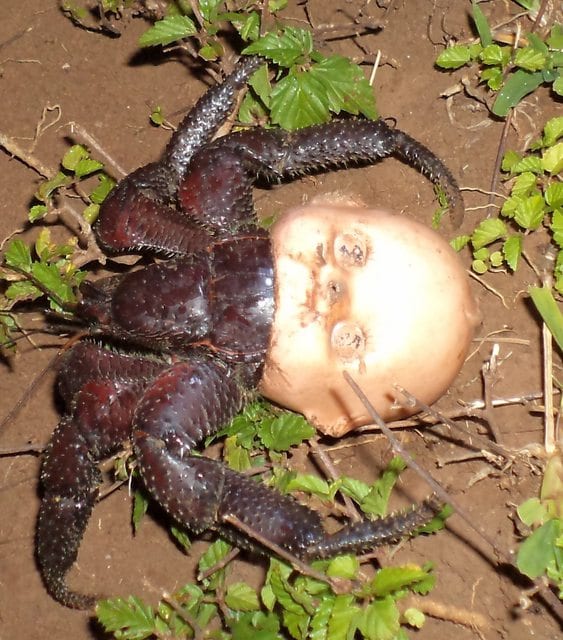
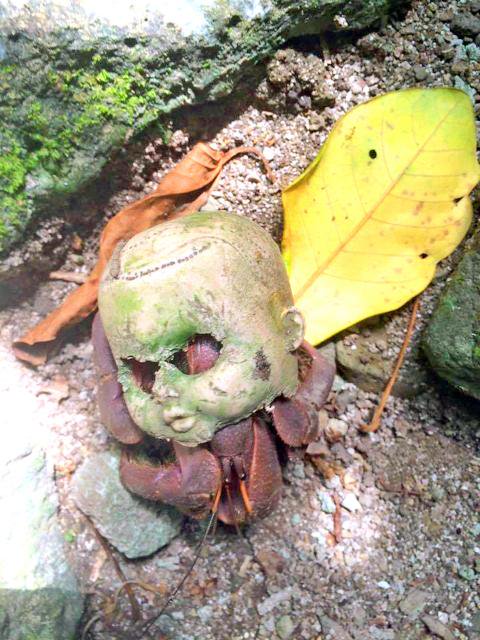
One particular coconut crab, though, isn’t going to be growing his own shell anytime soon, since he found a lovely (meaning totally creepy) discarded doll’s head to live in instead of a shell.

A redditor shared a photo of the crab found on Henderson Island. Part of the Pitcairn Islands, the remote Pacific spot is vulnerable to human litter (obviously).

Image Credit: Reddit

There’s just something about dolls that creep some people out (including me), but I suppose the crab is perfectly happy living inside one – maybe he even considers the eyes cool little peepholes?

Image Credit: Reddit

I have no idea what I’m talking about, but hey, there’s got to be some reason he likes it.

The photo is also making people recall the mutant Toy Story toy that was a doll’s head on top of a crab’s body. A strange coincidence to be sure.

Image Credit: Disney

Not as strange as reality, but close.

The post Massive Hermit Crab Uses a Doll’s Head for Its Shell, and It’s Insanely Creepy appeared first on UberFacts.

Due to the intense mining, Russian city of Norilsk is one…

Due to the intense mining, Russian city of Norilsk is one of the most polluted cities in the world. Locals are systematically complaining of breathing problems caused by the toxic environment. As if that was not enough, nine underground nuclear explosions for peaceful purposes, including research and mining exploration, were conducted by the Soviet regime. The cancer rates in that area are twice higher than anywhere in Russia.