Canadians are entitled to receive a free flag from the government ($150 value), but the waiting period is 99 years. 00
Canadians are entitled to…


fact
Canadians are entitled to receive a free flag from the government ($150 value), but the waiting period is 99 years. 00

A string of Victorian row houses went up on St. Patrick Street in the center of Toronto between the years 1890 and 1893. Each one was an identical, connected home and they were numbered 52 1/2, 54, 54 1/2, 56, 58, and 60.
Today, just 1 remains – 54 1/2 St. Patrick Street – and it turns out it was aptly numbered, since it’s standing as “half” a house.
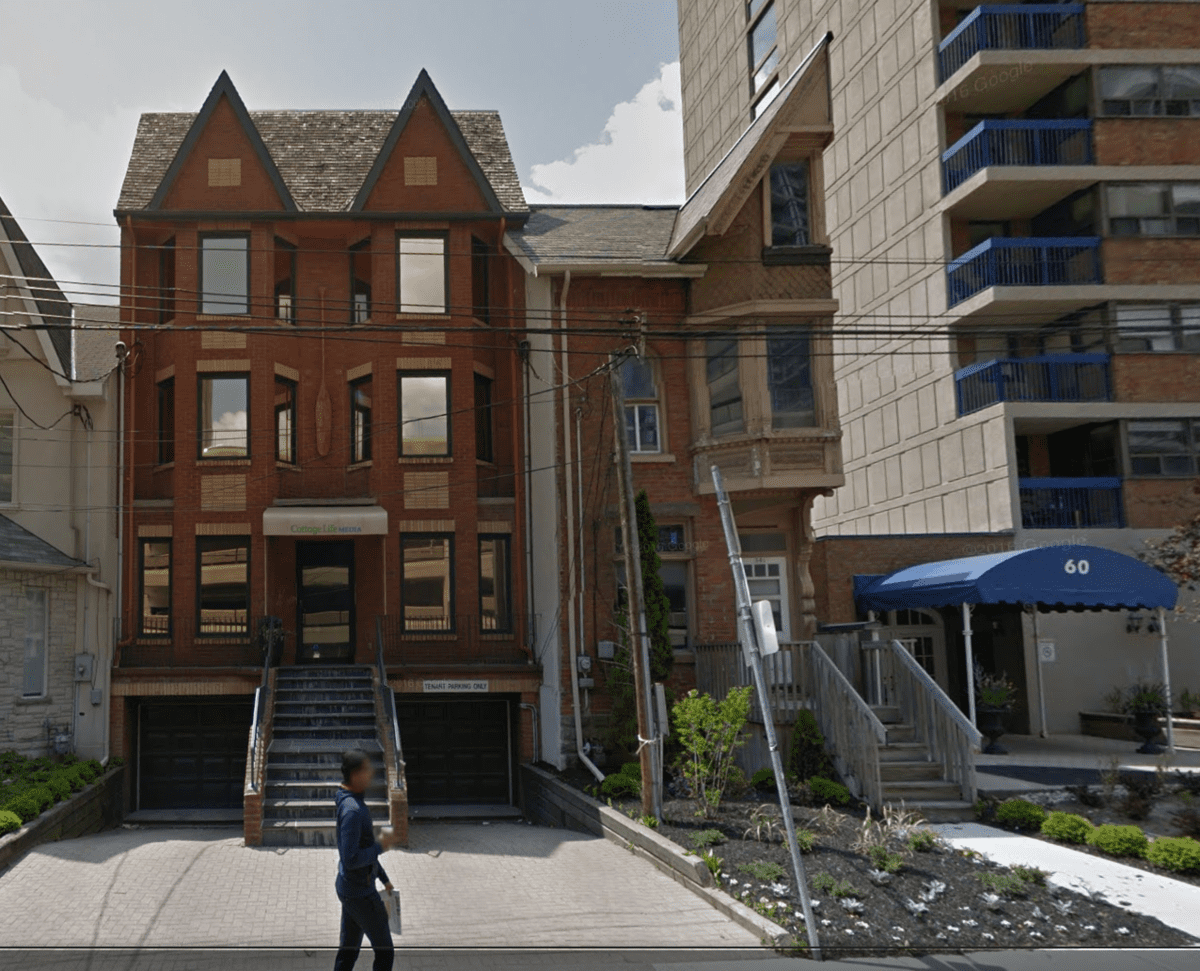
Photo Credit: Google Maps
In the 5 decades between when the houses were built and the 1930s, developers were keen on obtaining the buildings, and used aggressive tactics – one resident told the local newspaper he had received upward of 300 requests in a year.
One by one people gave in and the houses were demolished to make room for “progress,” until only the Valkos family at 54 1/2 remained. And they weren’t going anywhere.
That fact didn’t stop the developers who had bought the rest of the row – they tore down all of the surrounding (and connected) properties until only 54 1/2 remained standing, looking as if a whole house had been cut in two.
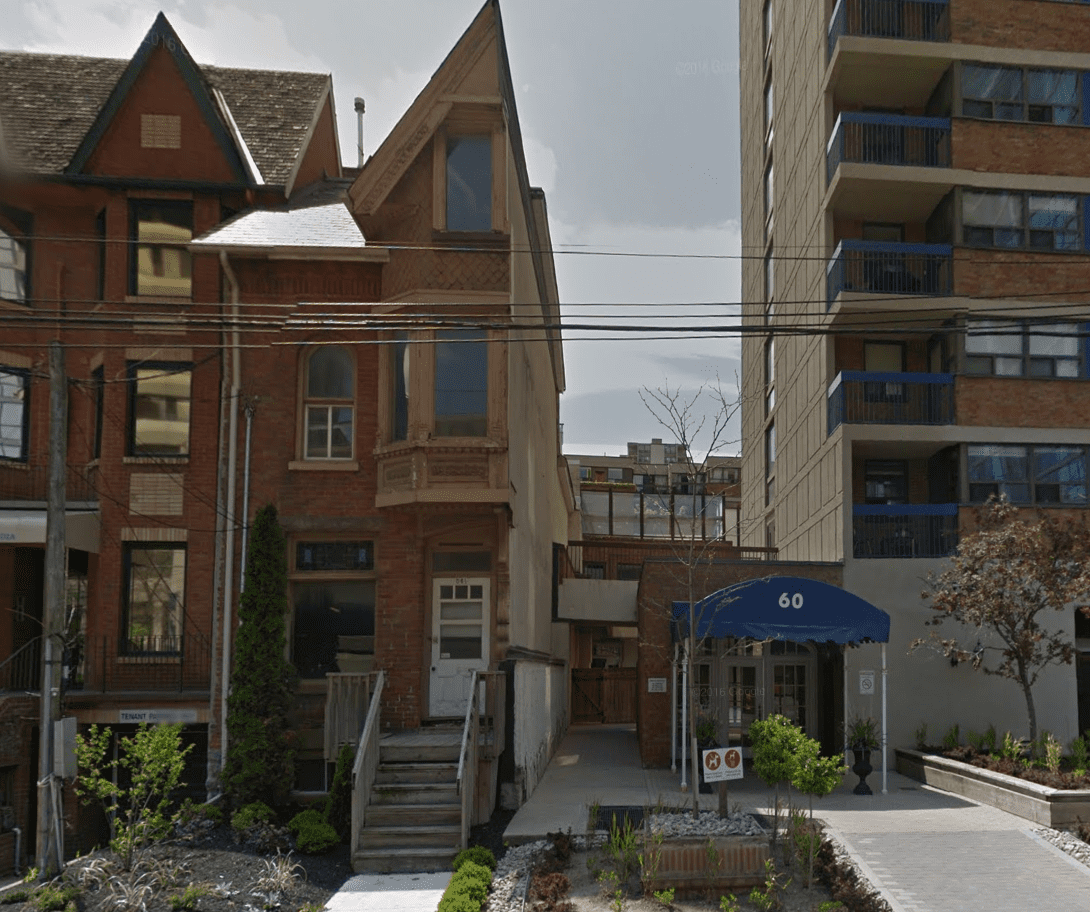
Photo Credit: Google Maps
The actual process of disconnecting the homes from 54 1/2 was a dangerous undertaking – load-bearing walls connected bedrooms, and a single miscalculation could have caused the Half House to tumble along with the rest. Though it remained standing, the owner at the time of the demolition (Emily Brown, the Valkoses daughter and her husband) complained to city officials about seeping rain water, insulation, and the unfinished appearance of the outside of their home.
Emily moved into a nursing home in 2012, selling the property to Albert Zikovitz, who worked in an adjacent office building, before leaving her childhood home.
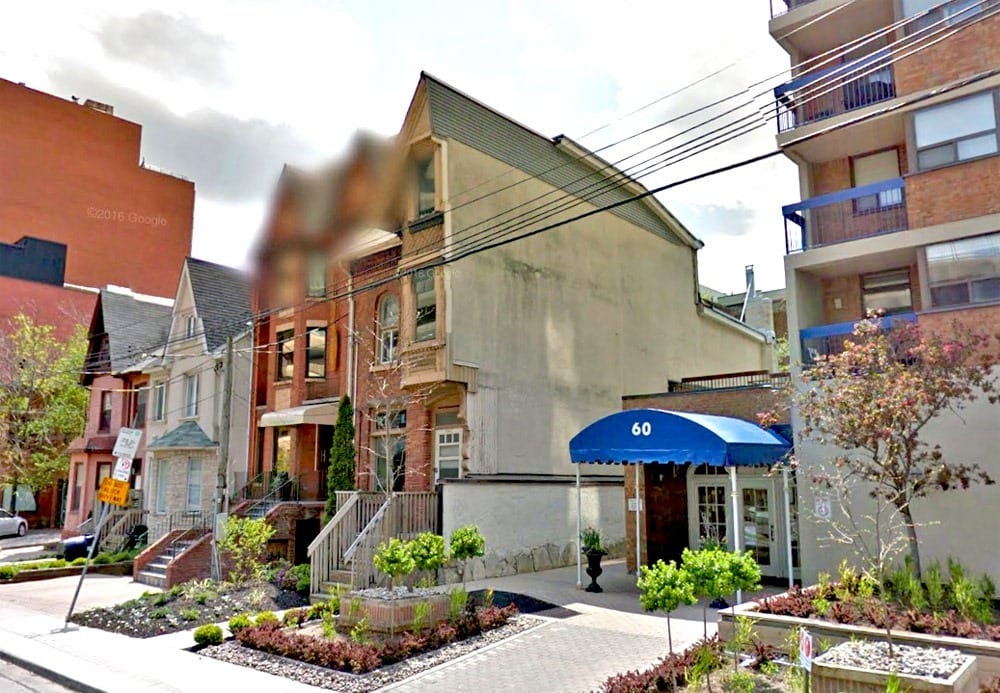
Photo Credit: Google Maps
Today, the building is privately owned and vacant, a remnant from a different time. Valued at over $650,000, the Half House of Toronto has been standing next to a housing project since 1975, and it doesn’t seem as if that will be changing anytime soon – if ever.
The post The “Half-House of Toronto” Still Stands Strong After All These Years appeared first on UberFacts.

In the 1960s, the Canadian government commissioned a series of homosexuality tests known as the fruit machine. The fruit machine consisted of a series of questions, a chair resembling one you might sit in at a dentist’s office, and flashing images of mundane scenes contrasted with pornography that people in the ’50s thought gay people […]

Canada has a lot going for it: hockey, beer, friendly folks, and beautiful land.
Take a look at these facts about our neighbors to the north.

Photo Credit: did you know?

Photo Credit: did you know?

Photo Credit: did you know?

Photo Credit: did you know?

Photo Credit: did you know?

Photo Credit: did you know?

Photo Credit: did you know?

Photo Credit: did you know?
The post 7+ Facts About Canada appeared first on UberFacts.

A high school in Nunavut, Canada takes students on fox trapping sessions, offers polar bear body parts for science class, and has events where students skin seal meat for elders. 10

In Canada it is illegal to pretend to practice witchcraft. However, completely legal to practice witchcraft. 00
In 1972 Canada had a contest to complete the saying “As Canadian as…”. The winner was “As Canadian as possible under the circumstances.” 00
There is an inland island in Canada that is larger in area than the lake in which it is situated. The geological structure was formed by the impact of a meteorite 214 million years ago. The meteorite is believed to have been about 5 km in diameter, and would have hit the earth at a […]
In 1968, Canada gave a $3,500 grant to a 35-year old man in Vancouver “to revive the ancient and time-honored tradition of town fool.” 00
France sent 800 women to Quebec. The “Filles du Roi” (“Daughters of the King”) were poor women who in 1663 agreed to go to the mostly male New France colony to marry. It worked; the population more than doubled in 10 years, and two thirds of French Canadians today are their descendants. 00