10 Incredibly Cute Animal Facts

Adorable animals make all of us happy – that’s 80% of the reason the internet was invented.

And you know what’s better than just pics? Random facts that maybe you never knew!

Here are the top ten cool and cuddly facts about all animals that we’re betting will make you smile.

10. Penguins are ticklish

When touched in certain areas, penguins and other animals can give off a laughter response.


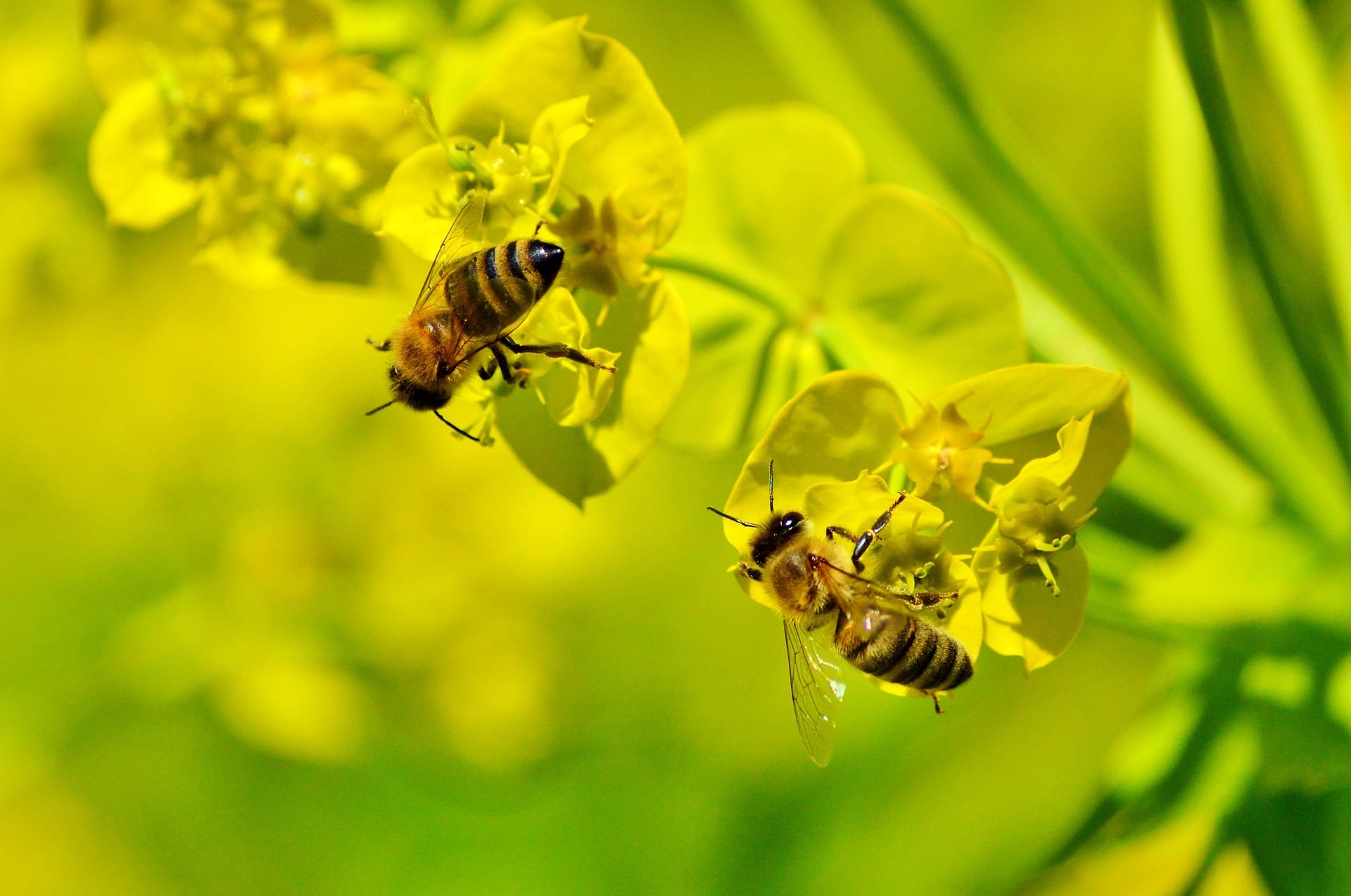
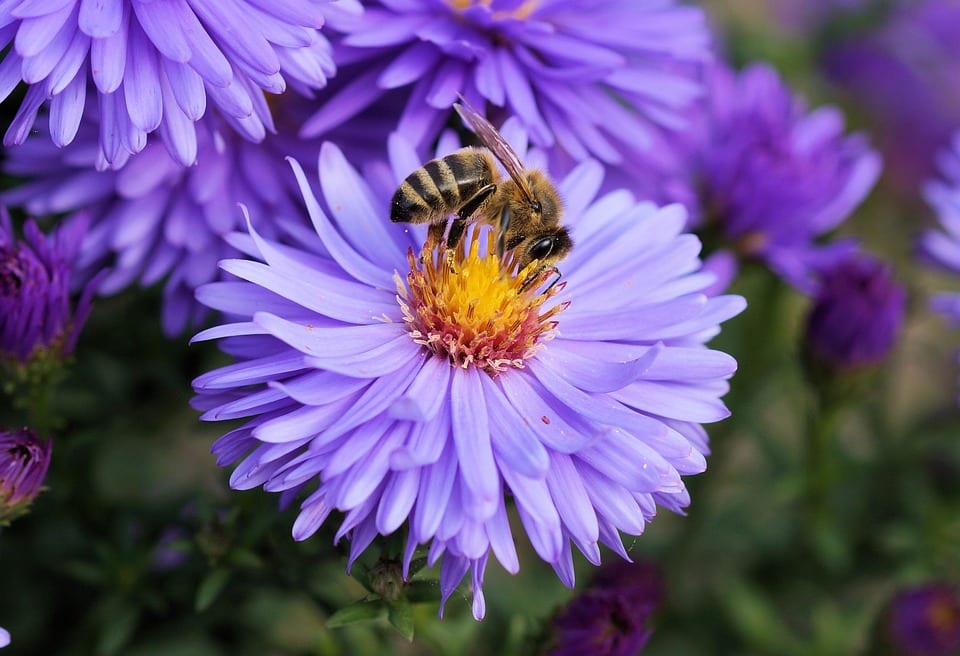
9. Bees and harvest mice sleep in flowers when tired.

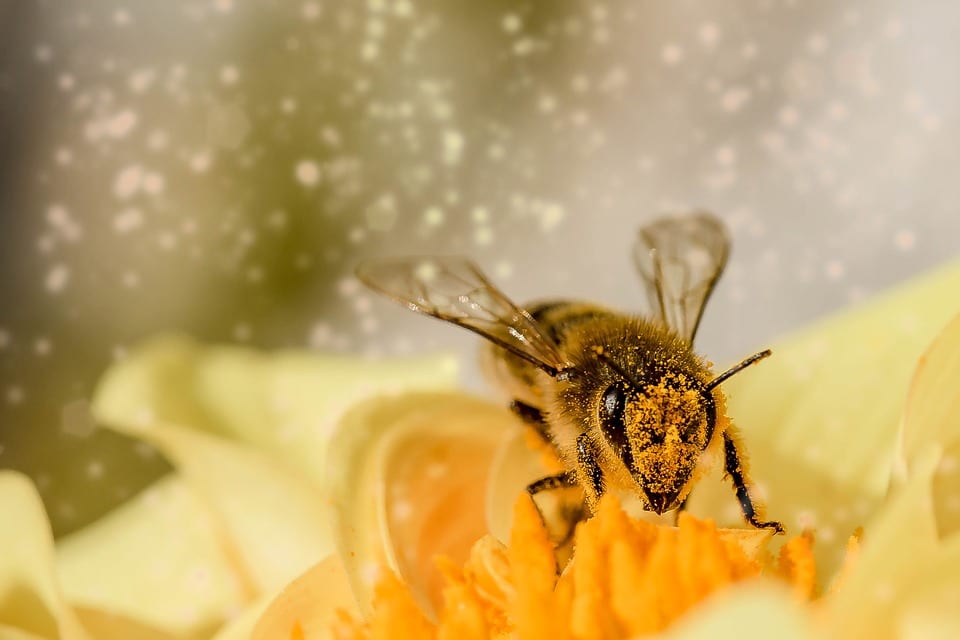
Bees can get so drunk on nectar that they need a nap. And some harvest mice just like the soft, confined space of flower petals for their rest.

8. Dogs probably dream about their owners

A Harvard psychologist says, “Humans dream about the same things they’re interested in by day, though more visually and less logically. There’s no reason to think animals are any different. Since dogs are generally extremely attached to their human owners, it’s likely your dog is dreaming of your face, your smell and of pleasing or annoying you.”

Photo Credit: freestocks.org

7. Elephants will trumpet the arrival of a new calf

Elephants for Africa explains, “The female elephant community is social and supportive, with young calves being tended to not only by their mothers, but also by other females in the herd. When a new baby is born, all of the females in the group trumpet the news and announce the new arrival.”

Photo Credit: Unsplash, Chris Rhoads

6. Cows make friends with other cows

Aa recent study at the University of Northampton explains the physical changes in heart rate among cows that have been separated.

“Social bonds do occur in domesticated dairy cattle and can be found when living in large dynamic group systems, but they are significantly affected by separation at the time of regrouping. These social bonds are important to the welfare and wellbeing of cattle; practices that promote stability and positive associations will be beneficial to the welfare of animals.”
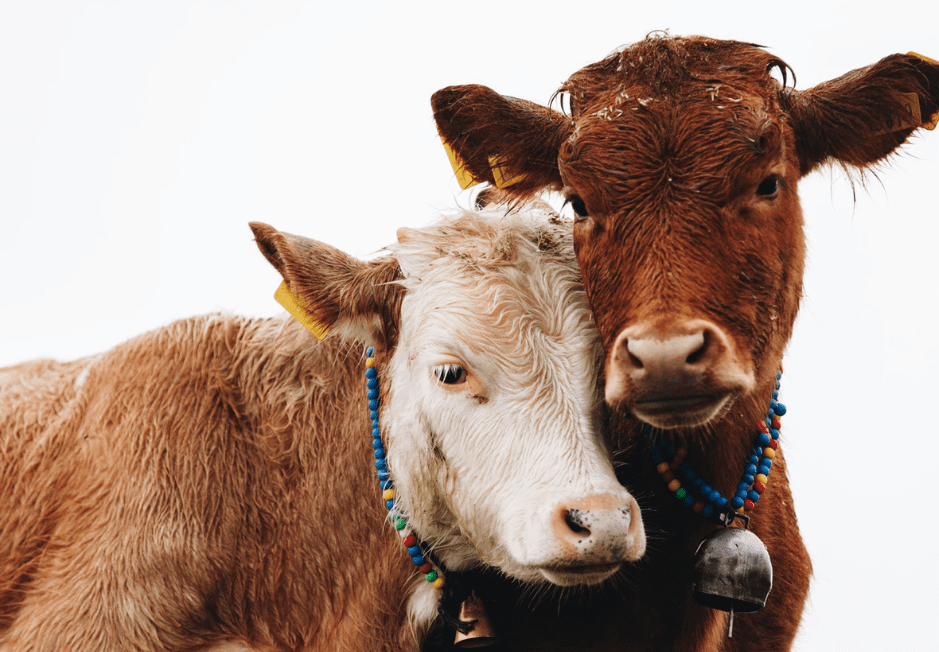
Photo Credit: Unsplash, Doruk Yemenici

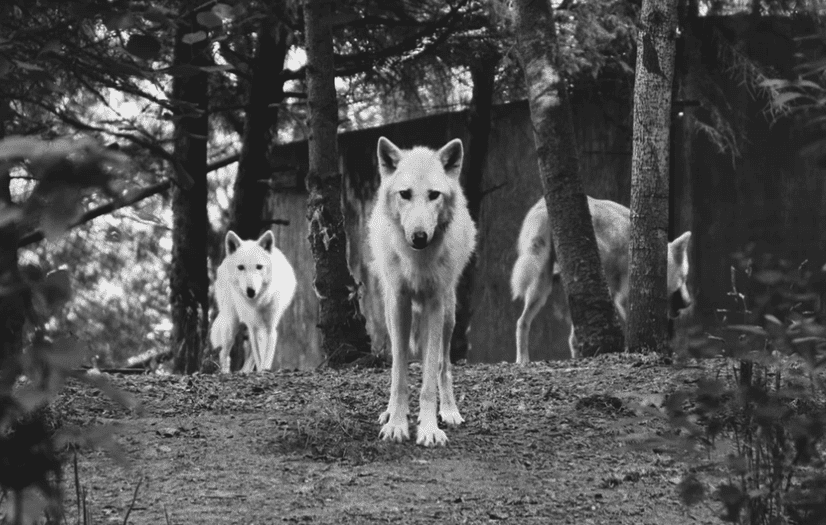
5. A lot of times, mean looking dogs in film are actually really happy

During the making of The Lion, the Witch, and the Wardrobe, CGI was used to hide wagging tails.

“The dogs are happy, their tails wagging, tongues hanging out. They’re not thinking about the drama, they’re not wondering where are those kids? So, we had to replace their wagging tails in a bunch of shots to make them look more menacing.”
4. Bees make cute sounds when they bump

It’s crowded in a hive and bees bump each other all the time. What’s funny is that they make a “Whoop” sound when it happens, per this video.

3. Squirrels hide a lot of nuts that grow into trees

Squirrels hoard the nuts they don’t eat right away. In fact, they hoard so many nuts that they forget where they stashed them all, which results in millions of new trees, according to this Purdue University study.
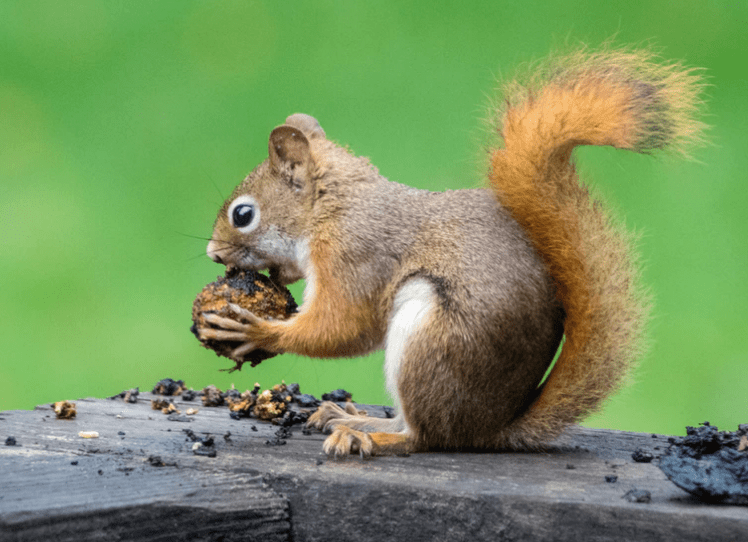
Photo Credit: Unsplash, Caleb Martin

2. Baby elephants are confused by their trunks

Not only must a new born elephant learn to stand and walk, they also have to learn how to control their trunks, just like a baby has to learn to grab things with their hands.

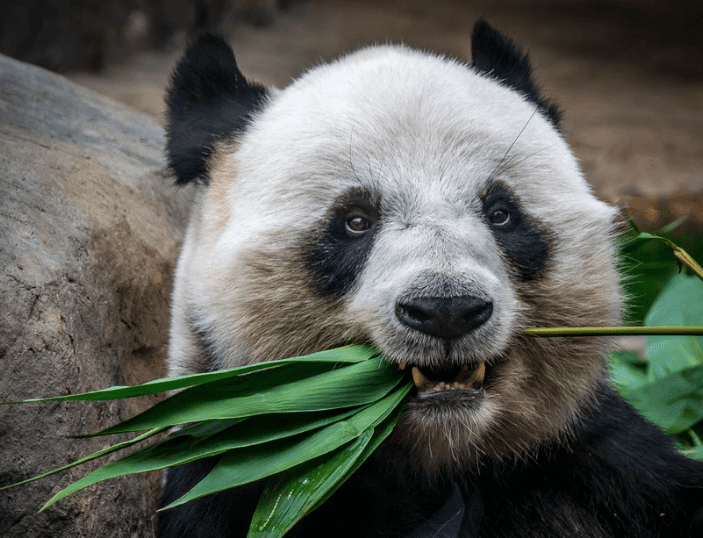
1. The Giant Panda is no longer endangered

Great news! The Giant Panda population has increased 17% over the last ten years, putting them out of immediate danger and in the “vulnerable” status.
That’s a wrap!  Comment below with some of you amazing animal facts!

The post 10 Incredibly Cute Animal Facts appeared first on UberFacts.
When a bee hive becomes…

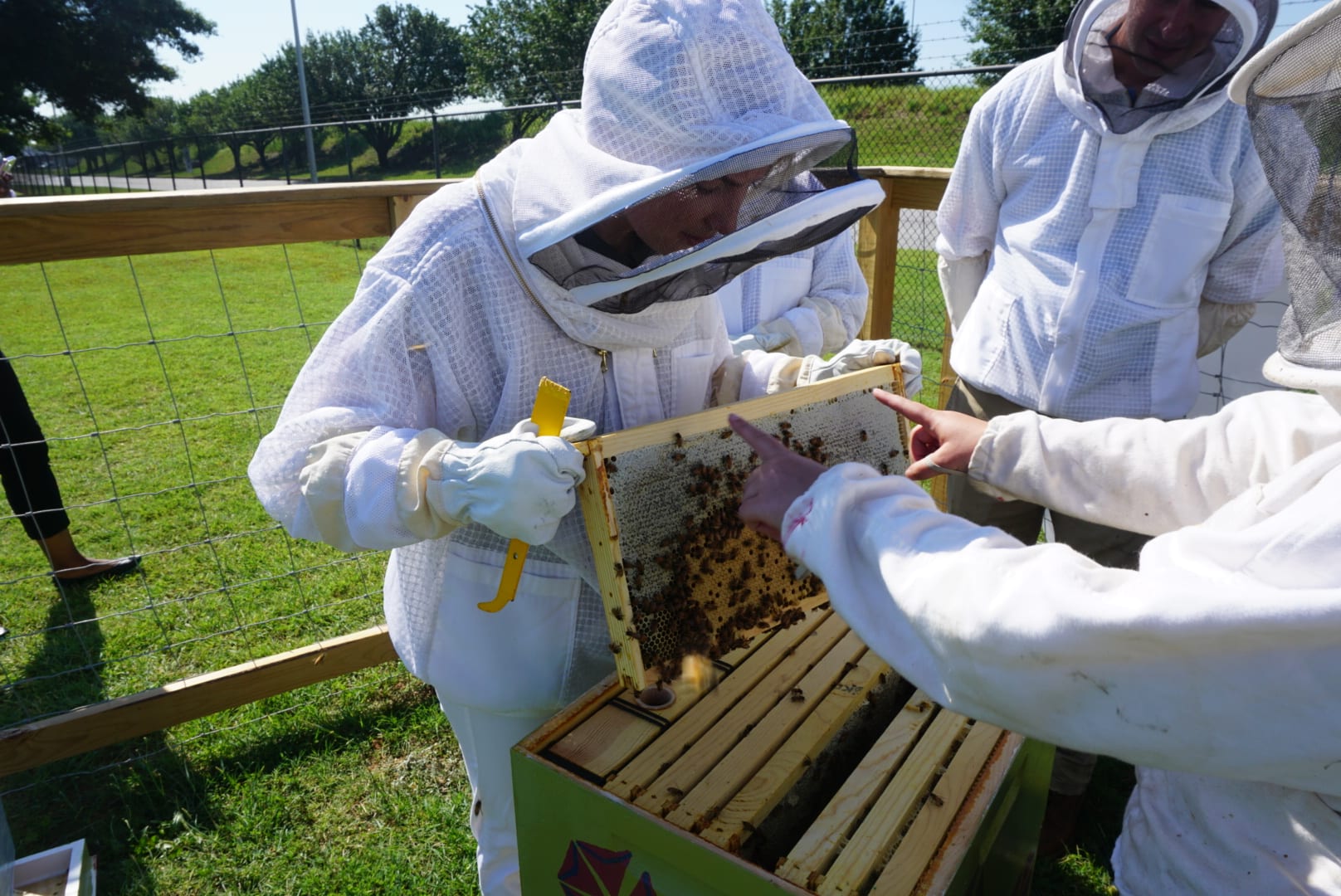
When a bee hive becomes too full, bees will form a “Senate” comprised of older, more experienced bees to seek a new location. When a bee finds a good spot, it begins dancing to motion other bees toward it. Then, they vote on it by dancing as a collective until a consensus is reached.

Coal Miners Are Becoming Beekeepers in West Virginia

Many miners remain out of work in West Virginia as coal mines have shut down. To combat jobless in coal territory, a new nonprofit has stepped in offering training in beekeeping and assistance in selling any resulting honey. It’s good income and good for the environment!

The program is offered by the Appalachian Beekeeping Collective.

In West Virginia, high levels of poverty and lack of jobs make survival for rural families a struggle. But keeping bees and harvesting the honey for selling is a sweet way to make ends meet.

Photo Credit: Flickr

Coal mining was a major part of the economy until 2005, when the rate of mine closures began to tick up, leaving many workers without a steady paycheck. Employment in the coal industry decreased by 27 percent according to a study conducted by West Virginia University.

And it’s not just West Virginia; Kentucky, Pennsylvania and Wyoming all felt the economic loss of energy going green.

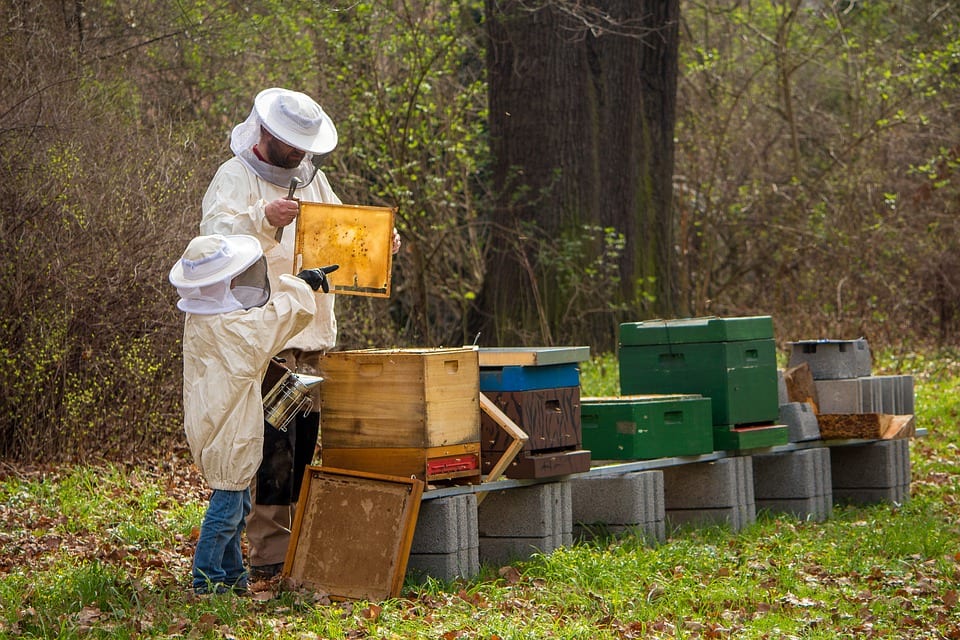
The Appalachian Beekeeping Collective was formed within the nonprofit Appalachian Headwaters, which is working to develop sustainable economic opportunities there. The collective operates over 17 counties in WV and offers classes in beekeeping basics and bee biology. Upon graduation from courses, new beekeepers become part of the collective, where they can receive more training, bees, supplies and resources to start their own honey businesses.

Photo Credit: Max Pixel

Because the collective offers free and reduced-cost beekeeping training and supplies, what once was an opportunity with a high cost of entry is now completely doable for many low-income families.

That’s how White Oak Bee Company started. John Young and his daughter enrolled in classes and received 12 hives. Now, he is a part of West Virginia’s robust honey industry – Young even has his own signature honey roasted coffee for sale.

We've got more honey! Local pickup only. Order yours at this link: https://www.whiteoakbee.com/collections/honey-bee-products/products/raw-honey

Posted by White Oak Bee Company on Monday, July 29, 2019

The bees also benefit local forests; as the farmed bees collect nectar from the forest’s flowers, they are pollinating their surroundings and helping them diversify and grow.

But for the rural families that share the forests, the bees are chance at growing a business and fueling sweet hope. Because an economy that leaves so many people behind isn’t really flourishing at all.

The post Coal Miners Are Becoming Beekeepers in West Virginia appeared first on UberFacts.

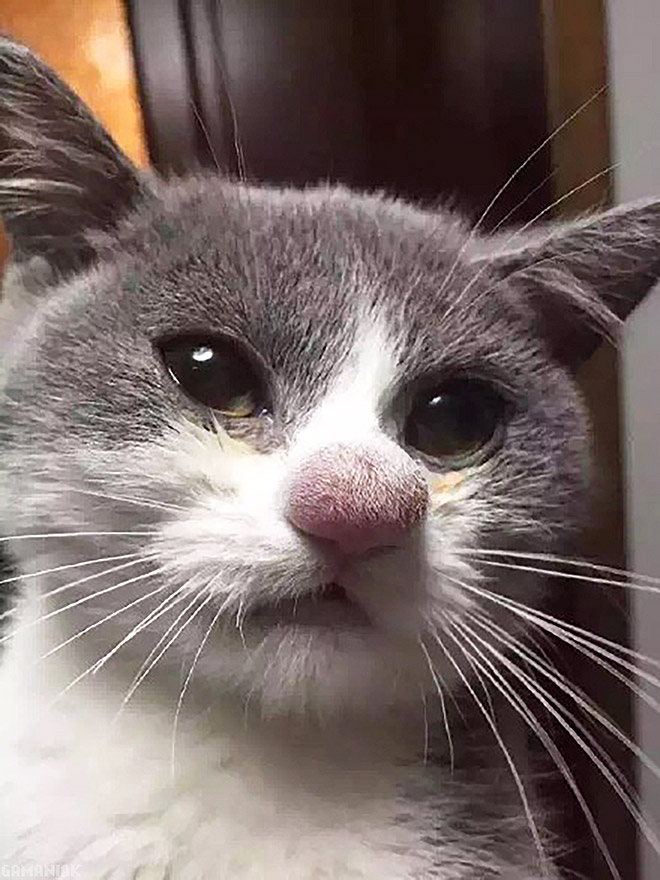
15 Photos of Cats That Shouldn’t Have Messed with Bees

These poor kitties really should’ve known better than to mess with bees.

You’ll see what I mean as you scroll through these photos.

A whole lot of swelling going on!

1. Not pleased

Photo Credit: Sad and Useless

2. Mom?

Photo Credit: Sad and Useless

3. Sad

Photo Credit: Sad and Useless

4. Bigfoot

Photo Credit: Sad and Useless

5. All swelled up

Photo Credit: Sad and Useless

6. Uh oh

Photo Credit: Sad and Useless

7. Gigantor

Photo Credit: Sad and Useless

8. Awwwww

Photo Credit: Sad and Useless

9. Oh no!

Photo Credit: Sad and Useless

10. Trying to be cool with it

Photo Credit: Sad and Useless

11. OMG

Photo Credit: Sad and Useless

12. Wait, what?

Photo Credit: Sad and Useless

13. Freaky Deaky

Photo Credit: Sad and Useless

14. I need help

Photo Credit: Sad and Useless

15. See that tear in her eye?

Photo Credit: Sad and Useless

Those pics are kind of sad, aren’t they?

The post 15 Photos of Cats That Shouldn’t Have Messed with Bees appeared first on UberFacts.
500 Million Brazilian Bees Died in Only Three Months

You’ve probably heard by now that the world’s ability to produce food is connected to the availability of a thriving bee population. Bees are nature’s most integral pollinators, responsible for pollinating 75% of the world’s crops.

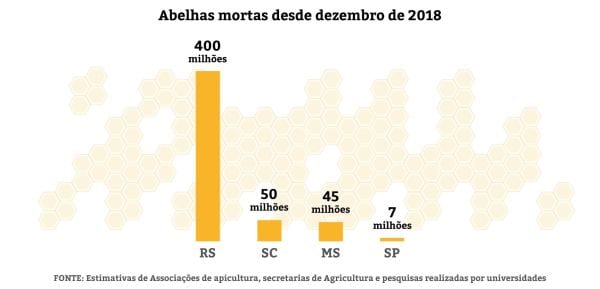
And they’re dying at a rate that’s almost impossible to comprehend – to the tune of 500 million bees in Brazil alone in just three month’s time.

Image Credit: Pixabay

Between December 2018 and February 2019, 400 million bees in Rio Grande do Sul, 7 million in Santa Catarina, and 45 million in Mato Grosso do Sul lost their lives, and Aldo Machado, the vice president of Brazil’s Rio Grande do Sul’s beekeeping association, is concerned.

Image Credit: scrural.gov

“As soon as the healthy bees began clearing the dying bees out of the hives, they became contaminated. They started dying en masse.”

Researchers are blaming Brazil’s decision to allow the use of 300 new pesticides on crops in 2019; many of the dead bees contained traces of fipronil, an insecticide commonly used to rid dogs and cats of fleas and ticks.. The U.S. EPA classifies it as a possible human carcinogen, but if you’ve got a dog, you may have some in your house.

Image Credit: scrural.gov

Alberto Bastos, the president of the Apiculturist Association of Brazil’s Federal District, told Bloomberg that the “death of all these bees is a sign that we’re being poisoned.”

Not to mention that bees provide billions of dollars worth of agricultural benefits that will disappear along with them if they go.

Image Credit: Pixabay

Will people listen? Will it be too late by the time food shortages begin to make their way into developed corners of the world?

Only time will tell, but the people who are hearing what the bees have to tell us are already beating the drum.

The post 500 Million Brazilian Bees Died in Only Three Months appeared first on UberFacts.
Bees don’t buzz during solar eclipse

Bees don’t buzz during an eclipse – Using tiny microphones suspended among flowers, researchers recorded the buzzing of bees during the 2017 North American eclipse. The bees were active and noisy right up to the last moments before totality. As totality hit, the bees all went silent in unison.

Minnesota Offers Money for Residents to Create Bee-Friendly Lawns

Bee awareness has become engrained in popular culture in recent years, and for good reason – a dearth of our pollinating friends would spell disaster for humanity in terms of crop production and yields for years to come.

And if helping save the planet isn’t enough incentive, the state of Minnesota is willing to hand over some cash in exchange for its residents creating yards that are welcoming and sustaining for bees.

View this post on Instagram

20.06.2019 ''Ihr Zuckerwürfelchen, groß und klein, wir laden euch herzlich in unsern Garten ein. Kommt herbei von nah und fern, ihr seid willkommen, wir haben euch gern! Wir bieten euch Bettchen, Speis und Trank, für die reichlich Ernte ein herzlich Dank!'' Huch! Da ist mir doch glatt dieses kleine Bienchen während der gestrigen Eskalation im Gartencenter in den Einkaufwagen geflogen. Na sowas…wie konnte das bloß passieren? ? Wenn man einmal nicht aufpasst… Was mach ich denn jetzt? Ratlos stand ich nun da mit meinem Wagen und dem kleinen Bienchen. Zurückbringen? Aber wohin? Wo ist die Kleine überhaupt hergekommen? Mit hoffnungsvollem Blick schaute das kleine Bienchen über den Wagenrand ? Hierlassen oder gar am Straßenrand aussetzen? Oh nein! Das kleine Bienchen bricht in Tränen aus und flutet sogleich den Einkaufswagen ? Nein, das kann ich nicht über‘s Herz bringen. Mitnehmen? Was für eine Frage!?! Natürlich! Das kleine Bienchen hat doch überhaupt kein Zuhause mehr. Der Garten platzt zwar schon aus allen Nähten, aber für kleine fleißige Bienchen ist doch immer ein Plätzchen frei. Das war die beste Entscheidung! Seht euch die Kleine an…habt ihr schon mal so ein glückliches Bienchen gesehen? ? #bienenweide #wildbiene #wildbee #savethebees #beebetter #bienenwiese #wildblumen #wildflowers #natur #nature #bee #bees #biene #bienen #flower #gardening #insekt #insect #gardenlove #plant #vielfalthatimmersaison #garten #gartenliebe #blume #garden #gärtnern #flowerpower #spring #frühling #blumenliebe

A post shared by Butterbee & Friends (@butterbee_and_friends) on

Legislators there recently passed a bill that was signed into law by Governor Tim Walz that sets aside an annual budget of $900k to be specifically used to help state residents convert their lawns into bee sanctuaries.

Specifically, they’re concerned about the safety and survival of the rusty patched bumblebee, a pollinator native to the Midwest that is in serious trouble – their numbers have declined by up to 87% in less than 20 years.

Once the law takes effect, people will be able to apply for financial assistance to convert their lawns, with 75% of the total cost covered – or up to 90% for projects specifically aimed at helping rusty patched bees.

The projects should be planted with “native vegetation and pollinator-friendly forbs and legumes,” according to the bill, including “undesirables” like white clover and dandelions.

They hope to put the bill into effect next spring, though there are some details (like who will handle the disbursement of funds) to figure out.

Minnesota isn’t the only place willing to go the extra mile when it comes to the bees, either – the UK has banned pesticides that are harmful to bees, and Holland has instituted “insect hotels” to be strategically placed in order to give bees a safe place to land.

If you’re wanting to do your part on your own dollar, have at it!

Just make sure your homeowner’s association is down with “weeds” in your “lawn.”

The post Minnesota Offers Money for Residents to Create Bee-Friendly Lawns appeared first on UberFacts.
6 Little Things You Can Start Doing Today to Save the Bees

Bees play a vital role in sustaining life on earth – over 20,000 species of bees around the world are essential pollinators for all kinds of crops. Unfortunately, bee populations have been declining steadily for several years now

“Populations are declining due to a variety of factors including human development, pesticides, disease, and a changing climate,” a representative from The Honeybee Conservancy  told Bored Panda.

If you’re concerned and want to do your part to help, below are 6 simple ideas that could make a difference for the bees in your yard – and beyond.

#1. Protect their habitat.

Image by Thomas Schiewer from Pixabay

Create gardens everywhere there’s green space – wildflowers can populate street corners, balconies, along roadways, and yes, in your backyard.

#2. Sponsor a hive.

Image by Alexas_Fotos from Pixabay

There are initiatives in many communities that build and install stocked honeybee hives and solitary bee homes. You can donate today to sponsor one or more habitats you don’t have to build or maintain. It’s a win for everyone!

#3. Create a bee bath.

Image by Cornelia Moore from Pixabay

Much like a bird bath, a shallow dish or container filled with clean water and pebbles or stones that poke out of the water is a great retreat for tired bees in the middle of a long workday.

#4. Plant trees.

Image by Jill Wellington from Pixabay

It’s not just flowers that bees love – they also adore trees. Tree leaves and resin provide the nesting materials necessary for bees and many live in the trunks and thick limbs.

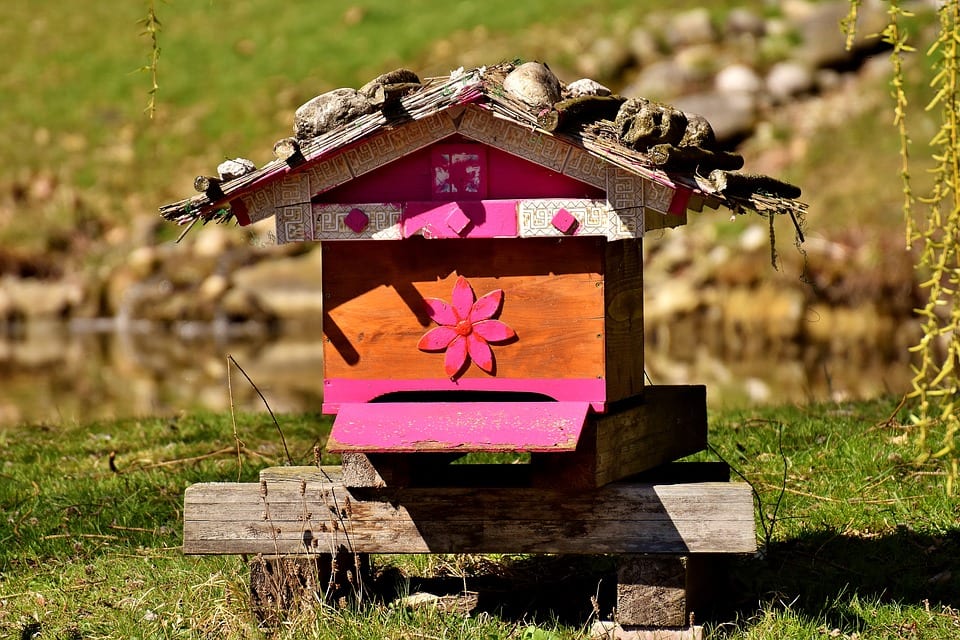
#5. Build a bee hotel.

Image Credit: Danie Ware

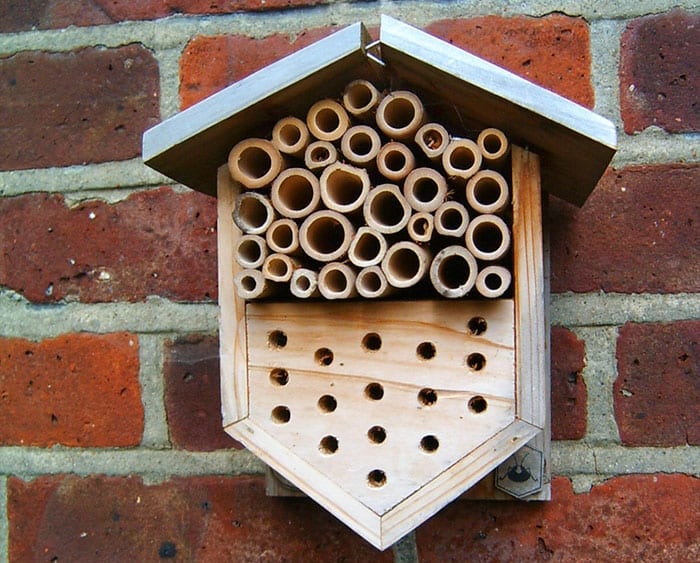
Most people associate bees with hive living, but the truth is that most bees are more solitary, with 70% living underground and 30% living in trees or hollow stems. You can find plans for a bee condo or bee hotel online and build your own if you want to attract pollinators to your yard.

#6. Avoid harmful pesticides.

Image by Myriams-Fotos from Pixabay

If you do have a garden, check the products you’re using to reduce pests. If the chemicals they contain are part of the neonicotinoid family, you’ll want to ditch them. Instead, check for organic options or try introducing natural predators like praying mantises or ladybugs to your space.

I’m off to do my part…as soon as spring finally gets here.

The post 6 Little Things You Can Start Doing Today to Save the Bees appeared first on UberFacts.
Bees don’t buzz during an eclipse…

Bees don’t buzz during an eclipse – Using tiny microphones suspended among flowers, researchers recorded the buzzing of bees during the 2017 North American eclipse. The bees were active and noisy right up to the last moments before totality. As totality hit, the bees all went silent in unison. 00